In This Guide
Let's get this out of the way right at the start. That question you typed into Google – at what age is it too late to train a cat – comes from a place of love and maybe a little frustration. Maybe you've just adopted a dignified 8-year-old gentleman from the shelter who thinks the sofa is a scratching post. Or perhaps your lifelong companion, now a wise senior, has started yowling at 3 AM for reasons unknown. You're wondering if the ship has sailed. Can you teach an old cat new tricks?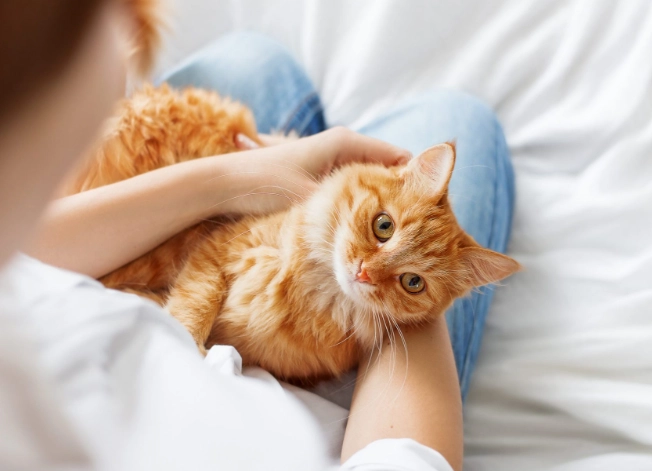
The short, definitive answer is no, it is never too late.
I need you to really believe that. The idea that cats become untrainable after kittenhood is one of the most persistent and unhelpful myths in pet ownership. It leads to so many missed opportunities for bonding and solving problems. Cats, at their core, are learners. They are creatures of habit and cause-and-effect. Whether they're two or twelve, that fundamental wiring doesn't just switch off. What changes is the how, not the if.
The Big Myth vs. The Reality
The Myth: "My cat is set in its ways." "You can't train an adult cat." "He's just being stubborn."
The Reality: Cats are always learning. Every interaction is a training session, whether you mean it to be or not. If your cat meows at the fridge and you open it, you've just trained them to meow at the fridge. The question isn't if they can learn, but what they are learning from you already, and how to guide that process intentionally.
Think about it. Your cat learned where the food bowl is. They learned the sound of the can opener. They learned that jumping on the kitchen counter sometimes yields tasty crumbs. They are masters of associative learning. Your job as their human is to become more intentional about those associations.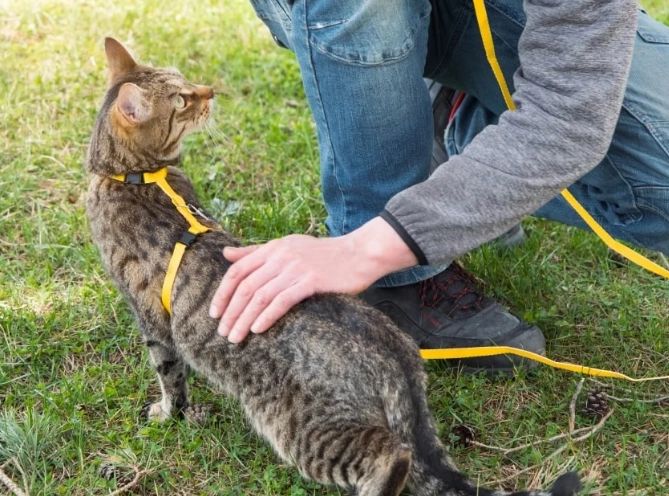
Why Age Really Is Just a Number (With a Few Caveats)
So, if you're asking at what age is it too late to train a cat, the truthful answer is: there is no expiration date. However, understanding the life stage of your cat is crucial for setting realistic expectations and choosing the right methods. A one-size-fits-all approach is a recipe for frustration.
Here’s a breakdown of what training looks like across a cat’s lifespan. This isn't about limits; it's about adapting your strategy.
| Life Stage | Typical Age Range | Training Advantages | Training Considerations & Adaptations |
|---|---|---|---|
| Kittenhood | 2 months - 1 year | High energy, curiosity, brain like a sponge. Less established bad habits. | Short attention spans (5 minutes max). Easily overstimulated. Focus on socialization and bite inhibition. |
| Young Adulthood | 1 - 6 years | Peak physical and mental acuity. Established personality but still adaptable. | May have picked up undesirable habits. Training is excellent for mental stimulation to prevent boredom. |
| Mature Adulthood | 7 - 10 years | Calmer, more predictable. Often more food-motivated. Value routine and comfort. | Patience is key. Sessions must be brief and positive. Perfect for addressing age-onset issues like vocalization. |
| Senior & Geriatric | 10+ years | Strong bond with owner. Highly motivated by comfort and favorite treats. | Vet check first! Rule out pain/medical issues (e.g., arthritis, dental pain, hyperthyroidism) that look like behavioral problems. Use ultra-high-value rewards. Keep everything low-effort. |
See that last row? It's so important I'll say it again. If your older cat is suddenly "misbehaving" – not using the litter box, seeming grumpy, crying – your first stop isn't a training manual, it's the veterinarian. Organizations like the American Animal Hospital Association (AAHA) stress the importance of twice-yearly wellness exams for senior pets to catch issues early. A cat with untreated arthritis isn't "refusing" to jump into the litter box with high sides; they are in pain. Training can't fix a medical problem.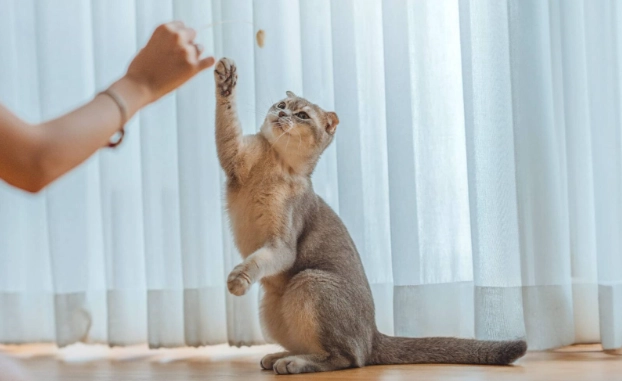
The Golden Rule for Older Cats: Comfort is King
Training a senior cat isn't about complex tricks. It's often about managing their environment and reinforcing desired behaviors that contribute to their quality of life. Think: using a new, lower-sided litter box, coming when called for medication, or tolerating gentle brushing. The reward is often the comfort itself, paired with a delicious morsel.
Your Training Toolkit: What Actually Works (At Any Age)
Forget everything you've seen in old movies about rubbing a cat's nose in a mess or spraying them with water. Those methods are based on punishment and fear, and they damage your relationship while failing to teach the correct behavior. The only method proven effective and humane for cats is positive reinforcement.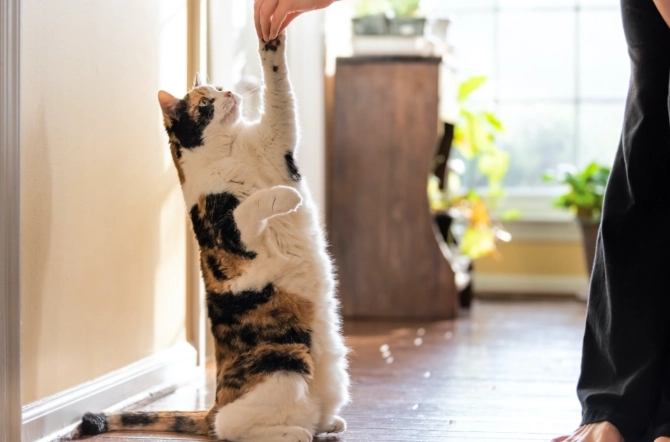
Positive reinforcement is simple: you reward the behavior you want, so the cat is more likely to repeat it. The reward must be something the cat truly values. This isn't bribery; it's communication.
Top Rewards for Cats (The Hierarchy of Yum)
- The Superstars ("Primary Reinforcers"): Food. But not just any food. Find the "high-value" treat that makes your cat's eyes widen. For many, it's freeze-dried chicken, a bit of tuna, or a paste-style treat from a tube. This is your most powerful tool.
- The Contingent Rewards: Play. For some cats, especially younger ones, the chance to chase a wand toy is the ultimate prize. You can use play as a reward for coming when called.
- The Daily Drivers: Affection and praise. While not as motivating as food for most cats, gentle petting or a soothing voice can be a good secondary reinforcer, especially when paired with a treat. Know your cat – some hate being petted as a reward!
The process is always: Mark → Reward. You can use a clicker (a small device that makes a consistent "click" sound) or a distinct verbal marker like a sharp "Yes!" or "Good!". The instant your cat performs the desired action, you mark it (click or say "Yes!"), then immediately give the reward. This pinpoints the exact behavior you're approving.
Let that sink in.
It's that straightforward. Complex behaviors are just broken down into tiny, achievable steps (this is called "shaping"). Want your cat to use a scratching post? Reward for looking at it. Then for touching it. Then for putting one paw on it. You get the idea.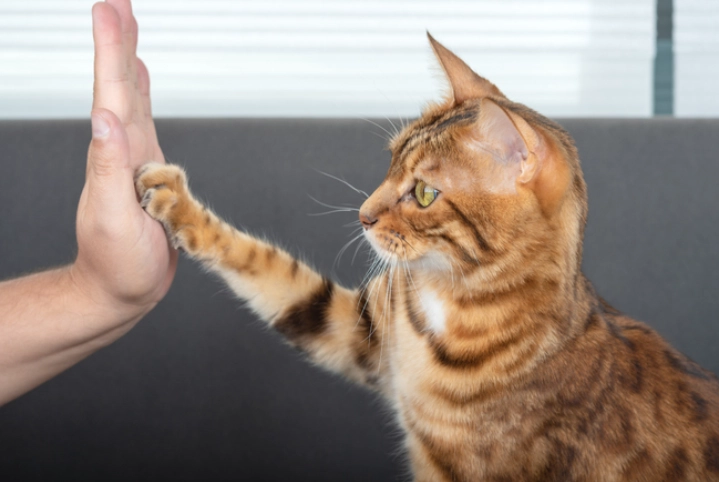
Tackling the Big Issues: Real-Life Scenarios
Let's apply this to the problems that likely made you search at what age is it too late to train a cat.
Scenario 1: The Litter Box Avoider (The #1 Complaint)
This is stressful for everyone. First, rule out medical issues (UTI, kidney disease, arthritis) with a vet. If it's behavioral, training is about making the right choice (the box) incredibly appealing and the wrong choice (your rug) unappealing.
- Box Management: Are there enough boxes? Rule is one per cat, plus one extra. Are they clean? Scooped daily, fully changed weekly. Are they in quiet, low-traffic areas? Is the litter type comfortable? (Senior cats often prefer fine, soft, unscented litter).
- Positive Association: Place your cat in the clean box after meals or naps. If they hop out, no big deal. If they stay or scratch, mark and reward with a high-value treat right there. You're building a "good things happen here" connection.
- Environmental Management: Thoroughly clean soiled areas with an enzymatic cleaner (regular cleaners don't remove the scent markers). Make the area unattractive by placing a feeding station, a citrus scent, or double-sided tape there temporarily.
This isn't a quick fix, but a process. Consistency is everything.
Scenario 2: The 3 AM Opera Singer
Your senior cat has started nighttime vocalization. Again, vet first (cognitive decline, hypertension, pain). If it's attention-seeking or habit, training involves not rewarding the yowling.
This is tough love. You must ignore the yowling completely. No yelling, no getting up, no feeding. Any attention is a reward. Instead, tire them out with play before bed. Provide a comfortable sleeping spot. And crucially, reward quiet behavior heavily during the day and evening. When they are sitting quietly, mark and give a treat. You're teaching "quiet = good things."
A Personal Note on Patience: I tried this with my own cat, Milo, when he turned 12. The first few nights were brutal. I lay there, jaw clenched, while he cried. But by night four, the cries were shorter. By week two, they'd stopped. He learned that the old strategy didn't work anymore. It felt harsh in the moment, but it gave us both uninterrupted sleep, which was better for his aging body and my sanity. Sometimes the kindest training is the most consistent.
Scenario 3: The Couch Shredder
Cats scratch to mark territory, stretch, and maintain claws. It's non-negotiable behavior, so you need to provide a better outlet.
- Make the Post Irresistible: Place sturdy posts (sisal is great) near the forbidden furniture. Sprinkle catnip on them. Dangle toys near them.
- Catch Them in the Act (of being good): When you see your cat using the post, immediately mark and reward with a treat and praise. Make a big, happy deal out of it.
- Protect the Furniture: Use temporary vinyl protectors or double-sided tape on the corners being scratched. It feels unpleasant to their paws.
- Never punish after the fact. They won't connect the punishment with the act of scratching from hours ago. They'll just learn to be afraid of you.
Advanced Moves & Mental Gymnastics
Once you've got the basics down, you can teach some amazing things. This is where people truly realize the answer to at what age is it too late to train a cat is a resounding "never." Training is mental exercise, and a mentally stimulated cat is a happy, well-behaved cat.
- Target Training: Teach your cat to touch their nose to a stick or your hand. This is a foundational skill you can use to guide them onto scales, into carriers, or away from dangerous areas.
- Recall (Coming When Called): Use a distinct sound (a whistle, a specific word) and pair it exclusively with an amazing treat. Start from short distances. This is not just a party trick; it's a vital safety behavior.
- Harness Training: Yes, you can leash-train an adult cat! It's a slow, patient process of getting them comfortable with the harness indoors first, associating it with treats and play. The ASPCA's behavior resources have great tips on this. It opens up a whole new world for indoor cats.
I'm less enthusiastic about teaching cats to "sit" or "shake" like dogs. It's possible, sure, but it often feels like we're imposing dog logic on a feline mind. I find target training and recall far more practical and respectful of their natural intelligence.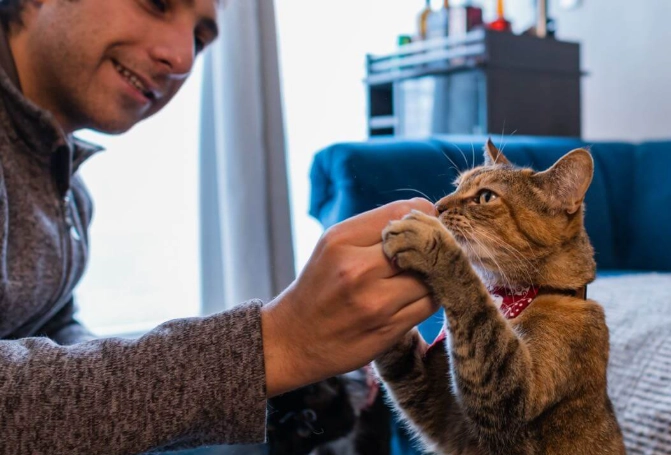
Your Questions, Answered
The Heart of the Matter
So, we've circled back to where we started. At what age is it too late to train a cat? I hope by now you see the question itself is flawed. It presupposes an endpoint that doesn't exist.
Training isn't a chore you inflict on a cat. It's a conversation. It's a way of building a shared language with a creature we love but often misunderstand. It's about saying, "I see what you need, and I can help you get it in a way that works for both of us."
An older cat may learn more slowly than a kitten. They may have physical limitations you need to work around. Their motivations will be different (more about comfort, less about crazy play). But their capacity to learn, to form new associations, and to deepen their bond with you remains until the very end.
Final Checklist Before You Start
- Vet Check: Especially for cats over 7. Rule out medical causes for any problem behavior.
- Find the "Yes!" Treat: Experiment to discover the food your cat would do backflips for.
- Define One Goal: Don't try to fix the litter box, scratching, and yowling all at once. Pick one. Master it. Celebrate.
- Grab a Marker: A clicker or a dedicated verbal cue like "Yes!"
- Commit to Patience: Measure progress in weeks, not days. Some days will feel like a step backward. That's normal.
Throw out the calendar.
Your cat, whether a sprightly 3-year-old or a serene 15-year-old, is ready to learn with you. The journey might look a little different, but the destination—a happier, more harmonious life together—is absolutely the same. The best day to start training your cat was the day you brought them home. The second-best day is today.





Join the Conversation