If your cat seems to produce an ocean of urine every day, you know the struggle. The litter box is a swamp by noon, the smell lingers no matter what you do, and you're going through bags of litter like they're free samples. The wrong litter makes this problem a nightmare. The right one? It changes everything. After years of fostering cats with various health and behavioral issues, and testing more litters than I care to admit, I've learned that the "best" litter for a heavy wetter isn't about marketing—it's about physics and feline psychology. Let's cut through the hype.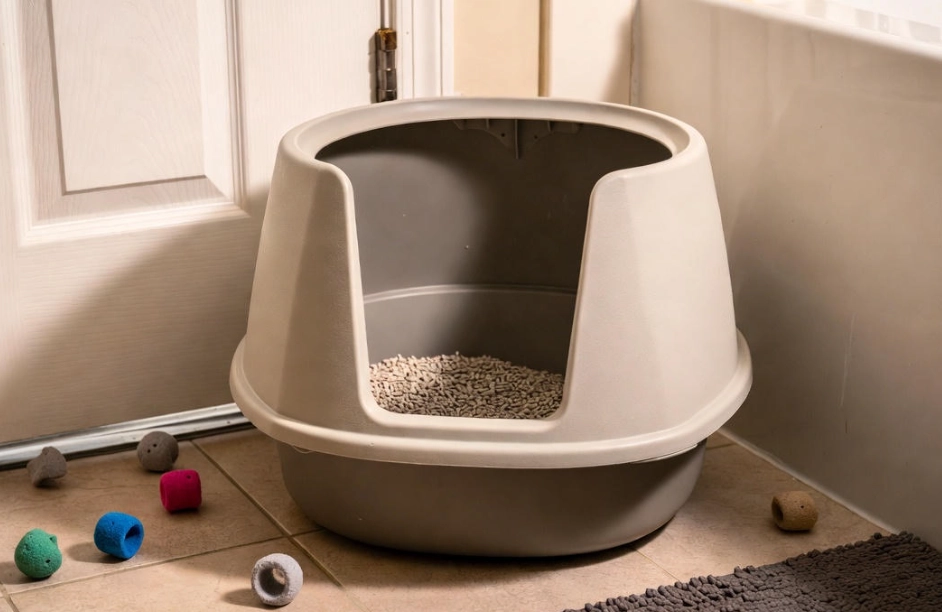
What's Inside This Guide
What Makes a Litter "Good" for High-Volume Pee?
Forget generic reviews. For a cat that pees a lot, three non-negotiable features separate the heroes from the zeros.
Absorbency Speed is King
This is the most overlooked factor. A high-volume pee stream needs to be instantly absorbed. If the liquid sits on the surface even for a few seconds, it pools, spreads, and creates a sticky, smelly mess at the bottom of the box. Think of it like a paper towel test—the best litter acts like a premium, thick paper towel, not a cheap, thin one that just pushes liquid around. Clumping bentonite clay is famous for this, but some premium plant-based litters (like those made from corn or wheat) have caught up remarkably well.
Clump Hardness and Integrity
A soft, crumbly clump is your enemy. When you scoop, it disintegrates, leaving behind wet, contaminated granules that fuel ammonia smells. A hard, solid clump lifts out cleanly, leaving the rest of the litter dry. The weight of the urine matters here. A large, heavy clump needs superior binding agents to hold its form from the moment it's formed until it hits your trash bag. Many lightweight litters fail spectacularly here—they form a shell around a soggy interior that collapses when scooped.
Odor Control at the Molecular Level
Surface perfumes and masking scents are a band-aid, and many cats hate them. Real odor control for heavy pee means trapping the ammonia molecules before they become airborne. This is where materials like activated carbon, baking soda (sodium bicarbonate), or specific plant enzymes come in. They neutralize odors chemically, not just cosmetically. The Cornell Feline Health Center notes that ammonia from urine can be irritating to both cats and humans, making this a health and comfort issue, not just a nuisance.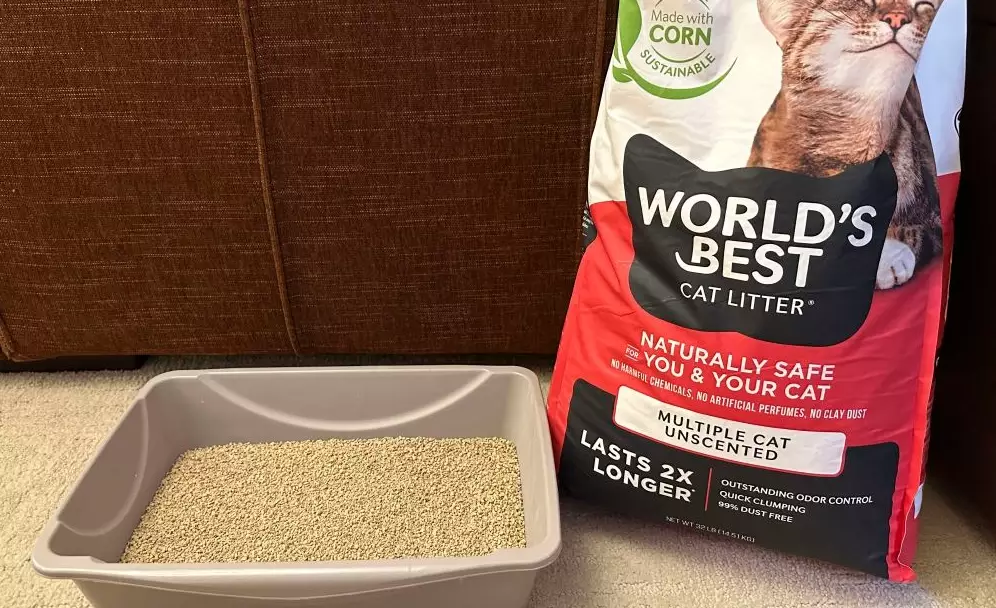
Top Litter Types for Heavy Wetters: A Head-to-Head
Let's break down the main contenders. I've ranked them based on the core criteria for managing large amounts of urine.
| Litter Type | Absorbency Speed | Clump Hardness | Odor Control (Neutralization) | Biggest Drawback for Heavy Wetters |
|---|---|---|---|---|
| Premium Clumping Clay | Excellent. The gold standard for fast liquid capture. | Very Good to Excellent. Forms dense, heavy clumps. | Good (if with baking soda/carbon). Relies on additives. | Dust (can be high), weight, tracking. Some cats dislike texture. |
| Silica Gel Crystals | Excellent, but different. Absorbs slowly into beads, leaving surface dry. | Does not clump. You scoop solid waste and stir crystals. | Superior. Silica is highly effective at trapping odor molecules. | No clumping means urine spreads. Can be expensive for multi-cat/heavy use. Some cats find texture odd. |
| Plant-Based (Corn, Wheat, Pine) | Good to Very Good. Modern versions have improved dramatically. | Variable. Can be crumbly if low-quality. Premium brands form firm clumps. | Natural enzymes in corn/wheat offer good inherent control. Pine has a masking scent. | Can attract bugs if stored poorly. Some turn to mush with too much liquid. Biodegradability is a pro for disposal. |
| Lightweight Clay/Clay Alternatives | Fair to Good. Often less dense, so absorption can be slower. | Often Poor. Famous for forming "shells" that hide wet slush inside. | Fair. Usually relies on perfumes. | This is the worst category for heavy wetters, in my experience. The clump failure rate is high. |
My personal workhorse for years was a premium, unscented clumping clay litter with added baking soda. It handled the sheer volume from my former foster, a large male with a tiny bladder, better than anything else. The clumps were rock-solid. But the dust was a real issue. I've since switched to a high-quality, clumping corn litter for my current cats. The absorbency is nearly as good, the dust is minimal, and the clumps, while slightly lighter, hold together if I'm careful with the scoop. It's a trade-off I'm willing to make for better air quality.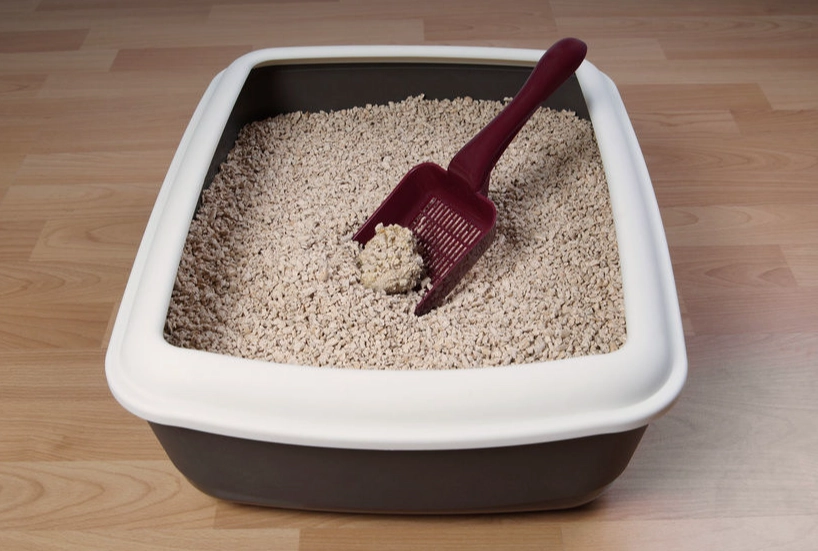
How to Choose the Right Litter for Your Heavy-Wetting Cat
Don't just grab the top-reviewed bag. Match the litter to your specific situation.
- For Multiple Cats That Pee a Lot: You need durability and superior odor control. A premium clumping clay or a high-capacity silica crystal litter is often the best starting point. The investment pays off. The American Association of Feline Practitioners recommends one box per cat plus one extra, so with heavy wetters, that formula is law, not a suggestion.
- For Senior Cats or Cats with Mobility Issues: They often pee larger volumes less frequently. Easy entry/exit of the box is key, but so is a litter that won't stick to their paws or fur. A fine-grained, soft clumping litter or smooth crystals can be better than coarse pellets.
- If Dust is a Major Concern (asthma, allergies): Look to low-dust plant-based litters (corn, wheat) or paper-based litters. Note: paper litter is generally terrible for heavy pee—it's a last resort for this specific need.
- The Budget-Friendly, High-Performance Mix: This is a pro tip few talk about. Use a layer of inexpensive, non-clumping, highly absorbent litter (like a basic pine pellet) at the very bottom of a deep box. Then, put 2-3 inches of your preferred clumping litter on top. The bottom layer acts as a backup absorbent pad for any liquid that makes it through the clumping layer, extending the life of the good stuff. It works.
Beyond the Litter: Critical Setup Tips Everyone Misses
You can buy the best litter for cats that pee a lot and still fail if your setup is wrong. Here’s what most guides don’t tell you.
The Box Itself is 50% of the Battle. A box that’s too small is a disaster. The urine saturates one spot instantly. Get the largest, deepest box you can fit. I’m talking about concrete mixing trays from the hardware store or extra-large, high-sided boxes. Depth is your friend. You need at least 3-4 inches of litter depth to properly form a clump that doesn’t stick to the bottom.
Scooping Technique Matters. If you dig and scrape the bottom of the pan, you break up clumps and mix wet and dry litter. Slide the scoop in horizontally, lift the intact clump out gently, and let the dry litter sift through. Be patient. A good litter will allow this.
The Location Can Make or Break You. If the box is in a dark, damp basement corner, odors will amplify. Place it in a well-ventilated area (but not next to a noisy appliance). Consider an air purifier with a carbon filter nearby—it’s a game-changer for overall air quality.
Your Burning Questions Answered (FAQ)
 The litter smells like ammonia almost immediately, even after scooping. What's going wrong?


Join the Conversation