Getting a reptile heat lamp seems straightforward. You buy a bulb, screw it in, and your pet gets warm. Right? If you've ever watched your bearded dragon sit in a cold corner all day or your leopard gecko refuse food, you know it's not that simple. I've kept reptiles for over a decade, and the number one mistake I see—even from experienced keepers—is treating heat as a single, uniform commodity. It's not. The right heat lamp setup is about replicating a slice of the wild in your living room, and that requires understanding light, temperature, and your animal's instinctive needs.
This guide cuts through the noise. We'll move past basic product descriptions and into the practical, often overlooked details that separate a thriving reptile from a merely surviving one.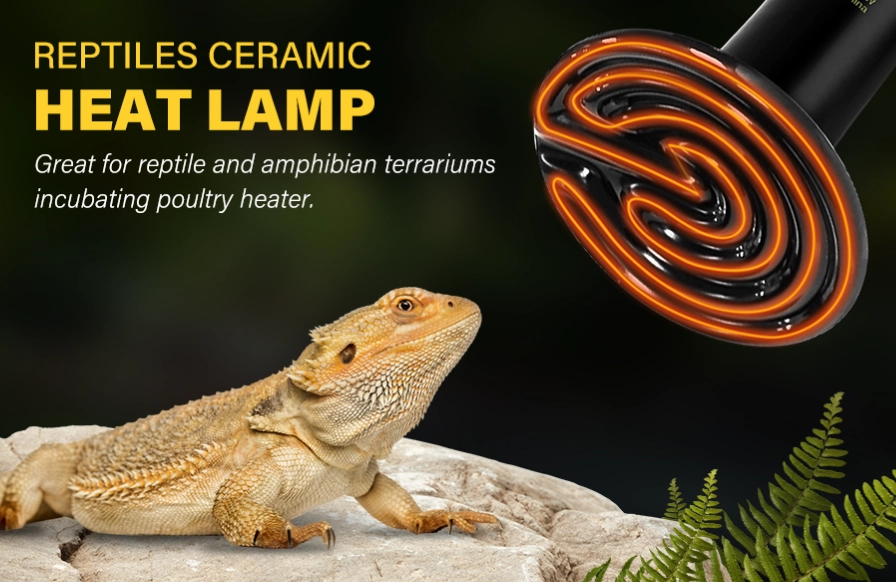
What's Inside This Guide
Heat Lamp Types Demystified: More Than Just a Bright Idea
Walk into a pet store, and the bulb aisle is overwhelming. Incandescent, halogen, ceramic, mercury vapor, deep heat projector. It's a jargon salad. Let's break down what each actually does for your reptile.
The Workhorses: Incandescent & Halogen Heat Lamps
These are your standard basking bulbs. They produce both visible light and infrared heat. Halogens are generally more efficient and longer-lasting than traditional incandescents. The key here is they create a concentrated hotspot perfect for diurnal (day-active) species like bearded dragons, uromastyx, and many tortoises. They need to be paired with a separate UVB light source for species that require it.
I prefer halogens for most basking applications. They seem to produce a more penetrating heat. But they run hot—always use a ceramic socket lamp fixture, never plastic.
The Night Shift: Ceramic Heat Emitters (CHEs)
A ceramic heat emitter produces pure heat with zero light. This is non-negotiable for heating the enclosure of a nocturnal reptile, like a leopard gecko or a crested gecko, during a 24-hour cycle. Using a light-emitting bulb at night disrupts their sleep cycle and causes stress.
The All-in-Ones: Mercury Vapor Bulbs (MVBs)
These bulbs produce heat, visible light, and UVB all from one source. They sound perfect for desert species. And they can be, but with major caveats. Their UVB output is intense and degrades over time, requiring replacement every 6-12 months regardless of whether the bulb looks burnt out. They also must be hung at a very specific distance (check the manufacturer's sheet!), and that distance often conflicts with creating the ideal basking surface temperature.
I'm cautious with MVBs. For a large, tall enclosure where you can precisely control the height, they're an option. For a standard 4x2x2 foot bearded dragon tank, I usually recommend separate, dedicated heat and UVB fixtures. It gives you more control.
The New Kid: Deep Heat Projectors (DHPs)
Deep Heat Projectors are a fascinating technology. They emit infrared in a spectrum that more closely mimics the sun's warmth, penetrating deeper into muscle tissue than traditional bulbs. They produce a gentle, radiant heat with only a faint red glow, making them suitable for some crepuscular or nocturnal viewing. They're excellent for providing background heat or a gentle basking spot for species that don't need a blazing sun-like lamp.
They're expensive, and they absolutely require a dimming thermostat. Don't even think of plugging one directly into the wall.
| Bulb Type | Best For | Heat Output | Light Output | Critical Need |
|---|---|---|---|---|
| Incandescent/Halogen | Daytime basking for desert reptiles (Bearded Dragons, Tortoises) | Concentrated hotspot | Bright white light | Separate UVB light source |
| Ceramic Heat Emitter (CHE) | 24-hour heat, night heat for all reptiles, warming humid hides | Ambient, radiant heat | None | Ceramic socket fixture & Thermostat |
| Mercury Vapor Bulb (MVB) | Large enclosures for high-UVB desert species (if distance is perfect) | Strong hotspot + UVB | Bright white light + UVB | Precise hanging height & Timely replacement |
| Deep Heat Projector (DHP) | Species needing penetrating heat, nocturnal viewing, supplemental heat | Deep, penetrating infrared | Faint red glow (low light) | Dimming Thermostat |
How to Choose the Right Wattage (It's Not Guesswork)
"Start with 100 watts and see" is terrible advice. Wattage isn't about the reptile's size; it's about the enclosure's temperature deficit. A 75-watt bulb might be perfect for a bearded dragon in a 40-gallon breeder tank in a warm room but utterly useless for the same animal in a 120-gallon tank in a basement.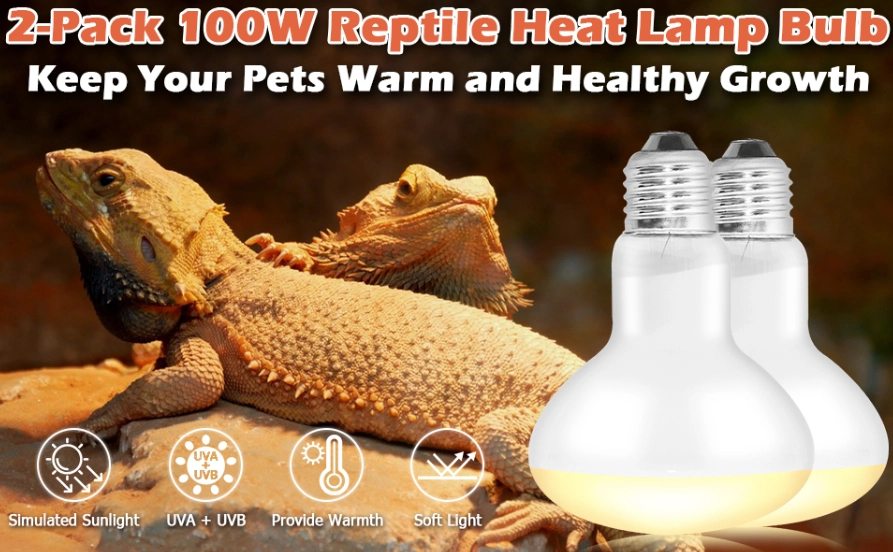
Here's a more reliable method. You need two digital thermometers with probes—one for the basking spot surface, one for the cool side.
Start lower than you think. Buy a 50-watt and a 75-watt halogen bulb. Install the 50-watt in your fixture, set it up at the correct distance (usually 8-12 inches from the basking surface for halogens), and let it run for a few hours. Measure the surface temperature directly under the bulb with the probe. Too cold? Switch to the 75-watt. Still too cold? The issue might be fixture height, room ambient temperature, or you genuinely need a 100-watt. The goal is the lowest wattage that achieves the correct temperature. This is safer, more energy-efficient, and creates a less harsh thermal gradient.
The Step-by-Step Guide to Setting Up a Perfect Temperature Gradient
This is the core of reptile heating. Your pet needs to self-regulate. A gradient means a warm end and a cool end. Let's set up a bearded dragon tank as a case study.
Step 1: Place the Fixture. Your heat lamp fixture goes on one end of the enclosure's mesh top, not the middle. This immediately defines the "warm side."
Step 2: Create the Basking Platform. Under the fixture, place a flat rock, a sturdy piece of driftwood, or a reptile hammock. This is the basking site. Its height should put the reptile's back about 8-10 inches from a halogen bulb (adjust based on your wattage test).
Step 3: Install the Thermostat Probe. This is crucial. For a basking bulb, you use a dimming thermostat (like a Herpstat or Exo Terra Dimming Thermostat). Suspend the thermostat probe on a wire or zip-tie so it hangs 2-3 inches above the basking surface, directly in the heat beam. It measures the air temperature the animal will experience while basking. Set the thermostat to your target basking air temp (e.g., 100-105°F for an adult bearded dragon).
Step 4: Measure the Surface. Now, place one digital thermometer probe directly on the surface of the basking rock. Let everything run for 2-3 hours. The surface temp will be higher than the air temp—this is normal and desirable. For a bearded dragon, you want that rock surface between 105-110°F.
Step 5: Check the Cool Side. Place your second digital thermometer probe in the farthest corner from the heat lamp, on the substrate. This should read between 75-80°F. If it's higher than 82°F, your tank is too small, or the room is too hot. If it's lower than 72°F, you might need a very low-wattage secondary heat source (like a small heat mat on the side wall, regulated by a separate thermostat) or a higher room ambient.
See the difference? We're not just checking one number. We're managing three: basking air temp (thermostat-controlled), basking surface temp, and cool side ambient temp.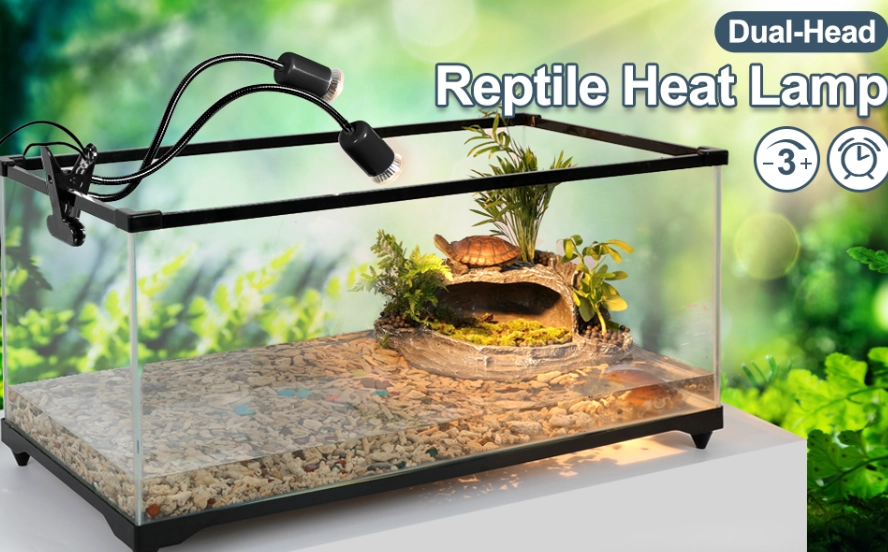
5 Common Heat Lamp Mistakes You're Probably Making
After years in online forums and visiting collections, these errors are almost universal.
1. Using a Red Bulb at Night. The myth that reptiles can't see red light is just that—a myth. Studies and widespread keeper observation show it disrupts their circadian rhythm. For night heat, use a Ceramic Heat Emitter or a Deep Heat Projector. No colored lights.
2. Relying on Stick-on Analog Gauges. Those little round dials with the suction cup are notoriously inaccurate. They measure the air temperature right next to the glass, which is often much cooler or hotter than the actual enclosure environment. Invest in two digital thermometers with probes. It's the single most important upgrade you can make.
3. Putting the Thermostat Probe in the Wrong Place. If you're using an on/off thermostat (common for heat mats) and place the probe on the hot basking surface, the thermostat will shut off the lamp once the rock is hot. But the air the animal breathes while basking will still be cold. The probe goes in the air stream, not on the surface.
4. Forgetting about Fixture Height. A bulb screwed into a deep dome fixture focuses heat. The same bulb in a wide, shallow fixture spreads it out. The fixture itself changes the equation. Always refer to the manufacturer's recommended distances, but verify with your own thermometers.
5. Ignoring Seasonal Changes. The 75-watt bulb that worked perfectly in July might not cut it in January when your house is cooler. Be prepared to swap wattages seasonally, or use a thermostat to automatically compensate.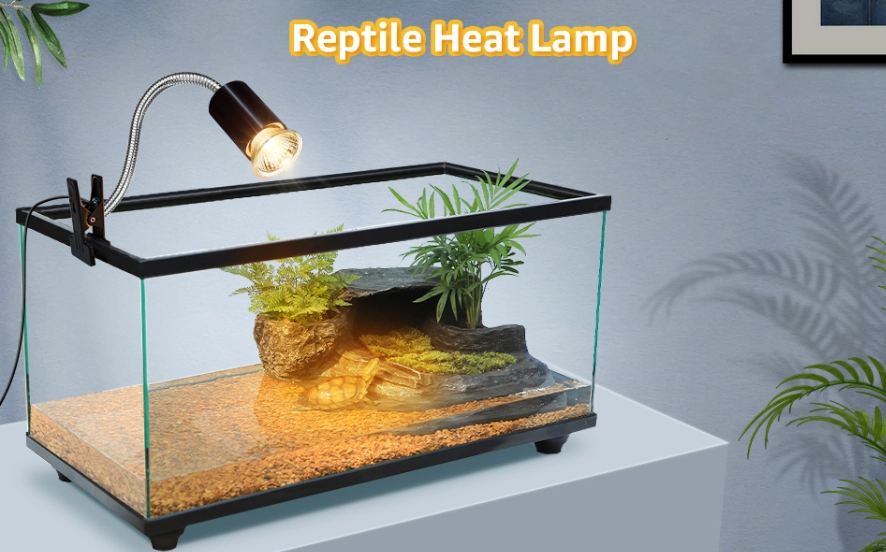
Your Heat Lamp Questions, Answered
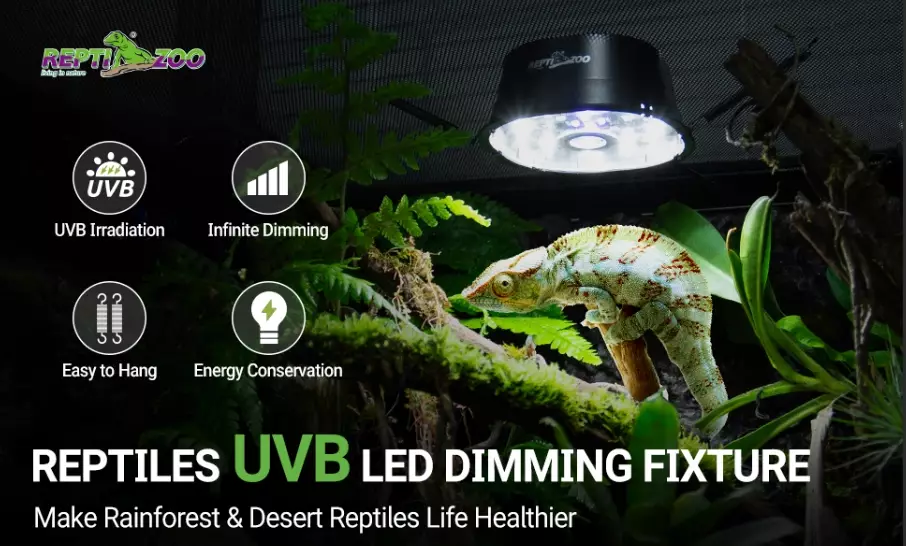 How do I safely provide heat for a tall, arboreal enclosure like for a chameleon?


Join the Conversation