So you're thinking about getting a pet snake. Good choice. They're quiet, clean, and fascinating to watch. But walking into a reptile expo or browsing online listings can be overwhelming. Which snake won't outgrow your apartment? Which one will actually eat when you offer food? I've been keeping snakes for over a decade, and I've helped more than a few friends navigate this exact decision. Let's cut through the noise and talk about what really matters for your first snake.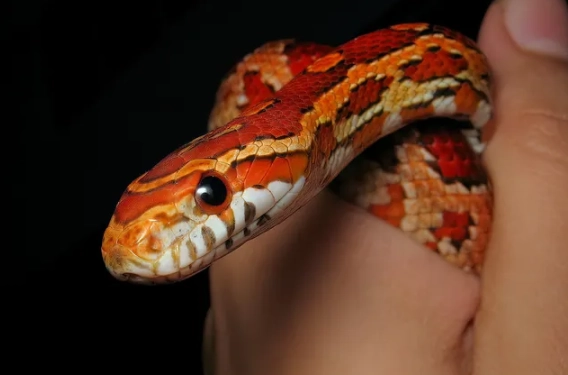
Your Quick Start Guide
Choosing Your First Snake: The 5 Best Starter Species
Forget the flashy, rare morphs for now. A beginner snake needs three things: a manageable size, a reliable feeding response, and a generally calm temperament. Here are the five that consistently deliver, based on my experience and the consensus among reptile keepers.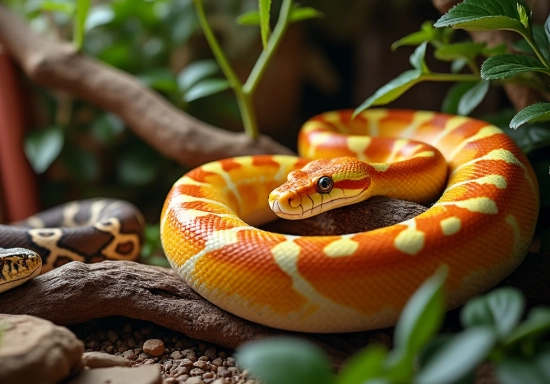
| Snake Species | Adult Size | Temperament | Key Consideration |
|---|---|---|---|
| Corn Snake | 4-5.5 feet | Curious, active, rarely defensive | Escape artists. You need a VERY secure lid. |
| Ball Python | 3-5 feet | Docile, "shy," known to ball up | Can be picky eaters, especially during winter. |
| California Kingsnake | 3-4 feet | Active, bold, great feeders | They will eat other snakes. Strictly solitary housing. |
| Rosy Boa | 2-3.5 feet | Placid, slow-moving, handleable | Slower metabolism. Easily overfed. |
| Western Hognose Snake | 1.5-2.5 feet | Dramatic, full of personality | Some are toad specialists and may need scenting with frog juice. |
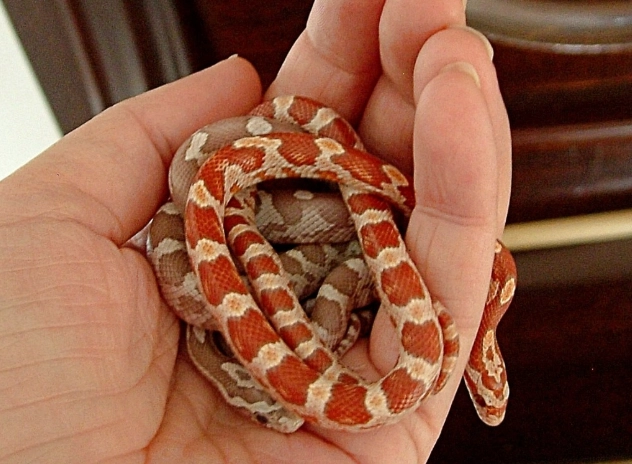
Let's get specific. The Corn Snake is the classic recommendation for a reason. They're like the golden retriever of the snake world—hard to upset and always interested in food. But here's the thing nobody tells you upfront: a young corn snake can fit through a gap the width of a pencil. I learned this the hard way when I found one curled up inside my stereo speaker. A tank with a locking, clipped lid is non-negotiable.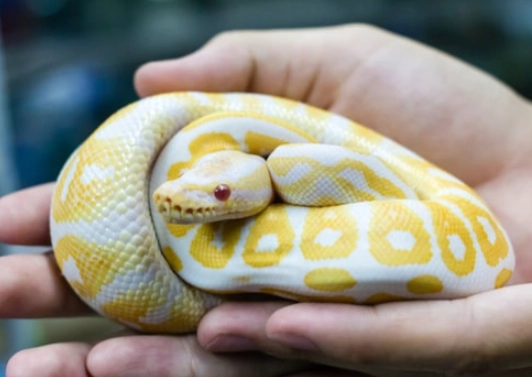
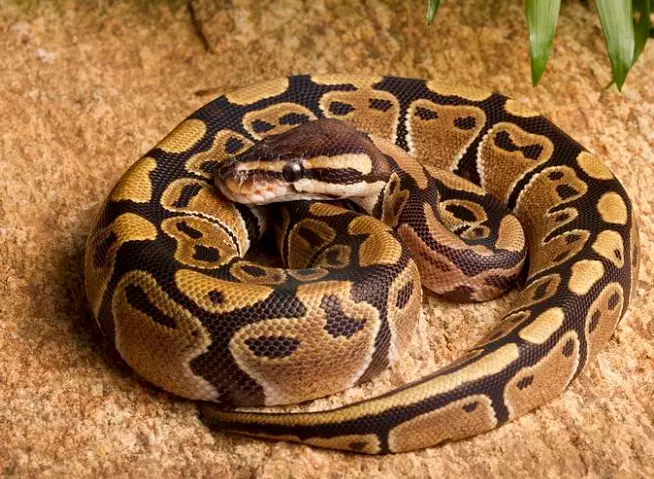
The Ball Python is incredibly popular for their calm demeanor. However, their "shyness" is often misunderstood. A ball python hiding all day isn't necessarily stressed; it's what they do. The real challenge is feeding. A new environment, a change in seasons, or even the wrong rat color can trigger a hunger strike. It's stressful for a new owner. You'll need patience and a reliable source of frozen-thawed rodents.
My personal dark horse recommendation is the Rosy Boa. They stay small, are incredibly gentle, and have a simple, dry habitat setup. They don't have the feeding issues of ball pythons or the escape-artist tendencies of corns. The only downside? They can be a bit harder to find at your local big-box pet store.
How to Set Up the Perfect Snake Enclosure
You can buy the sweetest snake in the world, but if its home is wrong, you'll both have a bad time. This isn't just about a tank and a heat lamp. It's about creating a functional environment where your snake feels secure.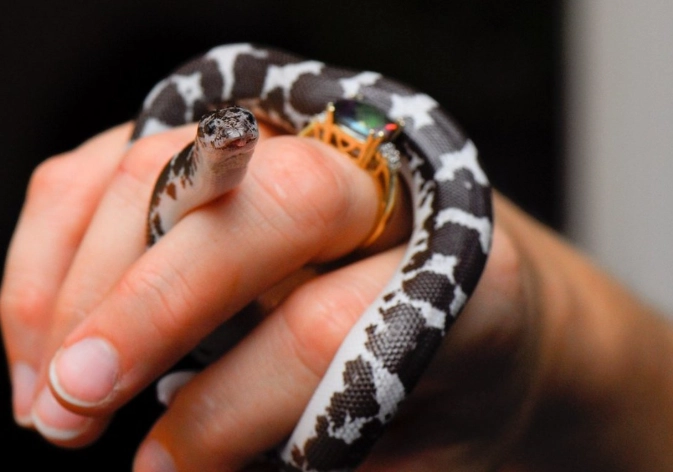
The Must-Have Components (Beyond the Tank)
Heating: Snakes can't regulate their own body temperature. You need to create a thermal gradient. One side warm (the "basking" spot), one side cool. Under-tank heating pads controlled by a thermostat are the most reliable method for beginners. Avoid heat rocks—they cause severe burns. The warm side should be 85-90°F (29-32°C), the cool side around 75-80°F (24-27°C). A digital thermometer with a probe is essential; those little stick-on dials are notoriously inaccurate.
Hiding Spots: This is critical for reducing stress. You need at least two identical hides: one on the warm end, one on the cool end. If the hide on the warm side is "better," your snake might choose security over thermoregulation and get too cold. I use simple, opaque plastic containers with a hole cut in the side. Fancy half-log hides look nice but are too open; snakes feel exposed in them.
Substrate & Humidity: This depends on your snake. For Corn Snakes and Kingsnakes, aspen shavings work well. For Ball Pythons, you need something that holds humidity better, like coconut husk or cypress mulch. A water bowl large enough for the snake to soak in should be on the cool side. Monitor humidity with a hygrometer—Ball Pythons need 50-60%, while Corns are fine at 40-50%.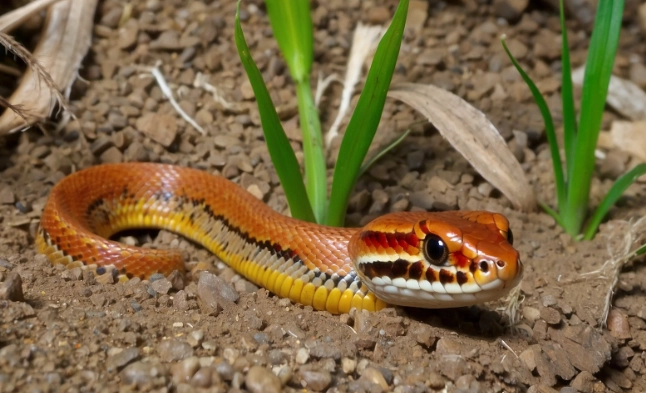
A Common Setup Mistake
The biggest mistake I see? Putting a tiny snake in a massive, wide-open tank. It feels like being a mouse in the middle of a football field—terrifying. Start with an appropriately sized enclosure (a 20-gallon long is great for a young corn or king) and clutter it up. Fake plants, cork bark tubes, extra hides. This gives them cover to move around without feeling seen. You can upgrade the tank size as they grow.
Feeding Your Snake: Solving the #1 Beginner Problem
Feeding is where most new owners hit their first panic button. Let's demystify it.
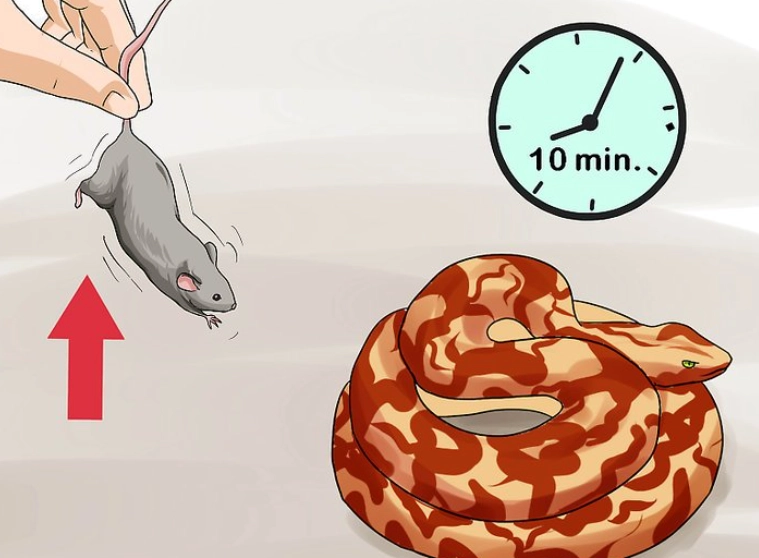
What to feed: Almost all beginner snakes eat frozen-thawed rodents. This is safer than live prey, which can injure your snake. Buy them frozen in bulk from rodent suppliers online—it's far cheaper than the pet store.
How often: A young, growing snake eats every 5-7 days. An adult eats every 10-14 days. Overfeeding is a common issue that leads to obesity, especially in slower-metabolism snakes like Ball Pythons and Rosy Boas. The prey item should be slightly wider than the snake's body at its widest point.
The Process: Thaw the frozen rodent in a plastic bag in warm water. Never use a microwave. Use long feeding tongs to offer it. Some snakes like it dangled, some prefer it left on a flat rock. If your snake refuses, don't panic. Just try again in 5-7 days. Leaving a refused, thawed rodent in the tank is a bad idea—it will rot and create a bacteria hazard.
Safe Handling and Spotting Health Issues Early
Give your new snake at least a week to settle in before you try handling. Start with short, 5-10 minute sessions a couple of times a week. Move confidently and support their body. Don't handle for 48 hours after feeding or during shed.
Spotting illness early is crucial. Here are subtle signs most beginners miss:
- Stargazing: This isn't just looking up. It's a wobbly, corkscrew motion where the snake seems disoriented. It's a serious neurological symptom.
- Wet-looking scales or "mites": Look like tiny black or red pepper flakes moving around, especially under the chin. Isolate the snake and deep-clean the enclosure immediately.
- Persistent rubbing on the nose: Can indicate mites or a respiratory infection starting.
- Regurgitation: Different from vomit. It's a half-digested, smelly rodent. This is an emergency. It means the snake's gut bacteria are off, often from handling too soon after eating, temperatures being too low, or an internal issue.
Find a reptile-savvy vet before you have an emergency. Not all vets see exotics.
Common Beginner Questions Answered
Starting with snakes is a journey. You'll make mistakes—I certainly did. But if you start with the right species, set up a proper home, and learn to read your animal's behavior, you'll be rewarded with a low-maintenance, captivating pet for decades. Do your research, connect with breeders at reptile shows or online forums, and enjoy the process. There's nothing quite like the trust of a snake calmly exploring your hands for the first time.

Join the Conversation