In This Guide
So, you're thinking about getting a corn snake. Or maybe you already have one and you're hitting a wall. Everyone online says they're the "perfect beginner snake," right? Easy to care for, hardy, docile. The pet store guy probably made it sound like owning a pet rock. But then you bring the little guy home, and suddenly you're faced with a frozen mouse it won't touch, or you're panicking because the humidity gauge is reading 30% and the care sheet said 50%. You start to wonder, what is the biggest trouble with corn snakes as pets?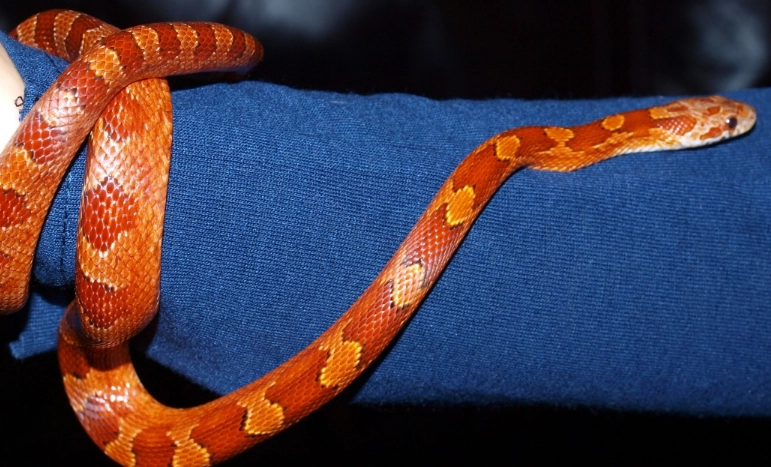
Here's the thing. After keeping reptiles for over a decade and talking to countless other owners, I've come to a conclusion. The single biggest trouble isn't one specific thing like feeding or escapes—though those are huge contenders. It's the disconnect between expectation and reality. The trouble sprouts from the myth of the "easy" pet, which leads to underprepared owners. When you dig into forums or Reddit threads, the real pain points emerge from this gap. People expect low maintenance, but they get a living creature with specific, non-negotiable needs. That expectation gap is where frustration lives.
Top Contenders: The Usual Suspects for Corn Snake Trouble
If we have to pin down specific, tangible problems—and we should—a few issues consistently rise to the top. Ask any long-time keeper, "What is the biggest trouble with corn snakes as pets?" and you'll get a mix of these answers. They're all interconnected, really.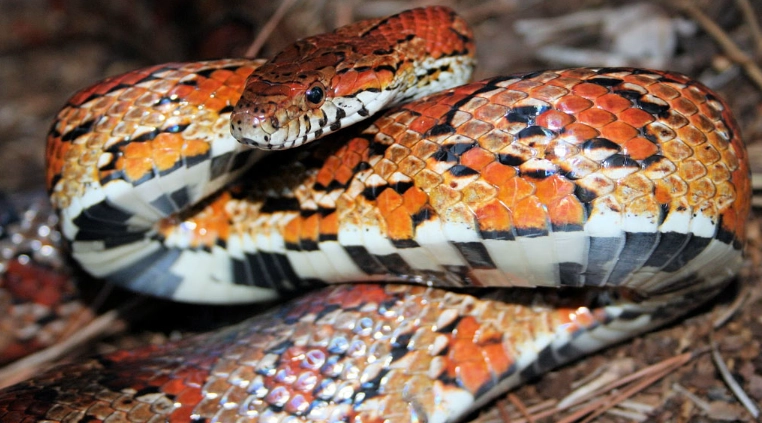
The Feeding Headache: It's Not Always a Slam Dunk
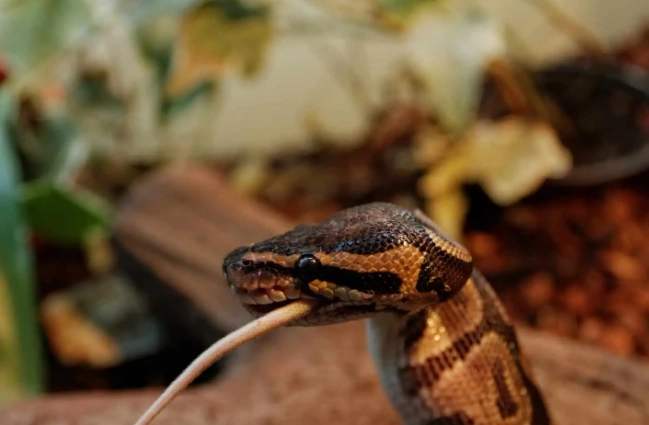
This is probably the number one source of panic for new owners. You dangle that thawed mouse, and your snake just stares at it. Or worse, strikes and coils but then just… lets it go. A refusal to eat can feel like a personal failure and a major crisis.
It's not just refusal, though. The whole process can be a hassle. Sourcing and storing frozen rodents isn't exactly like filling a dog bowl with kibble. You need a dedicated freezer (trust me, your roommate won't appreciate sharing), you have to thaw them safely (never microwave!), and some people just get squeamish. Then there's the risk of regurgitation if you handle the snake too soon after a meal, which is a whole other stressful event.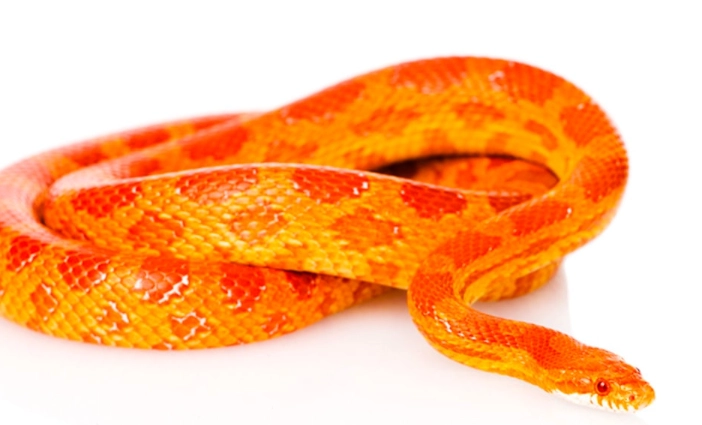
Common feeding troubles include:
- Seasonal fasting: Especially in mature males during breeding season (fall/spring). They can go months. It's normal, but terrifying if you don't know.
- Shedding: Many snakes won't eat while in "blue" (the opaque phase before shedding).
- Incorrect prey size or temperature: A mouse that's too big or thawed with hot water (which cooks it slightly) can be refused.
- Stress from improper housing: No snug hides, too much open space, or excessive handling can shut down their appetite.
So, is feeding the answer to what is the biggest trouble with corn snakes as pets? For acute, panic-inducing moments, absolutely yes.
The Great Escape: Houdini in a Scalesuit
Corn snakes are escape artists of legendary status. They are slender, strong for their size, and incredibly curious. If there is a gap, a loose lid, a vent hole just a millimeter too wide, they will find it. I've heard stories of snakes escaping into couch springs, wall cavities, and even reappearing in a neighbor's apartment months later.
This is a massive trouble point because it combines potential pet loss with household disruption and sheer worry. Losing a snake in your home is emotionally draining. You're constantly listening for rustles, laying out flour traps, and worrying about them getting hurt or dehydrated.
The fear of escape also influences how people set up tanks. They might avoid complex, enriching clutter for fear of creating too many hiding spots if the snake gets out. It's a constant low-grade anxiety for some owners.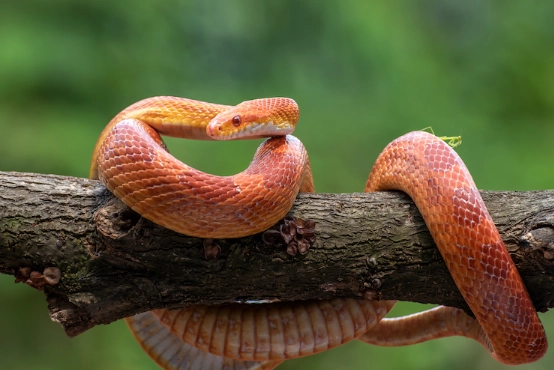
The Setup Balancing Act: It's a Microclimate, Not a Box
This is the silent, chronic trouble. You can't just throw a snake in a tub with a heat lamp and call it a day. Corn snakes need a thermal gradient: a warm side and a cool side so they can regulate their body temperature. They need specific humidity levels, especially when shedding (40-50% normally, spiking to 60-70% during shed). Getting this wrong leads to a cascade of problems: incomplete sheds (dysecdysis), respiratory infections, regurgitation, and stress.
New owners often cheap out on thermostats. This is a catastrophic error. An unregulated heat mat or bulb can literally cook your snake. A proper thermostat is non-negotiable, yet it's often omitted from "beginner setup" lists to keep the price down. That's irresponsible, in my opinion.
Here’s a quick-reference table for the non-negotiable setup parameters that, if ignored, become major trouble:
| Parameter | Ideal Range | What Happens If It's Wrong | Essential Tool |
|---|---|---|---|
| Warm Side Temperature | 85-88°F (29-31°C) | Too cold: poor digestion, lethargy. Too hot: burns, stress, death. | Digital thermometer + Thermostat |
| Cool Side Temperature | 70-75°F (21-24°C) | No cool retreat leads to chronic stress and overheating. | Digital thermometer |
| Ambient Humidity | 40-50% | Too low: stuck sheds, dehydration. Too high: scale rot, mold, RI. | Digital hygrometer |
| Shedding Humidity | 60-70% | Incomplete sheds can constrict toes and tail tips, leading to loss. | Humid hide box |
| Security | Multiple snug hides | Exposed snake = stressed snake = feeding refusal, illness. | At least 2 identical hides |
See? It's not just one thing. It's a system. Mess up one part, and the whole animal suffers. This ongoing management is what many find to be the biggest trouble with corn snakes as pets—the constant monitoring and tweaking.
The Long Haul: A 15-20 Year Commitment
This trouble sneaks up on people. You get a cute little 20-inch noodle. It's manageable. Fast forward eight years, and you have a vibrant, active 4-5 foot serpent that still needs feeding, cleaning, and attention. Life circumstances change: you go to college, move apartments, start a family. Rehoming a large reptile is vastly harder than rehoming a kitten.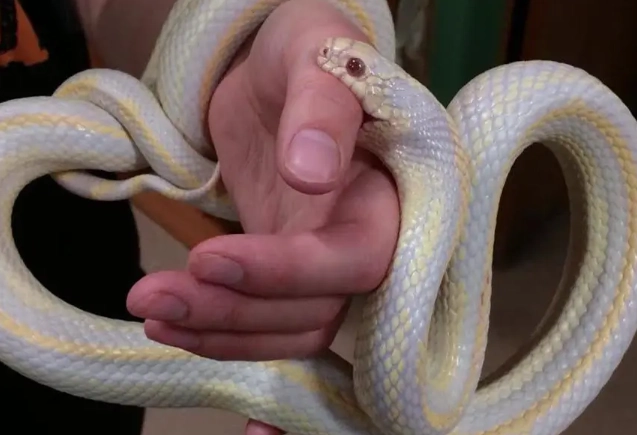
That long lifespan means committing to veterinary care, which is specialized and expensive. You can't just go to any vet; you need an exotics or reptile veterinarian. Finding one and budgeting for potential issues (like an egg-binding female or a respiratory infection) is part of the responsibility that often gets glossed over.
So, What IS the Biggest Trouble? Synthesizing the Answer
If I'm forced to pick one overarching answer to "What is the biggest trouble with corn snakes as pets?" I'd frame it like this:
The biggest trouble is the assumption that their care is simplistic, leading to owners being unprepared for the nuanced, long-term, and sometimes frustrating responsibilities of creating and maintaining a correct captive environment for a cryptic animal.
It manifests most acutely as feeding problems, escape fears, and the technical challenge of the habitat setup. The snake itself is not troublesome—it's just being a snake. The trouble arises from our human misconceptions.
From Trouble to Triumph: Practical Solutions for Each Challenge
Taming the Feeding Beast
- Don't Panic at the First Refusal. Adults can go months safely. For a new snake, give it a full week to settle in with no handling before even offering food.
- Master the Prey Presentation. Thaw in cold water or the fridge, then warm in hot water (not touching the prey). Dry it thoroughly. Use tongs and offer with a slight wiggle near the snake's head. Sometimes leaving it on a small dish in the enclosure overnight works for shy individuals.
- Check Your Husbandry First. If refusals become a pattern, triple-check your temperatures and hides before anything else. Stress is the #1 cause.
- Consult Resources. Sites like Reptiles Magazine have extensive archives on feeding techniques and troubleshooting.
Building Fort Knox: Escape-Proofing Your Enclosure
- Invest in a Proper Enclosure. Front-opening PVC or glass terrariums with locking latches are worth every penny. Screen-top aquariums need at least four sturdy lid clips (not just the flimsy ones that come with the tank).
- Seal Every Gap. Run your finger around the entire lid and door seals. If you feel a draft or any flexibility, it's a potential exit. Use aquarium-safe silicone to seal small gaps in DIY enclosures.
- Mind the Furniture. Ensure any décor (like background foam) is securely glued and can't be pushed aside to create a gap.
Mastering the Microclimate
- Buy the Right Gear First. Do not buy the snake until you have a complete, cycled setup: enclosure, under-tank heater or overhead heat, a thermostat (like a Hydrofarm or Herpstat), two digital thermometer/hygrometers (one for each end), two hides, a water bowl, and substrate.
- Forget the Analog Dials. Those little plastic gauge things are notoriously inaccurate. Digital probes are cheap and reliable.
- Create a Humid Hide. A simple tupperware with a hole cut in the lid, filled with damp (not wet) sphagnum moss, is a lifesaver during shed cycles. Place it on the warm side.
- Follow Regulations. Be aware of local laws. In some places, keeping native species like corn snakes (which are native to the southeastern US) may have specific regulations. It's always good to check general wildlife resource pages, like those from the U.S. Fish and Wildlife Service, to understand the broader context of wildlife possession, though specific permits are usually state-level.
Answering Your Next Questions (The FAQ You Actually Need)
Let's tackle some of those related searches that pop up when someone is digging into this topic.
Are corn snakes good for beginners?
Yes, but with a giant asterisk. They are good for prepared, patient, and committed beginners who are willing to invest in proper setup and research. They are terrible for beginners who want a hands-off, interactive, or "easy" pet. A beginner who does their homework will do fine. A beginner who wings it will have trouble—which brings us right back to our core question.
What do I wish I knew before getting a corn snake?
I wish I knew how much I'd worry about the humidity. I wish I knew how long a hunger strike could really last without it being an emergency. I wish I knew that "handling tolerance" varies wildly by individual—some become puppy-dog tame, others remain flighty their whole lives. I also wish I'd budgeted more for the initial setup; the snake is the cheapest part.
Can corn snakes be handled often?
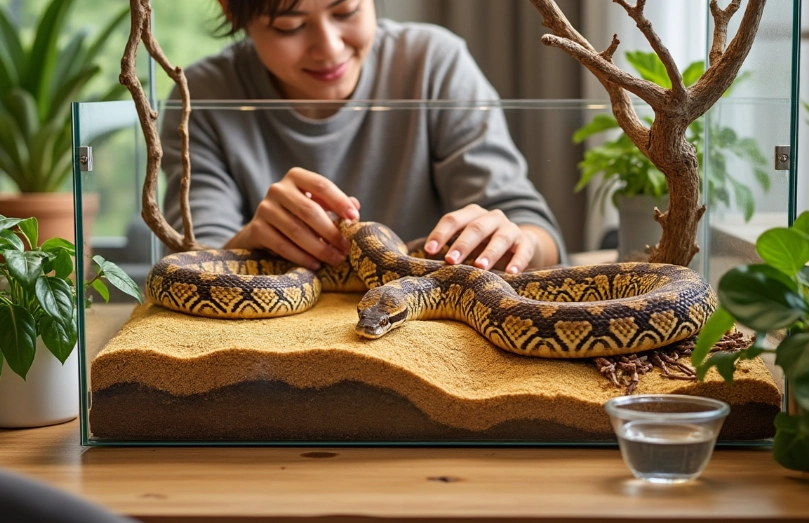
They can be handled regularly, but not excessively. Once settled (48+ hours after a successful meal), short sessions 2-3 times a week are fine. But they are not cuddly pets. Handling is for your enjoyment, not theirs. Always support their body fully and move calmly. If they become stressed (rapid tail vibrations, trying to flee constantly), put them back.
Are they dangerous or venomous?
Corn snakes are non-venomous constrictors. They pose no venom danger. A bite from a hatchling feels like a pinprick; from a large adult, it's a series of shallow punctures that bleed a bit but are not medically significant. The main risk is infection, so clean any bite well. Their real "danger" is escaping and getting lost or injured.
Wrapping this up, the phrase "biggest trouble" is subjective. For the anxious owner, it's the refusal to eat. For the forgetful one, it's the escape. For the detail-oriented person, it's nailing the perfect humidity.
But if you take away one thing, let it be this: respect the animal's needs. Do the research, buy the right gear, and understand that you're keeping a wild creature in a box. Your job is to make that box as perfect as possible. When you do that, the "troubles" melt away, and you're left with the genuine joy of watching a beautiful, secretive animal thrive under your care. That's the real goal, and it's absolutely achievable.
So, what is the biggest trouble with corn snakes as pets? Ultimately, it's us. But the good news is, we're the ones who can fix it.

Join the Conversation