Bringing home a kitten is pure joy. It's also a massive responsibility that doesn't come with a manual. Most guides give you a generic list, but they miss the rhythm—the crucial when to do what. A kitten's needs change almost weekly. Get the timing wrong, and you might miss critical socialization windows, face litter box issues, or deal with preventable health scares.
I've fostered over fifty kittens in the last decade, from bottle-fed neonates to spicy ferals. The single biggest mistake I see? New owners treating an 8-week-old kitten the same as a 6-month-old adolescent. Their brains, bodies, and needs are worlds apart.
This timeline isn't just a checklist. It's a strategic guide to building a healthy, happy, and well-adjusted cat from day one. We'll walk through it week-by-week and month-by-month, focusing on the actionable steps you need to take at each stage.
Your Quick Guide to This Article
- Before Your Kitten Comes Home: The Setup Phase
- Weeks 1 & 2: Survival & Bonding (The Critical Settling Period)
- Weeks 3 to 8: Exploration & Foundation (The Learning Burst)
- Months 3 to 6: Teenage Time (Boundaries and Energy)
- Months 7 to 12: Young Adulthood (The Final Touches)
- The Timeline Twists: Common Mistakes and How to Avoid Them
- Your Kitten Timeline Questions Answered
Before Your Kitten Comes Home: The Setup Phase
Your work starts before the kitten sets a paw in your house. This prep week prevents chaos and sets the tone for a smooth transition.
Kitten-Proofing Your Home: Get on your hands and knees. See those dangling charger cords? Potential toy (and electrocution hazard). That small gap behind the bookshelf? A perfect hiding spot you'll never reach. Secure windows, hide toxic plants (lilies are deadly), and stash away small objects they could swallow.
The Essential Shopping List: Don't just buy the first cute thing you see.
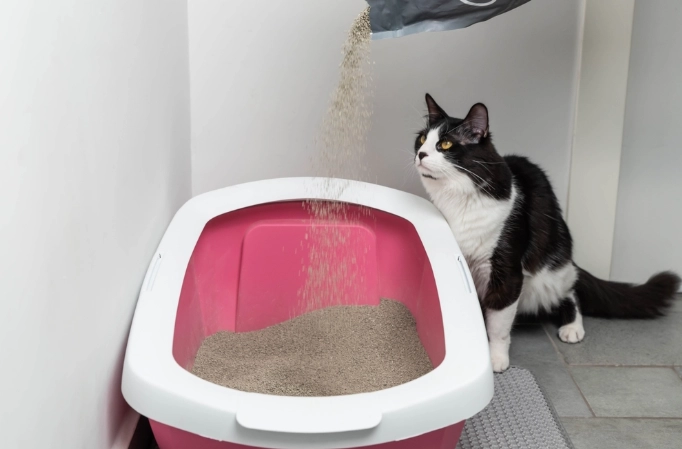
- Litter Box & Litter: Get two shallow boxes (easy to enter). Unscented, clumping litter is the crowd-pleaser. Avoid crystals or heavily perfumed types initially—they can be off-putting.
- Food: Find out what they're currently eating. Sudden switches cause diarrhea. Have a premium kitten food ready (high in protein and fat). You'll need both wet and dry options.
- Carrier: Not for vet trips only. Leave it out with a soft blanket inside. Make it a safe cave, not a prison.
- Scratching Posts: Multiple, in different textures (sisal, carpet). Place them near sleeping areas and common rooms.
- Toys: Wand toys for interactive play, kicker toys for solo bunny-kicking, and a few balls. Avoid string or yarn without supervision.
Designate a single, quiet room (a bathroom or spare bedroom) as their base camp for the first few days. This reduces overwhelm.
Weeks 1 & 2: Survival & Bonding (The Critical Settling Period)
This is about trust, not training. Your kitten is in a strange new world without its mother or littermates. The goal is security.
Day 1: The Arrival. Go straight to the base camp. Open the carrier door and let them come out on their own. Don't pull them out. Sit on the floor, speak softly, and let them sniff you. Offer water and a little food, but don't be surprised if they don't eat much. Show them the litter box by gently placing them in it.
I brought home a terrified tabby named Mochi who hid under the toilet for six hours. I just sat in the bathroom reading a book, ignoring her. Eventually, curiosity beat fear.
The First 72 Hours: Limit handling to essential care. Visit frequently for short, calm sessions. Use meal times to your advantage—hand-feed a few kibbles or sit nearby while they eat from a bowl. This builds a positive association: your presence = good things (food).
Pro Tip: Use a soft-bristled toothbrush to gently stroke their forehead and cheeks. This mimics a mother cat's grooming and can have an incredibly calming effect on scared kittens.
Vet Visit #1 (Within the First Week): Even if the shelter or breeder says they're healthy, get a baseline checkup. This visit typically includes a physical exam, a fecal test for parasites, and a discussion about your kitten vaccination schedule. The first FVRCP vaccine (for panleukopenia, calicivirus, rhinotracheitis) is usually given around 6-8 weeks, with boosters every 3-4 weeks until 16 weeks old.
Weeks 3 to 8: Exploration & Foundation (The Learning Burst)
If weeks 1-2 were about feeling safe, weeks 3-8 are about learning the rules of their new universe. This is the prime socialization window.
Gradually Expand Territory: After a few days in base camp, open the door and let them explore the next room under supervision. Keep other pets separated for now. Supervise all interactions.
Litter Box Mastery: Kittens usually have this down, but keep boxes immaculately clean. If they have an accident, don't scold. Just clean the area with an enzymatic cleaner (like Nature's Miracle) and put the waste in the litter box to show them where it goes.
Play is the Work of Kittens: This is how they learn hunting skills and bite inhibition. Use wand toys to let them chase and pounce. If they bite your hands or ankles, let out a high-pitched "ouch!" and immediately stop playing. Walk away. They learn that biting skin = fun ends.
Introduce Handling: Gently handle their paws (future nail trims), ears (future cleaning), and mouth (future tooth brushing). Make it quick and pair it with a treat. This pays off massively later.
Vet Visit #2 (Around 10-12 Weeks): Second FVRCP booster, possibly the first FeLV (Feline Leukemia) vaccine if they'll be going outdoors or living with a FeLV+ cat. Discuss deworming and flea prevention.
Months 3 to 6: Teenage Time (Boundaries and Energy)
Welcome to the kitten equivalent of a hyperactive toddler. They have endless energy and will test boundaries. Structure is your friend.
The Zoomies Are Real: Schedule multiple intense play sessions (15-20 minutes each) throughout the day. A tired kitten is a well-behaved kitten. I use a laser pointer to get my foster kitten, Leo, running, but I always finish by pointing the laser at a physical toy he can "catch" so he gets the satisfaction of a capture.
Diet Shift: They're growing rapidly. Feed kitten-formulated food 3-4 times a day. Free-feeding dry food is okay for some, but it can lead to obesity. I prefer scheduled meals of wet food with measured dry kibble available for grazing.
Scratching Training: If they scratch the couch, calmly move them to the scratching post and mimic scratching with your own nails. Use catnip or pheromone spray on the post. Never punish.
Vet Visit #3 (Around 14-16 Weeks): Final FVRCP booster, possibly final FeLV booster, and a discussion about spaying or neutering. The American Veterinary Medical Association (AVMA) and the American Association of Feline Practitioners (AAFP) generally recommend sterilizing cats by 5 months to prevent unwanted behaviors and health issues.
| Age | Key Milestones & Tasks | Common Pitfalls to Avoid |
|---|---|---|
| 8-12 Weeks | Prime socialization. Introduce to gentle handling, various sounds (vacuum, doorbell), and safe people. Litter training solidifies. | Keeping them isolated. Missing this window can lead to a fearful adult cat. |
| 3-4 Months | Energy peaks. Establish a solid play-eat-sleep routine. Begin more structured training (e.g., recall with treats). | Using hands as toys (encourages biting). Not providing enough vertical space (cat trees). |
| 5-6 Months | Teething ends. Adult teeth are in. Spay/neuter surgery typically occurs. Transition to adult grooming routines. | Delaying spay/neuter, leading to marking, roaming, or early pregnancy. |
Months 7 to 12: Young Adulthood (The Final Touches)
They look like adults but still have some adolescent goofiness. Your job now is to solidify the habits you've built.
Diet Transition (Around 12 Months): Gradually switch from kitten food to high-quality adult cat food. Do this over 7-10 days to avoid stomach upset.
Annual Vet Visit: Time for a checkup, rabies vaccine (as required by law), and adult booster schedules. Discuss dental care.
Environmental Enrichment: A bored cat is a destructive cat. Rotate toys, introduce puzzle feeders, consider a window perch for bird watching, or even leash training if they're curious.
My cat, Jasper, learned to walk on a harness at 10 months. It took patience, but now he loves exploring the backyard safely. It's not for every cat, but it's worth a try if they show interest.
The Timeline Twists: Common Mistakes and How to Avoid Them
Even with a plan, things go sideways. Here’s where experience talks.
Mistake 1: Rushing the Introduction to Other Pets. That cute "meet-cute" video online is the exception. Introductions should be slow, over days or weeks, using scent swapping and controlled visual access. Forcing a face-to-face meeting on day one can create lasting animosity.
Mistake 2: Punishing Accidents. A kitten doesn't soil outside the box out of spite. It's either a medical issue (UTI), a cleanliness issue (dirty box), a location issue (box is in a scary spot), or a substrate issue (they hate the litter). Punishment only creates fear of you or the box.
Mistake 3: Free-Feeding Low-Quality Food. It's convenient, but it's like letting a kid eat candy all day. It leads to obesity and picky eating. Scheduled meals of wet food are better for hydration and weight control. Resources from the Cornell Feline Health Center consistently emphasize the importance of proper nutrition for long-term health.
The Big One: Ignoring the Socialization Window. The period between 2 and 7 weeks is critical for kittens to learn about the world, but the effects of socialization continue up to about 14 weeks. If a kitten isn't exposed to gentle people, handling, and normal household noises during this time, they may forever be skittish or fearful. This is the most common, irreversible mistake I see in rescue.




Join the Conversation