Your Quick Reptile Care Guide
Let's cut to the chase. If you're asking what's the most low maintenance reptile, the answer isn't one-size-fits-all. But based on years of keeping reptiles and talking to breeders, I'd say leopard geckos often top the list for beginners. They're hardy, don't need fancy lighting, and eat simple foods. But hold on—there's more to it. Your lifestyle matters. Maybe you travel a lot or have limited space. That's why I'll break down the best options, with real numbers and personal hiccups I've faced.
I remember my first reptile, a corn snake. I thought all snakes were high-maintenance, but she proved me wrong. She ate once a week, and her enclosure was a breeze to clean. That experience taught me that low maintenance doesn't mean no maintenance. It means minimal time, cost, and complexity. In this guide, I'll share specifics like upfront costs, weekly time commitments, and even the subtle errors most blogs gloss over.
What Makes a Reptile Low Maintenance?
Low maintenance reptiles aren't just about being cheap or easy. It's a combo of factors that fit busy lives. Think feeding frequency, habitat setup, and health resilience. A reptile that eats daily? That's a no-go for someone working long hours. One needing precise humidity control? Maybe skip if you live in a dry climate.
Here's what I look for:
- Feeding: Infrequent meals, like once a week or less. Insects or pre-killed prey are easier than live rodents for some.
- Habitat: Simple setups—no complex UVB lighting or large water features. A basic terrarium with a heat mat often suffices.
- Handling: Tolerant of occasional interaction without stress. Some reptiles get skittish, but others are chill.
- Health: Hardy species with few common ailments. For example, leopard geckos rarely get respiratory issues if kept dry.
I've seen folks get a bearded dragon because it's popular, only to realize it needs daily veggies and UVB bulbs that cost a fortune. That's not low maintenance. So, let's dive into the top picks.
Top 3 Low Maintenance Reptiles for Beginners
Based on my experience and chats with vets from the Association of Reptile and Amphibian Veterinarians, these three species stand out. I'll give you the nitty-gritty: costs, time, and why they work.
Quick Tip: Always buy from reputable breeders, not pet stores. I learned this the hard way when a store-bought gecko had parasites. It added vet bills and stress.
1. Leopard Gecko
Leopard geckos are my go-to for low maintenance. They're small, docile, and don't need UVB light—just a heat mat under one side of the tank. I've kept one for five years, and she's cost me maybe $300 upfront and $10 a month for food.
Specifics:
- Cost: Initial setup: $200-$400 (for a 20-gallon tank, heat mat, hides). Monthly: $5-$15 for crickets or mealworms.
- Feeding: Every 2-3 days for juveniles, adults every 4-5 days. Dust insects with calcium powder—easy.
- Space: A 20-gallon long tank is perfect. They're ground dwellers, so height doesn't matter.
- Temperature: 88-92°F on the warm side, room temp on the cool side. Use a thermostat to avoid burns.
One thing nobody tells you: leopard geckos can be picky eaters during shedding. Mine refuses food for a day or two, and that's normal. Don't panic.
2. Corn Snake
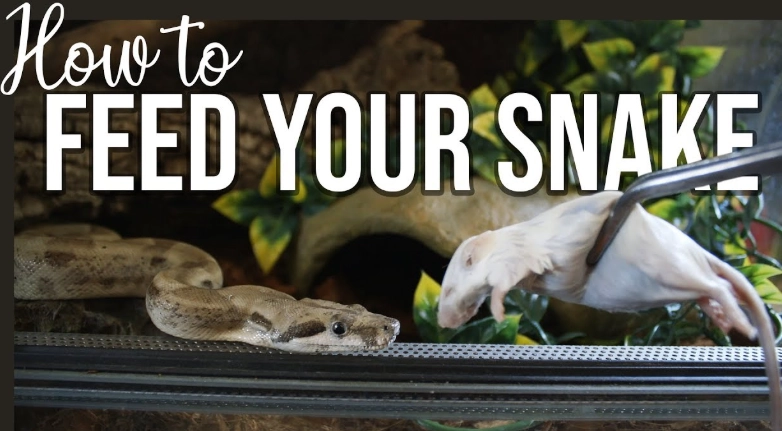
Corn snakes are another winner. They're escape artists, sure, but their care is straightforward. I had one that lived 15 years with minimal fuss. She ate frozen-thawed mice every 7-10 days, and her enclosure cleaning took 20 minutes monthly.
Specifics:
- Cost: Setup: $250-$500 (for a secure 30-gallon tank with locking lid). Monthly: $10-$20 for frozen mice.
- Feeding: Weekly for juveniles, every 10-14 days for adults. Thaw mice in warm water—simple.
- Space: A 30-gallon tank for adults. They like to climb, so add some branches.
- Temperature: 85°F warm side, 75°F cool side. Under-tank heater works fine.
Here's a subtle error: new owners often use heat rocks, which can cause burns. Stick to under-tank heaters. Also, corn snakes are nocturnal, so don't expect daytime activity.
3. Russian Tortoise
If you want something even lower maintenance in terms of feeding, consider a Russian tortoise. They're herbivores, eating leafy greens daily, but their overall care is simple once set up. I helped a friend with one, and after the initial habitat, it's mostly about providing fresh food.
Specifics:
- Cost: Setup: $300-$600 (for a large outdoor pen or indoor enclosure with UVB light). Monthly: $15-$30 for greens.
- Feeding: Daily greens like kale and dandelions. Supplement with calcium twice a week.
- Space: Minimum 4x2 feet for indoors. They do better outdoors in warm climates.
- Temperature: Basking spot at 95°F, ambient around 80°F. UVB lighting is essential for shell health.
The catch? They live decades—up to 50 years. That's a long commitment. But if you're settled, they're low hassle after the startup.
| Reptile | Initial Cost | Monthly Cost | Feeding Frequency | Weekly Time Needed |
|---|---|---|---|---|
| Leopard Gecko | $200-$400 | $5-$15 | Every 4-5 days | 1-2 hours |
| Corn Snake | $250-$500 | $10-$20 | Every 7-14 days | 1 hour |
| Russian Tortoise | $300-$600 | $15-$30 | Daily | 2-3 hours |
This table sums it up. Note: time includes feeding, spot cleaning, and occasional handling. Russian tortoises need more daily time for feeding, but less intensive care otherwise.
How to Care for Low Maintenance Reptiles: A Step-by-Step Guide
So, you've picked a reptile. Now what? Let's walk through the setup. I'll use a leopard gecko as an example, but the principles apply broadly.
Step 1: Choose the Right Enclosure
Get a 20-gallon long tank. Don't go smaller—I tried a 10-gallon once, and the gecko seemed stressed. Add a secure screen top. For substrate, use paper towels or reptile carpet. Avoid sand; it can cause impaction if ingested.
Step 2: Set Up Heating
Place an under-tank heater on one side, covering about one-third of the tank bottom. Connect it to a thermostat set to 90°F. This prevents overheating. No need for overhead lights; leopard geckos are crepuscular and prefer dim light.
Step 3: Add Hides and Decor
Provide at least two hides: one on the warm side, one on the cool side. A moist hide with damp moss helps with shedding. Add some fake plants for enrichment. Keep it simple—no need for expensive decor.
Step 4: Feeding Routine
Feed gut-loaded crickets or mealworms dusted with calcium powder. For juveniles, offer food every 2-3 days; adults every 4-5 days. Remove uneaten insects after 15 minutes to avoid stress.
Step 5: Cleaning and Maintenance
Spot clean daily for waste. Do a full clean every month: remove everything, wash with reptile-safe disinfectant, and replace substrate. This takes about 30 minutes.
I've found that sticking to a schedule reduces effort. Set reminders on your phone for feeding and cleaning.
Common Mistakes New Owners Make
Even with low maintenance reptiles, errors happen. Here are some I've seen or made myself.
Overhandling Too Soon
When I got my first gecko, I wanted to hold it every day. Big mistake. It got stressed and stopped eating. Give them a week to settle in before handling. Start with short, 5-minute sessions.
Skipping Vet Check-ups
Just because they're low maintenance doesn't mean they're invincible. An annual check-up with a reptile vet can catch issues early. I skipped this once, and my snake developed a minor scale rot that cost more to treat later.
Ignoring Humidity Levels
For leopard geckos, low humidity is key—around 30-40%. High humidity can lead to respiratory infections. Use a hygrometer to monitor. I learned this after my gecko had a shedding problem due to dry air; a moist hide fixed it.
Feeding the Wrong Diet
Corn snakes should eat frozen-thawed mice, not live ones. Live prey can injure the snake. Also, avoid feeding insects caught outside—they might have pesticides.
These mistakes are avoidable with a bit of research. But most guides don't emphasize the small details that make a difference.
Frequently Asked Questions About Low Maintenance Reptiles
Wrapping up, the most low maintenance reptile depends on your specific situation. Leopard geckos are a solid start for most beginners, but corn snakes and Russian tortoises have their perks. Focus on setting up correctly from day one—it saves time and stress later. Remember, low maintenance doesn't mean no responsibility; it's about smart choices that fit your life.
If you're still unsure, visit a local reptile expo or talk to breeders. They often share insights you won't find online. I've picked up tips from them that transformed my care routine. Happy pet keeping!




Join the Conversation