Quick Navigation
- Why Would an Adult Cat Need Litter Training Anyway?
- Your Pre-Training Checklist: Setting the Stage for Success
- The Actual Training Process: Patience is Not Just a Virtue, It's a Requirement
- Common Hurdles and How to Jump Them
- Products That Can Help (And Some That Probably Won't)
- When It's More Than Just Training: Signs You Need Professional Help
So you've got an adult cat who seems to have missed the memo on where to do their business. Maybe you just adopted a senior feline from a shelter, or perhaps your once-reliable kitty has suddenly decided the laundry basket is a superior option to their pristine litter box. The frustration is real, and the question burning in your mind is a simple one: can you litter box train an adult cat at this stage?
Let me cut to the chase. The answer is a resounding yes, you absolutely can. But—and this is a big but—it's rarely as straightforward as training a kitten. It requires more detective work, a hefty dose of patience, and an understanding that you're not just teaching a new skill; you're often un-teaching a deeply ingrained habit or addressing an underlying issue. Anyone who tells you it's a quick, three-day fix is selling you a fantasy. I've seen it work, but I've also seen people give up in despair because they weren't prepared for the reality.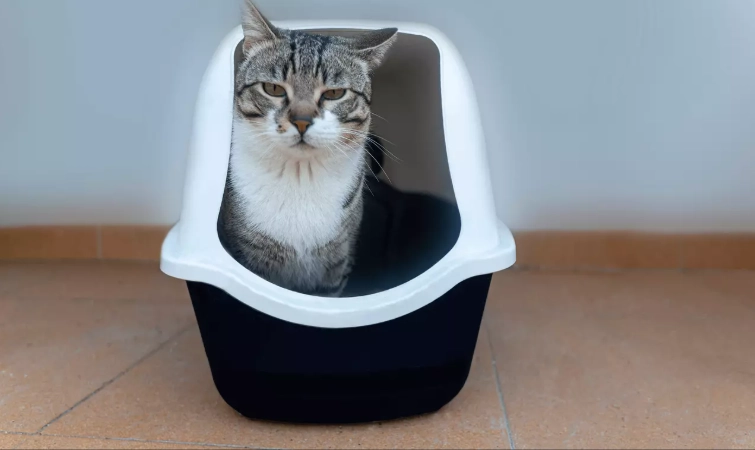
Think about it from the cat's perspective. If they've been going outside their whole life, or using a specific corner of a room for years, that's their normal. To them, you're the one who's confused about bathroom etiquette. Our job is to gently guide them toward a new normal that works for both of you.Can you litter box train an adult cat?
Why Would an Adult Cat Need Litter Training Anyway?
Before we dive into the how, let's figure out the why. Understanding the "why" behind the problem is 80% of the solution. An adult cat avoiding the litter box isn't being spiteful (despite how it feels when you step in a cold puddle). It's communication.
Here are the most common reasons you might find yourself needing to litter box train an adult cat:
- The Newly Adopted Adult Cat: This is a huge one. Maybe they were a stray who only knew the great outdoors. Maybe they came from a hoarding situation with filthy boxes. Their past life didn't include a clean, sandy bathroom.
- The Suddenly Reluctant Cat: This is trickier. A cat who was previously trained but starts having "accidents" is sending a major distress signal. This is rarely a training issue and almost always a medical or environmental one.
- The Life-Changer: A big move, a new baby, a new pet, a change in your work schedule. Cats are creatures of habit, and upheaval can cause even the most fastidious feline to forget their manners.
- The Geriatric Cat: Older cats develop arthritis, vision problems, or cognitive decline. The high-sided litter box they used for years might now be a painful mountain to climb. They might simply forget where the box is.
I remember a friend's cat, Barnaby, a 10-year-old gentleman who started peeing on bath mats. My friend was furious, thinking Barnaby was being a jerk. Turns out, Barnaby had a painful urinary tract infection. The litter box felt like a place of pain, so he associated it with that and sought softer, cooler alternatives. The vet visit fixed the infection, and the problem stopped. It was a stark lesson: always rule out health problems first.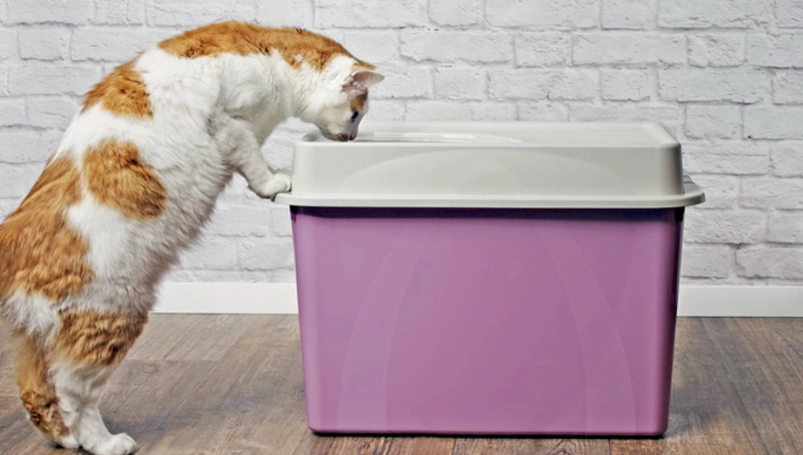
Your Pre-Training Checklist: Setting the Stage for Success
Jumping straight into training without this groundwork is like building a house on sand. You have to get the foundation right. Let's lay it brick by brick.
Step 1: The Non-Negotiable Vet Visit
I cannot stress this enough. If your adult cat is eliminating outside the box, your first call must be to the veterinarian. Period. Conditions like urinary tract infections, bladder stones, kidney disease, diabetes, and arthritis are incredibly common causes of litter box aversion. A cat in pain will avoid the box. It's that simple. Organizations like the Cornell Feline Health Center have extensive resources detailing how medical issues directly impact litter box use. Getting a clean bill of health is the only ethical starting point.
Step 2: The Litter Box Investigation
If the vet gives the all-clear, it's time to play detective with the litter box setup. Most mistakes happen here. The golden rule? One box per cat, plus one extra. So, for one cat, you need two boxes. For two cats, you need three. This isn't luxury; it's preventing territorial stress and providing options.
Now, let's talk about the boxes themselves. Size matters. The box should be at least 1.5 times the length of your cat from nose to tail base. Many commercial boxes are comically small for a full-grown cat. An under-bed storage bin with a hole cut in the side is often a better, cheaper option for a large cat.
Location is critical. Place boxes in quiet, low-traffic, easy-to-access areas with multiple escape routes. Not next to the loud washing machine. Not in a dark, scary basement. Not right next to their food and water (would you want your toilet in your kitchen?). Think about where they've been having accidents—that spot might be appealing to them for a reason (quiet, cornered). Try placing a box there.
Step 3: The Great Litter Debate
Cats have preferences, and they can be pickier than a toddler at dinner. The unscented, fine-grained, clumping clay litter is the most universally accepted. But some cats love the feel of silica crystals, others prefer recycled paper pellets, and some older cats with sore paws might like a softer, dust-free option.
Here’s a quick comparison of common types, based on my own trial-and-error (and error, and error):
| Litter Type | What Cats Often Think | What Humans Often Think | Best For... |
|---|---|---|---|
| Unscented Clumping Clay | "Feels good under my paws, easy to dig." | "Easy to clean, controls odor well." | Most cats, especially when you're unsure of preference. |
| Silica Crystal | "Weird feeling, but very dry and absorbent." | "Lasts forever, great odor control." | Owners who want low maintenance; some cats love it, some hate it. |
| Recycled Paper Pellets | "Soft and quiet, but doesn't clump." | "Dust-free and eco-friendly, but messy." |
The best advice? If you're trying to litter box train an adult cat who's new to you, start with unscented clumping litter in a couple of different box styles placed in different locations. Offer a choice. See what they gravitate toward.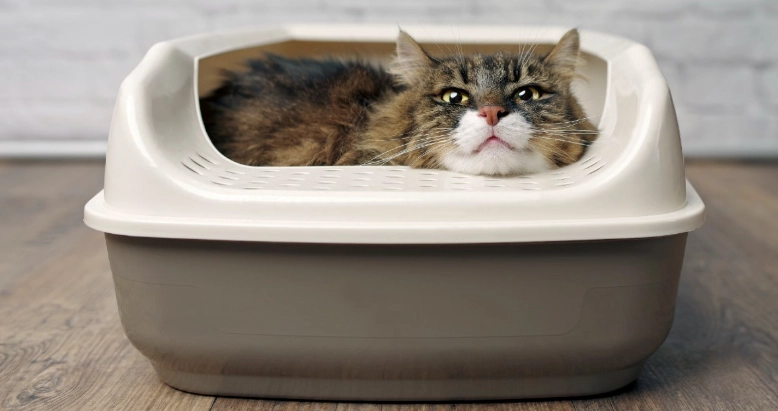
The Actual Training Process: Patience is Not Just a Virtue, It's a Requirement
Okay, the vet visit is done, the boxes are set. Now what? Here's a step-by-step, realistic approach. Throw out any notion of a 24-hour miracle.
Containment is Your Friend (At First)
For a newly adopted adult cat with no litter box experience, start small. Confine them to a single, quiet room (like a spare bedroom or bathroom) with all their essentials: food, water, a cozy bed, a scratching post, and a sparkling clean litter box. This reduces anxiety and makes the litter box an obvious, unmissable choice.
After every meal and nap, gently place them in the litter box. Don't force them, just place them. Let them sniff and hop out if they want. The goal is positive association. If you see them sniffing around or showing pre-elimination signs (crouching, circling), calmly rush them to the box.
Once they are reliably using the box in that room for several days, you can slowly give them access to more of the house. Some people move too fast here. Take it room by room over a week.
Positive Reinforcement is Everything
Cats don't respond well to punishment, but they can be motivated by rewards. When you see them use the litter box correctly, immediately offer a high-value treat, gentle praise, or a favorite petting session. The timing is crucial—the reward must come within seconds so they connect the action with the good thing.
What's a high-value treat? Something they go crazy for that they only get for this purpose. Little bits of cooked chicken, freeze-dried salmon, or a special paste treat. This makes the litter box area a place where wonderful things happen.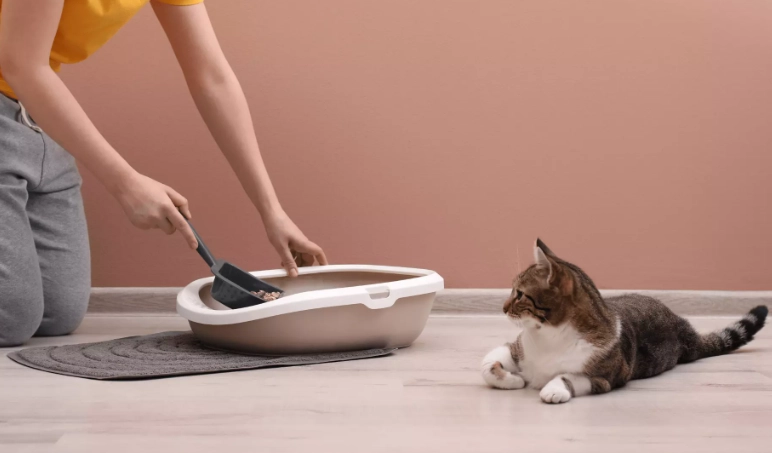
Dealing with Setbacks and Accidents
They will happen. Expect them. When you find an accident, your job is cleanup and analysis, not anger.
- Clean Meticulously: Use that enzymatic cleaner. For carpets, you might need to soak the area. For hard floors, let it sit. Regular cleaners don't break down the uric acid crystals cats leave behind.
- Ask Why: Was the box dirty? Was it in a noisy location? Did you just switch litters? Did a stray cat appear outside the window near the box? Did you forget the "plus one" box rule when you got a new pet? Go back to your detective work.
The process of learning how to litter box train an adult cat is full of these little puzzles. Sometimes the answer is simple (clean the box more!), sometimes it's complex (your cat is stressed by a neighborhood cat).
Common Hurdles and How to Jump Them
Let's tackle some specific scenarios head-on, because generic advice often falls flat here.
"My Cat Pees in the Box but Poops on the Floor Right Next to It."
This is super common and usually points to a box cleanliness issue or a multi-cat issue. Some cats are fastidious and won't pee and poop in the same box if it's even slightly soiled. The solution? More boxes, scooped more frequently. Try a second box placed right next to the first one. Seriously, it often works.
"My Cat Was Trained, Then Suddenly Regressed."
Go back to square one: the vet. Sudden regression in an adult cat is a red flag. After the vet, think about environmental changes. New furniture? New roommate? New air freshener? Cats hate change. The ASPCA's guide to litter box problems has an excellent checklist for environmental stressors. It could also be that the litter brand changed its formula subtly—companies do that sometimes, and cats notice.
"I Have Multiple Cats, and One is Being Bullied Away from the Box."
This is a social dynamic problem. You need to create a safe bathroom experience for the bullied cat. This means:
- Boxes in multiple, separate locations, not all in one room.
- Boxes with clear lines of sight (no covered boxes where a cat can be ambushed).
- Maybe even placing a box in a quiet corner of a room the bully cat rarely visits.
You're not just training a cat to use a box; you're managing feline real estate politics.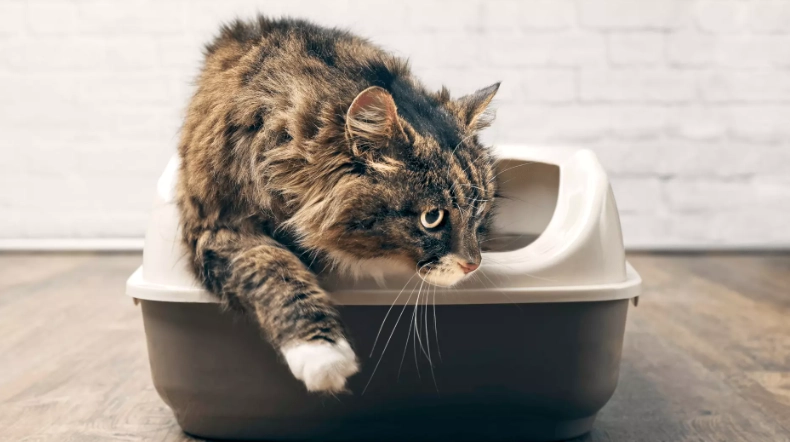
Products That Can Help (And Some That Probably Won't)
The market is flooded with "solutions." Let's be brutally honest about a few.
Attractant Litters/Powders: These can be useful in the initial stages of trying to litter box train an adult cat, especially one with no prior experience. They contain herbal scents meant to draw the cat in. They're worth a try as a gentle nudge, but they're not magic. If the underlying issue is pain, stress, or a terrible box setup, attractants won't fix it.
Automatic/Self-Cleaning Boxes: These are a double-edged sword. For some cats (and owners), they're a dream—always clean. For others, the noise, motion, or scent of the cleaning mechanism is terrifying. I'd never recommend starting a training process with one. Introduce it only to a cat who is already perfectly comfortable with a standard box.
Different Box Styles: This is where experimentation pays off. Try a giant, low-entry storage tub for an older, arthritic cat. Try a simple, high-sided open tray for a cat who kicks litter everywhere. The International Cat Care organisation has great visual guides on box types for different needs.
When It's More Than Just Training: Signs You Need Professional Help
Let's be real. Sometimes, despite your best efforts, things don't improve. That's okay. It doesn't mean you've failed. It means the problem might be rooted in severe anxiety, compulsive behavior, or a complex multi-cat conflict that's beyond typical training.
It's time to call in a certified feline behavior consultant or a veterinarian who specializes in behavior. Look for credentials from reputable organizations. These pros can do a deep dive into your home setup, your cats' interactions, and create a tailored behavior modification plan. They might even discuss, in severe, unmanageable cases where quality of life is poor, the judicious use of anti-anxiety medications under veterinary supervision. This isn't defeat; it's using every tool available to help your cat.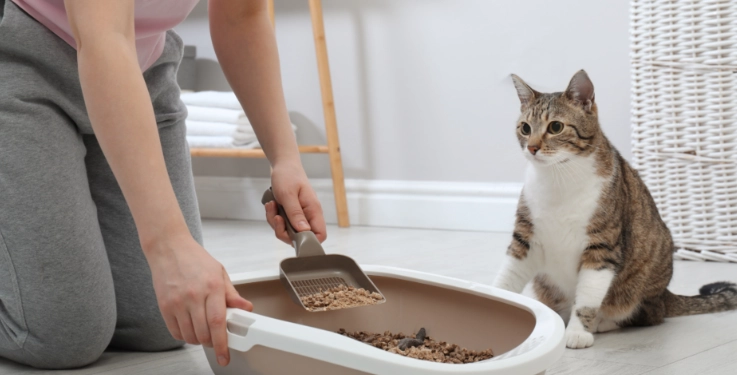
So, can you litter box train an adult cat? You can. It demands patience, observation, and a willingness to see the world through your cat's eyes. It's less about command and control, and more about cooperation and creating the right conditions. Start with the vet, perfect the setup, be patient with the process, and don't be afraid to ask for help. Your cat wants to get it right; they just need you to show them how, on their terms.




Join the Conversation