Feeding a baby snake for the first time is nerve-wracking. I remember staring at that tiny corn snake, a pinky mouse looking gigantic next to it, thinking I was about to do something terribly wrong. The internet was full of conflicting advice. That was over a decade ago, and since then I've raised dozens of hatchlings from finicky ball pythons to enthusiastic king snakes. Let's cut through the noise. This guide isn't just a list of rules; it's the context, the why behind the how, and the subtle mistakes most guides don't warn you about.
The core of baby snake care hinges on getting feeding baby snakes right. Do it well, and you'll have a robust, growing reptile. Get it wrong, and you're in for stress, vet visits, and a snake that fails to thrive. We're covering schedules, prey size, technique, and troubleshooting the dreaded feeding refusal.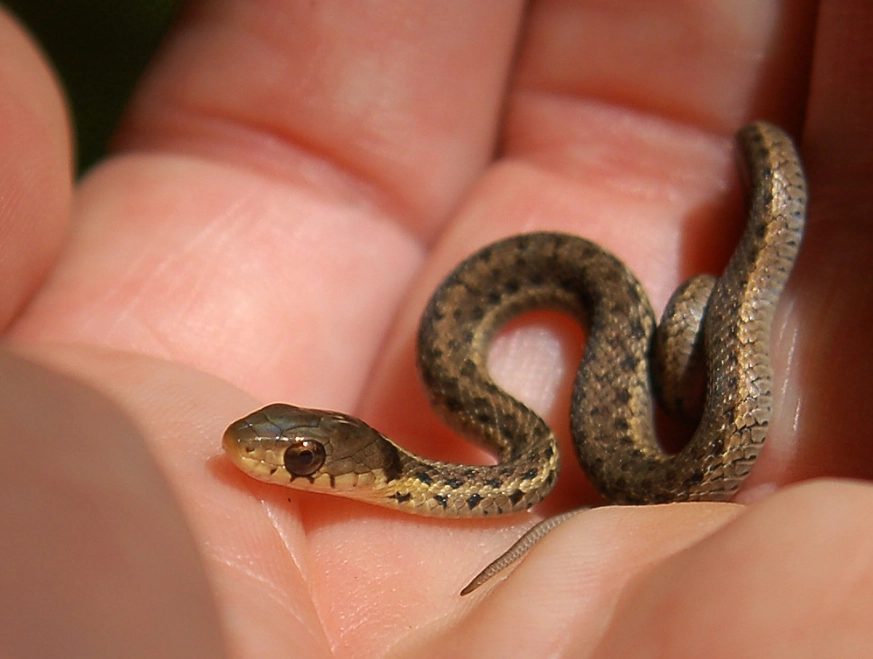
What's Inside This Guide?
What & How Much: Prey Type and Size Demystified
This is the most common point of failure. The rule "prey should be as wide as the snake's widest part" is a good start, but it's incomplete for babies.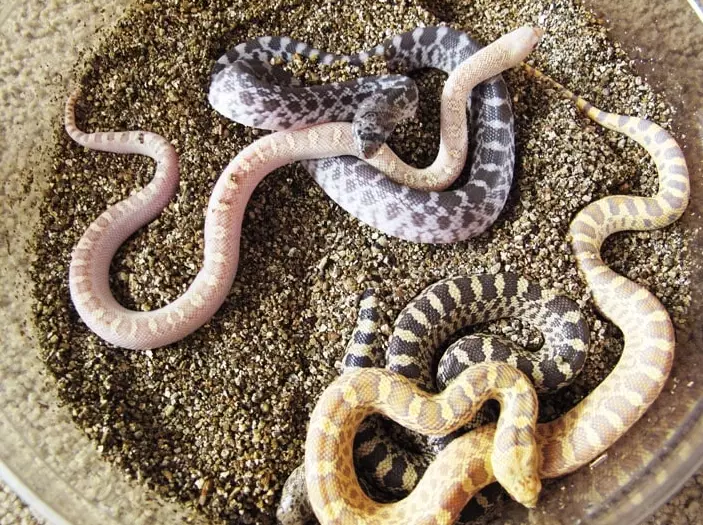
Frozen/Thawed vs. Live: There's Only One Safe Choice
Always use frozen/thawed (F/T) rodents. This isn't a debate for hatchlings. A live pinky mouse can and will bite and scratch a delicate baby snake, causing infections or serious injury. The convenience and safety of F/T are unmatched. Thaw it overnight in the fridge, then warm it up with a hairdryer or in a plastic bag placed in warm water until it's body temperature (test on your wrist).
Prey Size Reference Table
This table gives you a concrete starting point. Adjust based on your individual snake's body condition.
>| Snake Type (Hatchling) | Typical Starting Prey | Key Consideration |
|---|---|---|
| Corn Snake, Milk Snake, King Snake | Pinky mouse (1-2 day old) | These are often enthusiastic feeders. A slightly larger pinky is usually okay. |
| Ball Python | Fuzzy rat or hopper mouse | Many breeders start them on rats to avoid later switching. Rat pups are more nutritious than similarly sized mice. |
| Boa Constrictor (e.g., Common Boa) | Small fuzzy rat or adult mouse | They are born larger. Don't underfeed based on mouse charts; use rat sizes. |
| Garter Snake | Chopped nightcrawlers, pinky parts | Often need fish or worm-based diets. Research specific species needs thoroughly. |
The Goldilocks Schedule: How Often to Feed a Baby Snake
How often to feed a baby snake depends entirely on its metabolism and growth goals. The classic "once every 5-7 days" is a middle ground that fails many owners.
Here's my breakdown from experience:
- Fast-Growing Colubrids (Corns, Kings, Milks): Every 5 days. They're metabolic machines. You can push to 7 days, but growth will be slower. I do 5 days for the first 6 months.
- Ball Pythons: Every 7 days, like clockwork. They have slower metabolisms. Some will still refuse on this schedule, which we'll address later.
- Boa Constrictors: Every 7-10 days. Overfeeding boas, especially babies, leads to fast growth and potentially shortened lifespans. A lean boa is a healthy boa.
A sign you might be underfeeding? The snake is always active in its enclosure, cruising constantly as if searching for food, and growth in length stalls. A sign of overfeeding? The body becomes round like a sausage, with fat rolls visible near the tail, and scale spread (skin visible between scales).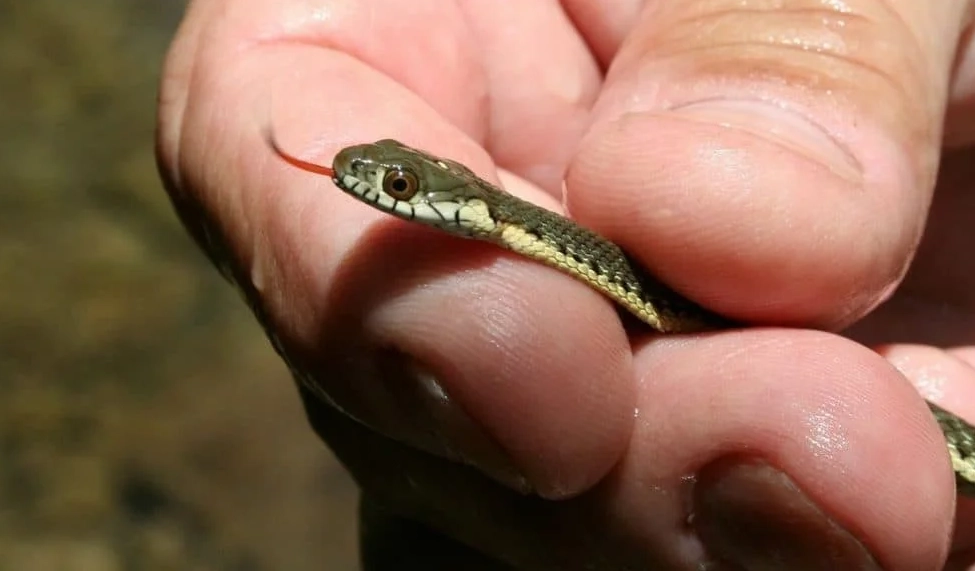
The Actual Feeding: Safe Techniques and Handling
You've got the right-sized, warm prey. Now what?
Never feed in a separate container. This outdated advice causes stress and increases the chance of regurgitation. Feed them in their home enclosure. The myth that they'll become "cage aggressive" is just that—a myth. They associate the opening of the lid with food, not the location itself.
The Presentation Method That Works 95% of the Time
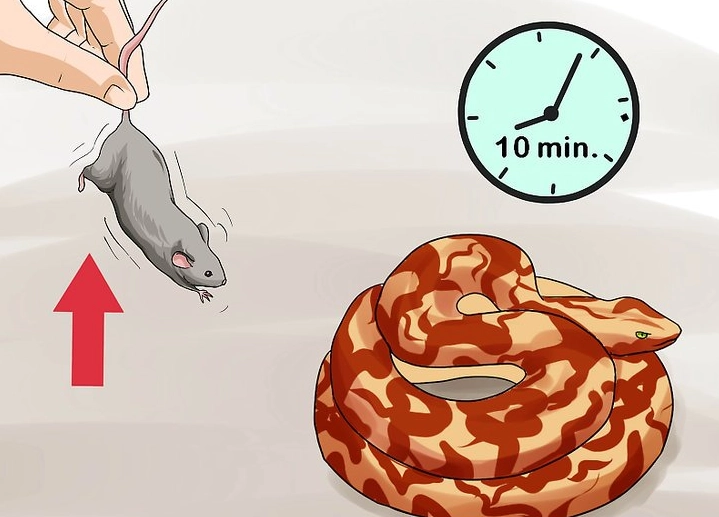
Use long, soft-tipped feeding tongs. Dangle the prey by the scruff or hind legs in front of the snake's face. Make slight, jiggling movements to mimic life. Don't tap the snake on the nose—this can startle it. Hold it still if the snake shows interest (flicks tongue, focuses, approaches). Let the snake strike and coil. Leave it completely alone for at least 24 hours after to digest.
What if it doesn't strike? Place the warmed prey on a small bottle cap or flat stone near where the snake hides overnight. Check in the morning. Many shy babies are night-time eaters.
When Things Go Wrong: Solving Feeding Problems
Your baby snake won't eat. This is the single biggest anxiety point for new owners. Let's troubleshoot systematically.
First, check the fundamentals: Is the enclosure temperature correct? A belly that's too cold (below 80°F/27°C for most) cannot digest. Is the humidity right? Is the snake in shed (their blue, opaque phase)? Most snakes won't eat while in shed. Is the prey warm enough? To a snake's heat-sensing pits, a room-temperature mouse is a dead, unappetizing lump.
The "Brain Trick" for Stubborn Feeders
If basics are perfect and the snake still refuses, try braining. It's gross but effective. Puncture the skull of the thawed pinky to expose a tiny bit of brain matter. The scent is incredibly potent. I've had this work on baby ball pythons that refused 3 meals in a row.
Another trick: scenting. For snakes that prefer lizards or fish in the wild (some garters, water snakes), rub the pinky mouse with a piece of tilapia fillet or a shed lizard skin.
If refusal persists for more than 3-4 weeks and the baby is losing weight, consult a reptile veterinarian. Underlying parasites are a common culprit.
Pro Tips From a Decade of Trial and Error
These are the things you learn the hard way.
- The Heating Pad Mistake: Don't place the snake's hide directly over an unregulated under-tank heater. I learned this when a hatchling got a mild thermal burn because it burrowed down to digest. Use a thermostat! Always.
- Record Keeping is Everything: Note the date, prey type, and prey size for every feeding. Also note refusals and sheds. This log is invaluable for spotting patterns and is crucial info for a vet.
- Water Bowl Placement: After feeding, a snake will often drink. Make sure the water bowl is easily accessible from their favorite digestion spot, not on the opposite cold end of the tank.
- Trust, Don't Rush: If the snake strikes and constricts but then seems to "forget" the prey, leave it. Don't reposition the mouse. It will often find it and start swallowing on its own time, sometimes an hour later. Patience.
Your Burning Feeding Questions, Answered
My baby ball python won't eat, what should I do?
Ball pythons are famous for this. First, ensure your husbandry is flawless (hot spot 88-92°F, ambient not below 78°F, secure hides). If it's been 2-3 weeks, try feeding a live fuzzy rat (under extreme supervision) just once to kickstart its feeding response. The movement can trigger a strike. Immediately switch back to F/T after a successful meal. Also, try feeding at dusk or after dark with the room lights off.
Can I handle my baby snake after it eats?
Absolutely not. Handling requires energy and causes stress, which can lead to regurgitation—a serious health setback. Give a minimum of 48 hours of complete rest after a meal. I wait until I see them active and cruising again, which is usually a clear sign digestion is complete.
 How do I know if the prey is too big?
Watch the swallowing process. If the snake struggles for more than 15-20 minutes, repeatedly re-adjusting its jaws without making progress, the prey is likely too big. A successful swallow, while slow, should show steady, continuous progress. The post-meal bulge should be pronounced but smooth, not causing the scales to stretch apart dramatically.
Where can I find reliable general reptile care information?
For foundational care principles beyond feeding, I recommend looking at resources from major animal welfare organizations. The American Society for the Prevention of Cruelty to Animals (ASPCA) has a general reptile care page that covers habitat and wellness basics, which is a good starting point to complement this species-specific feeding advice.
Feeding your baby snake shouldn't be a source of dread. It's a fascinating process that builds the foundation for a long, healthy life. Start with the right size, stick to a sensible schedule, master the presentation, and learn to read your snake's cues. You've got this.



Join the Conversation