Let's cut to the chase. You're here because something about your bearded dragon seems off. Maybe they're not eating like they used to, or they're just...lazing around more than usual. Is it a bad day, or a sign of something serious? Spotting the difference between a lazy beardie and a sick one isn't always obvious. These reptiles are masters at hiding illness—a survival instinct from the wild. Waiting for "obvious" signs often means you're already dealing with a critical situation. This guide will walk you through the 10 most telling signs your bearded dragon is unhealthy, what they mean, and the exact steps you need to take.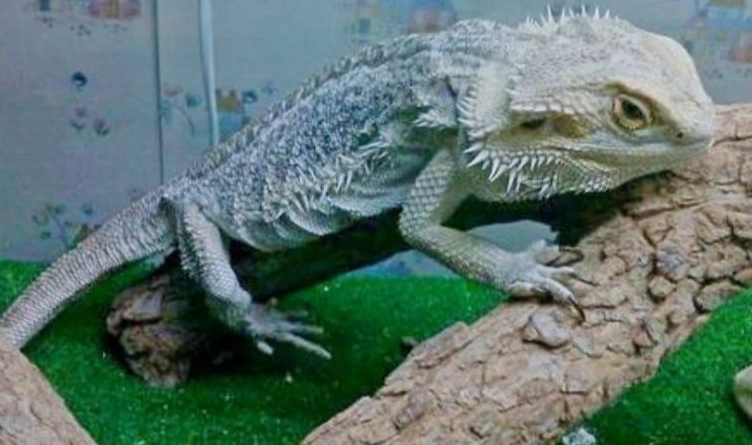
In This Article
Behavioral Red Flags You Can't Ignore
Changes in behavior are usually the first clue. Your dragon's personality is your baseline. A social beardie that suddenly hides all day, or a calm one that gets aggressive, is trying to tell you something.
Lethargy vs. Brumation: Knowing the Difference
This is the big one. A sleepy bearded dragon could just be brumating (a reptile form of hibernation), or they could be seriously ill. Here's how to tell. Brumation typically happens in winter, involves sporadic waking to drink, and the dragon usually has a good weight and body condition beforehand. Sick lethargy, on the other hand, can happen any time. The dragon is completely unresponsive, often has sunken eyes or visible weight loss, and shows no interest in water. If it's not winter, or if they look thin, assume it's sickness, not sleep.
Loss of Appetite
Beardies can be picky, but a complete refusal to eat for more than 3-4 days (for adults) is a major red flag. For babies and juveniles, even 1-2 days without food is cause for concern due to their faster metabolism. This isn't just about being bored of crickets. A lack of appetite is a non-specific symptom of almost every health problem, from impaction to metabolic bone disease.
Unusual Aggression or Hiding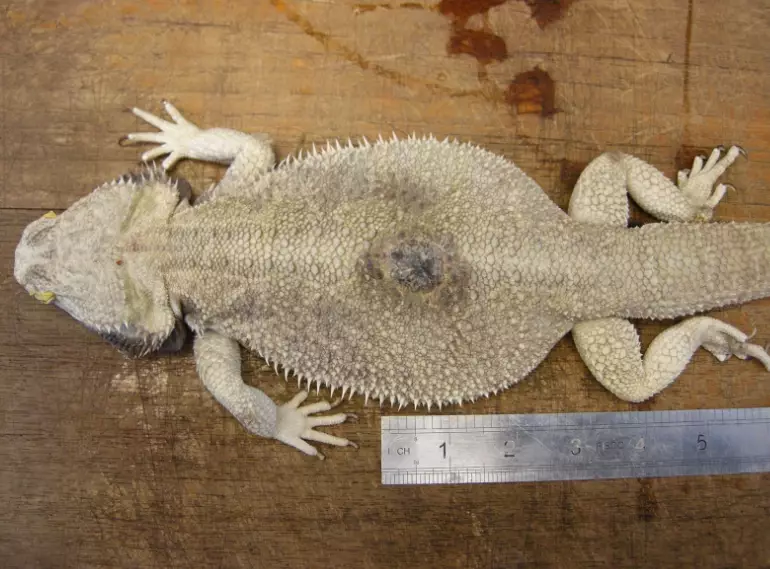
Is your normally chill buddy suddenly puffing up, black-bearding, or hissing when you approach? Or have they vanished into their hide and refused to come out? Pain and discomfort are common causes. They're acting defensively because they feel vulnerable. Don't take it personally—take it as a symptom.
Physical Symptoms: From Head to Tail
Get hands-on. A weekly visual and gentle physical check-up is your best defense. Look for these changes.
| Area to Check | Healthy Sign | Unhealthy Sign (What It Might Mean) |
|---|---|---|
| Eyes | Bright, clear, open alertly. | Sunken, crusty, constantly closed, swollen. (Dehydration, infection, vitamin A deficiency). |
| Mouth & Nose | Clean, pink gums, no discharge. | Mucus, bubbles, sticky saliva, black/discolored tissue. (Respiratory infection, mouth rot). |
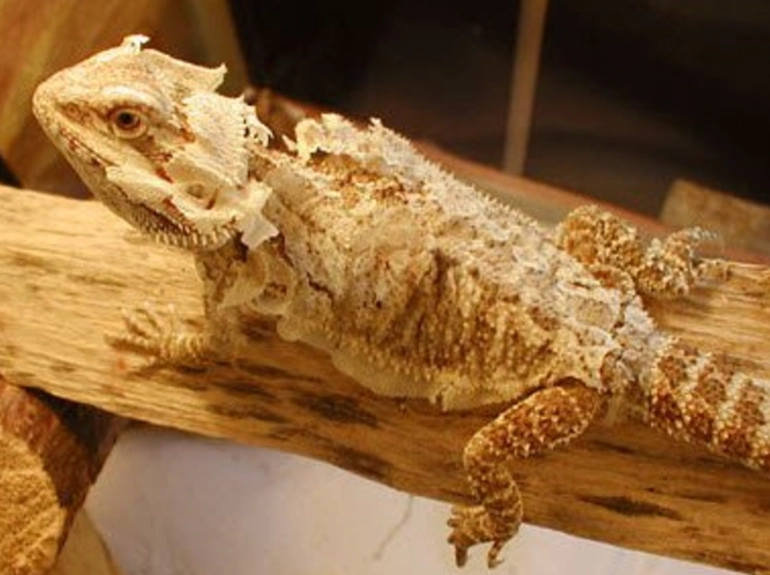
| Skin & Scales | Supple, intact, sheds in large pieces. | Wrinkled (dehydration), retained shed (especially on toes/eyes), sores, discolored patches. (Poor humidity, injury, infection). |
| Body & Weight | Plump tail base, rounded belly. | Visible spine/hip bones, skinny tail, swollen/bloated abdomen. (Malnutrition, parasites, impaction, egg-binding). |
| Limbs & Tail | Strong grip, moves easily, tail intact. | Swollen joints, limp/wobbly limbs, kinked/bent bones, tail rot (dark, dry, shriveled tip). (Metabolic Bone Disease, injury, infection). |
A personal note here: I once missed the early signs of tail rot in a rescue because I thought the dark tip was just stuck shed. By the time it was obvious, it required a vet visit and treatment. Now, any discoloration that doesn't improve with the next shed gets my immediate attention.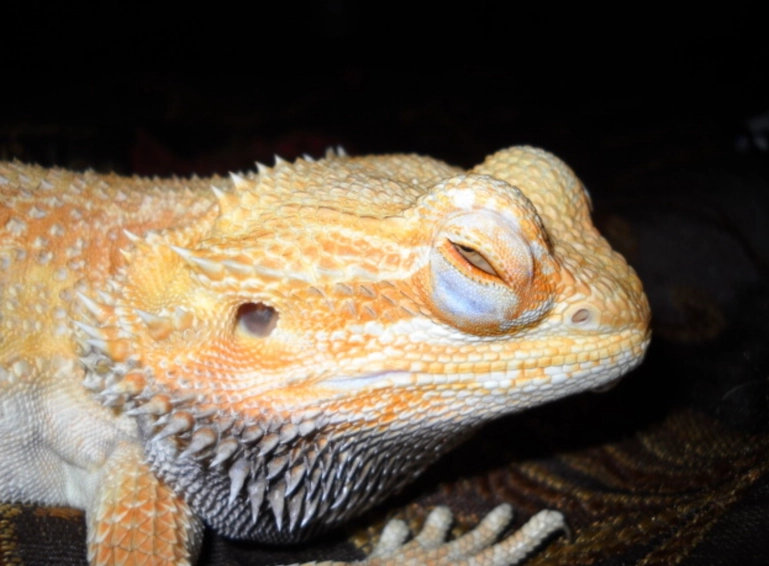
Color Changes: Stress vs. Sickness
Beardies change color for mood and temperature. But persistent, unusual darkening—especially a black beard that lasts for hours when not threatened—can indicate pain or severe stress. A general pale, washed-out, or grayish color can signal illness or impending shed problems.
What Their Waste Tells You
Yes, you have to look at their poop. It's a direct health report.
Healthy poop has three parts: a firm, brownish fecal portion (the food waste), a white, chalky urate (the urine concentrate), and some clear liquid. The urate should be soft but solid, like toothpaste.
Unhealthy signs:
- Runny, watery, or foul-smelling feces: Parasites (like coccidia or pinworms) or bacterial imbalance.
- Red or blood-streaked stool: Internal issues, serious impaction, or parasites.
- Yellow, gritty, or hard urates: Dehydration. Bright orange urates can sometimes indicate excess vitamins.
- No poop at all (for an adult eating regularly): Impaction is the primary concern, especially if they're also lethargic and off food.
What to Do If You Spot a Problem
Panic doesn't help. A systematic approach does.
- Double-Check the Basics: Before you assume the worst, verify your setup. Are temperatures in the basking spot 95-110°F (35-43°C) and the cool side 75-85°F (24-29°C)? Is the UVB bulb less than 6-12 months old (they degrade)? A simple husbandry flaw is often the root cause.
- Document Symptoms: Take notes and photos. When did it start? What exactly have you seen? This is gold for the vet.
- Find a Reptile Veterinarian: Not all vets treat exotics. Search for an Association of Reptilian and Amphibian Veterinarians (ARAV) member near you. This is non-negotiable for serious symptoms.
- No movement or unresponsive.
- Visible injury or bleeding.
- Labored breathing, gaping mouth when not hot.
- Seizures or severe limb tremors.
- Prolapsed tissue (something hanging from the vent).
Keeping Your Beardie Healthy: Prevention Tips
The best way to deal with an unhealthy bearded dragon is to prevent it from happening.
Diet is everything. Gut-load your feeder insects with nutritious greens. Dust them properly: calcium powder (without D3 if your UVB is strong) most feedings, and a multivitamin powder once or twice a week. Offer fresh, chopped greens daily. I see so many health problems traced back to a diet of just crickets and lettuce.
Husbandry is non-negotiable. Invest in a high-quality, tube-style UVB light that covers 2/3 of the enclosure, and replace it on schedule. Use digital thermometers, not the cheap stick-on ones. Provide a proper temperature gradient.
Quarantine new animals. If you get another reptile, keep it completely separate for at least 90 days to prevent spreading parasites or illness to your current beardie.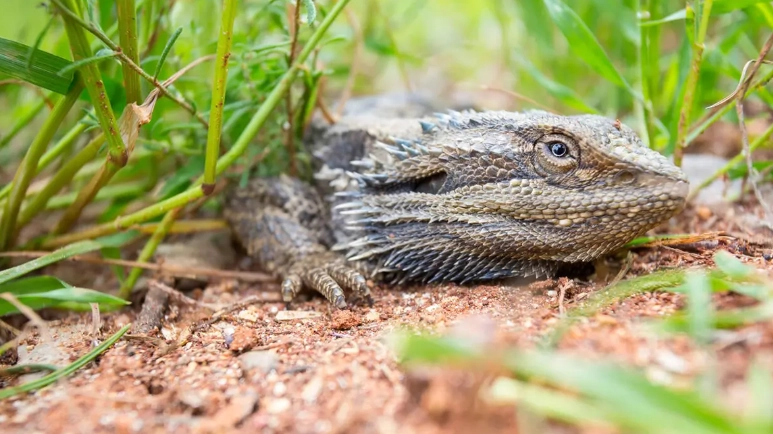
Your Bearded Dragon Health Questions Answered
 My beardie's poop is runny. Does this always mean parasites?
The bottom line is this: you know your bearded dragon better than anyone. If your gut says something is wrong, it probably is. Trust that instinct. Early intervention based on the signs we've discussed is the single biggest factor in helping an unhealthy bearded dragon recover. Don't wait for it to "get better on its own." With proper care, attention, and a good reptile vet on speed dial, you can give your scaly friend the best chance at a long, healthy life.



Join the Conversation