Quick Navigation
- Why Even Consider a Snake as a First Pet?
- The Other Side of the Coin: Challenges You Can't Ignore
- Top Contenders: The Best Snakes for First-Time Owners
- The Ultimate "Before You Buy" Checklist
- Breaking Down the Real Costs
- Your Questions, Answered (The Stuff You're Really Wondering)
- Making the Final Decision: Is a Snake Right for YOU?
It pops into your head, right? You see a gorgeous picture of a ball python curled up, or a sleek corn snake gliding across someone's hands, and the thought hits you: "Are snakes good for beginners? Could I actually do this?" I remember having that exact thought years ago, scrolling through forums late at night, totally overwhelmed by conflicting advice.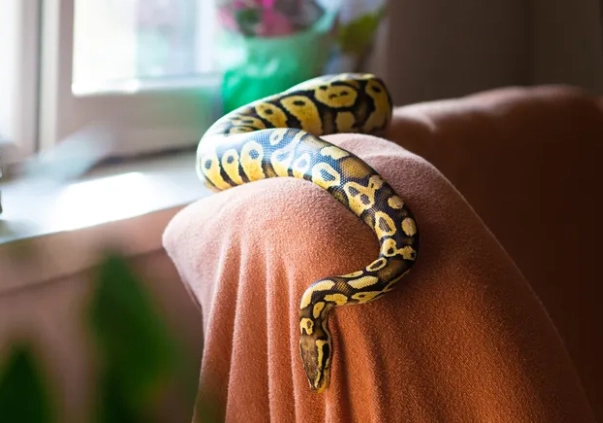
Let's cut through the noise. The short, honest answer is: some snakes can be fantastic beginner pets, but 'beginner' doesn't mean 'no-effort.' It means the animal is forgiving of the learning curve we all have when starting out. Choosing the right snake is everything. Get it wrong, and you'll have a stressed pet and a frustrated you. Get it right, and you might just discover one of the most fascinating and low-key companions out there.
This isn't a sales pitch. We're going to walk through the good, the challenging, and the downright messy parts of snake ownership. By the end, you'll know if your lifestyle matches up, which species to even look at, and exactly what you're signing up for—financially and time-wise.
Bottom Line Up Front: For a responsible, patient person willing to learn specific care, certain snake species are among the best beginner reptiles. But they are not starter pets in the same way a goldfish is (and even goldfish need proper care!). Success hinges 100% on your preparation.
Why Even Consider a Snake as a First Pet?
Let's start with the positives, because they are pretty compelling.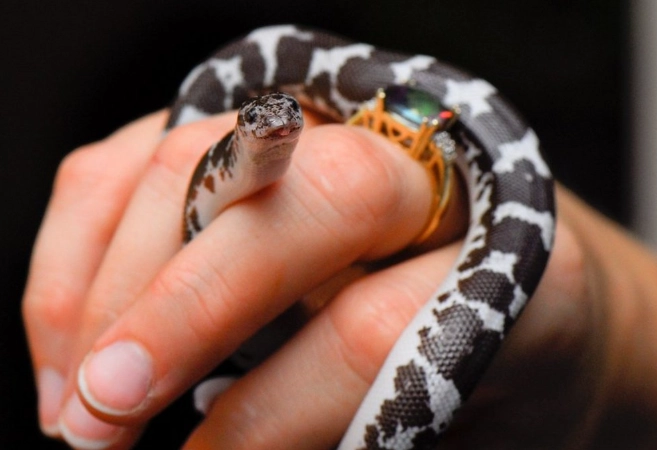
First off, the maintenance routine is, frankly, chill compared to a dog or cat. No daily walks, no midnight bathroom breaks, no constant need for attention. Their feeding schedule is measured in days, not hours—most adult beginner snakes eat only once every 7-14 days. That's a huge plus for busy students, travelers, or anyone with an irregular schedule.
Then there's the temperament. The snakes we recommend for novices are typically docile. A well-acclimated corn snake or ball python is about as threatening as a sock puppet. They tolerate handling well, which is a big part of the joy. Watching them explore your hands is mesmerizing.
They're also clean. No fur, no dander (a great option for many allergy sufferers), and their waste is infrequent and solid. The smell is minimal if you keep their home clean.
And their space needs are modest.
A proper 40-gallon enclosure can be a forever home for many starter species. You're not dedicating a whole room.
Finally, the longevity. This is a double-edged sword, but it's a pro for the committed owner. A healthy corn snake can live 15-20 years, a ball python 20-30. You're getting a long-term companion, not a short-term project. That commitment forces you to really think it through, which is a good thing.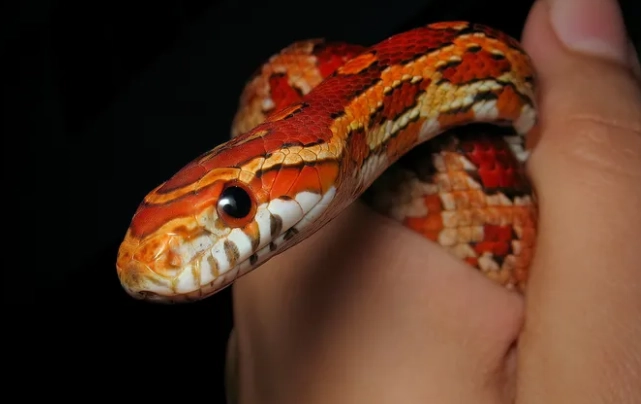
The Other Side of the Coin: Challenges You Can't Ignore
Now, the reality check. This is where people fail, by romanticizing the idea and ignoring the logistics.
The biggest hurdle is the diet. You will be dealing with frozen-thawed rodents. Full stop. Some people are totally fine with it; it's just freezer-to-bowl pet food to them. For others, it's a hard no. You need to be honest with yourself. There's no vegetarian option. You'll need a dedicated freezer space (a mini freezer is a common upgrade for serious keepers), and you'll need to be comfortable with the thawing and feeding process.
Feeding Note: Never, ever feed live prey unsupervised. It's dangerous for the snake (rats can fight back and inflict severe injuries) and is considered inhumane by modern keeping standards. Frozen-thawed is safer, more humane, and more convenient.
Next is the need for precise environment control. Snakes are ectotherms. They don't make their own heat. You must provide a thermal gradient—a warm side and a cool side—with specific humidity levels. This isn't guesswork. It requires reliable thermostats, heat sources (like under-tank heaters or ceramic heat emitters), and hygrometers. A power outage or a faulty heater becomes a genuine emergency, unlike with a furry pet.
Veterinary care is specialized and can be expensive. Your average dog-and-cat vet likely won't see a snake. You need an exotic vet with reptile experience. Find one before you get the snake. Check resources like the Association of Reptilian and Amphibian Veterinarians (ARAV) member directory to locate a qualified professional near you. A simple check-up or treatment can cost significantly more than for a cat.
And then there's the... let's call it the "ick factor" for friends and family. Not everyone will share your enthusiasm. You might get weird looks. You'll definitely be asked if it's venomous. A lot.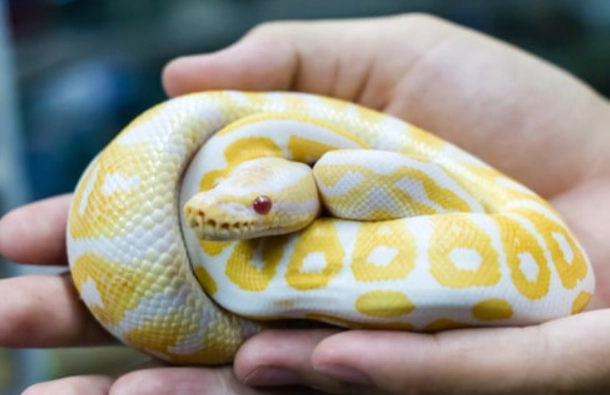
So, are snakes good for beginners?
They can be, for the right beginner. The one who does the homework.
Top Contenders: The Best Snakes for First-Time Owners
Okay, if you're still with me, let's meet the usual suspects. These are the species that have earned their stripes (or spots) for being hardy, manageable, and generally agreeable. I've kept a few of these myself, and I'll give you my personal take.
| Species | Adult Size | Temperament | Key Care Needs | Why It's a Good Beginner Snake |
|---|---|---|---|---|
| Corn Snake | 4-5.5 feet | Curious, active, very docile | Moderate humidity (40-50%), simple climbing branches. | Almost never refuses food, incredibly hardy, thousands of color morphs. My personal top pick for a first snake. They're just easygoing. |
| Ball Python | 3-5 feet | Calm, shy, "balls up" when scared | Higher humidity (50-60%), secure hiding spots are a MUST. | Slow-moving, thick-bodied (feels substantial in hand), iconic pet. Note: They are famous for going on hunger strikes, which can stress new owners. |
| Kenyan Sand Boa | 1.5-2.5 feet (females larger) | Burrowing, calm, spends most time underground | Dry environment, deep substrate for burrowing. | Extremely small and manageable, minimal space needs, feeding response is usually great. You just don't see them much! |
| Rosy Boa | 2-4 feet | Placid, slow-moving, handleable | Dry, rocky setup with hides, not too humid. | Strikingly beautiful patterns, very predictable and gentle demeanor, generally great eaters. |
| Children's Python (Antaresia) | 2.5-3.5 feet | Inquisitive but gentle | Moderate humidity, likes to climb a bit. | Small size, robust health, active at dusk/dawn. A fantastic, often overlooked option. |
A quick story: My first snake was a corn snake. I chose it over a ball python specifically because everyone warned me about the ball python hunger strikes. As a nervous new owner, the thought of my pet refusing food for months terrified me. The corn snake ate like clockwork from day one, which gave me huge confidence. That's a real consideration for your mental peace.
Notice what's not on this list? Large constrictors (Burmese, Retics, Anacondas), venomous species (obviously), and snakes with notoriously difficult care requirements like Green Tree Pythons or Water Snakes. These are not beginner animals, no matter how cool they look on YouTube.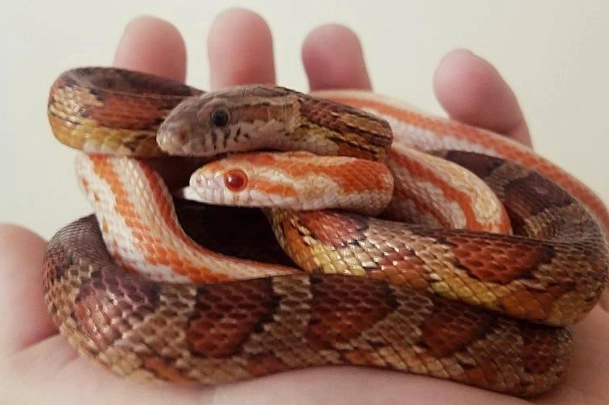
The Ultimate "Before You Buy" Checklist
Do not, I repeat, DO NOT bring the snake home first. That's the biggest mistake. The enclosure should be set up, heated, and running stably for at least a week before your snake arrives. Here's your shopping and prep list.
Housing & Environment
- Enclosure: A front-opening terrarium (like those from Zen Habitats or Exo Terra) is ideal for access and security. A 40-gallon breeder tank is a good starting size for most species listed. Ensure it's escape-proof—snakes are Houdinis.
- Heating: An under-tank heating pad (UTH) regulated by a high-quality thermostat is non-negotiable. This is your most important purchase. A simple on/off thermostat from brands like Inkbird works. For larger tanks, you might add a ceramic heat emitter or deep heat projector on the warm side, also on a thermostat.
- Lighting: While most snakes don't need special UVB, a simple LED light on a 12-hour timer helps establish a day/night cycle and lets you see your pet. It makes a difference for plant growth if you go bioactive later.
- Substrate (Bedding): Aspen shavings are great for corn snakes and sand boas (dry species). Cypress mulch or coconut husk holds humidity better for ball pythons. Avoid cedar and pine—the oils are toxic.
- Hides: At least two identical, snug hides—one on the warm end, one on the cool end. The snake should fit tightly inside, touching the sides. This makes them feel secure. A humid hide (a box with moist sphagnum moss) is a bonus for shedding.
- Water Bowl: Heavy, tip-proof, and big enough for the snake to soak in if it wants. Change water daily.
- Clutter & Enrichment: Fake plants, branches, cork rounds. A cluttered tank is a happy tank. It breaks up sight lines and makes the snake feel less exposed.
Monitoring & Tools
- Digital Thermometer/Hygrometer: Get two—one for the warm side, one for the cool side. The cheap analog dial ones are notoriously inaccurate. Go digital.
- Feeding Tongs: Long tweezers for offering food. Prevents accidental strikes towards your hand (so-called "feeding response").
- Snake Hook (optional but recommended): A gentle tool for letting the snake know it's handling time, not feeding time. Especially useful for heavier feeders.
- Spray Bottle: For misting to maintain humidity.
- A dedicated notebook or app: To log feedings, sheds, weights, and behaviors. It's incredibly helpful for spotting health issues early.
Breaking Down the Real Costs
Let's talk money, because sticker shock is real. This isn't a $50 pet store special. Proper setup is an investment.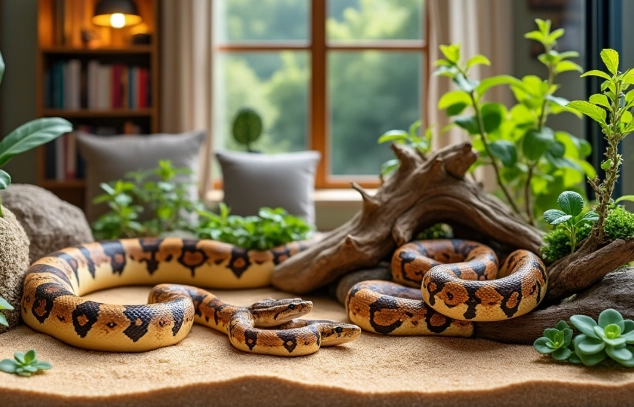
| Expense Category | Low-End Estimate | High-End/Recommended Estimate | Notes |
|---|---|---|---|
| Initial Setup (One-Time) | $300 - $400 | $500 - $800+ | Enclosure, heating, thermostat, hides, substrate, tools. Buying quality upfront saves money and stress later. |
| The Snake Itself | $50 - $100 (pet store) | $150 - $400+ (breeder) | Buy from a reputable breeder (found at reptile expos or online). You get a healthier, better-started animal, often with lineage info. Avoid big chain pet stores for snakes. |
| Monthly Ongoing Costs | $15 - $25 | $20 - $40 | Food (frozen rodents), electricity, substrate replacement. |
| Annual/Variable Costs | $50 - $100 | $100 - $300+ | Vet check-up, replacement bulbs/heat pads, potential upgrades. |
| Emergency Fund | Have at least $200-500 set aside. Exotic vet visits start here. An infection, impaction, or respiratory issue can cost hundreds to treat. | ||
See? It adds up. But spread over the snake's long life, it's manageable if you budget. The initial hit is the biggest.
Your Questions, Answered (The Stuff You're Really Wondering)
Not in the way a dog does. They don't feel love or affection. However, they absolutely can learn to recognize your scent and associate you with safety (not being a predator) and, sometimes, food. A well-handled snake will be calm and curious with you, and possibly defensive with a stranger. That's the closest to "bonding" you get, and it's still pretty cool.
With a proper beginner species, bites are rare and almost always a case of mistaken identity (feeding response). It feels like a quick pinch and a series of tiny paper cuts—startling more than painful. If you're bitten, don't panic and yank back. Gently pour cold water on the snake's face, or use a drop of hand sanitizer near its mouth, and it will let go. Clean the wound well. It's a rite of passage most keepers experience once.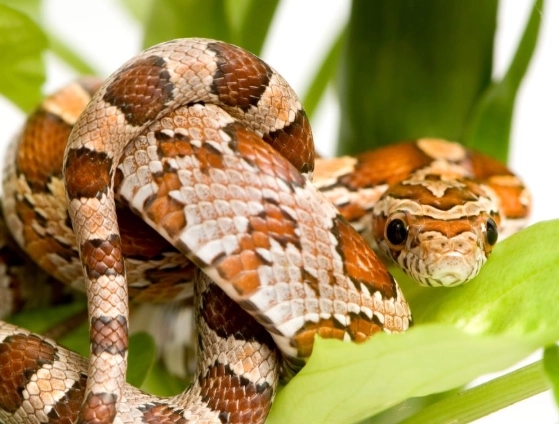
A clean enclosure has virtually no smell. The waste (urates and feces) has an odor, but you spot-clean it out immediately. If the tank smells, you're not cleaning it enough or something's wrong (like a regurgitated meal hidden in a corner).
Incomplete sheds ("dysecdysis") are almost always caused by low humidity. If your snake's skin comes off in patches, don't pull it. Provide a humid hide or a warm, damp towel for it to slide through. Resources from places like the American Veterinary Medical Association (AVMA) often list poor shedding as a key welfare indicator for reptiles, linking it directly to husbandry.
No. Leave a new snake completely alone for a full week after arrival, except to change water. Then, offer its first meal. After it has eaten and digested that meal (give it 48 hours), you can begin very short, gentle handling sessions—5-10 minutes every couple of days. Building trust is slow. Rushing it causes stress and feeding refusals.
Making the Final Decision: Is a Snake Right for YOU?
Let's circle back to the core question: Are snakes good for beginners? More specifically, are they good for you as a beginner?
Ask yourself these final, brutally honest questions:
- Can I comfortably handle and store frozen mice/rats for the next 20 years?
- Am I willing to invest $500+ upfront and budget for ongoing and emergency costs?
- Can I commit to monitoring temperatures and humidity daily, not just when I remember?
- Have I found a qualified exotic vet nearby, and am I prepared for those bills?
- Is my living situation stable? (Landlords and roommates often have rules).
- Do I want a pet to interact with, or a living piece of art to observe? (Snakes are more the latter).
If you're nodding yes, then yes—a snake like a corn snake or a ball python can be a wonderful first reptile. The key is to start with a species that forgives mistakes, not one that demands perfection.
Final Thought: The best first step isn't buying anything. It's finding a local reptile expo or connecting with a reputable breeder online. Go, look at the animals in person, talk to the breeders. Ask a million questions. Hold a calm corn snake. Feel its weight and movement. That hands-on experience will tell you more than any article ever could. And remember, the reptile community is generally very welcoming to newcomers who are eager to learn. The United States Association of Reptile Keepers (USARK) is an example of an organization focused on keeper education and advocacy, and their site can be a resource for responsible ownership practices.
Good luck with your decision. It's a big one, but for the right person, it's the start of an incredibly rewarding hobby.



Join the Conversation