You love your dog, and you want them to look and feel their best. But sometimes, with the best intentions, we make grooming mistakes that can cause discomfort, anxiety, or even harm. I've seen it happen too many times in my years of working with pets. The goal isn't just a pretty coat; it's a healthy, happy dog. Let's cut through the noise and talk about the real, common dog grooming mistakes people make at home, and more importantly, how to fix them.
Quick Guide to Avoiding Grooming Blunders
The Bath Time Blunder: More Than Just Water and Shampoo
Bathing seems straightforward. Get dog wet, lather, rinse. What could go wrong? Plenty.
Using Human Shampoo
This is the classic error. Your dog's skin has a different pH balance (around 6.2-7.4) compared to human skin (around 5.5). Human shampoo is too acidic for dogs. It strips away essential oils, leading to dry, flaky, itchy skin. That scratching you see after a bath? It might not be "just getting dry," it could be irritation. Always use a shampoo formulated for dogs. For sensitive skin, an oatmeal-based shampoo is a safe bet.
Water Temperature Troubles
Too hot, and you risk scalding. Too cold, and it's a miserable experience. Lukewarm is the keyword. Test it on your inner wrist, just like for a baby's bottle. A mistake I made early on with my Golden Retriever was using water I thought was fine, but his discomfort was clear. Their tolerance can be different from ours.
The Rinse Fail
Incomplete rinsing is a silent culprit. Shampoo residue is a major skin irritant. It feels tacky, attracts dirt, and causes itching. Rinse, then rinse again. Run your hands against the grain of the coat. If it squeaks, you're close. If it still feels slick or soapy, keep going. Pay special attention to the belly, armpits, and under the chin.
Over-bathing
Washing your dog every week "to keep them smelling fresh" is often excessive. For most breeds, a bath every 4-6 weeks is sufficient. Over-bathing disrupts the natural oil barrier on the skin and coat. A stinky dog often needs a good brush (to distribute oils and remove dirt) or a check on their diet/ears/anal glands more than another bath.
Brushing and De-matting Bungles: The Coat Care Catastrophes
Brushing isn't just for looks. It's vital for skin health and bonding. But the wrong technique or tool can be a disaster.
Using the Wrong Brush
A slicker brush on a short-haired Boxer is pointless. A bristle brush on a matted Poodle is cruel. Match the tool to the coat type.
- Slicker Brushes: Great for medium/long coats, undercoats. Be gentle—don't scratch the skin.
- Undercoat Rakes: For heavy shedders like Huskies, Malamutes. Essential for removing dead undercoat.
- Bristle Brushes or Grooming Mitts: Perfect for short-haired breeds (Beagles, Labs) to remove loose hair and polish the coat.
- Pin Brushes: Good for long, silky coats (Yorkshire Terriers, Afghan Hounds) for finishing without breaking hair.
Brushing Only the Top Layer
You need to get down to the skin. Part the hair and brush in sections, especially for double-coated breeds. If you just brush the surface, you create a false sense of security while a dense undercoat mat forms close to the skin. This is a primary cause of hot spots.
Trying to Brush Out Severe Mats
This is painful. A tight mat pulls on the skin with every brush stroke. If you can't easily slip a comb through the base of the mat, it's time for clippers, not force. I've seen owners cause panic and skin tears trying to be heroes. Sometimes, the kindest groom is a short reset. Use clippers to carefully remove the mat or see a professional.
For small tangles, use a detangling spray and work from the tips of the hair slowly inward with a slicker brush or comb. Holding the base of the mat near the skin can reduce pulling.
The Nail Trimming Terror: Avoiding the Quick
This is the number one anxiety point for owners, and for good reason.
Cutting the Quick
The quick is the pink, blood vessel-filled part inside the nail. Cutting it hurts and bleeds. In light-colored nails, it's visible. In black nails, it's a guessing game. The mistake is cutting too much, too fast.
How to avoid it: Take tiny slivers off the tip. Look at the nail from underneath. You'll often see a chalky white or gray area—that's safe to trim. Stop before the solid, darker center. If you're nervous, use a nail grinder. It files the nail down slowly and reduces the risk of hitting the quick, though it requires acclimating your dog to the sound and vibration.
Forgetting the Dewclaws
Those thumb-like nails on the side of the leg don't touch the ground, so they never wear down. They can curl all the way around and grow into the pad. Check and trim them every time.
Ear and Eye Cleaning Errors: The Sensitive Zones
These areas need a gentle, informed touch.
Over-cleaning Ears
You don't need to clean a healthy ear daily or even weekly. Over-cleaning can disrupt the natural microbiome and cause irritation. Clean only when you see visible wax or dirt. Use a vet-recommended ear cleaner, not water, alcohol, or hydrogen peroxide, which can be harsh. Soak a cotton ball or gauze square with cleaner, wipe the visible part of the inner ear flap and the entrance to the canal. Do not use cotton swabs (Q-tips) to probe deep into the canal—you risk compacting debris and damaging the eardrum.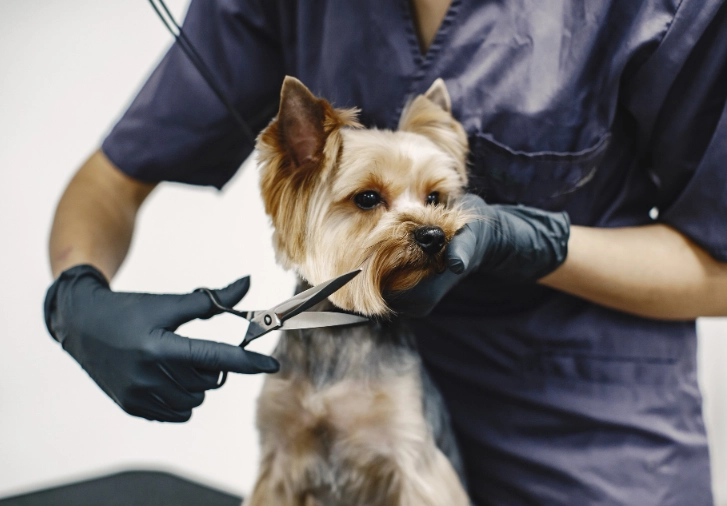
Plucking Ear Hair
This is a controversial one. Many groomers automatically pluck hair from the ear canals of breeds like Poodles. However, many veterinarians now advise against routine plucking unless the hair is causing a documented problem, as plucking can cause micro-inflammation that actually predisposes the ear to infection. The American Kennel Club notes that plucking should be done with caution. Consult your vet for your dog's specific needs.
Getting Shampoo in Eyes
It stings. Apply a drop of plain mineral oil or a pet-safe eye lubricant in each eye before the bath to create a protective barrier. When rinsing the head, cup your hand over the forehead to direct water away from the face.
Tool Troubles and The Mindset Mistake
Your approach matters as much as your technique.
Using Dull or Cheap Clippers/Blades
Dull blades pull hair instead of cutting it. This is incredibly uncomfortable and can lead to clipper burn—red, irritated skin. Invest in quality tools and learn to maintain them. A #10 blade is a safe, versatile blade for sanitary trims and paw pads.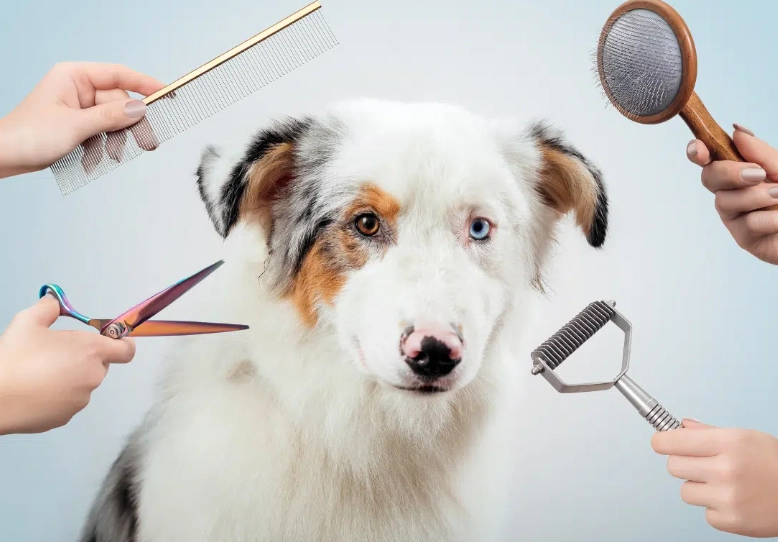
Rushing the Process
Grooming is not a race. A stressed, rushed owner creates a stressed, resistant dog. Break it into small sessions. Do nails one day, a brush the next. Pair every step with high-value treats and praise. Make it a positive experience, not a wrestling match.
Ignoring the Dog's Body Language
Lip licking, yawning, whale eye (showing the whites of the eyes), trembling, or trying to escape are all signs of stress. Pushing through these signals erodes trust. Stop, give a break, and reassess. Sometimes five minutes of play is needed before trying again.
| Common Mistake | Why It's a Problem | The Simple Fix |
|---|---|---|
| Human Shampoo | Disrupts skin pH, causes dryness & itching. | Use only dog-formulated shampoo. |
| Not Brushing Before Bath | Turns loose tangles into impossible mats. | Complete, sectioned brushing pre-bath. |
| Cutting Black Nails Blindly | High risk of cutting the quick (pain & bleeding). | Trim tiny slivers, use a grinder, or see a pro. |
| Q-tips in Ears | Can compact wax, damage eardrum. | Clean only the visible parts with soaked cotton ball. |
| Brushing Only the Top | Misses mats forming at skin level on double coats. | Brush in sections, down to the skin. |
Your Dog Grooming Questions, Answered
How often should I bathe my double-coated dog like a Husky or German Shepherd?
Less than you think. Their oils need time to distribute for waterproofing and insulation. Every 6-8 weeks is often plenty, unless they get into something foul. Focus on frequent, thorough brushing with an undercoat rake—this removes dirt and loose hair more effectively than constant bathing.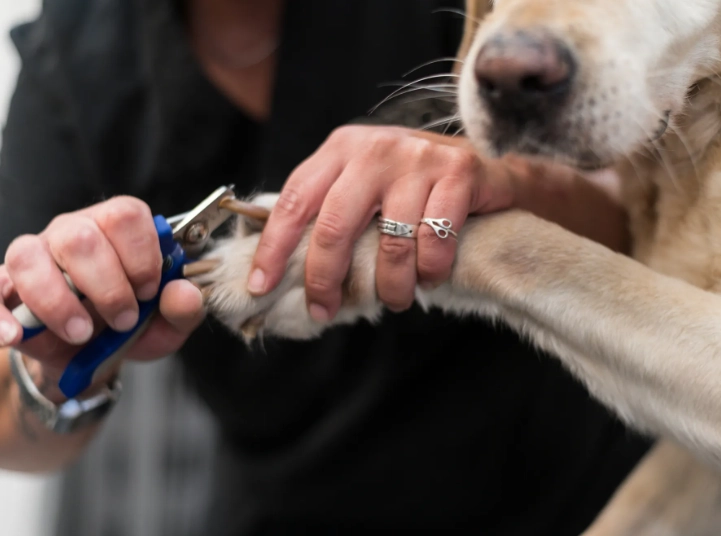
My dog hates the nail grinder sound. Any tricks?
Desensitize slowly. Turn the grinder on in another room while feeding treats. Then bring it closer, off, and let them sniff it. Touch a quiet grinder to their paw for a treat. Finally, try one quick touch of the grinder to a nail with massive praise. This process might take days or weeks. For immediate needs, a few tiny clips with clippers might be less stressful than forcing the grinder.
Is it okay to use baby wipes on my dog between baths?
Check the ingredients. Many contain alcohol, fragrances, or other chemicals that can irritate a dog's skin. Look for unscented, alcohol-free pet-specific wipes, or simply use a damp, soft cloth. They're fine for paws and the rear end, but avoid over-wiping the entire coat as it can disrupt natural oils.
What's the one tool I shouldn't cheap out on?
A high-quality, sharp pair of nail clippers or a reliable grinder. Bad nail tools crush the nail, splinter it, and make the experience traumatic. A good pair of clippers (like scissor-style or guillotine-style with a replaceable blade) makes a clean cut. This investment pays off in your dog's comfort and your confidence.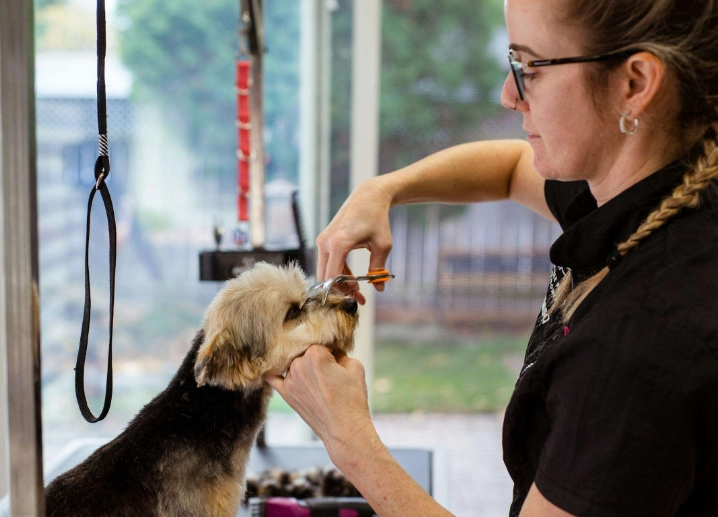
My dog has a small mat behind his ear. Can I cut it out with scissors?
This is extremely dangerous. The skin is loose and can easily get pulled into the scissors. You risk cutting a V-shaped chunk out of your dog's skin. If you must use scissors, place a comb between the mat and the skin as a protective barrier, and cut the mat above the comb. Safer still: use clippers with a #10 blade or see a groomer.
Join the Conversation