What’s Inside?
- Why Age Matters So Much in a Rabbit's Diet
- Newborn to 3 Weeks: The Milk-Only Phase
- 3 Weeks to 7 Weeks: The Weaning Explorers
- 7 Weeks to 7 Months: The Juvenile Growth Spurt
- 7 Months to 5 Years: The Adult Maintenance Diet
- 5-6 Years and Up: The Senior Rabbit Adjustment
- Foods to Avoid at Any Age
- Answering Your Top Questions on What to Feed Rabbits by Age
- Putting It All Together: A Lifelong Feeding Strategy
Let's be honest. Figuring out what to feed rabbits by age can feel like navigating a maze. One minute you're reading that alfalfa hay is a must, the next you're told it's a disaster for adult bunnies. You see cute pictures of rabbits munching on carrots, then find out that's more of a cartoon myth than a dietary staple. It's confusing, and getting it wrong isn't just about a picky eater – a rabbit's digestive system is incredibly delicate. Feed them incorrectly, and you're looking at potential GI stasis, dental issues, or obesity.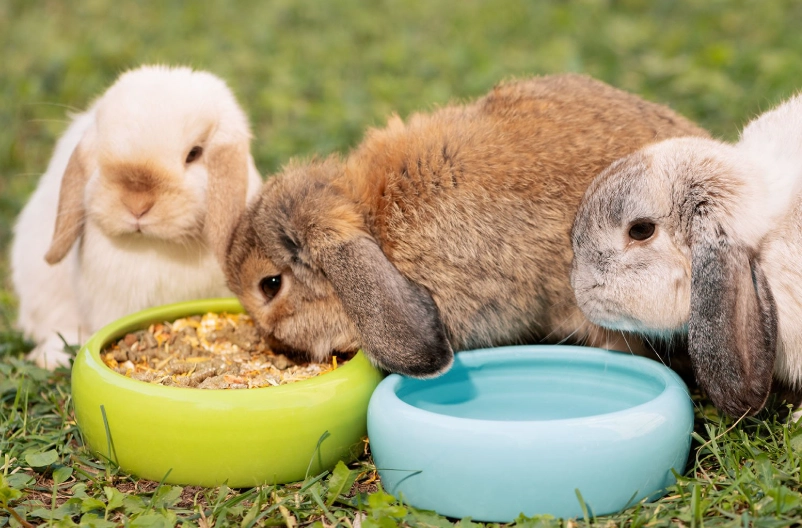
I've been there. When I got my first rabbit, Whiskers, I made the classic mistake. He was a young adult, and I fed him what the pet store clerk recommended—a colorful muesli-style mix with lots of seeds and corn. He loved it, of course. Who wouldn't love junk food? But within months, his energy dipped, and his poops became irregular. A visit to a rabbit-savvy vet was a wake-up call. We switched him to a proper diet, and it was like getting a whole new bunny. That experience taught me that understanding what to feed rabbits by age isn't just helpful; it's critical for their survival and happiness.
This guide cuts through the noise. We'll walk through each life stage, from fragile newborn kits to dignified senior rabbits, and outline exactly what should be in their food bowl (and more importantly, their hay rack). Forget the one-size-fits-all advice. A baby rabbit's needs are worlds apart from a senior's, and treating them the same does a disservice to your pet.
Why Age Matters So Much in a Rabbit's Diet
You wouldn't feed a newborn baby a steak, right? The same logic applies, but even more intensely, to rabbits. Their nutritional requirements for growth, maintenance, and aging are dramatically different.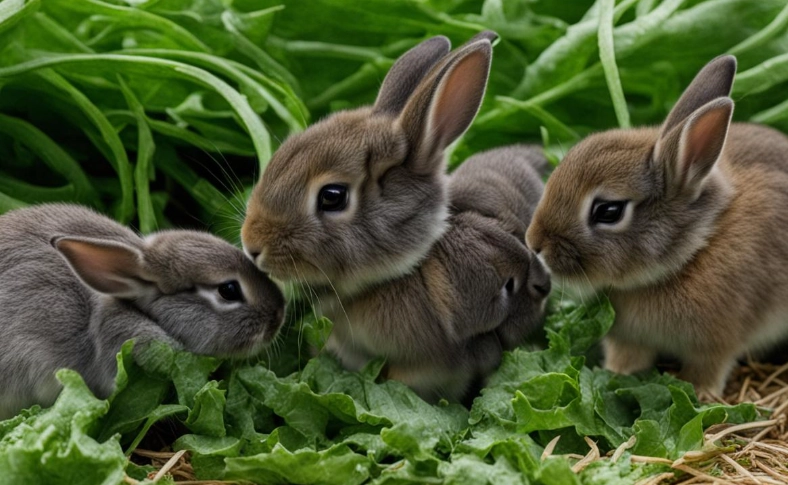
Think of it in terms of building blocks. A growing kit is constructing its entire body—bones, muscles, teeth. It needs more protein and calcium. An adult rabbit is in maintenance mode; too much of those same building blocks can lead to painful problems like bladder sludge. A senior rabbit's metabolism slows, its teeth may wear down, and its kidneys become less efficient. Its diet needs to be gentle, easy to eat, and supportive of aging organs.
Getting the diet right by age prevents a host of issues: malocclusion (overgrown teeth), obesity, urinary tract problems, and that ever-present threat of GI stasis. The House Rabbit Society, a fantastic and authoritative resource I constantly refer to, emphasizes that diet is the cornerstone of preventative health care for rabbits. It's cheaper and easier than treating illness.
So, let's break it down stage by stage. This is the practical, from-the-trenches guide on what to feed rabbits by age.
Newborn to 3 Weeks: The Milk-Only Phase
First, a crucial disclaimer. If you've found orphaned baby rabbits (kits), your first call should always be to a wildlife rehabilitator or rabbit-savvy vet. Raising newborns is exceptionally difficult. This info is for understanding, not necessarily for DIY rescue.
For their first three weeks, kits rely entirely on their mother's milk. It's incredibly rich—packed with fat, protein, and antibodies. They nurse usually just once or twice a day for a few minutes. During this time, you shouldn't be offering them any solid food. Their eyes and ears are closed, and their gut is just developing the microbiome needed to process fiber.
Your main job during this phase? Ensure the mom is well-fed with unlimited alfalfa hay and high-quality alfalfa-based pellets so she can produce that vital milk.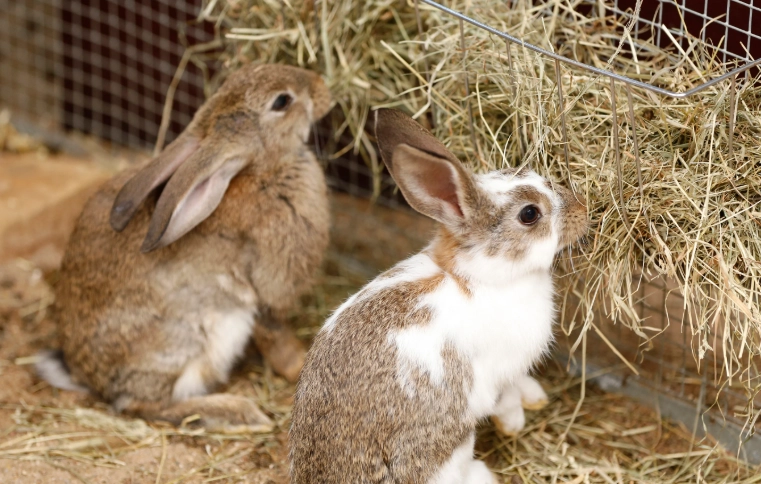
3 Weeks to 7 Weeks: The Weaning Explorers
This is where things get interesting. Around three weeks, kits' eyes open, and they start to wobble out of the nest. Curiosity kicks in. They'll start nibbling on what mom is eating. This is the natural start of the weaning process.
What to Offer:
- Hay: Introduce unlimited, high-quality alfalfa hay. Alfalfa is a legume hay, not a grass hay. It's higher in protein, calcium, and calories—perfect for supporting rapid growth. Let them munch freely.
- Pellets: Start offering a small amount of alfalfa-based juvenile rabbit pellets. Look for a brand with at least 18% fiber and 16-18% protein. I'm not a fan of the brands full of colorful bits and seeds; a plain, uniform pellet is best. Oxbow's "Young Rabbit" formula is a widely trusted example.
- Water: Provide a shallow dish of fresh water. They'll start learning to drink alongside eating solids.
They'll continue nursing from mom but will gradually eat more solids. By around 7-8 weeks, they are typically fully weaned. This natural overlap is important—the milk helps their gut bacteria adjust to the new solid foods.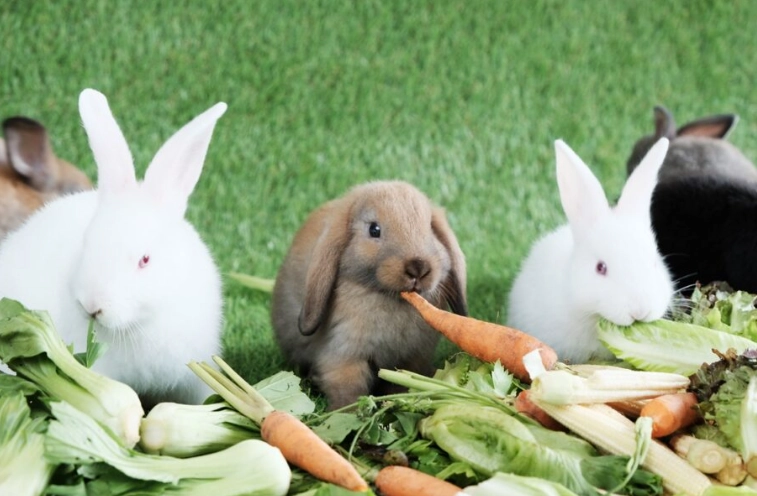
7 Weeks to 7 Months: The Juvenile Growth Spurt
This is the "teenage" phase. They're full of energy, growing like weeds, and need fuel to match. The focus is still on supporting development without letting them become picky eaters.
The Juvenile Diet Breakdown:
| Food Item | Type & Purpose | Daily Amount & Notes |
|---|---|---|
| Hay | Alfalfa Hay. Primary source of fiber, protein, and calcium for bone/tooth growth. | Unlimited, 24/7 access. It should make up 80% of their intake. The pile should always be bigger than the bunny. |
| Pellets | Alfalfa-based Juvenile Pellets. Concentrated nutrition supplement. | 1/4 cup per 3 lbs of body weight. Split into two feedings. Measure it! Free-feeding pellets leads to hay avoidance. |
| Vegetables | Leafy Greens. Introduce variety and moisture. | Start introducing at 12 weeks. Begin with one type at a time, a small piece (like one small romaine leaf). Watch for soft stools. |
| Water | Fresh, clean water. | Unlimited. Use both a bowl (more natural) and a bottle as backup. |
Vegetable introduction is key here. Start simple and mild. Romaine lettuce, cilantro, and bok choy are great starters. Avoid high-oxalate greens like spinach and parsley for now, and absolutely no iceberg lettuce (it's mostly water with little nutrition). Introduce one new green every 3-4 days to monitor for any digestive upset.
What about treats? Honestly, I'd hold off. Their main "treat" should be the variety in their greens. A tiny piece of carrot or apple (smaller than your thumbnail) once a week is the absolute max. You're setting lifelong habits now. A rabbit that learns to expect sweet treats will hold out for them and refuse their hay.
This juvenile phase is when you're actively deciding what to feed rabbits by age to build a robust foundation. It's all about alfalfa and growth-focused pellets.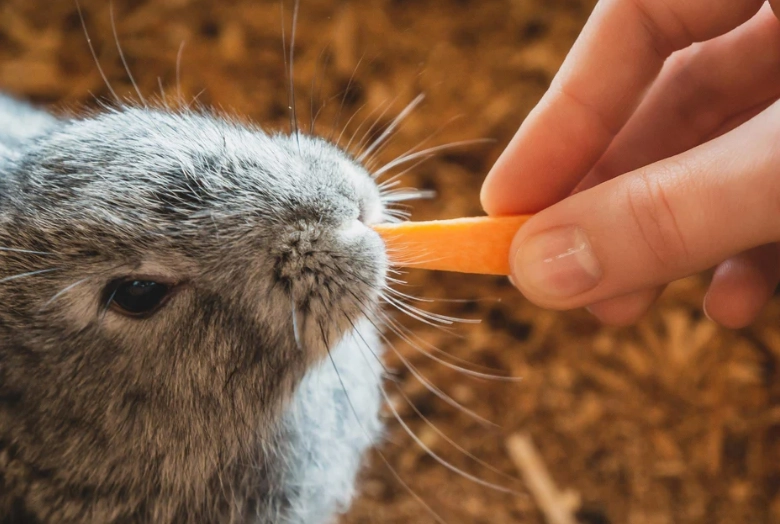
7 Months to 5 Years: The Adult Maintenance Diet
This is the big switch. Around 7 months, growth plates close, and your rabbit is considered an adult. Their dietary needs shift from construction to maintenance. The most critical change? Switching from alfalfa to grass hay.
The Adult Diet Essentials:
Hay (80-90% of diet): Unlimited Timothy Hay, Orchard Grass, Meadow Hay, or Oat Hay. These grass hays are high in fiber but lower in protein and calcium than alfalfa, which is perfect for maintaining a healthy weight and preventing urinary calcium buildup. I usually offer a mix of Timothy and Orchard for variety. The quality is paramount—it should smell sweet and fresh, not dusty or moldy.
Pellets (5% of diet): Switch to a Timothy hay-based adult pellet. Look for a high fiber content (minimum 18%, 20%+ is better) and lower protein (14% or less) and calcium. The portion size drops significantly. A general guideline is 1/4 cup per 5-6 lbs of body weight per day. For a standard 4-pound rabbit, that's about two tablespoons. It seems small, but pellets are a supplement, not the main course.
Let me rant for a second about pellets. The pet store shelves are full of garbage. Those mixes with corn, peas, seeds, and colored bits? They're like rabbit candy. Rabbits pick out the tasty, unhealthy parts and leave the fibrous pellets. This leads to an imbalanced diet and dental issues. Stick with a plain, uniform, pelleted feed. Brands like Oxbow Adult, Science Selective Rabbit, and Sherwood Forest Adult are consistently recommended by vets.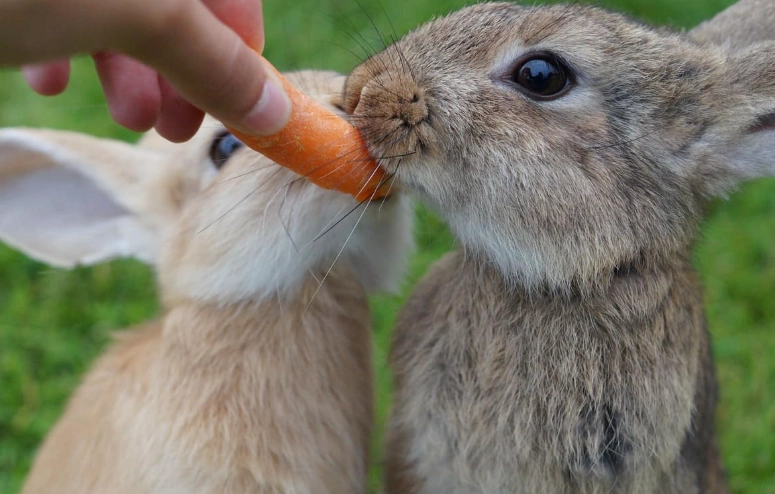
Vegetables (10-15% of diet): This is where you can get creative. Offer a minimum of 1 packed cup of fresh, washed veggies per 4 lbs of body weight daily. Rotate through 3 different types each day for nutrient variety.
- Staple Greens (can be fed daily): Romaine, Green/Red Leaf Lettuce, Butter Lettuce, Endive, Escarole, Cilantro, Bok Choy, Arugula.
- Herbs (great for variety): Basil, Mint, Dill, Parsley (in moderation due to oxalates).
- Other Veggies (feed 1-2 times weekly): Carrot tops (yes, the greens are great!), Bell Pepper (any color, seeds removed), Brussels Sprouts, Broccoli (stems and leaves).
Fruits & Treats (Less than 5%): Think of these as occasional bribes for nail trims, not daily snacks. A blueberry, a thin slice of banana, a small apple piece. Once or twice a week, max.
This adult diet is about balance and prevention. You're feeding for a long, healthy middle age. It answers the core question of what to feed rabbits by age for the longest period of their life.
5-6 Years and Up: The Senior Rabbit Adjustment
Rabbits are considered seniors around age 5-6 (larger breeds may be earlier). You might notice they're less active, sleep more, or have a little less spring in their hop. Their dietary needs shift again, requiring more sensitivity.
Key Adjustments for Senior Bunnies:
1. Hay is Still King, But Make it Accessible: Dental issues are common in older rabbits. Molars can develop spurs, making chewing painful. If your senior is dropping more "quids" (partly chewed wads of hay) or losing weight, try offering softer hay varieties. Orchard grass or botanical hay blends are often softer than coarse Timothy. You can also lightly mist the hay with water to make it easier to chew.
2. Pellets – Consider a Senior Formula or Adjust Quantity: If your rabbit is maintaining weight on their adult pellets, you can continue. If they're losing weight (and a vet has ruled out other causes), you might slightly increase pellets or switch to a senior-specific formula, which is often a bit higher in protein. Conversely, if they're becoming a couch potato and gaining weight, you might need to reduce pellets slightly. It's a balancing act.
3. Vegetables – Focus on Hydration and Easy Digestion: Continue with leafy greens, but you might steam harder vegetables like carrot or broccoli stems for a few seconds to soften them. Ensure veggies are a reliable source of moisture, especially if water intake seems low.
4. Monitor Water Intake Closely: Kidney function can decline with age. Ensure fresh water is always available and appealing. A wide, heavy ceramic bowl is often easier for seniors than a bottle spout.
A study from the University of Oxford on aging pets highlights the importance of tailored nutrition for senior animals, emphasizing digestibility and managing age-related organ changes. This principle applies perfectly to rabbits. You're not just feeding a senior rabbit; you're supporting their aging body.
The goal for a senior diet is to maintain quality of life, keep them eating comfortably, and manage any emerging health conditions through food.
Foods to Avoid at Any Age
Some things just don't belong in a rabbit's stomach, ever. This list is non-negotiable.
- Human Junk Food: Bread, crackers, cereal, pasta, cookies. Their gut cannot process grains and sugars like this.
- Legumes & Beans: Kidney beans, lentils, etc. Cause severe gas and bloating.
- Certain Vegetables: Onions, garlic, leeks, potatoes (and their plants), rhubarb. These are toxic.
- Iceberg Lettuce: It has a lactucarium content that can be harmful in quantity and offers almost no nutritional value.
- Seeds, Nuts, Corn: Major choking hazards and too high in fat. The corn hull is indigestible.
- Yogurt Drops & Processed "Rabbit Treats": Loaded with sugar and utterly unnecessary.
- Meat or Dairy: They are strict herbivores.
Answering Your Top Questions on What to Feed Rabbits by Age
Putting It All Together: A Lifelong Feeding Strategy
Figuring out what to feed rabbits by age isn't a one-time task. It's an ongoing conversation with your pet. Watch their weight (feel their spine and ribs—you should be able to feel them under a thin layer of flesh), monitor their poop (round, firm, and plentiful is good), and observe their energy.
Your best allies are a good rabbit-savvy veterinarian and reliable resources. I constantly reference the House Rabbit Society's dietary guidelines because their advice is science-based and practical. For in-depth nutritional analysis of hays and feeds, the Victoria State Government's agriculture department has some excellent, no-nonsense fact sheets.
Remember, you're not just filling a bowl. You're directly shaping your rabbit's health, longevity, and happiness with every handful of hay and every leaf of greens. Start them right as kits, maintain them well as adults, and support them gently as seniors. It's the most important care you can provide, beyond love and shelter.
And honestly, there's nothing more satisfying than seeing a rabbit happily munching on a big pile of hay, knowing you've got their diet just right for their stage of life. It's quiet, simple, and absolutely fundamental.


Join the Conversation