Your Rabbit Health Check Roadmap
- Why Bother? The Critical Importance of Regular Checks
- The Daily Glance: Your 60-Second Bunny Scan
- The Weekly Hands-On Rabbit Health Check
- The Professional Side: The Annual Vet Wellness Exam
- Red Flags: When to Skip the Check and Call the Vet NOW
- Common Health Issues a Good Check Can Catch Early
- Your Rabbit Health Check Toolkit
- Straight Answers: Your Rabbit Health Check FAQ
- Wrapping It Up: Consistency is Your Superpower
Let's be honest. Rabbits are masters of disguise. In the wild, showing weakness is an invitation for trouble, so our pet bunnies have inherited this stubborn instinct to hide any sign of illness until they absolutely can't anymore. That's what makes a regular rabbit health check not just a good idea, but a literal lifesaver. I learned this the hard way with my first rabbit, Thumper. He seemed fine, just a little quieter than usual for a day. By the time I realized something was seriously wrong, we were in an emergency vet situation. It was stressful, expensive, and completely avoidable with better knowledge.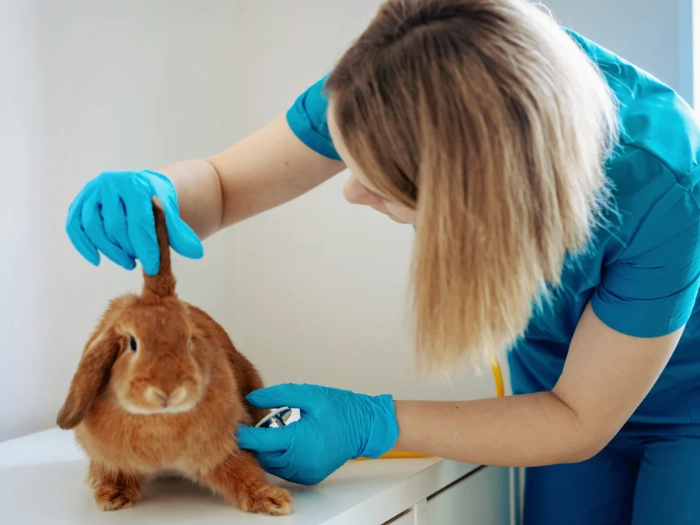
That experience changed how I care for rabbits. I'm not a vet, but I've spent years talking to them, reading everything from the Rabbit Welfare Association & Fund (RWAF) guidelines to veterinary journals, and of course, living with these wonderful, frustrating creatures. This guide is everything I wish I'd known. We'll move beyond just "check their eyes and nose" and dive into the what, why, and how of a truly comprehensive wellness routine.
Think of it as becoming your rabbit's primary healthcare detective.
Why Bother? The Critical Importance of Regular Checks
You wouldn't go years without a doctor's visit, right? For rabbits, the interval is much shorter. Their metabolism is like a hummingbird's on fast-forward. Health issues can escalate from minor to critical in a matter of hours, not days. Gastrointestinal stasis (GI stasis), a common and deadly condition, can sneak up fast. A simple overgrown tooth can lead to abscesses and starvation.
A proactive rabbit health check routine bridges the gap between annual vet visits. It's your early warning system. It helps you establish what "normal" is for your bunny—their usual energy level, appetite, poop size and shape, even the feel of their fur. Once you know normal, you spot abnormal instantly.
The Big Rule: A home health check is not a substitute for professional veterinary care. It's a monitoring tool. Its primary purpose is to give you the confidence to know when you need to call the vet, potentially before it becomes an emergency.
The Daily Glance: Your 60-Second Bunny Scan
This isn't a formal exam. It's just you, being observant during your normal interactions. Do this every single day, ideally in the morning when you refresh their hay. It becomes second nature.
- Attitude & Activity: Is your bunny up, curious, and begging for treats? Or are they hunched in a corner, lethargic, or unusually aggressive? A change in personality is often the first red flag.
- The Food Bowl (& Hay Rack) Truth: Is the fresh veg you gave last night mostly gone? Is the hay pile noticeably dwindling? Rabbits need to eat constantly. A lack of interest in food is a DEFCON 1 emergency.
- The Poop Patrol: This is crucial. Scan their litter box. You want to see plenty of uniform, round, fibrous droppings. Be on high alert for: small, misshapen, or strung-together poops; a sudden lack of poops; or the presence of soft, sticky cecotropes (which they normally eat directly from their bottom) stuck to their fur or the floor.
- Drinking: Note their water bottle or bowl level. A sudden increase or decrease can signal problems.
See? Sixty seconds. Maybe less.
The Weekly Hands-On Rabbit Health Check
This is your more involved session. Pick a calm time, maybe when your bunny is relaxed after eating. Have some of their favorite greens or a small piece of fruit ready as a reward. Go slowly, talk softly. If your rabbit strongly resists, don't force it—try again later. The goal is to make this a positive, or at least neutral, experience.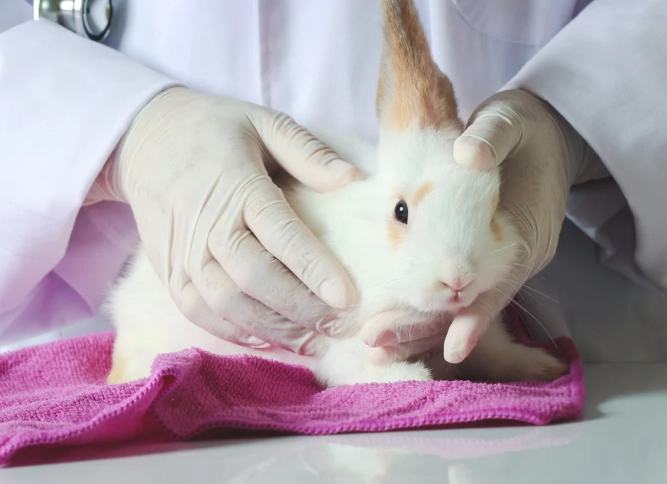
Head and Face Inspection
Start at the front. Gently hold their head, supporting the jaw.
- Eyes: Should be bright, clear, and wide open. No discharge, cloudiness, or swelling. Check the fur around the eyes—is it wet or matted? That's a sign of dental trouble or a blocked tear duct.
- Nose: Dry and twitching is perfect. White, creamy, or colored discharge is a major problem. Sneezing fits? Note them.
- Ears: Feel the base and inside the pinna (the floppy part). They should be clean, pale pink, and cool to the touch. Hot ears can mean fever. Check for dark brown crust (ear mites) or excessive wax.
- Teeth & Mouth: You can't see the back molars, but you can check for signs of trouble. Look for wet fur on the chin or front paws (drooling). Smell their breath—it shouldn't be foul. Gently feel the jawline from the outside. Are there any hard lumps or bumps along the bottom jaw? That's a potential abscess from a tooth root.
Body Check
Run your hands over their whole body with gentle pressure.
- Fur & Skin: The coat should be smooth. Look for bald patches, dandruff, or excessive shedding outside of molt season. Part the fur and check the skin for redness, sores, or scabs. Pay special attention under the chin, around the tail, and on the back of the hind legs.
- Weight & Condition: This is vital. You should be able to feel their ribs with a slight padding over them, like the back of your hand. If the ribs feel like knuckles (too bony) or you can't feel them at all (too padded), there's an issue. A simple kitchen scale is the best tool—track their weight weekly.
- Lumps & Bumps: Feel for any unusual swellings, especially on the mammary glands of females (spayed or not).
Back End & Bottom
The most undignified but critical part. Gently lift the tail.
- Cleanliness: Is their bottom clean and free of sticky cecotropes or fecal matter? A dirty bottom ("poopy butt") can quickly lead to flystrike, a horrific and fatal condition.
- Genitals: Check for any swelling, redness, or discharge.
- Feet & Hocks: Look at the soles of their back feet. Are they furry and soft, or are there red, hairless, or calloused patches (sore hocks)? This is common on hard flooring.
Pro Tip: Pair the weekly check with a gentle grooming session, especially for long-haired breeds. It helps them associate handling with positive care.
The Professional Side: The Annual Vet Wellness Exam
No matter how diligent you are at home, a yearly professional rabbit health check with a rabbit-savvy vet is non-negotiable. I can't stress this enough. A general cat-and-dog vet often lacks the specific training. Look for a vet listed on the House Rabbit Society's vet list or one who is a member of the Association of Exotic Mammal Veterinarians (AEMV).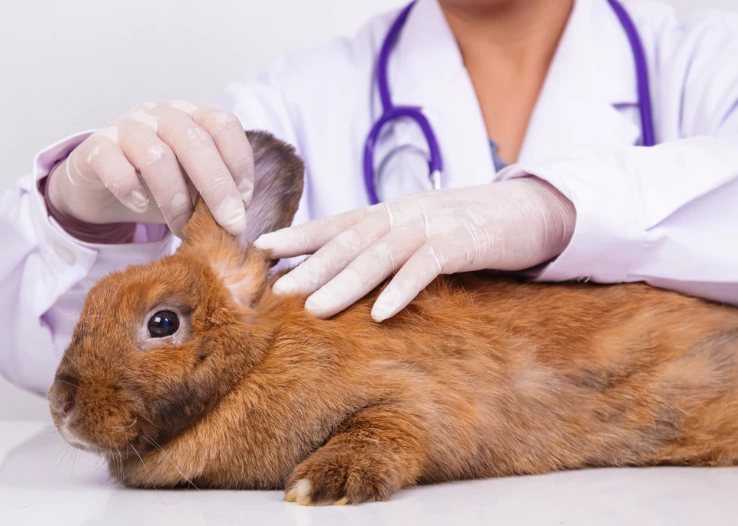
Here's what a good annual exam should cover, beyond what you do at home:
| What the Vet Does | Why It's Important & What They Find |
|---|---|
| Full Physical Exam | Palpating abdomen for masses, listening to heart/lungs with a stethoscope (hard for you to do), checking joint mobility. |
| Dental Exam with Otoscope | This is key. They use a tool to see the back molars, checking for sharp points (spurs), overgrowth, or root issues invisible from the outside. |
| Weight & Body Condition Score | Objective tracking over time. They'll note if your home assessment matches theirs. |
| Nail & Scent Gland Trimming | They can quickly trim nails and clean those funky scent glands near the tail that owners often miss. |
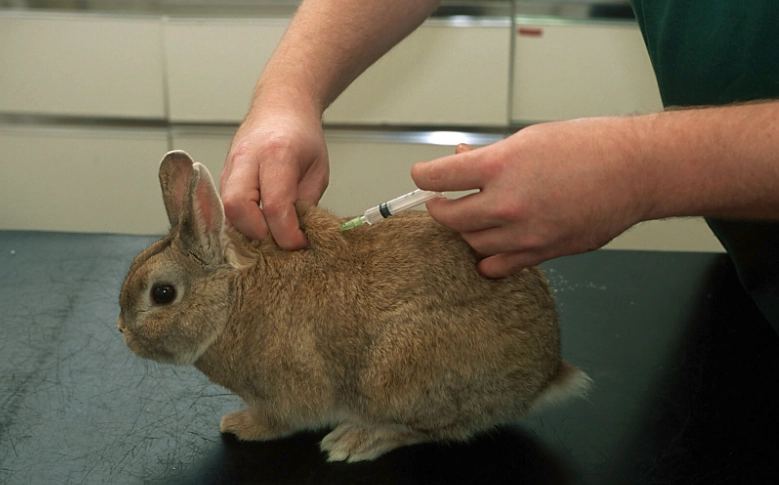
| Vaccination Review | In many regions, rabbits need vaccines for Rabbit Viral Haemorrhagic Disease (RVHD) and Myxomatosis. Your vet will keep this on schedule. |
| Parasite Check | They may take a fecal sample to check for internal parasites like coccidia or worms. |
| Senior Rabbit Bloodwork | For rabbits over 5-6 years old, blood tests can reveal early kidney, liver, or thyroid issues long before symptoms appear. |
That last point about senior bloodwork is a game-changer. It's saved one of my older bunnies by catching a kidney issue we could then manage with diet.
Red Flags: When to Skip the Check and Call the Vet NOW
Some situations mean you stop Googling and pick up the phone immediately. A delayed response can be fatal.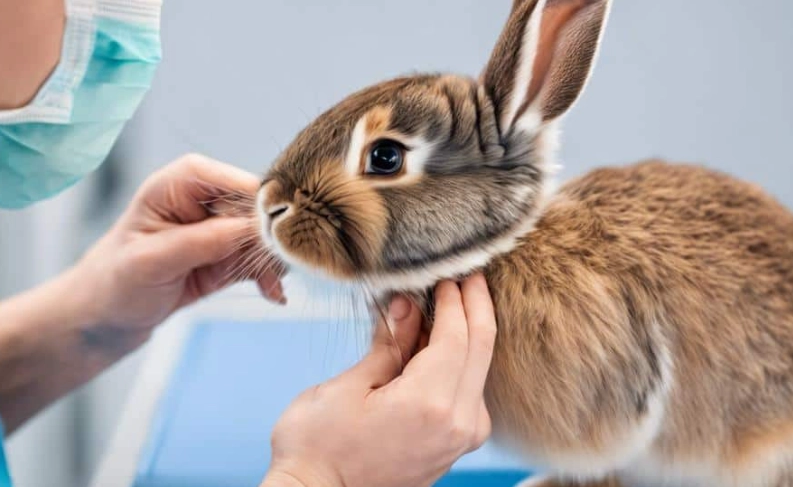
Zero appetite. This is the biggest one.
If your rabbit has not eaten any hay or greens in over 10-12 hours, it's a veterinary emergency. GI stasis sets in fast. Don't wait until morning.
No fecal output. If the poop factory has shut down for half a day, something is seriously wrong internally.
Lethargy & Hunched Posture. A rabbit sitting all hunched up, pressing its belly to the floor, is in significant pain. They might also grind their teeth loudly (a sign of pain, not contentment).
Difficulty Breathing. Mouth breathing, heavy chest movements, or loud respiratory sounds are critical.
Any trauma, seizure, or obvious injury.
Head Tilt or Loss of Balance. This could be a sign of an inner ear infection or a neurological issue.
Trust your gut. If your instinct is screaming that something is "off" with your bunny, even if you can't pinpoint it, call your vet. It's always better to be told it's nothing than to regret waiting.
Common Health Issues a Good Check Can Catch Early
Let's link the checks to real problems. This is where your detective work pays off.
- Dental Disease: The king of rabbit health issues. Overgrown teeth cause pain, leading to reduced appetite, weight loss, and drooling (wet dewlap/chin). Your weekly face check catches the drooling; the vet's otoscope finds the spurs.
- GI Stasis: The gut stops moving. Early signs are smaller, fewer poops and slight appetite reduction. Your daily poop patrol is the frontline defense.
- Urinary Tract Issues: Blood in urine, straining to urinate, or a wet, urine-scalded bottom. The weekly bottom check catches this.
- Parasites: Fur mites cause dandruff and itching. Ear mites cause crusty ears. Your hands-on check finds the evidence.
- Sore Hocks: Bare, red patches on footpads from improper flooring. The weekly foot inspection reveals it before it gets infected.
- Uterine Cancer (in unspayed females): This has a terrifyingly high incidence rate. Blood in urine, behavioral changes, or lumps felt during the body check can be indicators. Spaying is the best prevention.
Your Rabbit Health Check Toolkit
You don't need fancy gear. Here's my essentials list:
- Kitchen Scale: For weekly weighing. Use a bowl or box to contain your bunny. Record the numbers!
- Small Flashlight/Phone Light: For peeking into ears and getting a better look at eyes and nose.
- Treats, Treats, Treats: High-value rewards to create positive associations. Cilantro, basil, a tiny bit of banana.
- Nail Clippers: Small animal-specific ones. If you're not confident, let the vet do it during the annual visit.
- Notebook or App: To log weight, notes from checks, and vet visit summaries. Patterns emerge from data.
- A Calm Demeanor: Seriously. Your rabbit senses your stress. Breathe. Go slow.
Straight Answers: Your Rabbit Health Check FAQ
Wrapping It Up: Consistency is Your Superpower
A rabbit health check isn't a scary medical procedure. It's an act of love and observation. It's the quiet five minutes you spend connecting with your pet and ensuring their silent world is a comfortable one.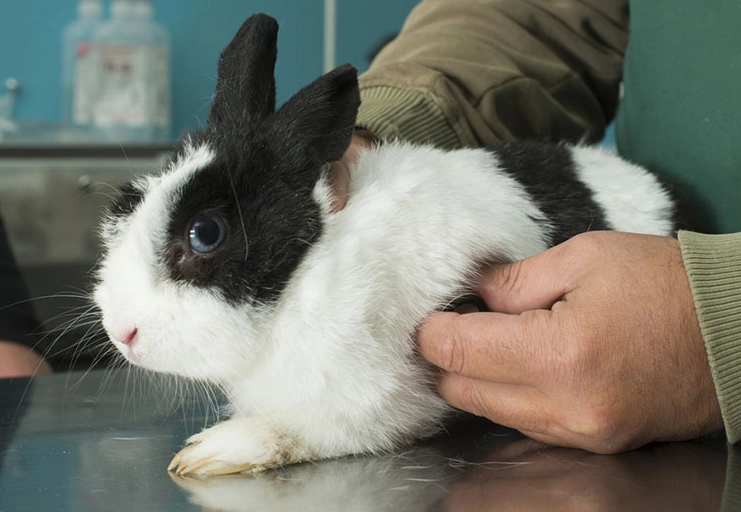
The goal isn't perfection. You might miss something. Your rabbit might have an off day for no reason. That's okay. The goal is to build a habit of mindful care, to know your bunny so well that the slightest deviation sets off your spidey-sense.
Start tonight. Just watch them. See how they move, how they eat. Tomorrow, maybe feel along their back. Build your routine slowly. Pair it with treats and gentle words.
You've got this. And your rabbit, though they may protest loudly about the indignity of a bottom inspection, will ultimately be healthier and happier for it. That peace of mind, knowing you're doing everything you can, is worth every second spent.



Join the Conversation