Quick Overview
Let's be honest, the first time you think about grooming your dog yourself, it can feel pretty overwhelming. You've got a wiggly pup, sharp tools, and maybe a bit of fear on both sides. I remember trying to trim my first dog's nails and feeling like I was performing open-heart surgery. It was a mess. But here's the thing – learning how to groom a dog step by step for beginners is absolutely doable. It saves you money, strengthens your bond with your pet, and honestly, it's kind of satisfying once you get the hang of it. This isn't about turning you into a professional groomer overnight. It's about giving you the confidence to handle the basics at home, keeping your dog clean, comfortable, and healthy between professional visits (or instead of them, for the basics).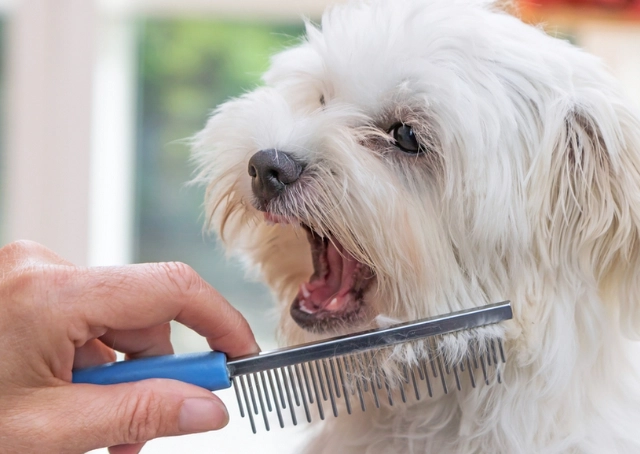
We're going to break it down into simple, manageable chunks. No jargon, no fancy techniques – just clear, practical steps you can follow.
Getting Your Ducks in a Row: The Pre-Grooming Checklist
Jumping right in is a recipe for frustration. Preparation is 50% of the battle won. You wouldn't bake a cake without checking you have eggs, right? Same principle applies here.
First, choose your battlefield. A bathroom or laundry room with a non-slip floor is ideal. Lay down some old towels. If you're bathing a larger dog, a walk-in shower or a bathtub with a handheld sprayer is gold. For small dogs, a clean kitchen sink can work wonders. The key is to contain the mess and the dog.
Next, gather your tools. You don't need a salon's worth of equipment to start. Here’s a straightforward list of what you actually need versus what's nice to have.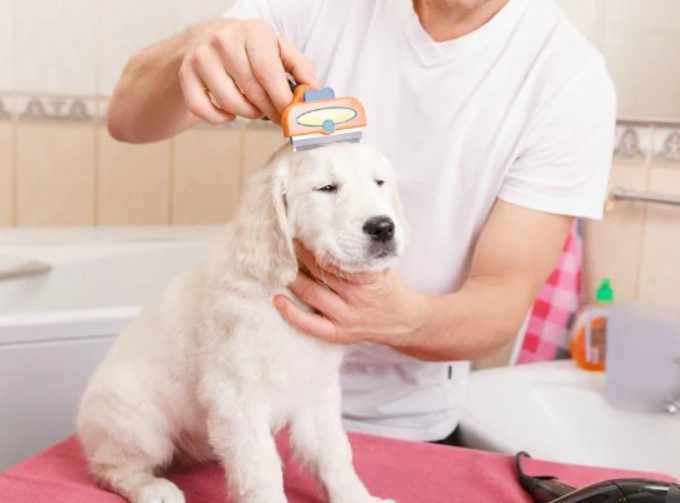
| Tool | Why You Need It | Beginner Notes & Recommendations |
|---|---|---|
| Slicker Brush & Undercoat Rake | Removes loose fur, prevents mats, stimulates skin. The slicker is for topcoat, the rake for thick undercoats. | Start with a gentle slicker. Don't press too hard – you're brushing the dog, not scrubbing a pan. |
| Metal Comb | The ultimate test for mats. If it glides through, you're good. If not, you've found a tangle. | A must-have. The fine and wide teeth combo is versatile. |
| Dog-Specific Shampoo & Conditioner | Human products wreck a dog's skin pH. Dog shampoo is formulated for their coat and skin. | Oatmeal-based is great for sensitive skin. Have a gallon jug ready for rinsing – this is crucial. |
| Nail Clippers (Guillotine or Scissor-style) & Styptic Powder | Keeps nails short for paw health and your floors. Styptic powder stops bleeding if you cut too short. | Guillotine is easier for beginners, in my opinion. Have the styptic powder OPEN and within arm's reach. |
| Ear Cleaning Solution & Cotton Balls | Prevents infections by removing wax and moisture. | Never use Q-tips deep in the ear canal. Cotton balls only. |
| Toothbrush & Dog Toothpaste | Dental health is part of grooming! Prevents tartar and bad breath. | Finger brushes can be easier to start with. Chicken-flavored paste helps. |
| High-Velocity Dryer (Nice-to-Have) | Blows out loose undercoat and dries the dog fast, preventing hot spots. | A game-changer for double-coated breeds, but a loud one. Start on low settings. |
| Thinning Shears (Nice-to-Have) | For blending and tidying fur without creating harsh lines. | Safer than straight shears for beginners wanting to neaten ears/paws. |
Now, the most important tool: your dog's mood. Don't try to do a full groom when they're hyper. A tired dog is a cooperative dog. A good, long walk first can make all the difference. Have treats ready – tiny, high-value ones like boiled chicken or cheese. This is about positive association.
The Core Process: Your Step-by-Step Dog Grooming Routine
This is the heart of it – the actual "how to groom a dog step by step for beginners" process. Follow this order. It's logical and prevents you from, say, bathing a dog with massive mats (which just turns them into bigger, tighter mats).
Step 1: The Thorough Brush-Out (Non-Negotiable)
Never, ever skip this. Bathing a matted dog is painful for them and near impossible for you to fix later. Start with the slicker brush, working in sections. Brush with the hair growth, not against it. Pay special attention to high-friction areas: behind the ears, under the arms, the belly, and the back of the legs. These are mat magnets.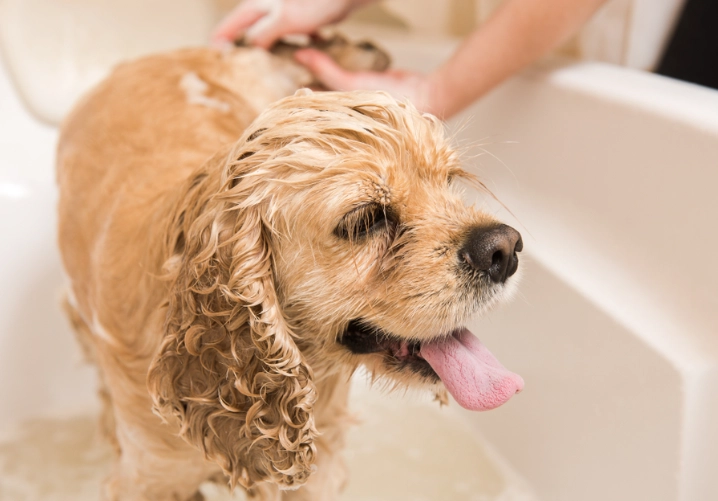
Follow up with the metal comb. This is your quality check. The comb should glide from the skin all the way to the end of the hair without catching. If it catches, you've found a tangle. Hold the fur at the base of the mat (to avoid pulling skin) and gently work it apart with your fingers or the end teeth of the comb. For severe mats, you might need to carefully cut them out with blunt-tipped scissors, parallel to the skin. If it's a large or tight mat, it's often kinder to let a professional handle it.
Think of it like detangling wet hair – gentle and patient wins the race.
Step 2: The Calm, Effective Bath
Prep the water before the dog enters. Lukewarm is the key – test it on your inner wrist like a baby's bottle. Too hot is awful for them. Place a cotton ball gently in each ear to prevent water ingress (remember to remove them after!).
Wet your dog thoroughly, all the way down to the skin. This takes longer than you think, especially on dense coats. Apply shampoo from the neck down, avoiding the eyes and ears. Lather it up, massaging down to the skin. A rubber brush can help here. Then, rinse, rinse, and rinse again. Leftover shampoo is a major cause of itchy skin. The water should run completely clear.
Apply conditioner if using, let it sit for a few minutes, then rinse thoroughly again. When you think you're done rinsing, give it another minute for good measure.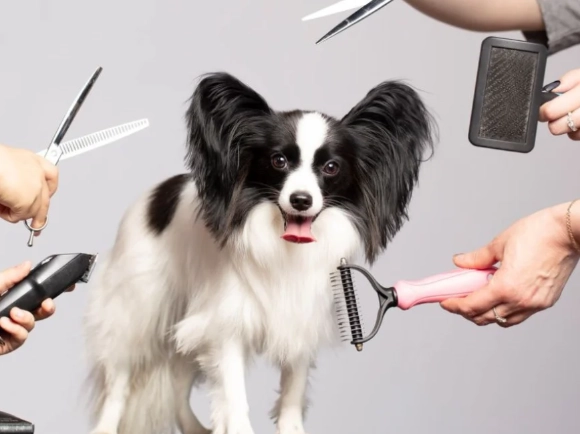
Step 3: Drying – The Underrated Step
Most dogs will shake. Let them do one big shake in the tub before you start. Then, use a super-absorbent microfiber towel to blot and squeeze out water. Rubbing can cause tangles, especially in long-haired breeds.
If you're using a dryer, start on the lowest setting, away from the dog, letting them get used to the sound and feel. Dry the feet and legs first – dogs often tolerate this better than starting on their body. Keep the dryer moving constantly and use your hand to feel the skin underneath to avoid overheating. For double-coated breeds (Huskies, Retrievers), drying is when you'll see clouds of undercoat come out. It's incredible.
If air-drying, keep your dog in a warm, draft-free room. Check between skin folds (like on Bulldogs or Pugs) to ensure they are completely dry to prevent yeast infections.
Step 4: Nail Trimming – Facing the Fear
This is the step everyone dreads, but it doesn't have to be scary. Good lighting is essential. Hold the paw firmly but gently. For light-colored nails, you can see the pink "quick" (the blood vessel). Cut at least 2mm away from it. For black nails, this is where it gets tricky. Make small, conservative cuts and look at the cross-section after each snip. When you see a grayish/pinkish oval in the center, you're approaching the quick. Stop.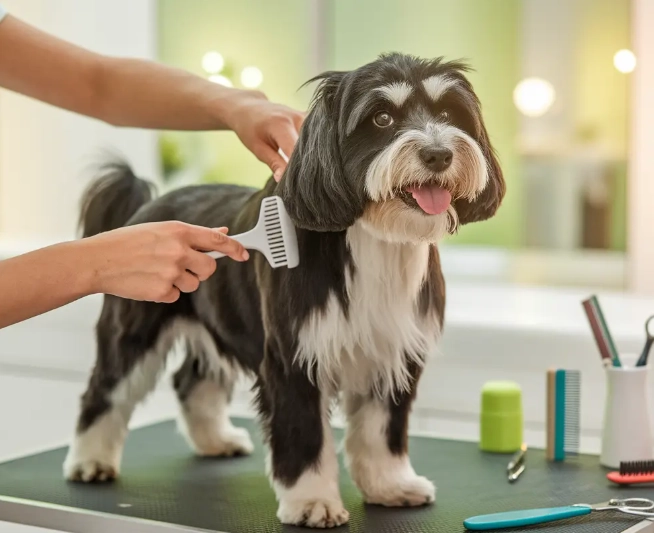
If you do nick the quick, don't panic. Apply styptic powder with firm pressure for a minute. It will sting them briefly, so have a treat ready immediately after. Honestly, cutting too little too often is better than cutting too deep once. The American Veterinary Medical Association (AVMA) has excellent visual guides on nail anatomy if you need a reference.
Still nervous? Just file the tips weekly with a dremel or coarse file. It's slower but very safe.
Step 5: Ear and Eye Care
For ears, soak a cotton ball with a vet-recommended ear cleaner. Wipe the visible part of the inner ear flap and the entrance to the ear canal. Do not dig deep. You're just removing what you can see. The ear should be pale pink and not smell bad. A foul odor or redness means a vet visit.
For eyes, use a soft, damp cloth to wipe away any "sleep" or discharge in the corners. Use a different part of the cloth for each eye to avoid spreading any potential infection.
Step 6: The Finishing Touches (Brushing & Light Trimming)
Once completely dry, give your dog one more light brush with the slicker or a bristle brush. This redistributes natural oils and leaves the coat shiny.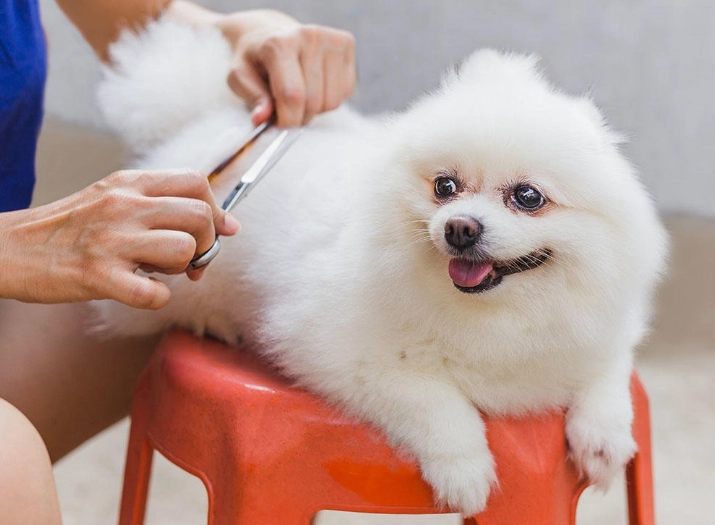
You can use your thinning shears to neaten up the "feathers" on the legs, tidy the fur around the paws (between the paw pads too – use blunt scissors for that), and trim the hair around the sanitary area for hygiene. The goal isn't a show cut, it's cleanliness and comfort. For breed-specific cuts, that's where you'd book a professional groomer.
And that's it. You've done it. A full, basic home groom.
Tailoring Your Approach: It's Not One-Size-Fits-All
A Poodle and a Beagle have very different grooming needs. Your approach to how to groom a dog step by step for beginners should adapt.
For Short-Haired Dogs (Beagles, Boxers, Labs): Easy on the brushing front. A rubber grooming mitt or a bristle brush once a week is plenty. Baths can be less frequent unless they roll in something. The main focus is nails, ears, and teeth.
For Long-Haired Dogs (Shih Tzus, Yorkies, Collies): This is a commitment. Daily brushing is ideal to prevent mats. Line brushing (lifting sections of hair to brush the undercoat) is a key technique. Consider a leave-in conditioner spray to help with tangles. The American Kennel Club (AKC) has great breed-specific grooming guides that are worth a look.
For Double-Coated Dogs (Huskies, German Shepherds, Golden Retrievers): Never shave them. You'll ruin their insulating coat. Your best friends are the undercoat rake and the high-velocity dryer during shedding season ("blowing coat"). Brushing several times a week is mandatory to manage the fur-pocalypse.
For Wrinkly Dogs (Bulldogs, Pugs, Shar-Peis):
Those adorable folds need daily attention. Wipe them clean and dry with a soft cloth to prevent moisture buildup and infection. Their tail pockets (the area under the tail) also need regular cleaning.
Navigating Common Problems and Questions
Let's tackle the stuff that usually doesn't make it into the perfect tutorial videos.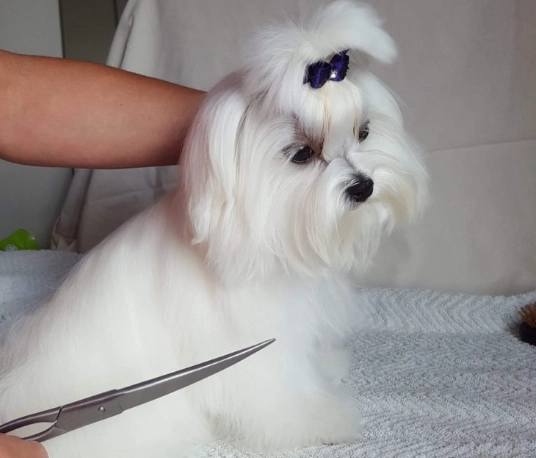
Brushing: Short-haired: Weekly. Long/Double-coated: Several times a week to daily during shed season.
Bathing: Every 4-6 weeks for most dogs. Over-bathing strips essential oils. Some dogs with oily coats (like Basset Hounds) or skin conditions may need more frequent medicated baths as directed by a vet.
Nails: Check every 2 weeks. If you hear clicking on the floor, they're too long.
Ears: Check weekly, clean as needed (usually every 1-2 weeks).
Teeth: Aim for daily, but even 3-4 times a week makes a huge difference.
- Never use human shampoo. It's too harsh.
- Never cut mats with scissors pointed at the skin. You will cut the skin. It's horrifically easy to do.
- Never leave your dog unattended on a grooming table or in the tub. Not even for a second.
- Never force a terrified dog. You're building a long-term relationship, not just getting a task done.
- Never spray water directly in their face or ears.
Wrapping It Up: You've Got This
Learning how to groom a dog step by step for beginners is a journey. Your first attempt might be clumsy. The haircut might be a little lopsided. That's okay. The goal isn't perfection; it's care and maintenance. You're learning a valuable skill that benefits your dog's physical health and your bond with them.
Start small. Maybe just do a thorough brush and nail trim one week. Add a bath the next. Celebrate the small victories. That moment when your dog finally relaxes during a brushing session, or when you successfully trim all the nails without incident – it feels great.
Remember, you're not alone. There are tons of resources. Beyond the AVMA and AKC links mentioned, the National Dog Groomers Association of America (NDGAA) is a great place to look for certified groomers and more in-depth techniques if you want to advance.
So take a deep breath, gather your tools and some treats, and give it a try. Your dog might just surprise you. And your wallet will definitely thank you.


Join the Conversation