Here's the quick answer most owners are looking for: you should feed your gerbil once per day, ideally in the evening. A level tablespoon of a good quality gerbil food mix is the standard starting point for an adult. But if you stop there, you're missing the nuances that separate a merely fed gerbil from a thriving one. Getting the frequency right is just the first step. The real magic—and where most mistakes happen—lies in the what, the how much, and understanding your specific gerbil's behavior.
I've seen too many well-meaning owners accidentally harm their pets' health through overfeeding or an imbalanced diet. It's not their fault; a lot of common advice is overly simplistic. Let's fix that.
What's Inside This Guide?
The Golden Rule of Gerbil Feeding
Gerbils are desert-adapted rodents. In the wild, they don't have a 24/7 all-you-can-eat buffet. They forage, find what they can, and store the rest. Their metabolism is tuned for this. Feeding them once a day mimics this natural cycle and provides mental stimulation. It gives them a job to do: process and stash their food.
Twice-a-day feeding isn't necessarily wrong, but it's often unnecessary and can easily lead to overfeeding. The biggest risk with constant food availability is obesity and selective eating—they pick out the tasty, fatty seeds and leave the healthy pellets.
My take: I started with twice-daily feeding years ago, thinking I was being generous. I ended up with chubby gerbils who ignored their lab blocks. Switching to a single, measured evening meal changed everything. Their activity increased, they foraged more, and their coats looked better. The cage was also cleaner, with less wasted food.
What to Feed Your Gerbil: Beyond the Basics
"Gerbil food" from the pet store isn't all equal. The core of their diet should be a nutritionally complete pelleted diet or lab block. These compressed blocks prevent selective feeding because every bite is balanced. Brands like Oxbow Essentials or Mazuri are good benchmarks.
You can supplement this with a seed mix, but this is where people mess up. The seed mix should be a supplement, not the main course. Think of pellets as their staple meal and the seed mix as a side dish or foraging treat.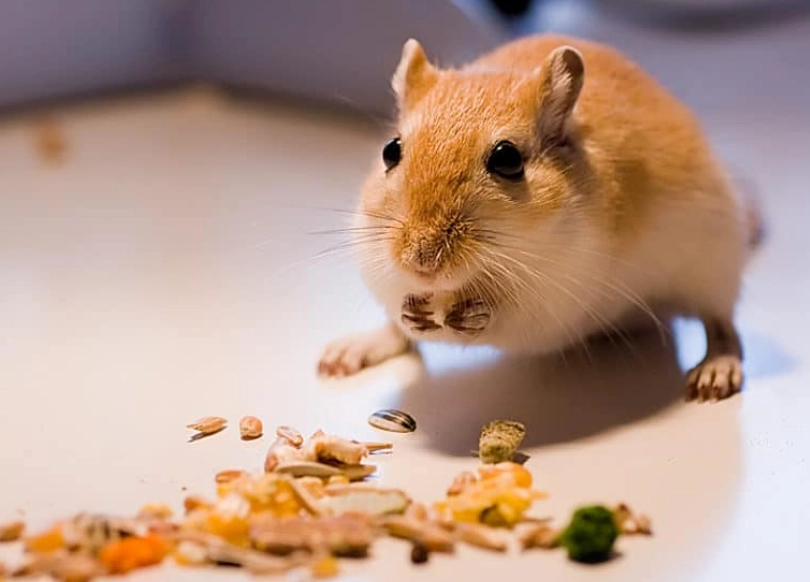
A Healthy Gerbil Food List:
- Staple (70-80%): High-quality gerbil pellets or lab blocks.
- Supplement/Foraging (20-30%): A seed mix with varied grains, millet, and dried herbs.
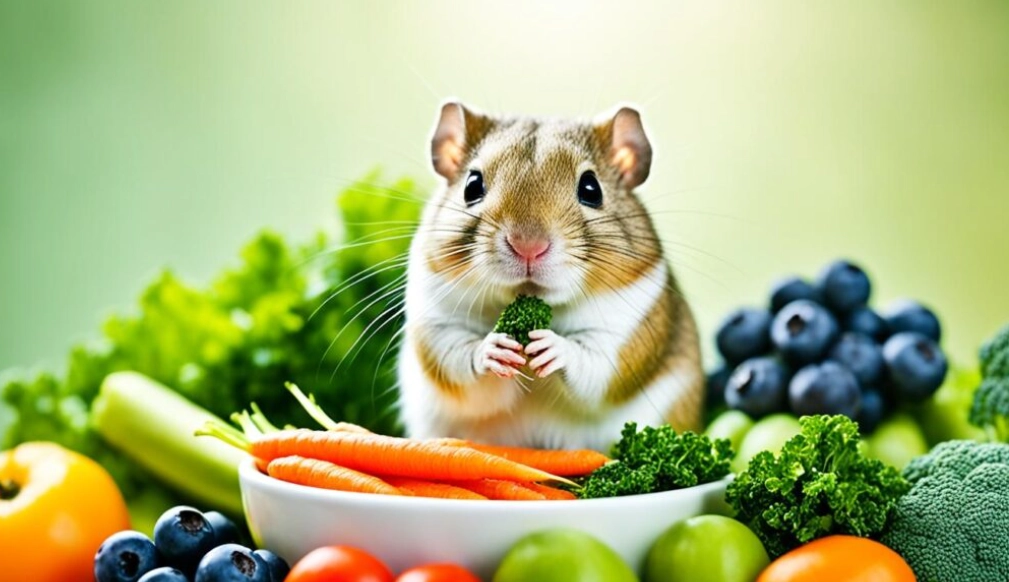
- Fresh Treats (Occasional, tiny amounts): Broccoli florets, carrot shavings, apple slice (no seeds), cucumber. Introduce slowly.
- Protein Boosts (1-2x weekly): A few mealworms, a tiny piece of hard-boiled egg, or plain cooked chicken.
- Always Available: Fresh, clean water in a bottle and something to gnaw on (untreated wood, cardboard).
Avoid sugary treats, citrus fruits, onions, garlic, and raw kidney beans. Lettuce is mostly water and offers little nutrition.
Portion Control: The Tablespoon Isn't Enough
"One tablespoon per gerbil" is the classic advice. It's a decent starting point, but it's vague. A tablespoon of fatty sunflower seed mix is very different from a tablespoon of dense pellets.
A better approach is to base portions on weight and observe. An average adult Mongolian gerbil weighs 70-110 grams. They should eat about 5-10 grams of food daily. A level tablespoon of a standard pellet/seed mix weighs roughly 7-8 grams.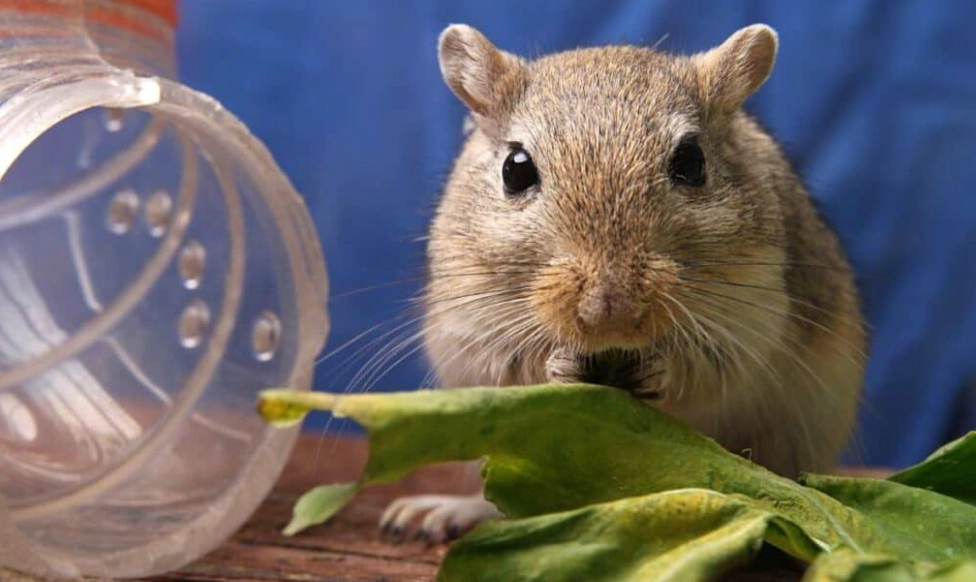
Here’s a more precise guide:
| Gerbils's Weight | Daily Food Amount (approx.) | What to Look For |
|---|---|---|
| Young/Juvenile (under 70g) | Unlimited pellets available. Supplement with small pinch of seeds. | Consistent growth, active. |
| Adult (70-100g) | 7-9 grams (~1 tbsp). Adjust based on activity level. | Stable weight, food mostly eaten/stored in 24h. |
| Senior (Less active) | 6-8 grams. Softer pellets if needed. | Maintain weight, check teeth health. |
The real test is the cage check. If you're consistently finding a large, uneaten pile of food (especially the healthy pellets) the next day, you're giving too much. The goal is for them to have mostly consumed or stored their ration by the next feeding.
Crafting Your Gerbil's Daily Schedule
Gerbils are crepuscular, most active at dawn and dusk. Aligning feeding with their natural rhythms makes sense.
Why Evening Feeding Usually Wins
Feeding in the late afternoon or evening gives them a burst of activity during their peak time. They'll spend hours processing, husking, and caching their food. It's fantastic enrichment. Morning feeding can work, but they often sleep through a large part of the day with a full belly, missing out on foraging behavior.
A Sample Feeding Routine
Let's say you choose 7:00 PM.
- 6:55 PM: Check the cage. Remove any obvious, large uneaten food piles (especially old fresh veggies). Don't be too thorough—they have hidden stores.
- 7:00 PM: Provide the measured daily ration. Scatter a portion of it around the cage or in a digging box to encourage foraging.
- Observe for 10 minutes: You'll learn their habits. Do they eat immediately or start storing?
- The next day: Quick visual check. Is there a huge surplus? Adjust tomorrow's portion slightly if needed.
Consistency is key. They thrive on routine.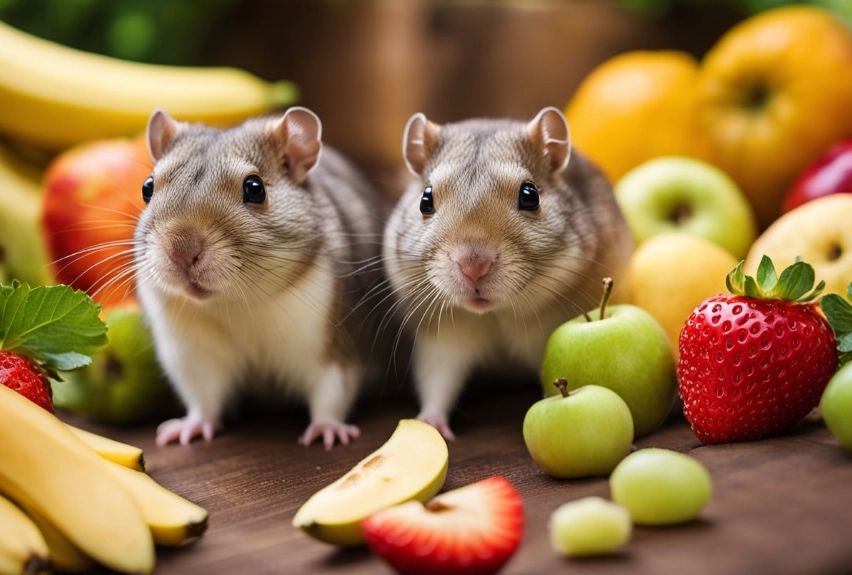
The Weight Watch: The Best Tool You're Not Using
A small digital kitchen scale is the most valuable tool for a gerbil owner. Weighing your gerbil every 2-4 weeks takes 30 seconds and gives you objective data.
Weigh them in a small container (tare the scale first). Record it. A sudden drop can signal illness; a steady creep upward means you need to cut back on portions, particularly fatty seeds.
You can't always see weight gain under all that fur. I had a gerbil, Pip, who felt perfectly normal but had gained 15 grams over six months—that's a lot for a small animal. The scale caught it, not my hands.
Common Feeding Mistakes (And How to Fix Them)
- Mistake 1: The Bottomless Bowl. This invites obesity and picky eating. Fix: Switch to once-daily measured meals.
- Mistake 2: Treat Overload. Sunflower seeds and peanuts are like candy. Fix: Limit these to 1-2 items per day, hidden in foraging toys.
- Mistake 3: Ignoring the Pellets. If they only eat seeds, they're missing vital nutrients. Fix: Temporarily reduce the seed mix portion. Offer the pellets first. They will eat them when hungry enough.
- Mistake 4: Large Fresh Portions. A huge chunk of cucumber rots quickly. Fix: Offer fresh foods in thumbnail-sized pieces, 2-3 times a week, and remove uneaten bits within a few hours.
Your Gerbil Feeding Questions, Answered
 How do I switch my gerbil from a junk-food seed mix to a healthier pellet-based diet?
Feeding your gerbil isn't complicated once you understand their nature. Once a day, a measured amount, focused on quality nutrition over quantity. Watch their weight, enrich their life with foraging, and enjoy the sight of a healthy, active pet going about the important business of managing its food stash. That's the goal.


Join the Conversation