In This Guide
- The Cornerstone: Hay, Hay, and More Hay
- The Supporting Cast: Pellets, Veggies, and the Occasional Treat
- What NOT to Feed Your Rabbit: The Danger List
- Putting It All Together: A Sample Daily Menu
- Answering Your Rabbit Diet Questions
- Special Considerations: Age, Weight, and Health
- The Final Word on Rabbit Diets
Let's cut straight to the chase. If you're asking yourself, "What type of food should rabbits eat?" you're already on the right track. Too many folks think rabbits just munch on carrots all day, thanks to Bugs Bunny, and that's where the problems start. I've seen it happen. The truth is, a rabbit's diet is a delicate, fascinating system, and getting it wrong can lead to some serious health issues. Getting it right, though? That's the secret to a happy, binkying bunny that lives a long, healthy life.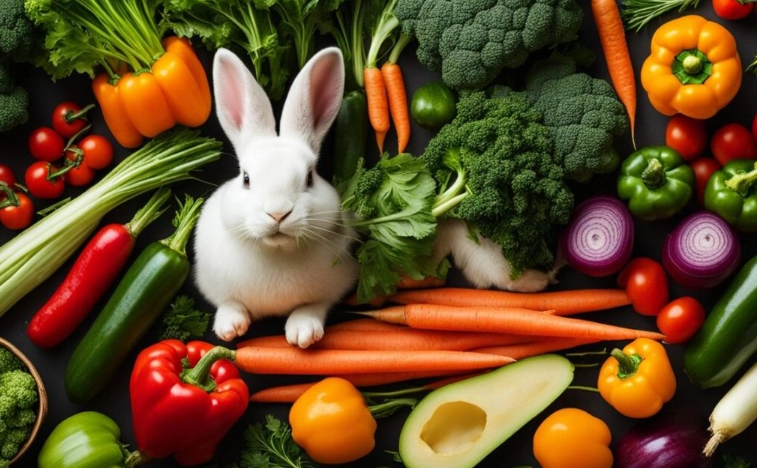
This isn't about complicated science. It's about understanding the basics of what keeps their unique digestive systems humming. We'll break it down piece by piece—hay, pellets, greens, treats—and talk about the why behind it all. I'll even share a couple of mistakes I made with my first rabbit, Thumper, because learning the hard way isn't much fun.
The Cornerstone: Hay, Hay, and More Hay
If you remember one thing from this entire guide, let it be this: hay is non-negotiable. It's not just food; it's the absolute foundation of a healthy rabbit diet. When you're figuring out what type of food should rabbits eat, hay is always the first and most important answer.
Why is it so crucial? A rabbit's digestive tract is designed for constant, high-fiber movement. Hay, specifically the long-strand fiber, does two critical jobs. First, it keeps everything moving through their gut to prevent deadly blockages (GI stasis). Second, the constant grinding action needed to chew hay wears down their teeth, which never stop growing. No hay often means overgrown teeth and a trip to the vet.
Think of it this way: Hay is like the main course, the water, and the toothbrush, all rolled into one. Your rabbit should have unlimited access to fresh, high-quality hay 24/7. There should never be an empty hay rack.
Types of Hay: A Quick Hierarchy
Not all hay is created equal. Here’s the breakdown of what you’ll commonly find.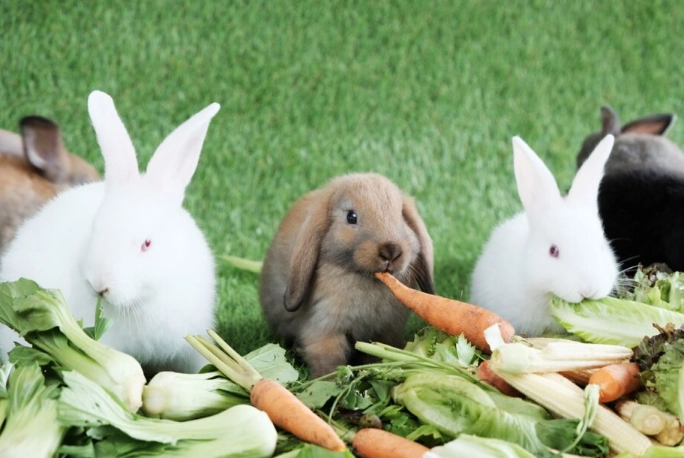
| Type of Hay | Best For | Notes & Tips |
|---|---|---|
| Timothy Hay | All adult rabbits. The gold standard. | High in fiber, lower in protein and calcium. The perfect staple hay. Has a sweet, grassy smell when fresh. |
| Orchard Grass Hay | Great alternative to Timothy, especially for picky eaters or those with mild allergies. | Softer texture, slightly sweeter taste. Similar nutritional profile to Timothy. My current bun, Mochi, prefers this. |
| Meadow Hay | Adult rabbits, for variety. | A mix of grasses and herbs. Can add interesting flavors and textures to encourage eating. |
| Oat Hay | Adult rabbits as a supplemental hay. | Has the occasional oat head, which rabbits love as a tiny treat within their hay. |
| Alfalfa Hay | ONLY for baby rabbits (under 7 months), pregnant/nursing does, or underweight rabbits under vet guidance. | Rich in protein and calcium. Too rich for adult rabbits and can lead to obesity and urinary sludge. This is a common mistake—don't give alfalfa to healthy adult buns. |
You see how the core answer to "what type of food should rabbits eat" starts with a big pile of the right hay? It really is that simple and that important.
The Supporting Cast: Pellets, Veggies, and the Occasional Treat
Once the hay foundation is solid (and I mean, overflowing-solid), we can add the other pieces. Think of these as supplements, not the main event.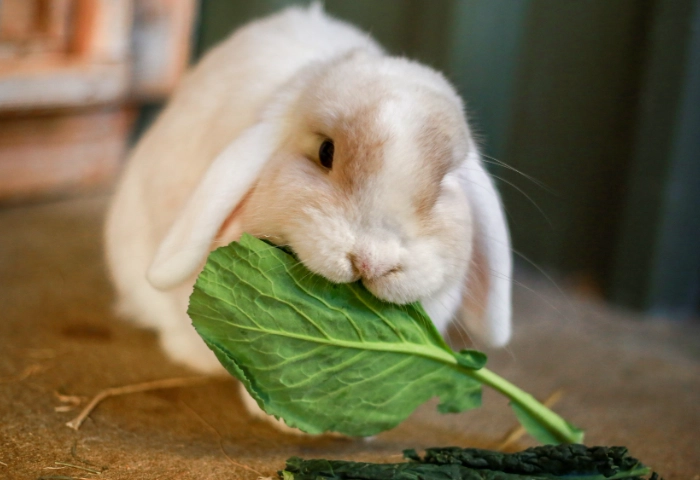
Rabbit Pellets: Quality Over Quantity
Pellets are a concentrated source of nutrients, but they're easy to overfeed. A common misconception is that the bowl should be full of pellets. Nope. For a healthy adult rabbit, pellets are a small, measured part of the diet.
- What to look for: A plain, timothy-based pellet. The ingredient list should be simple: "Timothy Grass Meal" should be first. Avoid colorful mixes with seeds, corn, or dried fruit bits—these are junk food and can cause selective feeding where they pick out the bad stuff.
- How much to feed: This is critical. A general guideline is about 1/4 cup of pellets per 5-6 lbs of body weight per day. For a standard 4-5 lb rabbit, a scant 1/4 cup is often plenty. Always check with your vet for your specific bunny.
- My take: Some rabbit owners even choose to phase out pellets entirely for mature adults, relying solely on hay and a wide variety of vegetables. It's a valid approach, but it requires meticulous planning to ensure all nutritional needs are met. For most people, a small amount of high-quality pellets is a safe and easy insurance policy.
Be wary of pet store advice that pushes large bags of colorful mix. I once bought one for Thumper, and he became a master at flinging the boring green pellets out of his bowl to get to the sugary yellow bits. It created a mess and a bad habit. Stick to the plain, boring-looking pellets—they're the healthy ones.
Fresh Leafy Greens: The Daily Salad
This is where you can have fun and provide variety. Fresh greens provide moisture, vitamins, and enrichment. Introduce any new green slowly, one at a time, and in small amounts to watch for soft stools.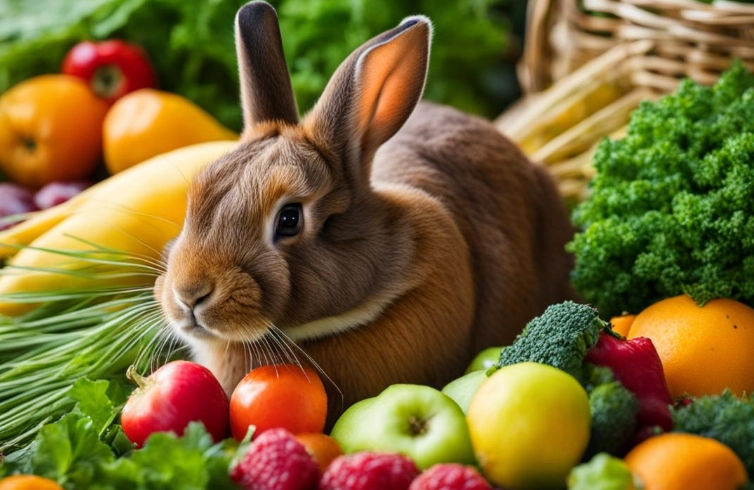
A good daily salad for a 5lb rabbit might include 1-2 cups of packed greens, made up of 2-3 different items from the list below. Rotate them for variety!
Excellent Daily Greens (Romaine is a superstar here):
- Romaine lettuce (not iceberg—it's mostly water and has little nutritional value)
- Green/Red leaf lettuce
- Butter lettuce
- Arugula (rocket)
- Spring greens/mesclun mix
- Bok Choy
- Celery leaves (the dark green tops are great; chop the stalks small)
- Cilantro (coriander)
- Basil
- Mint
- Watercress
- Endive
- Escarole
- Dandelion greens (from pesticide-free areas!)
Greens to Feed in Moderation (1-2 times a week, smaller portions):
- Kale (high in calcium)
- Spinach (high in oxalates)
- Swiss chard
- Mustard greens
- Beet greens
See how the question "what type of food should rabbits eat" expands from just hay to a colorful, crunchy salad bar? It makes feeding time more engaging for both of you.
Treats: The Spice of Life (Used Sparingly)
Fruits and starchy vegetables are treats. They're high in sugar and should make up no more than 5% of the total diet. A thin slice of apple, one blueberry, or a small chunk of banana (about the size of your thumbnail) is a full treat.
Other treat options include a small piece of carrot (yes, it's a treat, not a staple!), a strawberry top, or a slice of pear. Always remove seeds/pits. You can also offer commercial treats very sparingly—look for single-ingredient dried herbs or flowers.
I use a tiny piece of banana as the ultimate "magic" treat for nail trims. It works like a charm. But if I gave it daily, Mochi would turn into a little diva who only wanted bananas, and her digestion would suffer. Treats are powerful tools, so use them wisely.
What NOT to Feed Your Rabbit: The Danger List
Knowing what to avoid is just as important as knowing what to feed. Some foods can cause immediate, severe illness.
- Human Junk Food: Cookies, crackers, bread, cereal, pasta, chocolate. Their systems cannot process it.
- Certain Vegetables: Onions, leeks, garlic, potatoes (especially raw), rhubarb.
- Most Houseplants & Garden Plants: Many are toxic. Lilies, ivy, philodendron, etc. Always check a list from a reputable source like the Rabbit Welfare Association & Fund (RWAF) before letting your bunny near any plant.
- Iceberg Lettuce: It's not toxic, but it's mostly lactucarium and water, which can cause diarrhea and offers no nutrition.
- Nuts & Seeds: High in fat, a choking hazard, and not part of their natural diet.
- Yogurt Drops & Processed "Rabbit" Treats: These are pure sugar and dairy (which rabbits cannot digest). They're terrible for them, despite the marketing.
When you're pondering what type of food should rabbits eat, it's just as useful to have a clear mental list of what to never offer.
Putting It All Together: A Sample Daily Menu
Let's make this practical. Here’s what a day might look like for a healthy, 5-pound adult rabbit.
Morning:
- Unlimited Timothy Hay: Top up the rack so it's overflowing.
- Fresh Water: Change it completely, in a clean bowl (bowls are better than bottles).
- Measured Pellets: 1/4 cup of plain timothy pellets.
Evening:
- Unlimited Timothy Hay: Check and refresh.
- Fresh Salad: A big handful (about 1-2 cups) of mixed romaine, cilantro, and a sprig of basil.
- Optional tiny treat: Maybe a blueberry or a small piece of bell pepper if you're doing some training.
That's the blueprint. Simple, fiber-focused, and varied.
Answering Your Rabbit Diet Questions
Special Considerations: Age, Weight, and Health
The "what type of food should rabbits eat" formula adjusts slightly throughout their life.
- Baby Rabbits (Under 7 months): Unlimited alfalfa hay, unlimited alfalfa-based pellets, and introduce greens slowly after 12 weeks.
- Young Adults (7 months - 1 year): Transition from alfalfa to timothy/grass hay. Gradually switch to timothy-based pellets and reduce the pellet amount to the adult guideline.
- Adult Rabbits (1-5 years): The standard diet outlined above—unlimited grass hay, limited pellets, plenty of greens.
- Senior Rabbits (6+ years): They may need more pellets if they lose weight, or different hay if they have dental issues (softer orchard grass). Always work with a rabbit-savvy vet for seniors.
- Overweight Rabbits: Cut back pellets significantly or eliminate them temporarily under vet advice. Increase exercise. Treats are a definite no.
For authoritative, science-backed information on rabbit nutrition that goes even deeper, the Merck Veterinary Manual chapter on rabbit nutrition is an excellent reference, though it's quite technical.
The Final Word on Rabbit Diets
Look, it boils down to this: think like a rabbit. In the wild, they'd spend hours grazing on coarse grasses (hay), foraging for leafy weeds and bark (greens), and might very rarely find a fallen berry or root (treat). Our job is to mimic that natural, fiber-first pattern in a safe, controlled way.
So, what type of food should rabbits eat? Start with an endless mountain of the right hay. Add a small, measured scoop of plain pellets. Pile on a daily rotating salad of dark leafy greens. And finish with the tiniest, most occasional sweet treat as a bonus. Keep fresh water flowing. It's a simple formula, but it requires consistency.
I've watched the difference this diet makes. Thumper's energy levels and coat improved dramatically when I finally corrected my early mistakes. Mochi has never had a digestive issue, knock on wood. It's not about being a perfect owner; it's about understanding this one, crucial aspect of their care.
Get the diet right, and you've solved about 80% of the common health and behavior problems before they even start. Your rabbit will thank you with years of happy, healthy companionship. And really, that's the whole point.


Join the Conversation