Quick Guide
- What Are You Actually Looking At? Decoding the Symptoms
- The Color Code: What Your Dog's Stool Hue Might Mean
- The Usual Suspects: What's Causing This Mess?
- The "Wait and See" Protocol: Safe Home Care Strategies
- When Home Care Isn't Enough: The Veterinary Path
- Prevention: Keeping the Gut Happy Long-Term
- Your Dog Diarrhea Questions, Answered
- Wrapping It Up: Trust Your Gut (And Your Vet's)
Let's be honest, cleaning up dog diarrhea is nobody's idea of a good time. It's messy, it smells, and more than anything, it makes you worry. Is this just a minor upset, or is it a sign of something serious? You're scrolling through search results, trying to piece together what "dog health problems symptoms diarrhea" really means for your furry friend. I've been there too, staring at a concerned-looking dog and a less-than-ideal pile on the floor, wondering what to do next.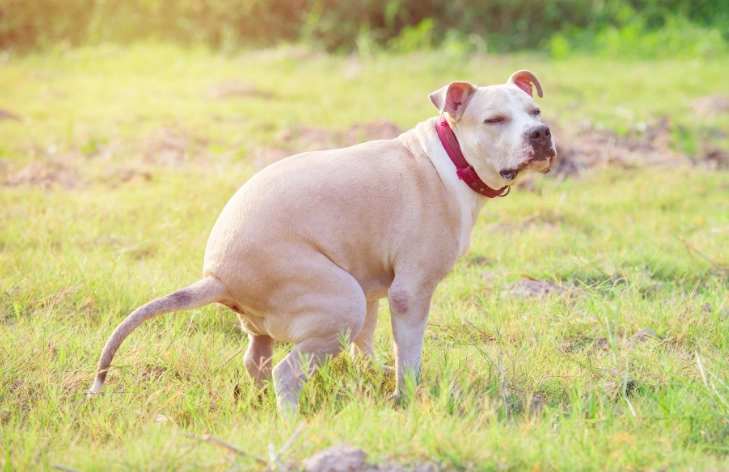
That's why I wanted to put this together. Not as a dry medical textbook, but as a chat from one dog owner to another. We'll walk through what those symptoms are really telling you, what you can safely try at home, and the clear red flags that mean you need to pick up the phone and call the vet. Because sometimes, the hardest part is knowing the difference between "wait and see" and "go now."
What Are You Actually Looking At? Decoding the Symptoms
Not all diarrhea is created equal. The specifics can give you huge clues about what's going on inside your dog. When we talk about symptoms of diarrhea in dogs, we're not just talking about loose stool. The color, consistency, frequency, and what comes with it are all part of the story.
First, the consistency. The classic "soft-serve" look is common with simple dietary indiscretion. Watery, projectile diarrhea is more urgent and points to significant fluid loss. Then there's the presence of mucus, which often indicates irritation in the large intestine (colitis), or a greasy, grayish appearance that might suggest a pancreas issue.
The Color Code: What Your Dog's Stool Hue Might Mean
This is where it gets visual, and frankly, a bit gross. But paying attention can be crucial.
- Yellow or Greenish: Often means things are moving through the gut too fast. Bile isn't being properly processed. Common with simple stomach upsets.
- Black and Tarry (Melena): This is a major red flag. It usually means digested blood, pointing to bleeding in the upper digestive tract like the stomach or small intestine. Don't wait on this one.
- Red Streaks (Hematochezia): Fresh, bright red blood. This often comes from the lower colon or rectum and can be from straining, colitis, or even parasites.
- Gray or Pale: Can be a sign of liver or pancreatic problems (like EPI).
And then there's what's in it. Seeing worms? Obviously, that's a parasite issue. Finding undigested food? Might be a digestion or absorption problem. Foreign material like grass or plastic? Tells you exactly what the culprit might be.
The Usual Suspects: What's Causing This Mess?
Pinpointing the exact cause of dog diarrhea can be like detective work. Sometimes it's obvious (the empty chip bag on the floor), other times it's a mystery. Here’s a breakdown of the most common culprits, from the simple to the serious.
| Category | Common Causes | Typical Symptoms & Notes |
|---|---|---|
| Dietary Indiscretion | Scavenging, sudden diet change, rich/fatty foods, food intolerance. | Often sudden onset. Stool may contain the offending item. Usually resolves with a bland diet. |
| Infections | Bacteria (Salmonella, E. coli), Viruses (Parvovirus), Parasites (Giardia, Worms). | Often accompanied by lethargy, vomiting, fever. Parvo is severe and often bloody. Requires vet diagnosis. |
| Stress & Anxiety | Travel, boarding, new people/animals, loud noises (fireworks). | "Stress colitis." More common in sensitive dogs. Usually resolves once stressor is removed. |
| Underlying Diseases | Pancreatitis, Inflammatory Bowel Disease (IBD), Kidney/Liver disease, Cancer. | Diarrhea is chronic or recurrent. Often paired with weight loss, poor appetite, and other systemic signs. |
| Medications/Toxins | Antibiotics, certain pain meds, eating toxic plants/chemicals. | Onset after starting a new med or known exposure. Toxin ingestion is an emergency. |
Let's talk about Parvo for a second because it's every puppy owner's nightmare. Canine Parvovirus causes severe, often hemorrhagic (bloody) diarrhea, along with violent vomiting and extreme lethargy. It's highly contagious and can be fatal, especially in young, unvaccinated dogs. If you have a puppy with these symptoms, this is an immediate veterinary emergency. The American Veterinary Medical Association (AVMA) has a detailed resource on Parvovirus that's worth reading for any new dog owner.
On the less dramatic but frustrating end is something like Giardia. This pesky parasite is a common cause of intermittent, often mucus-y diarrhea. Dogs pick it up from contaminated water or soil. It's tricky because symptoms come and go, and it's not always visible in every stool sample. Your vet might need to run a specific test to find it.
⚠️ Stop Here and Call the Vet
If your dog's diarrhea is accompanied by ANY of these, skip the home remedies and contact your vet immediately: Lethargy or collapse, Repeated vomiting (especially if they can't keep water down), Blood in the stool (black tarry or bright red), Pale or white gums, Signs of pain (whining, hunched back, bloated abdomen), or if it's a very young puppy, a senior dog, or a dog with a known pre-existing illness. Dehydration can set in scarily fast.
The "Wait and See" Protocol: Safe Home Care Strategies
So, your dog has diarrhea but is otherwise acting normal—bright-eyed, wanting to play, maybe still begging for food. This is where some careful home management might do the trick. The cornerstone of managing mild dog diarrhea at home is the bland diet and hydration.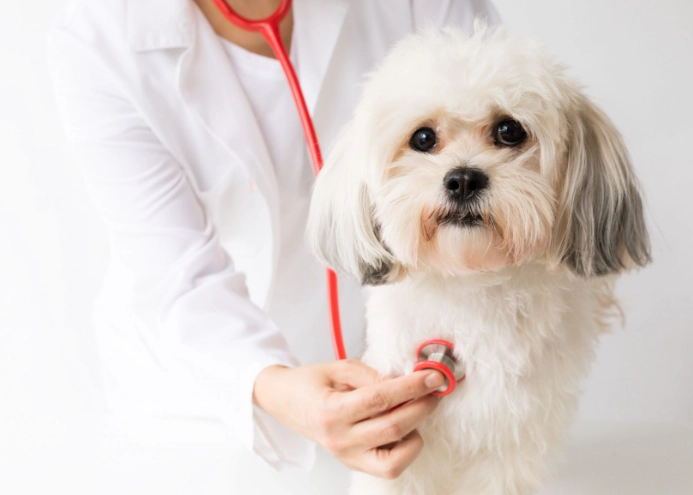
First, many vets recommend a short fasting period of 12-24 hours (for adult dogs only, never puppies). This gives the inflamed gastrointestinal tract a chance to rest. Make sure fresh water is available at all times. The real magic happens with the bland diet. The classic recipe is boiled, skinless, boneless chicken breast (or lean ground beef) mixed with plain, cooked white rice. The ratio is about 1:2 (one part protein to two parts rice).
✨ Pro Tip: The Pumpkin Power
Plain canned pumpkin (not pumpkin pie filling!) is a fantastic addition. It's high in soluble fiber, which helps absorb excess water in the intestines and bulk up the stool. A tablespoon or two mixed into the bland food can work wonders. I always keep a can in the pantry just for this.
Feed this bland mixture in small, frequent meals for a few days. The transition back to regular food should be gradual over another few days. Start mixing in their regular kibble with the bland food, slowly increasing the proportion.
What about over-the-counter meds? This is where I get cautious. Imodium (loperamide) is sometimes used, but it can be dangerous for some breeds (like Collies and related herding dogs) and can worsen diarrhea caused by toxins or infections by preventing the body from expelling them. You should never give it without explicit vet approval. Probiotics, on the other hand, are generally safe and can be helpful. Look for ones designed for pets, containing strains like Enterococcus faecium or Bifidobacterium animalis.
When Home Care Isn't Enough: The Veterinary Path
If the home care isn't working after 24-48 hours, or if symptoms worsen, it's time for professional help. What can you expect? Good vets are detectives. They'll start with a thorough history: what your dog ate, any recent changes, the precise description of the diarrhea, and any other symptoms.
The physical exam is key. They'll check for dehydration (by skin tenting and gum moisture), abdominal pain, fever, and listen to gut sounds. From there, diagnostics depend on the suspicion.
- Fecal Exam: The first line test. They'll look for parasite eggs, Giardia antigens, and sometimes bacteria under a microscope.
- Bloodwork: A complete blood count (CBC) and chemistry panel can reveal dehydration, infection, pancreatitis, or organ dysfunction.
- X-rays or Ultrasound: To look for foreign body obstructions, tumors, or signs of intussusception (a serious condition where the intestine telescopes into itself).
- Specific Tests: For diseases like Parvovirus (snap test) or Pancreatitis (PLI or cPL tests).
Treatment is then targeted. For parasites, it's dewormers. For bacterial infections, it might be specific antibiotics (not all diarrhea needs antibiotics—their misuse can make things worse!). For severe dehydration, they'll give subcutaneous or intravenous fluids, which is often the most important life-saving step. For inflammatory conditions like IBD, they may prescribe a special hydrolyzed or novel protein diet and medications like steroids.
I think one of the most frustrating diagnoses is when everything comes back normal—often labeled as "acute gastroenteritis" or "dietary indiscretion of unknown origin." It's frustrating because you want a clear answer, but sometimes the body just rebels and then recovers. Trust the process if your vet seems confident it's self-limiting.
Prevention: Keeping the Gut Happy Long-Term
An ounce of prevention is worth a pound of... well, you know. While you can't prevent every case, you can stack the odds in your favor.
Diet Consistency: This is huge. If you need to change foods, do it over 7-10 days, slowly mixing in more of the new food with the old. Avoid giving rich table scraps. That greasy burger might cause a day of misery.
Scavenging Control: Train a solid "leave it" command. Be vigilant on walks. Some dogs are hoovers, and it's a constant battle. Using a muzzle on walks isn't cruel if it stops them from eating dangerous trash.
Parasite Prevention: Keep up with monthly heartworm preventatives, as many also control common intestinal parasites. Do annual fecal checks as your vet recommends.
Stress Management: For dogs with anxiety-related issues, creating a safe space, using calming aids (like Adaptil diffusers), or working with a trainer can help. For predictable stressors like fireworks, talk to your vet about situational anxiety medication.
Know Your Dog's Normal: This is the most underrated tool. You know what their normal stool looks like, how often they go, and their normal energy level. Any deviation from that baseline is your first clue that something's off.
Your Dog Diarrhea Questions, Answered
Wrapping It Up: Trust Your Gut (And Your Vet's)
Dealing with dog health problems where the primary symptom is diarrhea can run the gamut from a minor, one-day nuisance to a sign of a life-threatening condition. The key is observation and knowing when to act.
Start with the basics: assess the symptom itself, look for any alarming accompanying signs, and try conservative home management if it seems mild. Have a plan for that bland diet. But also know your limits. The internet is great for information, but it doesn't replace a hands-on veterinary exam. When in doubt, err on the side of caution and make that call. It's always better to get a "false alarm" check-up than to wait too long on a serious problem.
Your dog relies on you to be their advocate. By understanding the nuances of symptoms like diarrhea, you're in a much better position to keep them healthy, hydrated, and happy. Now, go give your pup a pat (assuming they're not currently making a mess!), and maybe check where you put that can of pumpkin.
Join the Conversation