You bring that wiggly, sniffing, chewing ball of fur home. Your head is full of images of a perfectly behaved dog sitting, staying, and fetching on command. So you crack open a training book or search online, and everyone seems to scream "SIT!" as the first lesson. I'm here to tell you they're wrong. If you teach 'sit' before this one foundational thing, you're building your house on sand.
The absolute first thing you must train your puppy on is not an obedience cue. It's the art of paying attention to you and wanting to be with you. We can call it bonding, engagement, or building a connection. Without it, your puppy sees you as a furniture piece that sometimes dispenses food. With it, you become the center of their world, the source of all good things, and the person worth listening to. Everything else—house training, leash walking, not chewing your favorite shoes—flows from this.
I learned this the messy way with my first dog, Max. I was so eager to have a "trained" dog that I jumped straight into commands. He'd sit for a treat, then immediately wander off to find something more interesting. It felt like bribing a distracted toddler. The real training began when I stopped trying to control him and started connecting with him.
What You’ll Learn in This Guide
Why Bonding Comes Before "Sit"
Think about it from the puppy's perspective. They've just been taken from their mother and littermates—their whole world. They're in a strange place with strange smells, sounds, and this giant two-legged creature. Their primary drive isn't to obey; it's to feel safe and secure.
When you prioritize connection, you're addressing that core need. The American Kennel Club emphasizes socialization and positive association as pillars of puppy development, but they often get lost in a checklist of experiences. The heart of it is simpler: make yourself the safe harbor.
A puppy bonded to you will look to you for guidance when scared. They'll check in with you on walks instead of pulling relentlessly. They'll be more motivated to figure out what you want because being with you feels good. A puppy who only knows commands sees training as a transactional chore. "I sit, you give food, transaction over."
How to Build That Critical Connection (The First Week Plan)
This isn't passive cuddling. It's active, intentional relationship-building. Ditch the formal training sessions for the first few days. Instead, live by this mantra: All good things come from me.
Here’s what that looks like in the trenches of puppy parenthood:
- Meals are hand-fed. Not from a bowl. Sit on the floor and feed your puppy kibble by kibble. Let them eat from your hand. This associates your hands with wonderful things, not just grabbing collars or restraining. Do this for at least the first 3-4 days.
- Play is interactive. Use a toy on a string or a soft tug toy. You are the fun machine. The toy goes away when playtime ends. You control the resource, making you the gateway to enjoyment.
- Quiet time is together time. Sit with them while they chew a bully stick or a frozen Kong. Just be present. Let them fall asleep near you. Your calm presence becomes their default state.
- Exploration is guided. When they sniff around the garden, don't just stand there. Get low, point out interesting leaves (let them sniff your finger first), use a happy, curious voice. You become their guide in this big new world.
I see people rushing to set rigid potty schedules and crate training rules on day one. Those are important, but if you layer them on top of a fearful, disconnected puppy, you create stress. Handle potty trips and crate introduction gently within this framework of connection. The crate becomes a cozy den where they get special chews, not a prison.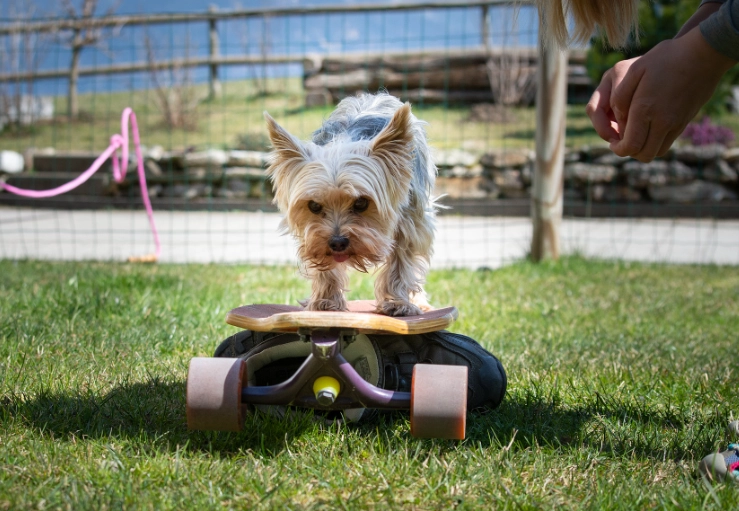
The Official "First Command": The Name Game
Once you feel that shift—your puppy glances at you just to check in, follows you from room to room voluntarily—you can introduce the first formal cue. And it should be their name.
Not "come." Their name.
The goal is for their name to mean, "Look at me! Something good might happen!" It's the gateway behavior to every other command. If they won't look at you, they can't hear "sit" or "down."
How to Play the Name Game (5 Minutes a Day)
Do this in a boring, low-distraction room like your hallway.
- Have tiny, high-value treats (boiled chicken, cheese bits) ready.
- Wait until your puppy glances away from you.
- Say their name in a bright, happy voice ONCE. (No "Fido, Fido, Fido, FIDO!")
- The millisecond they turn their head toward you, mark the behavior with a word like "Yes!" or a clicker, and give a treat.
- Repeat 5-10 times in a session. End while they're still eager.
The huge error here is using their name for negative things. Never, ever say "Fido, NO!" You just poisoned the cue. If they're chewing a shoe, use a neutral interrupter like "Ah-ah" or "Oops," then redirect. Save their name for positive associations only.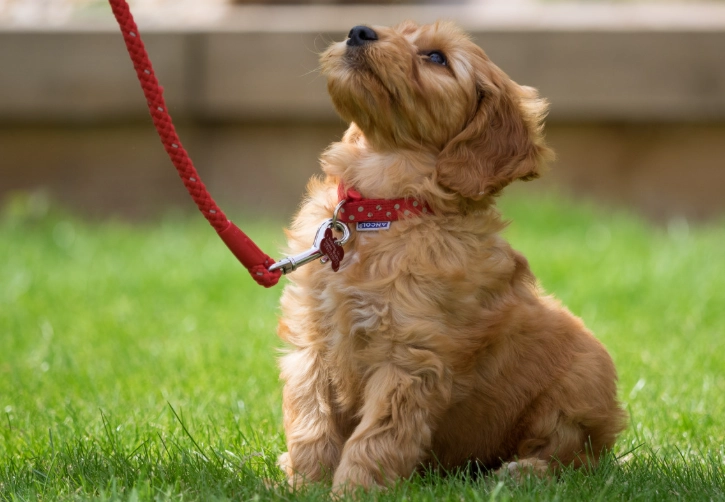
Integrating Other Early Lessons Without Losing Focus
Connection and name response are your pillars. Now you can start weaving in other essentials, always keeping the bond central. Here’s how to prioritize the first month:
| Skill | How It Relies on Your Bond | Pro Tip (The Non-Consensus Bit) |
|---|---|---|
| House Training | They need to feel comfortable pottying in your presence outside. If they're scared of you, they'll hide to go inside. | Stop freaking out about accidents. A neutral clean-up (enzyme cleaner is key) and a calm trip outside right after teaches more than scolding, which just teaches them to hide it from you. |
| Crate Training | The crate should be a place of security, which extends from seeing you as a source of security. | Feed every meal in the crate with the door open. The crate becomes a predictor of good stuff, not isolation. |
| Bite Inhibition | They learn gentleness through play with you, mimicking how they learned with littermates. | When play-biting too hard, let out a high-pitched "Yip!" and immediately stop playing/turn away for 15 seconds. This social feedback is how dogs communicate pain. It's more effective than saying "No bite." |
| "Sit" | Now that they want to engage, you can capture it naturally as they offer it to get your attention or food. | Don't push their bum down. Wait for them to sit on their own (they do it all the time), say "Yes! Sit!" and reward. They learn the word linked to the action faster. |
Notice how "sit" is last on that early list? It's the least urgent for a happy, well-adjusted puppy. A solid recall (coming when called), which is life-saving, depends entirely on that initial bond and name response being rock solid.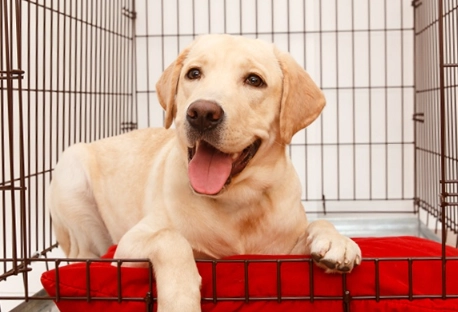
Join the Conversation