If you've been hearing whispers at the dog park or seeing worried posts online, you're right to be concerned. A new, highly contagious respiratory virus is affecting dogs across multiple regions. It's not one single bug, but rather a complex of pathogens causing what vets call Canine Infectious Respiratory Disease Complex (CIRDC). The recent uptick in severe cases has everyone on edge. The core question on every owner's mind is simple: what are the symptoms of this new dog virus going around, and how do I know if it's just kennel cough or something more serious? Let's cut through the noise. This guide breaks down exactly what to look for, when to panic, and most importantly, how to protect your furry friend.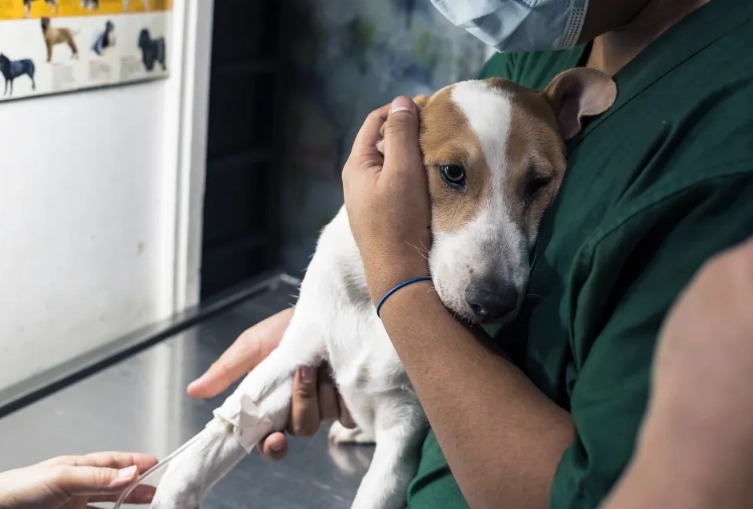
Here's What You'll Find in This Guide
The Core Symptoms: From Mild Cough to Pneumonia
The tricky part about this current situation is the range. Some dogs get a mild sniffle and bounce back in a week. Others, especially those who are very young, old, or have flat faces (brachycephalic breeds like French Bulldogs or Pugs), can slide into severe pneumonia frighteningly fast. The key is watching the progression and combination of symptoms.
A crucial point most articles miss: Veterinarians tracking this outbreak note it's often a "symptom cluster" rather than one single sign. A dog that just coughs might be okay. A dog that coughs and is lethargic and has goopy eyes needs your immediate attention.
The Primary Signs You'll See First
These are the front-line symptoms. They often appear 2-5 days after exposure.
- A persistent, hacking cough: This is the hallmark. It often sounds like something is stuck in the throat—a honking, dry, or gagging cough. It can be triggered by excitement, pressure on the neck from a collar, or just happen randomly. The cough might last for weeks, long after the dog seems otherwise fine.
- Sneezing and nasal discharge: Not just a little clear drip. We're talking about frequent sneezing fits and discharge that can be thick and change from clear to yellowish-green.
- Eye inflammation and discharge: Conjunctivitis is common. You'll see red, goopy eyes. The discharge can be watery or mucoid.
- Lethargy and reduced appetite: This is a major red flag. If your normally food-motivated pup turns their nose up at dinner or seems too tired for their usual walk, take note. It means their body is fighting hard.
Secondary Signs That Signal Trouble
If the virus progresses or a secondary bacterial infection sets in, symptoms escalate. This is when you move from "watchful waiting" to "call the vet now."
- Fever: A dog's normal temperature is between 101°F and 102.5°F. Anything over 103°F is a fever. You might notice they feel warm to the touch, are shivering, or seeking cool surfaces.
- Labored breathing or rapid panting at rest: Watch their sides. Are they moving heavily? Is there a noticeable effort to breathe? Open-mouth breathing or panting when the dog hasn't exercised is a serious sign of respiratory distress or pneumonia.
- Bluish or purple gums (cyanosis): This indicates a critical lack of oxygen. It's an absolute emergency.
- Complete loss of appetite and dehydration: Refusing water is a dire sign. Check for dehydration by gently pinching the skin at the back of the neck. If it doesn't snap back quickly, they're dehydrated.
I remember a case from last winter, a three-year-old active Border Collie named Finn. His owner called about the cough, which sounded classic. But she mentioned, almost as an aside, that he'd slept all afternoon after just a short walk. That was the clue. We brought him in, and an X-ray revealed the early shadows of pneumonia in his lower lungs. The lethargy was the tell-tale sign that pushed it beyond a simple cough. He recovered, but needed weeks of care.
How to Spot the New Virus vs. Common Kennel Cough
This is where owners get confused. Kennel cough (often caused by Bordetella bronchiseptica) is a regular player. The new virus complex often includes known pathogens like canine influenza, canine adenovirus, and mycoplasma, but sometimes tests come back negative for everything, suggesting a novel agent. The differentiation isn't always clean, but there are patterns.
| Symptom / Factor | Typical Kennel Cough | Current Virus Complex (CIRDC) |
|---|---|---|
| Primary Symptom | Loud, honking cough. Often dog acts fine otherwise. | Persistent cough PLUS other symptoms (lethargy, eye/nose discharge). |
| Duration of Illness | Usually 7-10 days, self-limiting. | Can drag on for 6+ weeks, with a lingering cough. |
| Progression to Pneumonia | Less common, usually in vulnerable dogs. | More frequently reported in the recent outbreaks, even in otherwise healthy adults. |
| Response to Antibiotics | May help if there's a secondary bacterial infection. | Often limited, as the primary cause is viral. Supportive care is key. |
| Seasonality | Year-round, peaks in summer/fall. | Heavily reported in late fall/winter, but persists. |
The American Veterinary Medical Association (AVMA) has been tracking these atypical CIRDC cases and emphasizes the prolonged duration and poor response to standard treatments as concerning features. You can find their latest updates on their website.
What to Do If You Suspect Your Dog Is Infected
Action beats anxiety. Here's your step-by-step plan.
- Isolate Immediately: Assume it's contagious. Keep your dog away from other pets in the household if possible. Use separate bowls, bedding, and wash your hands thoroughly. No dog parks, no daycare, no grooming appointments.
- Call Your Vet, Don't Just Walk In: This is critical. Call ahead. Describe the symptoms precisely. Many clinics have special protocols to prevent waiting room spread. They may have you wait in the car or use a separate entrance.
- Document Symptoms: Before the call, note down: when the cough started, its frequency, the dog's temperature if you can take it, appetite changes, and energy level. A short video of the coughing episode can be incredibly helpful for the vet.
- Prepare for Supportive Care: Your vet's goal will be to support your dog's immune system and prevent secondary infection. Treatment may include:
- Antibiotics: Not for the virus, but for any lurking bacterial pneumonia.
- Anti-inflammatories: To reduce fever and lung inflammation.
- Cough suppressants: Sometimes, but not always—coughing can help clear gunk.
- Fluids and nutritional support: If your dog isn't eating or drinking.
- Nebulization or steam therapy: Running a hot shower to create a steamy bathroom can help loosen congestion. Let your dog sit in the steamy room (not the hot water) for 10-15 minutes.
The Biggest Mistake I See Owners Make: They stop treatment too early. The cough improves, so they think the battle is won. But the underlying inflammation in the lungs can persist. Finish all prescribed medications and follow up if the cough returns. A relapse can be worse than the first round.
Your Dog Virus Prevention Strategy (Beyond Just Vaccines)
Vaccines are your first line of defense, but they're not a force field. The Bordetella and Canine Influenza vaccines are must-haves, especially now. They might not prevent infection entirely, but they can drastically reduce the severity and duration of illness. Talk to your vet about your dog's specific risk.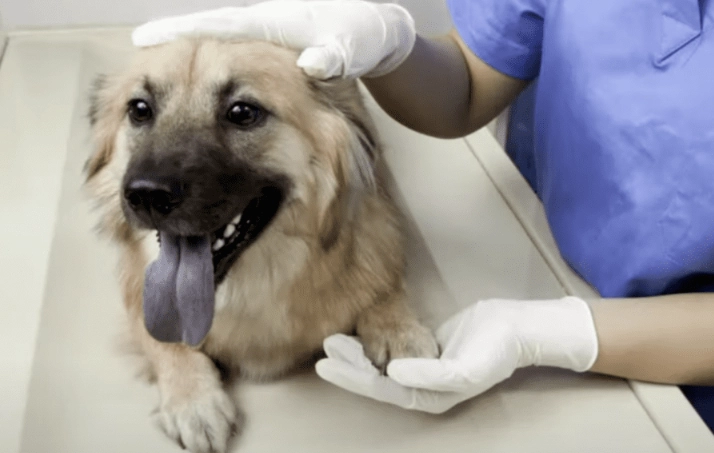
Beyond the needle, your strategy needs to be behavioral.
- Rethink High-Risk Venues: During an active outbreak in your area, pause visits to high-traffic, poorly ventilated places. Doggy daycares with large playgroups, crowded indoor dog parks, and busy grooming salons are hotspots.
- Become a Snob About Socialization: It's not about being antisocial. It's about being selective. Arrange playdates with known, healthy dogs in open, outdoor spaces instead of mingling with unknown dogs.
- Boost Overall Health: A well-fed, well-exercised, low-stress dog has a better immune system. Don't underestimate the power of good nutrition and regular, moderate exercise.
- Carry Your Own Water: Avoid communal water bowls at parks or outside stores. A collapsible bowl and a bottle of water are easy precautions.
Resources from institutions like the Cornell University College of Veterinary Medicine consistently show that management of the environment is as important as medical prevention in controlling respiratory outbreaks.
Your Top Questions on the Canine Respiratory Virus, Answered
My dog just has a mild cough but is eating and playing normally. Should I rush to the emergency vet?
Probably not, but don't ignore it. Set up a non-urgent appointment with your regular vet within 24-48 hours. In the meantime, isolate your dog and monitor closely. The emergency vet is for severe symptoms: difficulty breathing, blue gums, collapse, or high fever. Using the ER for a mild cough clogs the system for real emergencies and exposes your dog to other sick animals.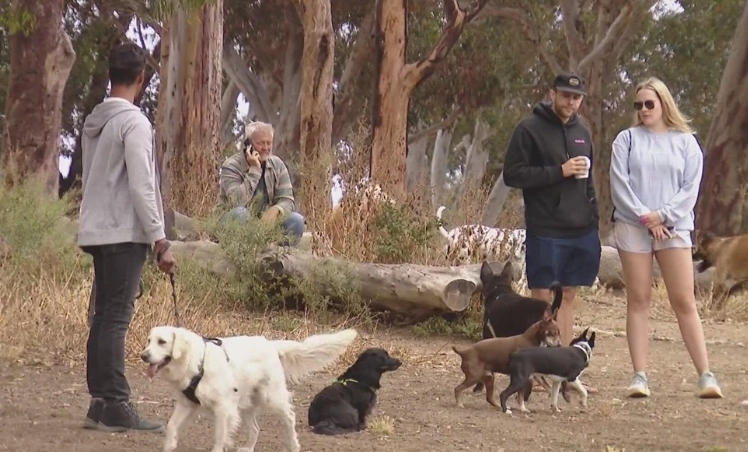
Can humans or cats catch this new dog virus?
Based on current knowledge, the pathogens involved in CIRDC are highly species-specific. There is no evidence that this particular complex spreads to humans. Some bacterial components, like Bordetella, have rare zoonotic potential for immunocompromised people, but the risk is extremely low. Transmission to cats is also not a typical concern, but it's still smart to isolate sick dogs from other household pets as a general hygiene practice.
How long is a dog contagious with this respiratory virus?
This is the million-dollar question and varies. A general rule is to consider them contagious for at least 2-3 weeks after symptoms first appear, and sometimes as long as they have any cough or discharge. The virus can be shed before symptoms show, too. My advice is overly cautious: keep them isolated from other dogs for a full month after all symptoms have completely resolved. It's a hassle, but it's responsible.
Are certain dog breeds more susceptible to severe symptoms?
Yes, brachycephalic (flat-faced) breeds are at higher risk for severe complications. Their already compromised airways make it harder to clear mucus and inflammation. Breeds like French Bulldogs, English Bulldogs, Pugs, and Boston Terriers need extra vigilance. Senior dogs, puppies, and dogs with pre-existing heart or lung conditions are also in a higher-risk category.
What should I clean with at home to prevent spreading it to my other dog?
Focus on the stuff that gets sneezed and coughed on. Use a disinfectant effective against viruses (check the label for canine parvovirus efficacy—if it kills parvo, it's strong enough). Wash all bedding, toys, and bowls in hot water. Wipe down hard surfaces like floors, crates, and door handles. And don't forget your own hands—frequent handwashing is a simple, powerful tool.



Join the Conversation