Let's be honest. Most of us don't peer into our cat's mouth on a regular Tuesday. We might notice bad breath, sure. Maybe we see some yellow on those back teeth. But the idea of a full-blown dental disease? It feels distant, like something that happens to other people's cats. Here's the uncomfortable truth vets know: by the age of three, over 70% of cats have some form of dental disease, according to the American Veterinary Medical Association (AVMA). The pain is often silent, hidden behind a purr and a normal appetite. The real vet recommendation isn't just an annual check-up; it's a proactive, layered defense you build at home. Prevention isn't just about fresh breath—it's about avoiding painful extractions, protecting their kidneys and heart from bacterial damage, and saving yourself thousands in vet bills down the line.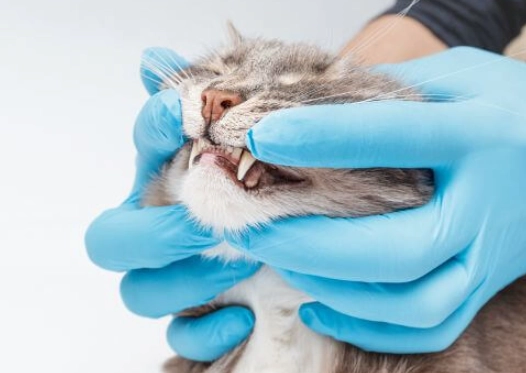
What's Inside This Guide
Why Cat Dental Care is Non-Negotiable
Think of plaque as a sticky film of bacteria that forms on teeth within hours after eating. If it's not disrupted, it hardens into tartar (calculus) within days. Tartar is like a fortress for bacteria, irritating the gums and causing inflammation—that's gingivitis. Left unchecked, the infection digs deeper, destroying the ligaments and bone holding the tooth in place. This is periodontitis, and it's irreversible. The tooth becomes loose, painful, and often needs extraction.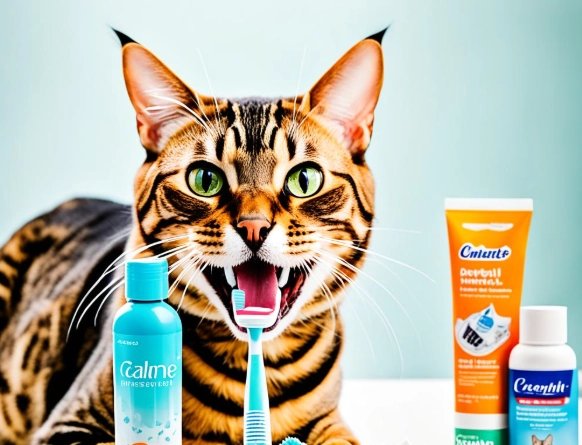
The kicker? Those bacteria don't stay put. They enter the bloodstream through inflamed gums, traveling to major organs. Studies cited by organizations like the American Animal Hospital Association (AAHA) have linked periodontal disease to damage in the heart valves, kidneys, and liver. So, that bit of redness on your cat's gums? It's not just a dental issue; it's a gateway to systemic illness.
The Silent Symptoms: Cats are masters at hiding pain. You won't see them crying or pawing at their mouth. Look for subtler signs: dropping food, chewing on one side, sudden reluctance to eat hard kibble, increased drooling, pawing at the face, or a new preference for solitude. Bad breath is the most common red flag—it shouldn't smell like "cat food," it shouldn't smell at all.
The Vet-Approved Home Dental Care Toolkit
A multi-modal approach works best. Vets often call this the "Dental Care Pyramid." The base is diet, the middle is supplements and chews, and the pinnacle is brushing. Relying on just one method, like dental treats, is like trying to clean your house with only a feather duster.
1. Dental Diets: The Foundational Layer
These aren't just regular kibble. They're prescription or veterinary-exclusive diets (like Hill's Prescription Diet t/d or Royal Canin Dental) with a specific size, texture, and fiber matrix. As the cat bites, the kibble penetrates the tooth surface, providing a mechanical scrubbing action. They're clinically proven to reduce plaque and tartar buildup. Think of them as the daily background maintenance. They don't replace brushing, but they give you a massive head start.
2. Water Additives & Oral Gels
These are your chemical allies. Water additives contain ingredients like zinc gluconate or chlorhexidine (in safe, pet-formulated doses) that help reduce bacteria in the mouth. You just add a capful to their water bowl daily. Oral gels are applied directly to the gums and teeth; many contain enzymes that break down plaque. For a cat that utterly rejects brushing, a gel can be a lifesaver. My go-to is often a product like C.E.T. AquaDent or Oxyfresh Pet Water Additive. They're not magic, but they're a solid B+ effort.
3. Dental Treats & Chews
Here's where many owners get tripped up. Most over-the-counter "dental" treats are barely effective—they're just slightly harder crackers. Look for treats with the VOHC (Veterinary Oral Health Council) seal. This independent organization verifies claims of plaque and tartar reduction. Greenies Feline Dental Treats and Purina DentaLife are examples. They help, but view them as a supplement, not a solution. Giving one a day is fine; giving ten defeats the purpose and adds calories.
How to Brush Your Cat's Teeth (The Stress-Free Way)
Brushing is the gold standard. It physically removes plaque before it hardens. The goal isn't a perfect, two-minute scrub session on day one. The goal is creating a positive routine.
Step 1: The Gear. Never use human toothpaste (fluoride is toxic to cats). Use a poultry or fish-flavored feline toothpaste—it's an enticement. For brushes, you have options: a small, soft-bristled finger brush (great for control), a tiny angled pet toothbrush, or even a piece of gauze wrapped around your finger for starters.
Step 2: Acclimation, Not Action. For a week, just let your cat smell and taste the toothpaste. Put a dab on your finger and let them lick it off. Associate the tube with good things.
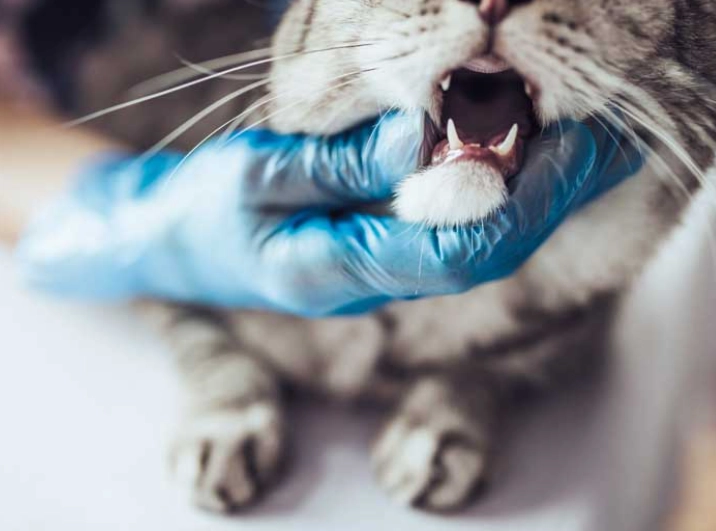
Step 3: Touch the Teeth. With toothpaste on your finger, gently lift their lip and rub your finger along their gums and the outside of their teeth (the inside surfaces are less critical). Do this for just 5-10 seconds. Praise, reward, and stop.
Step 4: Introduce the Brush. Put toothpaste on the brush and let them lick it. Then repeat the rubbing motion with the brush. Focus on the big cheek teeth (premolars and molars) and the canines (fangs), where plaque accumulates most.
I had a patient, Whiskers, who would bolt at the sight of a brush. We switched to a tuna-flavored paste and used the gauze method. Within a month, he'd come running for his "gum massage." It's about patience, not force.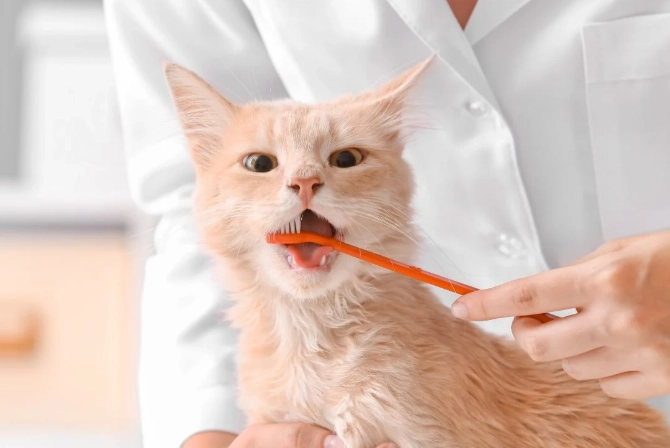
The Reality of Professional Dental Cleanings
Even with perfect home care, most cats will need a professional cleaning (dental prophylaxis) under anesthesia at some point. This is the single most misunderstood and feared aspect of feline dental care.
Let's demystify it. A "non-anesthetic dental" is not a substitute. It's a cosmetic scale of the visible crown, often stressful for the cat, and completely misses the critical area under the gumline (subgingival), where disease lives. The American Veterinary Dental College (AVDC) strongly discourages them.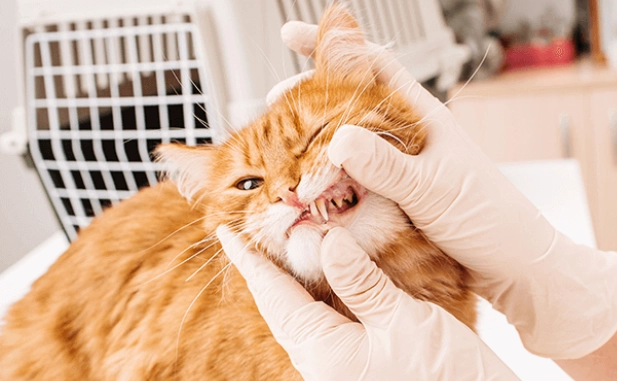
A vet-recommended dental cleaning is a detailed medical procedure:
- Pre-anesthetic bloodwork to ensure your cat is healthy for anesthesia.
- General anesthesia for their safety and comfort, allowing a complete exam.
- Full-mouth dental X-rays. This is non-negotiable. Over 60% of dental disease is hidden below the gumline. You can't treat what you can't see. A tooth that looks fine on the surface can have a rotting root underneath.
- Scaling (ultrasonic and hand) to remove tartar above and below the gums.
- Polishing to smooth the enamel, making it harder for plaque to adhere.
- Extractions if necessary, followed by pain management.
The cost varies wildly by region and severity, but expect a range of $300 to $1000+. It sounds steep, but compare it to the cost of multiple extractions or treating kidney disease later. It's an investment in their long-term health. A good vet will provide a detailed estimate beforehand.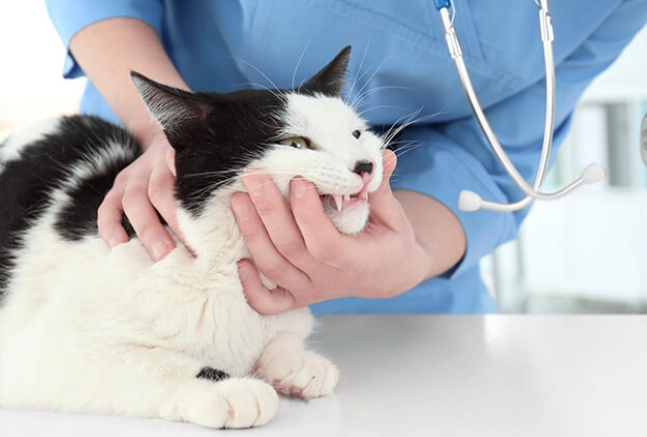
Your Top Dental Care Questions, Answered




Join the Conversation