Your Quick Guide
- Why Even Bother? The Pros and Cons of Ditching the Box
- Laying the Groundwork: Prep Work You Can't Skip
- Your Toolkit: Methods for How to Litter Train a Kitten Fast Without a Litter Box
- Troubleshooting the Inevitable Hiccups
- Your Questions, Answered (The Real Ones People Ask)
- The Bottom Line: Is This Right For You and Your Kitten?
So, you've got a tiny, adorable ball of fluff, and the thought of dealing with a litter box for the next 15+ years just doesn't appeal to you. Maybe you live in a small apartment and the smell is a concern. Maybe you travel often and need a more portable solution. Or perhaps you're just aiming for the ultimate in feline bathroom convenience. Whatever your reason, you're searching for ways on how to litter train a kitten fast without a litter box.
Let me tell you straight up—it's possible, but it's not always the magic, overnight solution some blogs might paint it to be. I've been through this with two of my own cats. One took to it like a champ; the other made it abundantly clear he preferred his traditional set-up (more on that later). The key is understanding that you're not just skipping a step; you're replacing it with a different system that requires just as much, if not more, patience and consistency.
This guide is for the proactive pet parent. We'll ditch the vague advice and get into the nitty-gritty of what actually works, what doesn't, and how to set realistic expectations. We're covering everything from puppy pads and outdoor training to the holy grail of toilet training. Buckle up.
Why Even Bother? The Pros and Cons of Ditching the Box
It's fair to ask why go through the hassle. The traditional litter box, for all its drawbacks, is a known quantity. So, what's the appeal of alternatives?
On the plus side, saying goodbye to the box means no more litter tracking across your floors, no more weekly (or bi-weekly) litter shopping and heavy lifting, and a significant reduction in dust and potential odor *if* the alternative system is maintained well. For some people with allergies, it's a game-changer. The idea of a cat that just uses the human toilet or goes outside like a dog can feel incredibly liberating.
But here's the less-glamorous flip side. Most alternatives require you to be more hands-on, especially in the beginning. You lose the biggest advantage of a litter box: it gives your cat a clear, consistent, and private place to go that's always available. When you remove that, you have to provide something just as reliable. There's also the risk of confusing your kitten, leading to accidents in places you really don't want. And let's be honest, not all cats are candidates for this. A skittish, older, or arthritic cat will likely find these methods stressful.
My personal take? It's worth trying if you're patient and your kitten shows the right temperament (curious, confident, adaptable). But have a backup plan. Forcing a method that clearly causes stress is a recipe for behavioral problems.
Laying the Groundwork: Prep Work You Can't Skip
You wouldn't try to teach a kid algebra before they know basic math. Same principle applies here. Before you jump into the core methods of how to litter train a kitten fast without a litter box, there's foundational work.
Understanding Your Kitten's Natural Instincts
Cats are hardwired to bury their waste. It's a survival instinct to hide their scent from predators. Any alternative method you choose is essentially hijacking this instinct and redirecting it. You're not eliminating the urge; you're giving it a new outlet. The American Society for the Prevention of Cruelty to Animals (ASPCA) has great resources on basic feline behavior that underline why these instincts are so strong. Keeping this in mind helps you work with your cat, not against them.
The Golden Rule: Consistency and Positive Reinforcement
This is the engine of any training. You must be more consistent than your kitten is stubborn. Decide on your method and stick to it. Confusion is the enemy of fast training.
And please, never punish accidents. Rubbing their nose in it, yelling, or any form of scare tactic will only make your kitten afraid of you and afraid to eliminate in your presence—which leads to them sneaking off to do it behind the couch. The only effective tool is positive reinforcement. Treats, praise, playtime immediately after they use the correct spot. Make it a party. I used tiny bits of freeze-dried chicken, and it worked like a charm.
Choosing the Right Starting Point
Age matters. The ideal window is between 8 and 16 weeks old. They're young enough to adapt quickly but old enough to have basic bladder/bowel control. An older cat can be trained, but it might take longer.
Also, observe your kitten's natural schedule. Most kittens need to go shortly after waking up, after playing, and after eating. Use these times to gently guide them to your chosen potty area.
Your Toolkit: Methods for How to Litter Train a Kitten Fast Without a Litter Box
Okay, here are the main approaches. I've ranked them loosely from easiest/most accessible to most complex. Think of this as your menu.
| Method | Best For | Core Idea | Speed Potential |
|---|---|---|---|
| Puppy Pad Training | Small spaces, apartments, very young kittens | Transition from litter to absorbent pads on the floor. | Fast (1-3 weeks) |
| Outdoor Training | Safe, accessible outdoor areas; leash training enthusiasts | Teach kitten to go outside on command/leash. | Medium (2-6 weeks) |
| Direct Toilet Training | Dedicated owners, confident cats, ultimate convenience goal | Gradual transition from box on toilet to using the seat. | Slow (1-4 months) |
Method 1: The Puppy Pad (or Newspaper) Route
This is arguably the most straightforward alternative and a great first step for many. You're replacing the litter substrate with a flat, absorbent pad. It satisfies the digging/burying instinct somewhat (they might scratch at the pad) and is easy to clean—just roll it up and toss it.
How to do it:
Start by placing a puppy pad right next to their current litter box. Let them get used to its presence. After a few days, put a very thin layer of their familiar litter *on top* of the pad inside the box. Then, remove the box entirely and just leave the pad with a bit of litter in the same spot. Gradually reduce the litter until it's just the pad. You might need to secure the pad corners with tape to prevent playful bunched-up chaos.
The big question: Can you truly potty train kitten fast with this? Yes, especially if they're young. The key is limiting space initially. Keep them in a small, easy-to-clean room (like a bathroom) with the pad as the only soft, absorbent surface on the floor. They'll figure it out quickly.
Method 2: Training for the Great Outdoors
This method mimics what many people do with dogs. The goal is a cat that asks to go out or goes on a leash. It's fantastic for eliminating indoor mess entirely but comes with big caveats about safety.
How to do it:
This requires harness and leash training first—a whole other process of positive acclimation. Never just let a kitten loose outside. Once harness-trained, take them to a quiet, safe spot in your yard after meals and naps. Use a command like "Go potty." Wait patiently. The moment they go, lavish them with praise and treats. Consistency with the spot and the command is everything.
The resources from the Cornell Feline Health Center are invaluable here, particularly their emphasis on keeping cats safe from outdoor dangers. This method only works if you have a safe, enclosed space or are committed to constant supervision on a leash.
My failed attempt with my second cat, Gus, was with this method. He just would not go on the leash. He'd sit and stare at me, then meow to go back inside and use the (thankfully still present) litter box. It was a clear sign he wasn't comfortable, so I dropped it.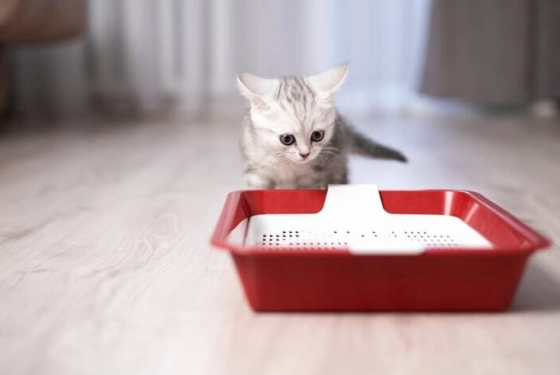
Method 3: The Ambitious Path: Direct Toilet Training
This is the dream for many, and yes, it's a real thing. Commercial kits exist, but you can DIY the process. The core of this cat toilet training method is a slow, gradual elevation and reduction of the familiar substrate.
How to do it (The DIY Version):
1. Move your kitten's current litter box to the bathroom, right next to the toilet. Let them get comfortable with the new location for a few days.
2. Start raising the height of the litter box. Use stable, non-slip platforms (books, sturdy boxes). Raise it an inch or two every few days until the top of the box is level with the toilet seat.
3. This is the tricky part. Replace the litter box sitting on the toilet with a sturdy, shallow tray or aluminum baking pan that fits inside the toilet bowl rim. Fill it with a small amount of litter. Your cat now has to jump onto the toilet seat to get into their "box."
4. Over 1-2 weeks, gradually switch the litter in the tray to something flushable, like a pellet litter made from paper or wood. Then, start reducing the amount of litter in the tray each day.
5. Cut a small hole in the center of the tray. As the days go by, make the hole larger. The cat gets used to the sight and sound of water below.
6. Once the tray is mostly hole, remove it entirely. The goal is for the cat to balance on the toilet seat.
Each step requires the kitten to be completely confident before moving on. Rush it, and you'll have a bathroom-floor accident and a scared cat.
Troubleshooting the Inevitable Hiccups
No guide on how to litter train a kitten fast without a litter box is complete without talking about what goes wrong.
Problem: They just won't use the new spot (pad, toilet, etc.).
Solution: You've moved too fast. Go back one step. If you're on the toilet tray, go back to the box on the platform. If you're on pads, put a tiny bit of their old litter on it. Make the correct choice the easy, familiar choice again.
Problem: Accidents on carpets, rugs, or bathmats.
Solution: This is classic. To a cat, a soft, fibrous surface feels a lot like loose dirt or litter. You must meticulously clean accidents with an enzymatic cleaner designed for pet urine. Regular cleaners leave a scent trace that says "go here again." Also, temporarily pick up all bathmats and block access to carpeted areas during training.
Problem: They go next to the pad, not on it.
Solution: The pad might be too small, or they might not like the scent of some commercial pads. Try unscented ones. Use a larger pad or even a shallow, waterproof tray with the pad inside to better define the "zone."
Problem: Regression after success.
Solution: Sudden regression is often a medical red flag. First stop: the vet. If health is cleared, think about stress. Did you move furniture? Get a new pet? A houseguest? Stress can make a cat seek comfort in old habits. Temporarily revert to a previous, successful step in the training to rebuild confidence.
Your Questions, Answered (The Real Ones People Ask)
The Bottom Line: Is This Right For You and Your Kitten?
Learning how to litter train a kitten fast without a litter box is a project. It's not a default setting. Success depends less on finding a secret trick and more on your commitment to reading your kitten's signals and progressing at their pace.
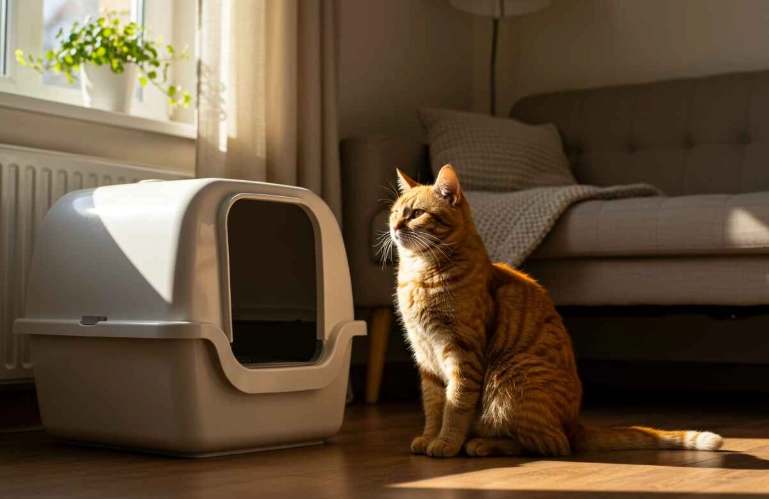
If you're impatient, have an unpredictable schedule, or have a naturally anxious kitten, sticking with a well-maintained litter box (maybe a top-entry or hidden one for aesthetics) is the kinder, simpler choice. There's no shame in that.
But if you're dedicated, observant, and excited by the challenge, the freedom on the other side is real. Start with the puppy pad method to see how your kitten adapts. It's the lowest-commitment test drive. You might be surprised at how quickly they learn. Just remember the golden rules: positive vibes only, clean the spot religiously, and never, ever punish. Your relationship with your cat is way more important than where they poop.
Good luck! And maybe keep a little litter and a spare box in the closet, just in case.





Join the Conversation