Let's be honest. As an adult looking for a pet, you're probably not after a fish you just stare at. You want something with a bit more... interaction. Something you can actually hold, that might even enjoy your company. That's the dream, right? A little furry friend that's happy to sit with you while you read or watch TV.
But here's the catch many first-time owners miss: not all small pets are created equal when it comes to handling. Some tolerate it, some secretly hate it, and a special few genuinely seem to seek it out. Getting this wrong leads to a stressed pet and a disappointed owner. I've seen it happen too many times.
This guide cuts through the noise. We'll look at which small mammals truly thrive on gentle human interaction, the specific techniques to make them feel safe, and how to avoid the common mistakes that break trust.
Let's Get Started: Your Quick Navigation
Why Handling Matters More Than You Think
For adults, a pet's need for handling isn't just about cuteness. It's about bonding and mutual stress relief. Studies referenced by organizations like the American Veterinary Medical Association (AVMA) show that interacting with a calm, friendly animal can lower blood pressure and reduce anxiety. But the key word is calm. If your pet is terrified of being picked up, the experience is stressful for everyone.
Choosing a species known for its sociable temperament is half the battle. The other half is your approach. A common error I see is treating all small pets like tiny, sturdy dogs. They're not. Their world is one of predators and prey. Your hand coming from above can look like a hawk's shadow to a guinea pig. Understanding that perspective changes everything.
The Top Contenders: Pets That Love a Good Session
Based on temperament, social needs, and overall tolerance for interaction, here are the small pets that consistently rank highest for adult owners seeking a handle-able companion.
| Pet | Handling Temperament | Key Advantage for Adults | One Big Consideration |
|---|---|---|---|
| Guinea Pig | Extremely social, vocal, often seeks attention. Once bonded, they will "purr" (a sound called "rumbling") when content. | Diurnal (active during the day), so their schedule matches yours. Their clear vocalizations (wheeking for food, rumbling when happy) make communication rewarding. | They are herd animals. You must get at least two. A lone guinea pig is a depressed guinea pig, no matter how much you handle it. They also need a large, flat space (C&C cages are best), not a tall, small pet store cage. |
| Rat | Highly intelligent, curious, and affectionate. They form deep bonds and will often groom their owners or nap in a hoodie pocket. | Their intelligence means you can teach them tricks, which is a fantastic bonding activity. They are often described as "tiny dogs" in their loyalty. | Shorter lifespan (2-3 years) which can be heartbreaking. They also need a lotof mental stimulation and a very large, multi-level cage. Get same-sex pairs. |
| Rabbit | Can be very affectionate, but on their terms. A bonded rabbit may hop onto your lap for pets, but many dislike being lifted off the ground. | Quiet, litter-trainable, and can free-roam a rabbit-proofed room like a cat. The bonding process is deeply rewarding. | Handling often means petting them on the floor, not picking them up. Their spines are fragile. They also require massive amounts of hay and expensive vet care (find an exotics vet). |
| Chinchilla | Soft, curious, and can become quite tame. They enjoy climbing on you and being gently scratched. | Hypoallergenic (their fur is so dense parasites can't live in it), virtually odorless, and incredibly soft. They are long-lived (10+ years). | Extremely delicate. They have a "fur slip" defense mechanism and can lose patches of fur if scared. They need dust baths, a very cool environment, and are most active at dawn/dusk (crepuscular). |
Notice something? The "best" pet isn't a universal answer. It's a match between your lifestyle and the pet's innate needs. A night owl might bond better with a chinchilla's evening antics, while someone wanting daytime TV company would adore a guinea pig.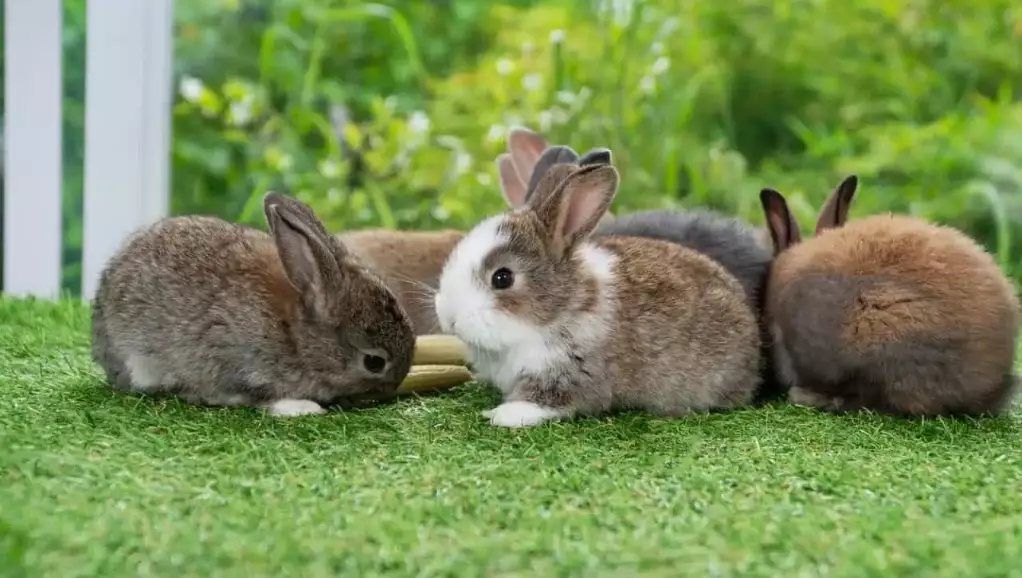
Pro Tip from a Long-Time Owner: Don't judge a pet's handle-ability by its behavior in the pet store. Those environments are terrifying. A shy guinea pig in a noisy store can become a lap-loving cuddlebug in a quiet, predictable home with proper introduction.
How to Handle Them Right: A Step-by-Step Guide for Each Pet
This is where most guides stop, but it's where the real magic happens. Proper technique builds trust. Poor technique destroys it instantly.
How to Pick Up and Hold a Guinea Pig
Never chase or corner them. Place one hand under their chest, behind the front legs, and the other hand supports their hindquarters and bottom. Lift them like a football, bringing them immediately to your chest. Their biggest fear is being unsupported. Never pick them up by the legs or scruff. Sit with them on a towel on your lap. Offer a slice of bell pepper or cilantro while you gently pet them. They feel safest when all four feet are on a solid surface (your lap).
Building Trust with a Rat
Start by letting them sniff your hand in the cage. Offer a treat like yogurt on a spoon (prevents accidental nips). Once they climb onto your hand voluntarily, you can lift them. They love to explore, so handling often means letting them climb on your shoulders, in your sleeves, or on a playpen attached to their cage. Always support their body, but they are more agile than guinea pigs. The best handling is interactive play.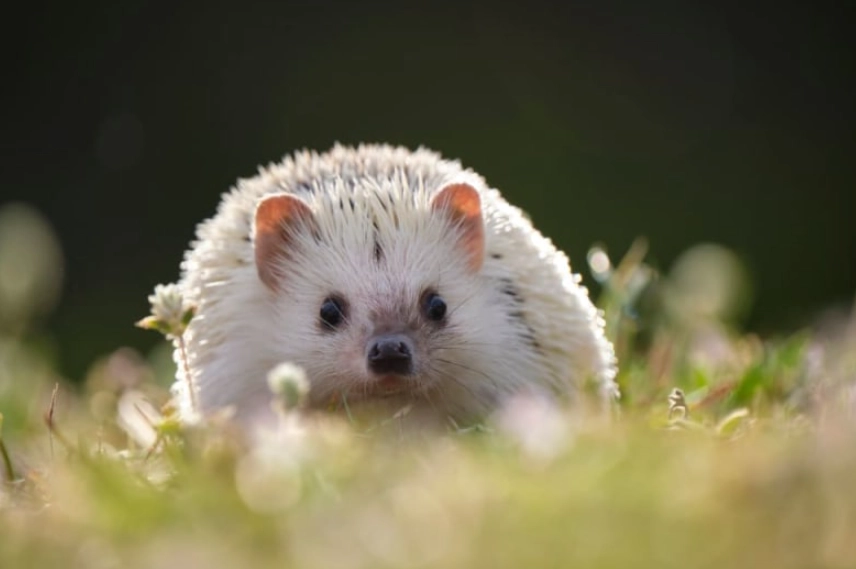
Interacting with a Rabbit (The Floor is Key)
Forget picking them up for cuddles. To bond, get on the floor. Let them approach you. Offer a hand to sniff. If they nudge you, pet them on the head or cheeks. Many rabbits hate being lifted—it triggers a prey instinct. If you must lift them (for vet visits), support all four feet and their bottom against your body, tucking their head under your arm. It's a skill that takes practice. Daily floor time is your primary handling session.
Approaching a Chinchilla
Move slowly. Let them come to the cage door. Scoop them with two hands from below, one supporting the chest, the other the rear. Hold them close. They are jumpers, so do this over a soft surface or while sitting. They often prefer climbing on you to being held tightly. A safe, enclosed play area where they can hop on and off you is ideal.
The Biggest Mistake I See: People give up after a week. Building trust with a prey animal takes consistent, gentle effort over weeks or even months. Ten minutes of calm, positive interaction daily is worth more than an hour of forced cuddling once a week. If your pet seems stressed (hiding, freezing, teeth chattering), back off and try again later.
Pets to Think Twice About (If Handling is Your Goal)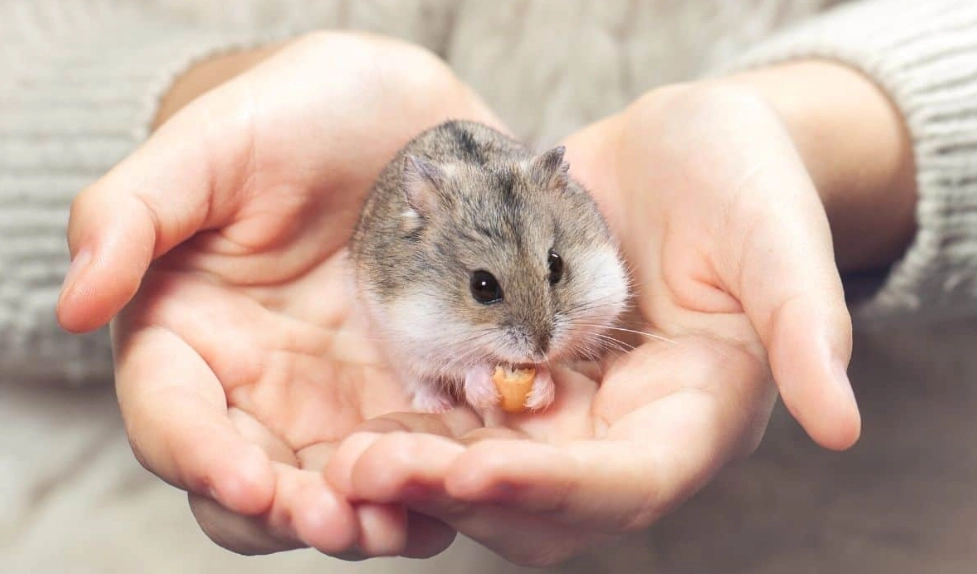
Let's be real about some other popular options. This isn't to say they're bad pets, but they might not fulfill that specific "cuddle buddy" desire.
Hamsters: Mostly solitary, nocturnal, and notorious for being nippy if woken during the day. Some Syrian hamsters can become tame with immense patience, but they are rarely "snugglers." They are fascinating to watch in a large, enriched enclosure, but handling is often minimal.
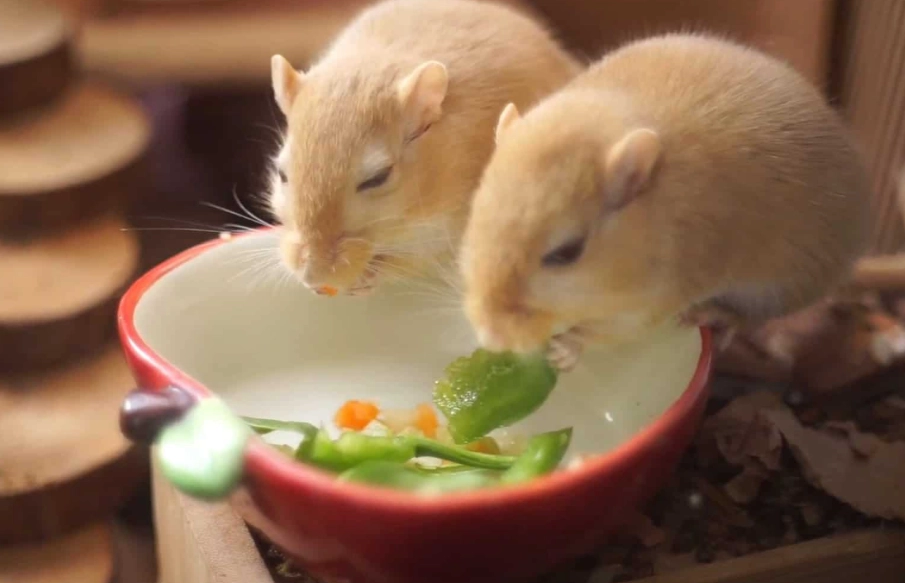
Gerbils: Incredibly active, social with their own kind, but often too fast and wriggly for prolonged holding. They are diggers and chewers, best enjoyed observing their complex tunnel systems.
Mice: Intelligent and cute, but small, fast, and fragile. They can be tamed but are more of a "watch me zoom" pet than a sit-on-your-lap pet for most people.
Hedgehogs: This one pains me because they're so unique. But their default state when scared is to ball up with sharp spines. While some can become tolerant with dedicated, nightly handling, they are not naturally affectionate in the way a rat or guinea pig is. They are insectivores with specific temperature and dietary needs.
Your Questions, Answered
Look closely at rats and chinchillas. Rats, despite misconceptions, are quite clean and their urine is less allergenic than some other pets (though always spend time with one first to test your reaction). Chinchillas are often a great choice for allergy sufferers due to their dense fur and lack of dander. For both, an air purifier next to the cage is a game-changer. Avoid rabbits and guinea pigs if hay is a major allergen for you.
This is why getting a same-sex pair is non-negotiable for social species like guinea pigs, rats, and rabbits. They keep each other company. Your handling sessions become enriching social time on top of their existing companionship. A solo social pet will be lonely, no matter how much evening attention you give it. For nocturnal pets like hamsters, your schedule might actually align—they're waking up as you get home.
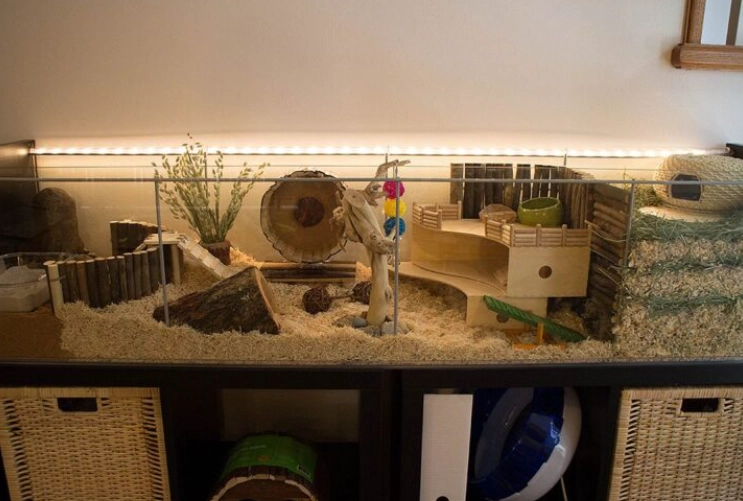
This is the practical adult question. The initial cost is dominated by the proper-sized enclosure, which is almost always bigger and more expensive than pet store kits suggest. Budget $150-$300 for a good cage/habitat. Then add hides, water bottles, food bowls ($50). The pet itself is $20-$80. The hidden cost is the exotic vet fund. Put aside $200-300 for emergencies. Monthly, food, bedding, and hay will run $30-$60. The biggest financial pitfall is buying a cute, tiny cage, then having to replace it in three months when you realize it's too small.
Probably. A bite is usually a fear reaction. You likely moved too fast, didn't support its body, or tried to pick it up from above. Guinea pigs have poor depth perception and a hand swooping down is terrifying. Re-start with treats at cage level, then progress to lap time without lifting. It takes patience to rebuild that trust. Sometimes, pain can also cause biting, so a vet check is wise if the behavior is new.
Absolutely, and this is the fun part. It's all about positive reinforcement. For any pet, associate your hand with good things. For rats, teach them to come to a specific sound (like a clicker or a tongue click) for a high-value treat. For rabbits, reward them with a tiny piece of fruit for hopping onto a low platform you can sit next to. You're not forcing them to be held; you're teaching them that interacting with you is rewarding. Resources from the ASPCA on positive reinforcement can be adapted for small animals.
 The bottom line is this: the most handle-able small pet is the one whose natural needs you can meet joyfully. It's the match that matters. Do your research, prepare a proper home before bringing them home, and approach them with respect for their prey-animal perspective. The trust and companionship you'll build is worth every bit of the effort.

Join the Conversation