Quick Guide
Let's get one thing straight from the start. Most of the time, you're not really "potty training" a cat in the way you'd train a puppy. Cats have a natural instinct to dig and bury their waste. Your main job is to make the litter box the most appealing, obvious, and comfortable place for them to do that business. But when you bring home a new kitten, a rescued stray, or even an older cat with bad habits, you might need a clear plan. That's what this is all about—a practical, step-by-step guide on how to potty train a cat with a litter box that actually works, without the fluff.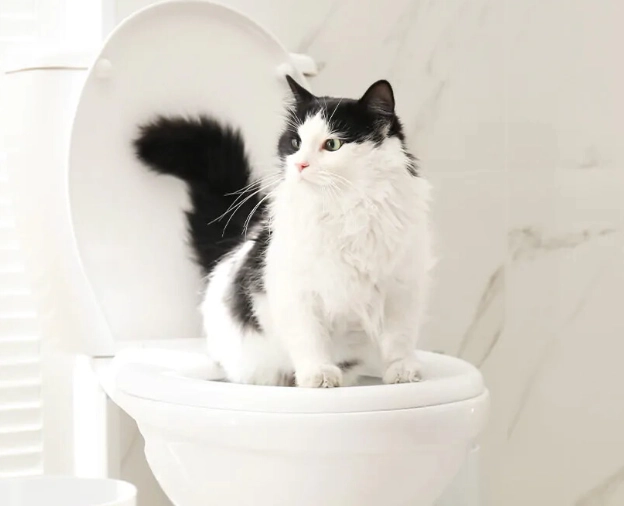
I've had cats my whole life, from fussy Persians to street-smart rescues who looked at a litter box like it was a spaceship. I've made every mistake in the book so you don't have to. The process of how to potty train a cat with a litter box boils down to three things: the right setup, positive reinforcement, and understanding your cat's language. Miss one, and you might be cleaning up accidents.
Getting Started: The Right Setup is 80% of the Battle
Think of the litter box as your cat's private bathroom. You wouldn't use a dirty, scary, or hard-to-find toilet, right? Same for them. Getting this part wrong is the number one reason for failures in how to potty train a cat with a litter box.
Choosing the Litter Box: Size, Style, and Number
Forget the tiny boxes sold for kittens. Go big. The box should be at least 1.5 times the length of your cat from nose to tail base. They need room to turn around, dig, and cover. A common rule is one box per cat, plus one extra. So, one cat needs two boxes, two cats need three. I know, it sounds like a lot, but it removes competition and gives them options. For a single cat, at minimum, have two boxes in different locations.
Covered vs. uncovered? This is personal—for your cat. Some cats love the privacy of a hooded box. Others feel trapped and hate the lingering smell. Start with a large, open box. You can always add a cover later. For senior cats or kittens, make sure the sides are low enough for easy entry.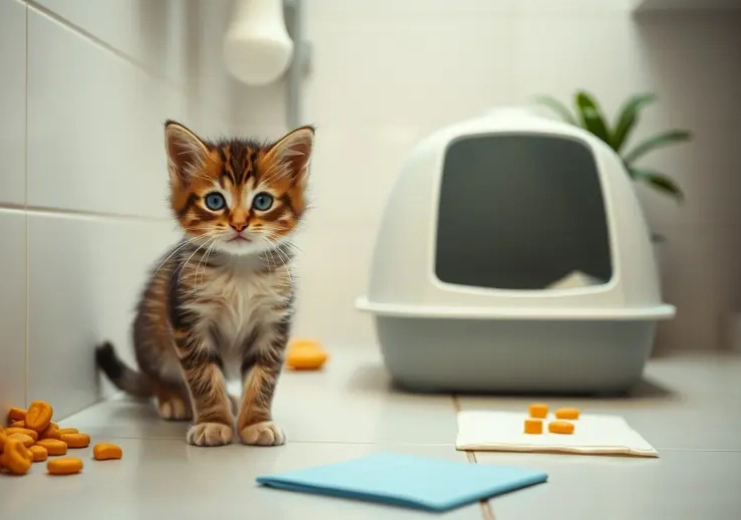
The Great Litter Debate: Clumping, Silica, Pine?
This is where many owners get stuck. Cats have texture preferences. Unscented, fine-grain, clumping litter is the most popular and widely accepted choice. It's soft on paws and easy for you to clean. Avoid heavily scented litters—they're for you, not your cat. Their sense of smell is far stronger, and perfumes can be offensive or even irritating.
Here’s a quick comparison to help you decide, especially if your cat is being picky:
| Litter Type | Pros | Cons | Best For |
|---|---|---|---|
| Clumping Clay | Easy scooping, controls odor well, most cats accept it. | Dusty, heavy, not biodegradable. | Most cats, especially beginners. |
| Silica Gel Crystals | Excellent odor control, very low dust, long-lasting. | Can be expensive, texture feels weird to some cats. | Owners seeking low maintenance; not for all cats. |
| Recycled Paper | Very low dust, highly absorbent, lightweight. | Poor odor control, doesn't clump, needs frequent full changes. | Cats with respiratory issues, post-surgery. |
| Pine/Wood Pellets | Natural, biodegradable, controls odor well when maintained. | Doesn't clump, turns to sawdust when wet, scent not liked by all. | Eco-conscious owners; cats who like the texture. |
| Walnut/ Corn/Wheat | Biodegradable, natural clumping, often low dust. | Can attract bugs if stored poorly, some cats may try to eat it. | Those wanting a natural clumping alternative. |
The key? Consistency. Once you find a litter your cat likes, stick with it. Sudden changes can lead to protests outside the box.
Location, Location, Location
Place litter boxes in quiet, low-traffic, but accessible areas. Not next to the roaring washing machine or in the middle of the playroom. A corner of a bathroom, laundry room, or spare room is ideal. Avoid placing food and water bowls right next to the box. Would you want to eat in your bathroom?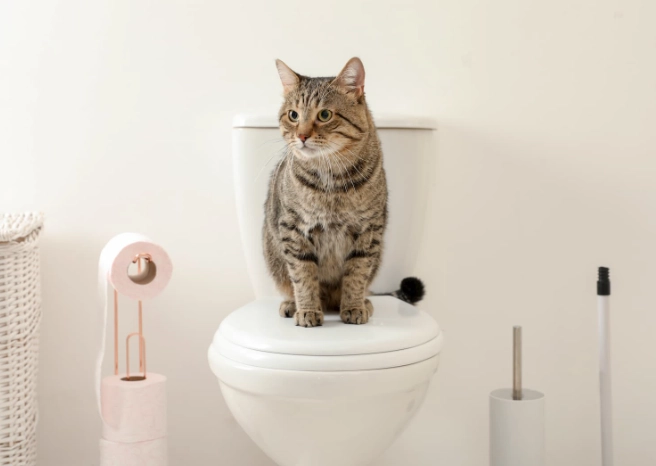
Make sure the path to the box is always clear, especially for kittens or older cats. For multi-story homes, have at least one box on each level.
How to Potty Train a Cat with a Litter Box: The Training Process
Now for the actual training. This is your action plan, whether you're starting with an 8-week-old kitten or an adult cat who needs a refresher.
Step 1: The Introduction
After setting up the box in a good spot, gently place your cat in it. Don't force them. Just let them stand there and sniff. You can take their front paw and make a gentle scratching motion in the litter to demonstrate the digging behavior. Do this especially after they wake up, after meals, and after play sessions—their most likely times to go.
Step 2: Establish the Routine and the Link
This is the core of how to potty train a cat with a litter box. You're helping them build a habit. Take them to the box frequently, especially during the initial days. Praise them calmly when they use it correctly. A simple "good job" in a happy tone works. Avoid loud, excited praise that might startle them.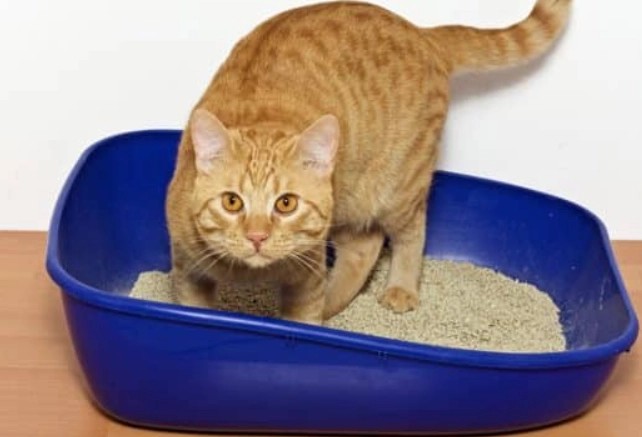
If you catch them starting to eliminate somewhere else (they'll often sniff and circle a spot), immediately but calmly pick them up and place them in the litter box. If they finish in the box, praise them. Never scold or rub their nose in an accident. That only creates fear and anxiety around you and the box.
Step 3: Supervision and Confinement
For new kittens or cats you're actively training, don't give them free run of the house immediately. Confine them to a small, cat-proofed room (like a bathroom or spare room) with their litter box, bed, food, and water. This makes the box easy to find and reinforces its use. Gradually expand their territory as they prove reliable.
Step 4: The Cleanliness Factor
Cats are clean creatures. A dirty box is a major turn-off. Scoop solid waste and urine clumps at least once, ideally twice, daily. Completely dump the old litter, wash the box with mild soap (no harsh chemicals like ammonia or strong citrus scents), and refill with fresh litter every 1-2 weeks. A dirty box is the fastest way to undo all your work on how to potty train a cat with a litter box.
Troubleshooting: When Things Don't Go as Planned
So you've set up the perfect box, but your cat is still going on the rug or behind the couch. Don't panic. This is where understanding your cat's behavior is crucial. It's rarely "spite." It's communication.
Common Reasons for Litter Box Avoidance
Medical issues are the first thing to rule out. A urinary tract infection (UTI), bladder stones, arthritis (making it painful to get in the box), or other conditions can cause a cat to associate the box with pain. Your first step if there's a sudden change in habits is always a vet visit. Organizations like the Cornell Feline Health Center provide excellent resources on feline medical issues that can affect litter box use.
If medical causes are ruled out, it's behavioral. Here’s a breakdown of common problems and fixes:
| Problem | Possible Cause | Solution |
|---|---|---|
| Urinating/Defecating right next to the box | Box too small, sides too high, pain when entering (arthritis). | Get a larger, lower-sided box. Place a puppy pad under/around it during retraining. |
| Going in bathtubs or sinks | Prefers smooth, cool surfaces; may dislike litter texture. | Try a different litter (smooth silica or paper). Place a small, empty litter box (no litter) in the tub as a transition. |
| Only going on soft surfaces (clothes, beds) | Early separation, comfort-seeking, or medical issue. | Rule out medical. Keep laundry/bedroom doors closed. Provide a soft, washable bed near the box area. |
| Stands in box but eliminates over the edge | Box is too small or not enough litter. | Larger box, fill with 3-4 inches of litter. Consider a high-sided or covered box. |
| Digs excessively, doesn't cover | Normal behavior for some, or may not like litter depth. | Ensure litter is deep enough (3-4 inches). If it's not a problem, let it be. |
| Suddenly stops using a previously accepted box | Negative association (scared while using it), new litter scent, box location change, dirty box. | Go back to previous successful setup. Add an additional box in the old location. Use enzymatic cleaner on accidents. |
The Nuclear Option: Deep Cleaning Accidents
If your cat pees outside the box, you must completely erase the scent. Normal cleaners won't do; they just mask it for human noses. Cats can still smell it, which invites repeat offenses. Use a high-quality enzymatic cleaner designed specifically for pet urine. These break down the odor-causing molecules. Soak the area thoroughly, let it dry completely. For carpets, you might need multiple applications. This step is non-negotiable in learning how to potty train a cat with a litter box after accidents.
Advanced Tips and Long-Term Success
Once your cat is reliably using the box, maintenance is key. But some situations require extra thought.
Multi-Cat Household Dynamics
This is where the "one per cat plus one" rule is golden. Place boxes in different areas so one cat can't guard all of them. Some cats won't use a box another cat has just used. More boxes reduce this stress. Watch for bullying or blocking behavior around litter box areas.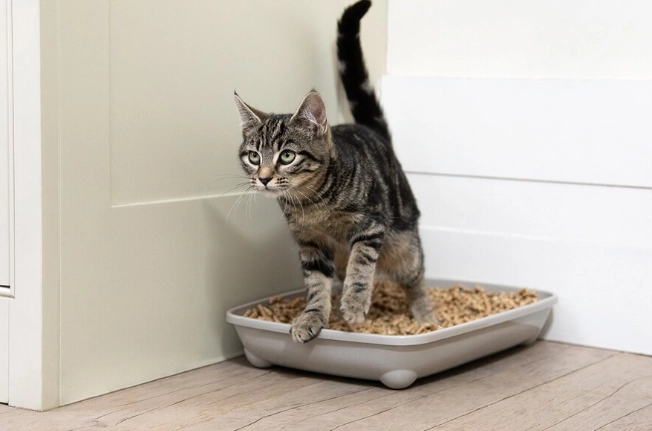
The Senior Cat Transition
As cats age, arthritis can make stepping into a high-sided box painful. Kidney issues can increase urine output and frequency. Solutions include:
- Low-entry boxes: Senior boxes with a very low front lip.
- More boxes: Place them closer to where your cat sleeps.
- Softer litter: Fine-grain clumping is gentler on old paws.
- Puppy pads: Place one in front of the box for accidents.
Keeping the Habit Strong
Never get complacent with cleaning. Stay observant. Any change in frequency, posture, or vocalization while in the box warrants a vet check. Keep the environment stable—cats thrive on routine. For more on creating a cat-friendly home environment, the ASPCA's general cat care guide is a fantastic reference.
Remember: The goal of learning how to potty train a cat with a litter box isn't just a clean floor. It's about providing for a fundamental need in a way that respects your cat's natural instincts and comfort. It builds trust. When you get it right, it's one of the most basic and rewarding parts of the human-cat bond.
Frequently Asked Questions

Look, at the end of the day, mastering how to potty train a cat with a litter box isn't about complex tricks. It's about empathy and observation. See the world from your cat's perspective. Is their bathroom clean, safe, and comfortable? If you can honestly say yes, you're 95% of the way there. The rest is just gentle guidance and celebrating the small wins. You've got this.



Join the Conversation