So you've got the cage. Maybe it's a fancy tank, a modular bin cage you built, or a large wire enclosure. It sits there, looking a bit… empty. You know you need more than just a food bowl and some bedding, but the world of hamster accessories is overwhelming. Tubes, wheels, huts, toys—what's actually necessary, and what's just cute clutter?
I've kept hamsters for over a decade, and I've seen the difference between a bare enclosure and a properly equipped one. It's not just about aesthetics; it's about preventing stress behaviors like bar chewing, obsessive climbing, and over-grooming. The right accessories turn a cage into a habitat, fulfilling your hamster's deep-seated instincts to burrow, forage, chew, and explore.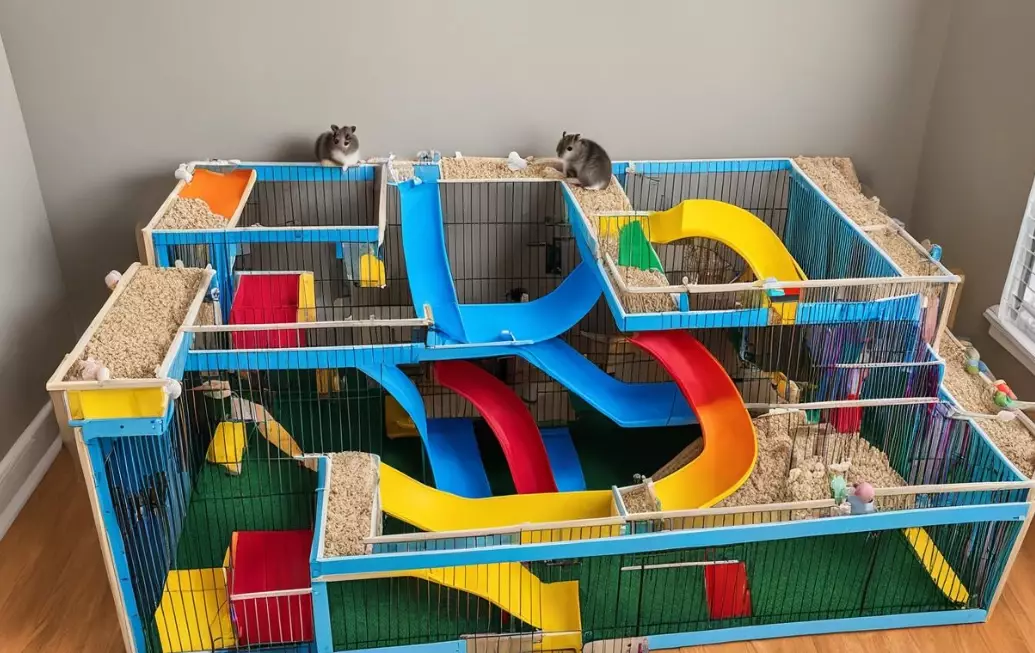
Let's skip the fluff and talk about what really matters.
What's Inside This Guide
The Non-Negotiables: Core Accessories Every Cage Needs
These aren't optional. If your cage is missing any of these, your hamster's welfare is compromised. I'm not exaggerating.
The Right Wheel: It's Not Just About Size
An improper wheel causes permanent spinal curvature. The rule is simple: solid-surface, and big enough that their back is perfectly straight when running. For Syrian hamsters, that's 28cm (11 inches) minimum. For dwarfs, 20cm (8 inches).
Mesh or runged wheels are a hard no—they cause bumblefoot and can trap tiny feet. The quietest wheels often have a metal axle running through a plastic hub; the "silent" spinner types with a central plastic ball bearing can develop a loud wobble over time. I learned this after buying three different "quiet" wheels. The Exotic Direct veterinary pet insurance site has articles highlighting wheel safety as a primary concern for small pet health.
Anchor it securely. A wobbly wheel is annoying for you and stressful for them.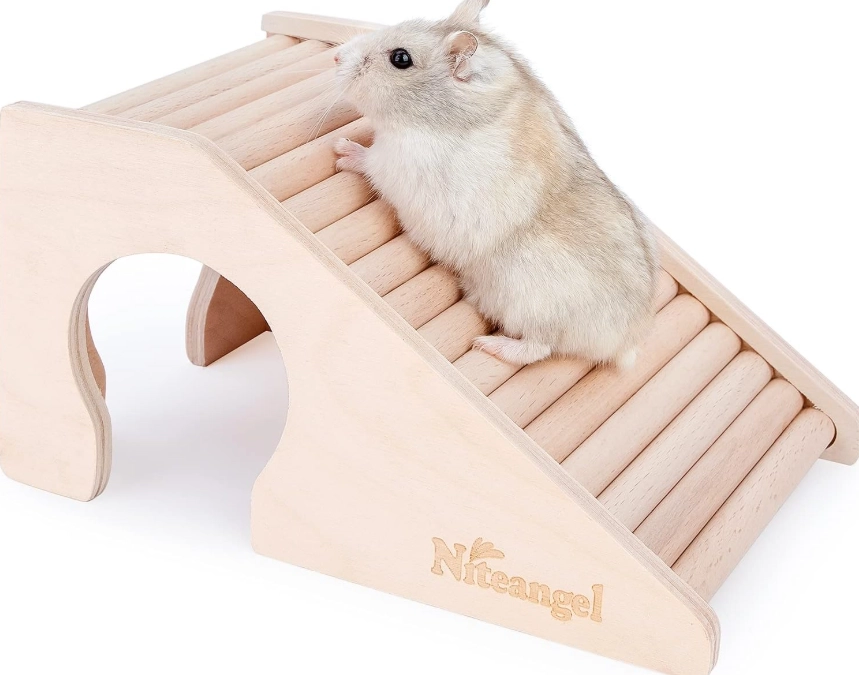
A Proper Nesting House: More Than Just a Hut
Your hamster needs a dark, enclosed, private space to sleep and feel secure. A simple plastic igloo is okay for a starter, but it's see-through and doesn't hold heat well.
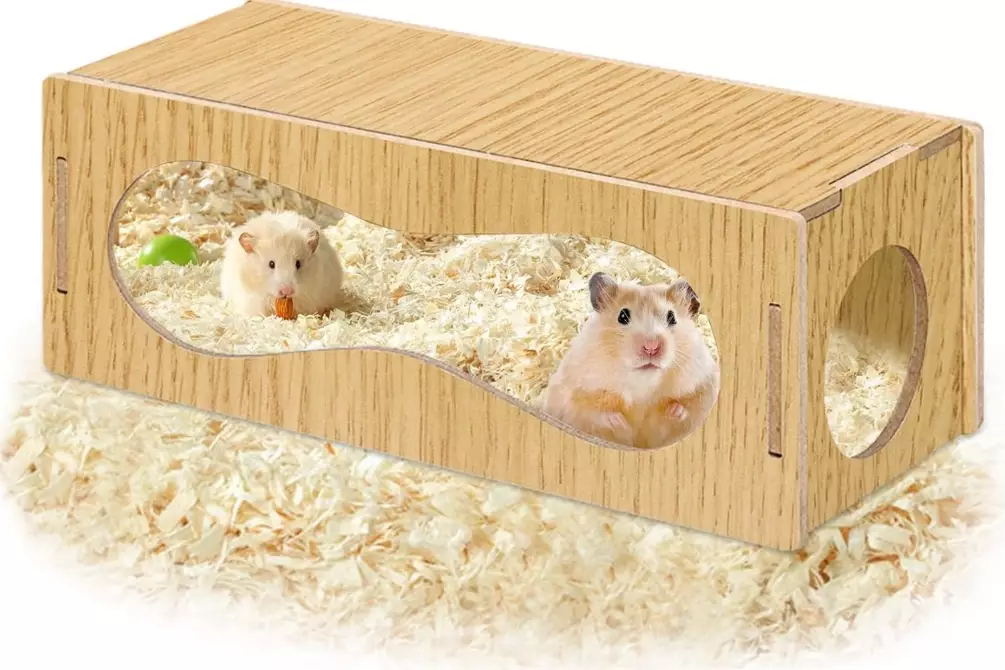
Upgrade to a multi-chamber hide. These are usually wooden or ceramic systems with several connected rooms. Your hamster will use one for sleeping, one for storing food (their "pantry"), and maybe another as a bathroom. It mimics their natural burrow structure and provides immense psychological comfort. Watching them organize their multi-chamber home is one of the true joys of hamster keeping.
The Water Bottle: A Simple but Critical Choice
Glass bottles are superior to plastic. They don't leach chemicals, are easier to clean, and the ball-bearing mechanism tends to drip less. Position it just high enough so the spout is accessible, but not so low that bedding gets shoved into it.
Check it every single day for blockages by tapping the ball bearing. A backup dish of water isn't a bad idea, but it will get dirty quickly.
Beyond Survival: Enrichment Accessories for a Stimulating Life
This is where we prevent boredom. A hamster with nothing to do will find something to do, and you probably won't like it (cue the 2 AM bar-chewing symphony).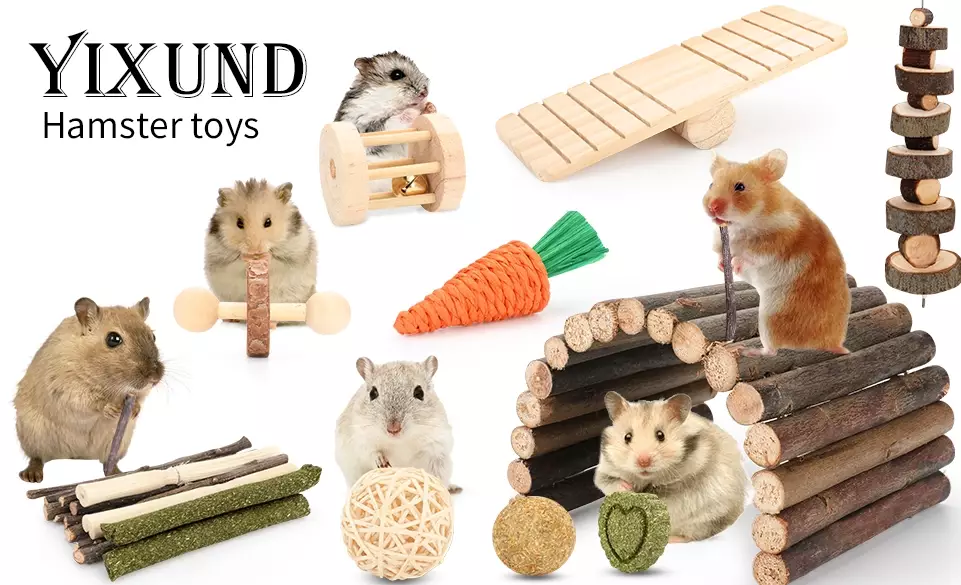
Digging Boxes: Tapping into Natural Instincts
If I could only recommend one enrichment item, it would be this. Hamsters are fossorial—they live to dig. A shallow layer of bedding in the main cage isn't enough.
Get a deep, sturdy container (like a large, opaque storage box) and fill it with 25+ cm of a different substrate. Coco soil (be sure it's fertilizer-free), aspen shavings, or a mix of safe beddings work great. Bury some treats, a tunnel, or a small hideout inside. You'll see a different, more content hamster emerge. The RSPCA's guide to hamster welfare emphasizes providing opportunities for digging as a core behavioral need.
Chew Toys: Not All Woods Are Created Equal
Hamster teeth never stop growing. Chewing is mandatory, not a hobby. Provide a variety:
- Safe woods: Apple, pear, willow, birch. Avoid pine and cedar (the fumes are toxic).
- Harder materials: Pumice stones, seagrass mats, coconut shells.
- Edible chews: Whimzees dental treats (the XS size) are a hit, but offer sparingly.
Don't just toss one in and forget it. Rotate them to keep interest high.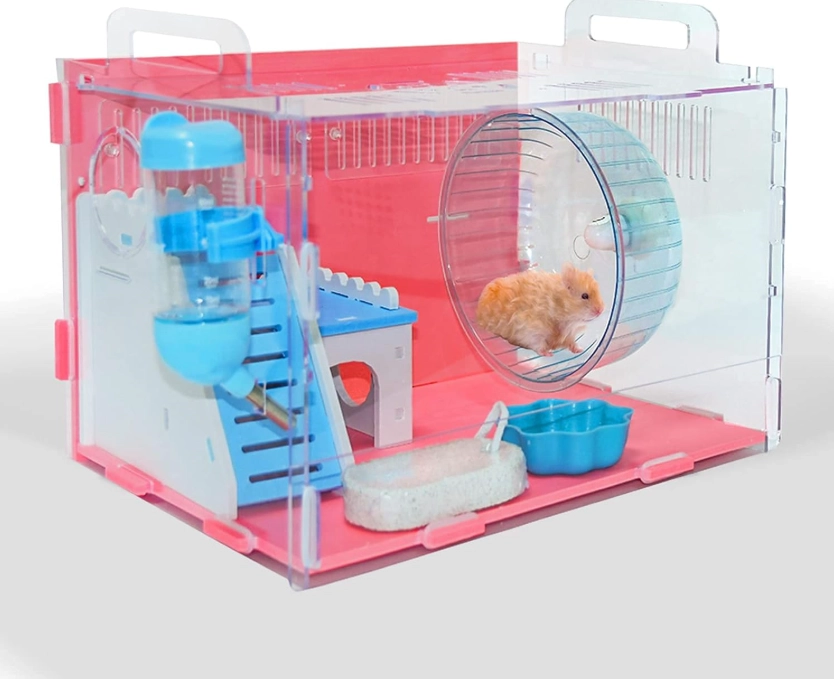
Climbing and Exploration: Ladders, Bridges, and Tunnels
Syrians are surprisingly decent climbers; dwarfs are more cautious. Provide safe climbing opportunities with platforms connected by ramps, cork logs, or grapevine wood. Avoid tall, fall-risking structures.
For tunnels, ceramic or hard plastic are best for longevity. The cardboard tubes from toilet paper or paper towels are free, fantastic enrichment, and safe to chew—just remove any glue or tape.
Watch out for "fluff" bedding sold for nests (the cottony, wool-like stuff). It's extremely dangerous. Threads can wrap around limbs, cutting off circulation, or cause fatal blockages if ingested. Always use shredded paper or toilet tissue instead.
The Substrate & Bedding: The Foundation of Comfort
This is arguably the most important "accessory." It's their floor, their burrowing medium, and their bathroom.
| Material | Best Use | Notes & Cautions |
|---|---|---|
| Paper-Based Bedding | Main cage substrate, nesting material. | Soft, absorbent, low dust. Choose unscented. Can be less supportive for deep burrows alone. |
| Aspen Shavings | Main substrate or digging box fill. | Safe wood shaving. Provides good structure for burrows. Avoid pine or cedar. |
| Hemp or Flax Substrate | Main substrate, especially for odor control. | Highly absorbent, low dust, good for burrowing. Can be a bit more expensive. |
| Coco Soil (Coir) | Digging box specialty substrate. | Holds burrow shapes perfectly. Must be 100% natural, no additives. Keep slightly damp. |
| Corn Cob Bedding | Not recommended. | Prone to mold and fungal growth. Hard and uncomfortable. I'd avoid it entirely. |
My preferred setup is a deep base layer of aspen or hemp for burrow support, topped with a softer paper bedding for coziness. The digging box gets the coco soil.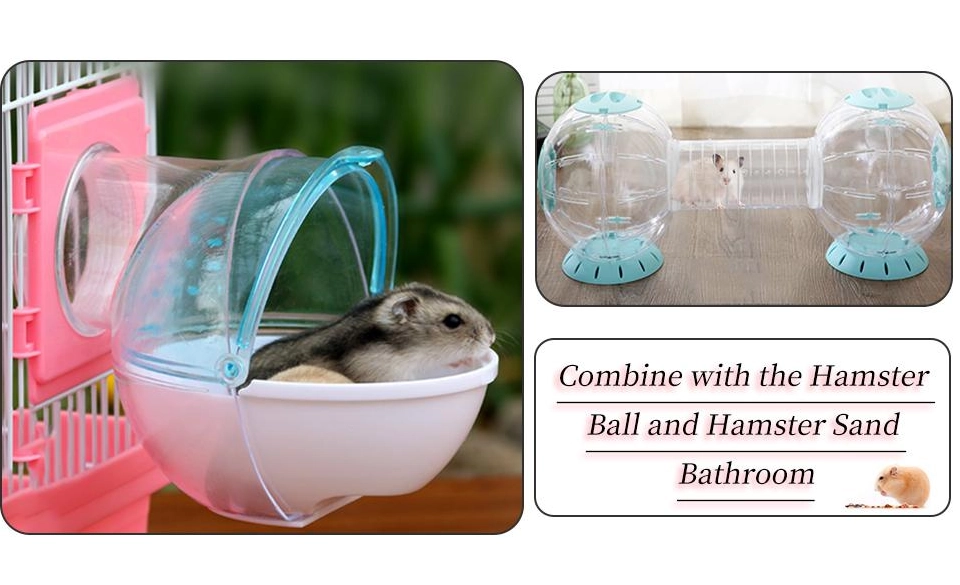
Common Mistakes and How to Avoid Them
We've all made them. Here's how to sidestep the big ones.
- Prioritizing Aesthetics Over Function: That cute pastel plastic castle? It's probably too small, poorly ventilated, and will be chewed to pieces in a week. Choose items for their purpose first.
- Underestimating the Need for Depth: If your hamster can't disappear completely into the bedding, it's not deep enough. Aim for at least 15-20cm (6-8 inches) in a significant portion of the cage.
- Creating a "One-Level" Cage: Utilize vertical space safely with platforms. A flat cage is a boring cage. Create different zones: a quiet sleeping area, a busy foraging/play area, a dedicated sand bath corner.
- Not Providing a Sand Bath: Especially for dwarf hamsters, a dish of reptile sand (no calcium, no dyes) or children's play sand (baked and sifted) is essential for oil and dirt control. They'll roll and dig in it.
Putting It All Together: A Sample Cage Layout
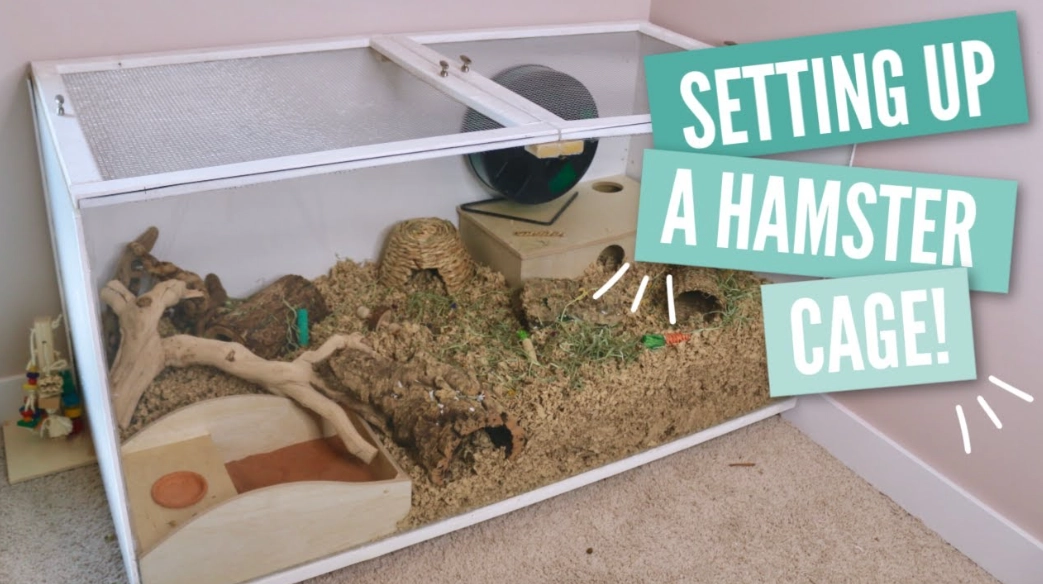
Imagine a 120cm x 60cm tank. Let's build it from the ground up.
Back Left Corner: This is the quiet zone. Pile bedding highest here (25cm). Bury the multi-chamber hide halfway into it. Place the water bottle nearby.
Center-Back: Anchor the solid-surface wheel here on a stable platform to prevent bedding from blocking it.
Front Right Corner: The "activity center." Place the deep digging box here. Next to it, set up the sand bath in a heavy ceramic dish.
Remaining Space: Scatter different chew toys, a cork log tunnel, a seagrass mat, and a few platforms connected by a bendy bridge. Bury some foraging mix under the bedding in random spots.
The food dish? Honestly, I often scatter feed to encourage natural foraging. If you use a dish, put it in a central, easy-to-clean spot.
This layout creates a journey, not just a space to sit.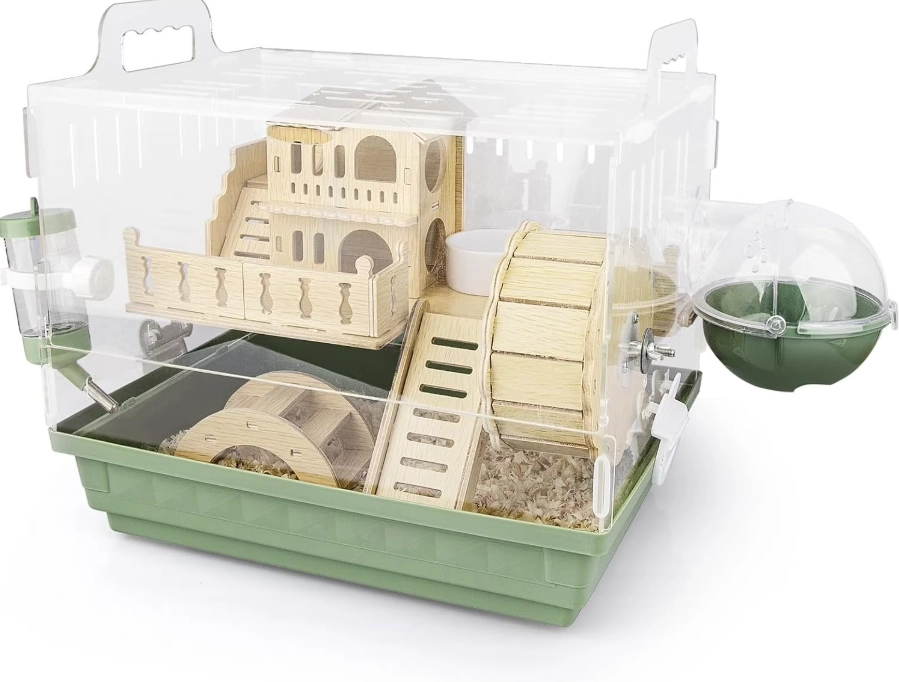
Frequently Asked Questions (Answered by a Long-Time Owner)
 The key isn't to buy every accessory on the shelf. It's to thoughtfully select items that serve a specific purpose in your hamster's life: safety, comfort, instinct, and play. Start with the non-negotiables, then build your enrichment from there. Watch your hamster's behavior—it will tell you what they love and what they ignore.
A well-accessorized cage is a quiet one at night, filled with the gentle whir of a wheel and the soft rustle of a hamster busy in its own perfect world.



Join the Conversation