Let's cut to the chase. You're busy, maybe you live in a small apartment, and the idea of daily walks, constant grooming, or sky-high vet bills makes you sweat. You want companionship, a little life in your home, but you need it to fit your reality, not a Pinterest-perfect pet owner fantasy. So, what is the easiest, most low-maintenance pet? The answer isn't one single animal. It's about a perfect match between a pet's needs and your lifestyle. Forget the generic lists. We're going to break down what "low maintenance" truly means and give you the real, nitty-gritty details on your best options.
Your Quick Guide to Low-Effort Pets
What Does "Low Maintenance" Really Mean?
Before we name names, let's define our terms. When experienced pet owners talk about "low maintenance," they're usually weighing four key factors:
- Time Commitment: Daily feeding/watering, cage cleaning frequency, required social interaction.
- Financial Cost: Initial setup (tank, cage, supplies), monthly food/litter, potential vet bills.
- Space Requirements: The physical footprint of the habitat and any needed "free roam" area.
- Complexity of Care: Specialized dietary needs, environmental controls (heat, humidity), grooming, and health monitoring.
A huge mistake beginners make is focusing only on the daily time. I've seen people get a "low maintenance" reptile, only to be shocked by the $300+ startup cost for a proper terrarium, heat lamp, and thermostat. The maintenance is low, but the barrier to entry isn't.
True low maintenance balances all these factors. It's a pet whose needs are simple, predictable, and forgiving of the occasional busy day or weekend away.
Pro Tip from a 10-Year Pet Sitter: The most overlooked cost isn't money—it's mental load. A pet that needs its temperature checked twice a day or a specific humidity level adds constant, low-grade stress. A pet that thrives at room temperature and eats pellets you can buy anywhere? That's mental freedom.
Top Contenders for the Easiest Pet Title
Based on the criteria above, here are the champions of hassle-free companionship. We'll go beyond the name and into what life with them is actually like.
1. The Betta Fish (Siamese Fighting Fish)
Often misunderstood and kept in tiny bowls, a betta in a proper setup is arguably the king of visual, low-interaction pets.
- The Reality Check: Ditch the vase. A 5-gallon filtered, heated tank is non-negotiable for a healthy, vibrant fish. This initial setup ($80-$120) does the heavy lifting. After that, it's a breeze.
- Daily/Weekly Routine: Feed a few pellets once a day. A 20% water change once a week takes 15 minutes. That's it.
- Interaction: They recognize you and will swim to the front for food. Some can even be "trained" to follow a finger. It's observational companionship.
- The Big Win: You can leave for a long weekend with an automatic feeder or a slow-release food block with zero worry.

2. The Leopard Gecko
If you want a pet you can actually hold but don't want the complexity of most reptiles, meet the leopard gecko.
- The Reality Check: They need a 20-gallon long tank with an under-tank heat mat regulated by a thermostat. No special UVB lighting is required, which is a major simplification over other lizards.
- Daily/Weekly Routine: Feed live insects (crickets, mealworms) every other day. Spot clean waste daily. A full tank clean happens monthly. They get all their water from a shallow dish.
- Interaction: Docile and slow-moving. After acclimating, they'll calmly sit on your hand. They're nocturnal, so they're most active in the evenings when you're home.
- The Big Win: Their care sheet is remarkably consistent. They don't require misting or precise humidity, just a moist hide for shedding. According to resources like the AVMA, reptiles can be great pets with proper research, and leopard geckos are the entry point.
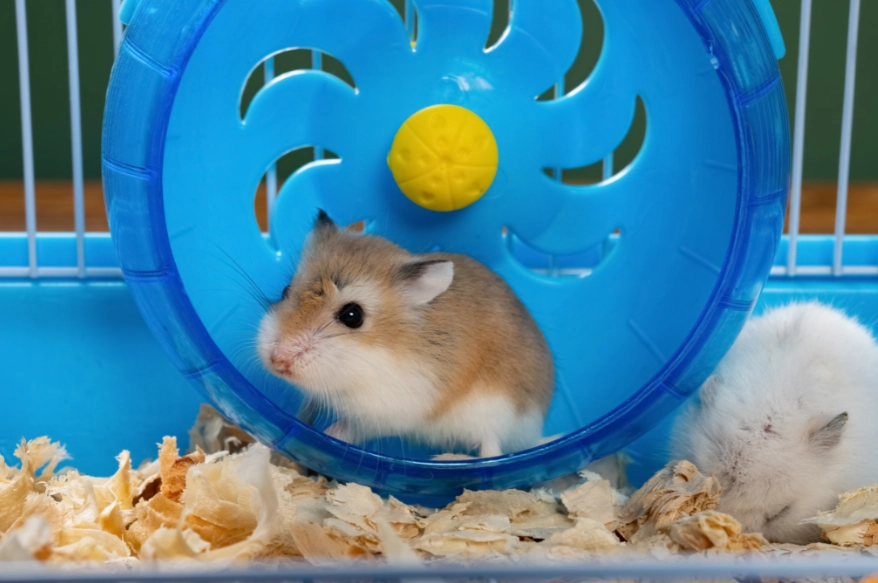
3. The Roborovski Dwarf Hamster or Gerbil
For small mammal fans, these are the streamlined options. I'm specifying Roborovski hamsters because Syrian hamsters need much larger cages and are more prone to health issues.
- The Reality Check: They need space to run. A large bin cage or aquarium (40+ gallons) with 6+ inches of bedding for burrowing is essential to prevent stress. The initial habitat setup is key.
- Daily/Weekly Routine: Fresh food and water daily. Spot cleaning every few days. A deep clean of part of the bedding every 2-3 weeks (never all at once, it destroys their scent-based world).
- Interaction: Taming takes patience. They are quick, curious, and more for watching than cuddling. Gerbils are highly social and must be kept in same-sex pairs.
- The Big Win: Their nocturnal nature means they're busy on their wheels at night, not demanding your attention during your workday.

4. The Pet Snail (Giant African Land Snail or Common Garden Snail)
Hear me out. This is the ultimate niche, low-maintenance pet for the truly minimalist or curious naturalist.
- The Reality Check: Check your local laws first (they are illegal in some places, like the US, due to invasive species risks). If legal, a simple, ventilated plastic tub with damp coconut fiber substrate works.
- Daily/Weekly Routine: Mist the enclosure to maintain humidity. Provide fresh vegetables (lettuce, cucumber, zucchini) and a cuttlebone for calcium. Clean up waste weekly.
- Interaction: Purely observational. Watching them glide is mesmerizingly peaceful.
- The Big Win: Costs are virtually zero after setup. It's the closest you get to a "set it and forget it" pet that's still a living creature.
| Pet | Initial Setup Cost (Approx.) | Key Weekly Time Commitment | Can Be Left Alone for a Weekend? | Best For... |
|---|---|---|---|---|
| Betta Fish | $80 - $120 | 15-20 mins (water change) | Yes (with feeder) | Visual learners, small spaces, those who travel occasionally. |
| Leopard Gecko | $200 - $300 | 20-30 mins (feeding, spot cleaning) | Yes (adults, 2-3 days) | Those who want a handleable pet, enjoy a predictable routine. |
| Dwarf Hamster | $100 - $150 | 15 mins (feeding, quick tidy) | Yes (with ample food/water) | Night owls, people who enjoy creating enriching habitats. |
| Pet Snail | $30 - $50 | 10 mins (feeding, misting) | Yes (if misted well before) | The ultra-minimalist, educators, unique pet enthusiasts. |
How to Make Your Final Decision: The Lifestyle Match Test
Don't just pick the cutest one. Run through this quick checklist:
- Your Schedule: Are you home in the evenings (good for geckos/hamsters) or do you just want a calming presence you see in the morning (good for fish)?
- Your Budget: Can you afford the higher startup for a proper gecko tank, or do you need the lower entry point of a hamster bin cage?
- Your "Ick" Factor: Can you handle live insects for a gecko? Are you okay with cleaning a small animal's cage? If not, the betta fish wins.
- Your Goal: Is it decoration with life (fish/snail), something to watch explore (hamster), or an animal you can physically interact with (gecko)?
Think of Sarah, a graphic designer who works freelance from home. She wanted a break from her screen but didn't want a demanding schedule. A planted 10-gallon betta tank became her living art piece. The weekly water change was her mindful reset. Perfect match.
Then there's Tom, a nurse with shifting schedules. He wanted something to care for on his days off. A leopard gecko worked because its every-other-day feeding fit his irregular routine, and its evening activity matched his wind-down time. A hamster's nocturnal noise would have driven him crazy on his few nights to sleep early.
Honest Answers to Your Pet Questions
 What's the biggest mistake people make when choosing an "easy" pet?
 So, what is the easiest, most low-maintenance pet? It's the one whose needs align so seamlessly with your life that caring for it feels simple, not like a chore. It's the betta tank that relaxes you, the gecko that eats on your odd schedule, or the hamster wheel spinning quietly while you work. It's about making a smart, informed choice that brings a little more life into your home without adding stress. Start with the right setup, respect their basic needs, and you'll have a rewarding, low-fuss companion for years to come.



Join the Conversation