Bringing home a tiny kitten is pure joy. But if that kitten is under 8 weeks old, especially a newborn, it’s also a massive responsibility. I’ve fostered dozens of neonatal kittens over the years, and let me tell you, the internet is full of vague advice. It’s not enough to know you need to feed them. You need to know how much, how often, what normal weight gain looks like, and the subtle signs that something’s wrong. This guide breaks down kitten care basics week by week, giving you the specific, actionable details most articles gloss over.
Your Kitten's First 8 Weeks at a Glance
Week 1-2: The Neonatal Period – Survival Mode
Newborns are completely helpless. Their eyes and ears are sealed shut. They can’t regulate their body heat or eliminate waste on their own. They sleep about 90% of the time. Your job is to be their surrogate mom.
Feeding the Newborn
You’ll need kitten milk replacer (KMR), never cow’s milk. I prefer the powdered kind you mix fresh. Feed every 2-3 hours, around the clock. Yes, that means setting alarms for 2 AM. The amount? It’s not guesswork. Weigh the kitten in grams at the same time daily. They need about 8ml of formula per ounce (30ml) of body weight per day. A 100-gram kitten needs roughly 27ml total for the day, divided into 8-12 feeds.
Bottle feeding technique matters. Hold the kitten belly-down, never on its back (to avoid aspiration). Let it suckle; don’t squeeze the bottle. If bubbles come out its nose, you’re going too fast.
Helping Them Go Potty
Before and after every feeding, take a warm, damp cotton ball or soft cloth and gently massage their genital and anal area. This mimics the mother’s tongue. They should urinate every time and defecate once or twice a day. The stool should be mustard-yellow and pasty. If it’s green or white, call a vet.
Week 3-4: Eyes Open, Ears Up – The Awakening
This is when things get fun. Eyes start opening (blue at first) between days 7-14. Ears begin to unfold. They’re still wobbly, but a world of sensation is unlocking.
First Wobbly Steps
You’ll see the first attempts to crawl, then walk. Their sense of balance is comically bad. Provide a safe, warm, flat space with soft bedding. Remove any high edges they could tumble from.
The Social Spark Ignites
This is a critical window. Start handling them gently for short periods multiple times a day. Let them smell your hand, get used to your voice and scent. This is the foundation for a well-socialized, friendly cat. But keep sessions brief—they still sleep a ton.
Their teeth (the tiny needle-like deciduous ones) start coming in. You might notice them trying to nibble the bottle nipple more aggressively.
Week 5-6: Weaning Begins – The Messy Phase
Here’s where many new caregivers panic. The kitten seems interested in the bottle but also in your food. They’re ready to explore solids, but weaning is a process, not a switch.
Starting the Weaning Process
Mix a high-quality, wet kitten pâté with kitten formula to create a warm, soupy slurry. Offer it on a shallow spoon or your finger. Let them lick it off. Expect a mess. They’ll walk in it, wear it, get it everywhere. After they’ve explored the slurry, always offer the bottle to ensure they get enough calories. Gradually thicken the slurry over 10-14 days.
A common mistake? Offering dry kibble too early. Their teeth and jaws aren’t ready. Stick with wet food for now.
Litter Training 101
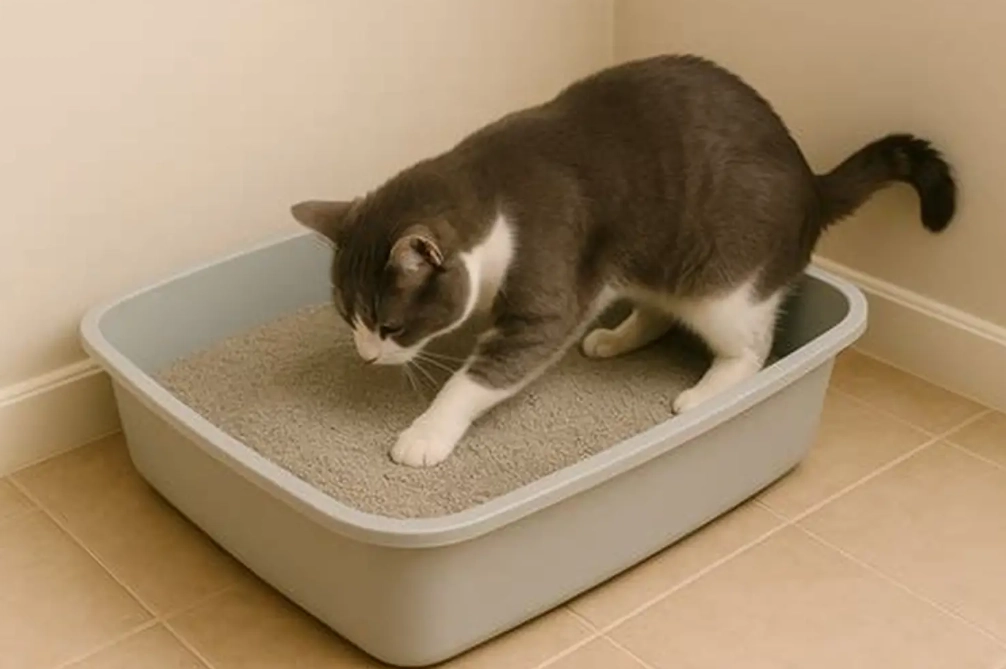
Now’s the time. Use a tiny, low-sided box (a shoebox lid works). Fill it with non-clumping, kitten-safe litter. Clumping litter is dangerous if ingested. After meals, place the kitten gently in the box. Take their paw and make a scratching motion in the litter. They usually catch on fast. If they have an accident, place the stool in the box and put the kitten next to it. Never scold.
Week 7-8: Independence & Vet Prep – Almost Ready
They’re little cats now! Running, pouncing, playing with gusto. They should be fully weaned onto solid kitten food by the end of week 8.
Full Transition to Solid Food
Offer wet kitten food 4 times a day. You can introduce a small amount of high-quality dry kitten kibble soaked in water or formula to soften it. Fresh water should always be available in a shallow, stable bowl. Monitor their stool as the diet changes.
Prepping for the First Vet Visit
Schedule their first veterinary appointment for around 8 weeks. The vet will do a thorough physical exam, check for parasites, and administer the first round of core vaccinations (like FVRCP). This is also the time to discuss deworming, flea prevention (kitten-safe only!), and the spay/neuter timeline (usually 4-6 months).
Weekly Kitten Milestone Cheat Sheet
| Week | Key Milestones | Feeding Schedule | Critical Care Focus |
|---|---|---|---|
| 1-2 | Eyes/ears closed. Crawling only. Sleeps 90%. | Bottle feed KMR every 2-3 hrs, 24/7. | Strict temperature control (85-90°F). Stimulate to eliminate. |
| 3-4 | Eyes open (blue). Ears unfold. Wobbly walking begins. | Bottle feed every 3-4 hrs. Night feeds may stretch. | Begin gentle daily handling for socialization. |
| 5-6 | Baby teeth in. Playful, coordinated. Curiosity peaks. | Introduce slurry 3-4x/day + bottle feeding after. | Start litter training. Begin weaning process. |
| 7-8 | Fully mobile, social, playing hard. Eye color may start changing. | Wean to wet kitten food 4x/day. Fresh water always. | Schedule first vet visit. Prep for vaccinations. |
Your Top Kitten Care Questions Answered
Caring for a kitten week by week is intense but incredibly rewarding. You’re literally building a life. Pay attention to the details—the weight, the temperature, the consistency of their stool. Trust your gut; if something feels off, consult your vet or an experienced fosterer. Resources like the ASPCA's newborn kitten care guide are great backups. Enjoy the chaos. Those middle-of-the-night feedings don’t last forever, and the confident, healthy cat you get at the end is worth every sleepless hour.



Join the Conversation