Let's be honest, cat dental care is a pain. You see the plaque building up, you smell that unmistakable breath, and you know you should be doing something. But between the hissing, the hiding, and the general feline disdain for having their mouths touched, it feels like a losing battle. I've been there. I've bought every "miracle" dental chew and additive on the shelf, with mixed results. This guide isn't about selling you products. It's about cutting through the marketing hype and giving you a clear, actionable plan based on what actually works to keep your cat's teeth healthy and their breath tolerable.
What You'll Learn Inside
- Why Brushing is Still the Gold Standard (And How to Make it Less Terrible)
- The Great Dental Treat Debate: Helpful Snack or Just Expensive Kibble?
- Water & Food Additives: The "Lazy" Solution That Can Actually Work
- Prescription Diets & Dental Gels: When to Consider the Heavy Hitters
- Building Your Cat's Personalized Dental Care Routine
- Your Top Cat Dental Questions, Answered
Why Brushing is Still the Gold Standard (And How to Make it Less Terrible)
Every veterinarian will tell you the same thing: daily brushing is the single most effective thing you can do at home. It's the only method that physically removes plaque before it hardens into tartar. The American Veterinary Dental College is unequivocal about this. I know, I know. Your cat acts like you're trying to murder them with the toothbrush.
The secret isn't forcing it. It's about the long game of desensitization.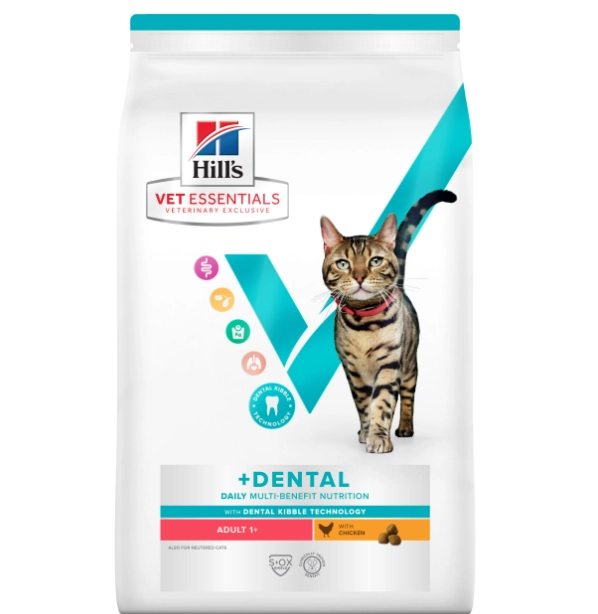
The 4-Week, Low-Stress Introduction Plan
Week 1: Forget the brush. Just get your cat used to you touching their face and lips. Do this during a calm petting session. A quick chin scratch that moves towards the mouth. Pair it with a high-value treat they only get during "mouth time."
Week 2: Introduce the taste. Let them lick a tiny bit of cat-specific enzymatic toothpaste off your finger. Chicken or malt flavor usually wins. Do NOT use human toothpaste—fluoride and xylitol are toxic to cats.
Week 3: Let them chew on the toothbrush. Put some paste on a silicone finger brush or a small, soft-bristled brush and let them investigate it. The goal is positive association.
Week 4: Try one gentle brush stroke on the outside of the big canine teeth. That's it. Celebrate with a treat. Slowly work up to a few more teeth each session.
If you can manage 30 seconds on the outside surfaces every other day, you're a hero. The insides? Don't even worry about them; a cat's tongue does a decent job there.
The Non-Consensus Point: Most guides tell you to brush daily. For many cats, that's a fantasy that leads to owner burnout. Aiming for 3-4 times a week is a realistic, sustainable goal that still provides massive benefits over doing nothing. Consistency over perfection.
The Great Dental Treat Debate: Helpful Snack or Just Expensive Kibble?
The pet store aisle is packed with dental treats promising to clean teeth with every crunch. Do they work? It's complicated.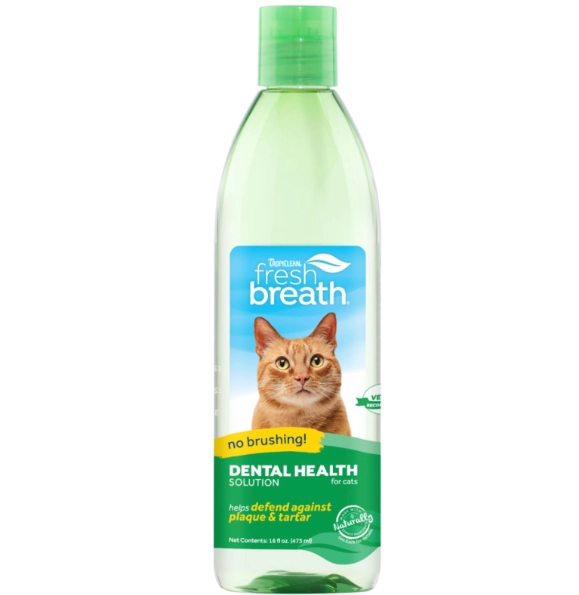
A genuinely effective dental chew has a specific texture and shape designed to force the cat to chew thoroughly, allowing the treat to scrape against the tooth surface. The problem is, many cats are "gulpers" who barely chew. For those cats, the treat is just calories.
Look for treats that carry the Veterinary Oral Health Council (VOHC) seal of acceptance. This means they've undergone controlled trials proving they reduce plaque or tartar. It's not a guarantee for every cat, but it's the best indicator you've got.
| Product Type | How It Claims to Work | Best For Cats Who... | Key Limitation |
|---|---|---|---|
| VOHC-Accepted Dental Chews (e.g., Greenies Dental Treats) | Mechanical abrasion from specific texture; sometimes added enzymes. | Are enthusiastic chewers, not gulpers. Need a tasty reward. | Calorie content. Can contribute to weight gain if not factored into daily food. |
| Rawhide or Chew-Based Sticks | Extended chewing time provides abrasion. | Have a strong chewing instinct. Get bored easily. | Digestibility risks. Some cats get GI upset. Must be supervised. |
| Dental Kibble (Prescription Diet) (e.g., Hill's t/d, Royal Canin Dental) | Larger, fibrous kibble that doesn't shatter; cleans as cat bites through. | Free-feeders or cats on a dry-food-only diet. Older cats with less chewing vigor. | Must be fed as a significant portion of the diet. Not a "treat." Requires vet authorization for prescription versions. |
My take? Dental treats are a good supplement, not a solution. If your cat loves them and chews them properly, they can help. But if you're relying on them alone, you're likely missing a lot of plaque.
Water & Food Additives: The "Lazy" Solution That Can Actually Work
This is the category where I've seen the most skepticism—and the most surprising success. Water additives are liquid solutions you add to your cat's drinking water. They typically contain enzymes (like glucose oxidase, lactoperoxidase) or antimicrobials (like chlorhexidine, zinc gluconate) that help break down plaque biofilm and freshen breath.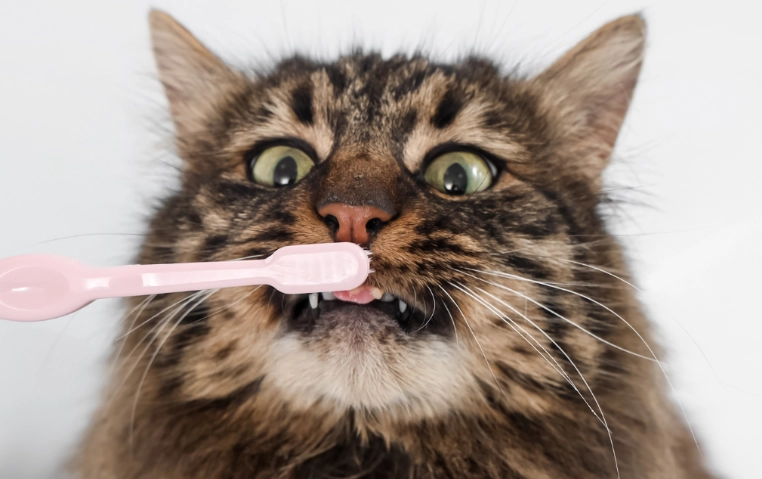
The Big Pro: It's effortless. If your cat drinks normally, it's a zero-stress way to get some active ingredients into their mouth daily.
The Major Con: Some cats are super-tasters. They detect the subtle change in their water and stop drinking entirely, which is dangerous. You must introduce it gradually—a few drops at first—and always provide a separate bowl of plain water.
Food additives are similar powders you sprinkle on wet food. They're often easier for picky cats because the strong food flavor masks them.
Do they replace brushing? No. The additive sloshes around in water or mixes with food; it doesn't provide the mechanical scrubbing action needed to disrupt thick plaque. Think of it as a helpful background player that makes the job of brushing or chewing treats easier by softening the enemy lines.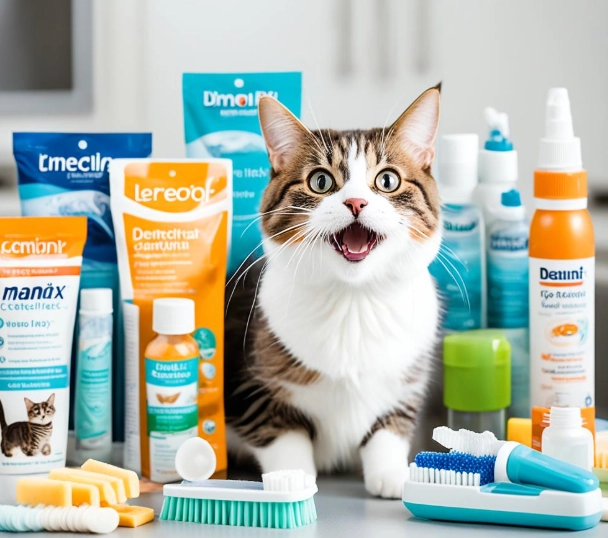
Prescription Diets & Dental Gels: When to Consider the Heavy Hitters
If your cat already has significant tartar buildup or is prone to rapid plaque formation, your vet might recommend stepping up the game.
Prescription Dental Diets (like the ones in the table above) are scientifically formulated. The kibble size, shape, and texture are engineered to provide maximum cleaning effect with a penetrating crunch. They are clinically proven and can be very effective, but they are a complete food, not a treat.
Dental Gels or Sprays are another option. You apply them directly to the teeth and gums, and they work enzymatically without brushing. The reality? You still have to get near your cat's mouth to apply it, so you face many of the same challenges as brushing. However, if your cat tolerates a quick squirt on the cheek better than a brush, it's a valid alternative. Look for VOHC acceptance here too.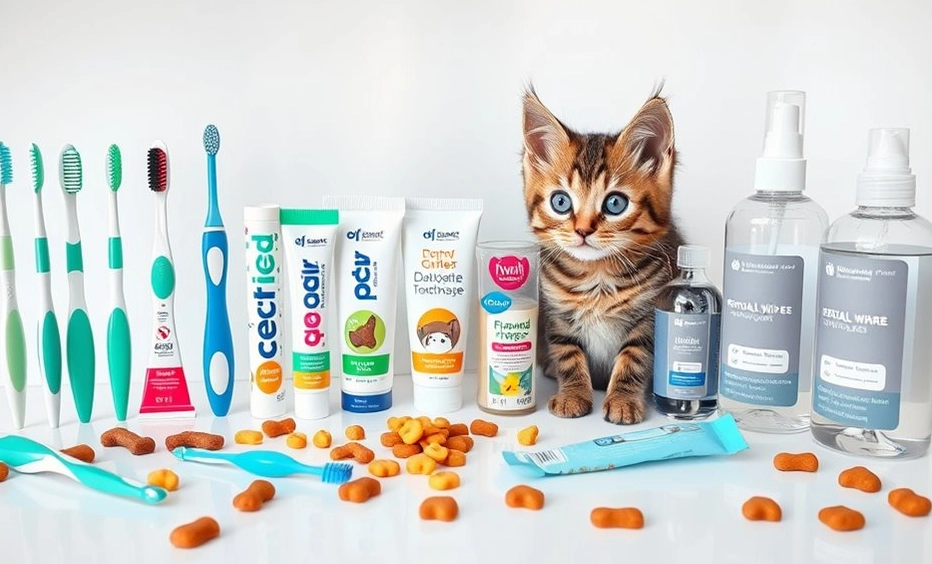
Building Your Cat's Personalized Dental Care Routine
Here's how to think about it, based on your cat's personality:
For the Tolerant Cat: You hit the jackpot. Go for the gold standard: Brushing 3-4x a week with enzymatic toothpaste. Use a VOHC-accepted dental treat as a reward on off days.
For the Skittish but Food-Motivated Cat: Skip the brush battle. Focus on a prescription dental diet (talk to your vet) and add a water or food additive. Offer a dental chew as a daily snack.
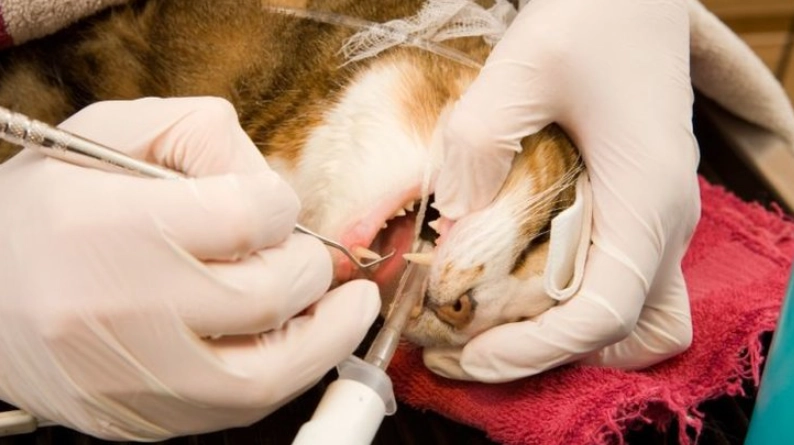
For the "I Will End You" Cat: Your options are limited, and that's okay. Start with a water additive (if they'll drink it). Talk to your vet about a prescription diet. The most important thing for this cat is regular professional cleanings under anesthesia. It's not a home product, but it's the most critical part of their care. Home care is about slowing down the process between vet visits.
No matter the routine, the cornerstone is your annual or bi-annual veterinary exam. Your vet can spot problems you can't see at the back of the mouth.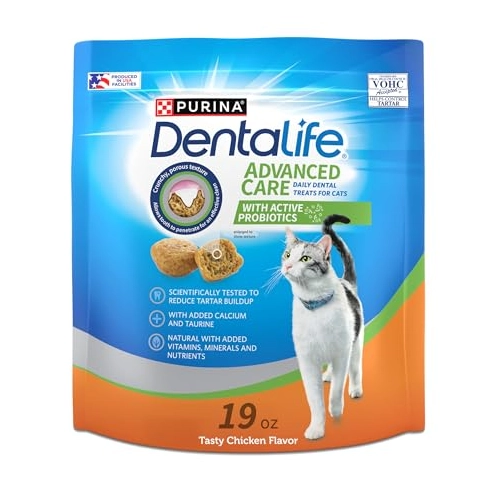
Your Top Cat Dental Questions, Answered
Prioritize a multi-pronged approach. A VOHC-accepted dental diet is likely your most powerful tool. Combine it with a water additive (if accepted) and dental chews. This combination provides mechanical cleaning from the food, chemical action from the additive, and extra abrasion from the chews. It's not as good as brushing, but it's a robust defense.
They are generally safe, but you must account for the calories. A few greenies can be 5-10% of a cat's daily calorie needs. If you give them daily, reduce their regular food portion slightly to prevent weight gain. Obesity causes far more health problems than slightly cleaner teeth. Always check the feeding guide on the package.
Most veterinary dental specialists, including the American Veterinary Dental College, strongly discourage them. Here's why: they only clean the visible crown of the tooth, leaving disease under the gumline unchecked. They require a cat to be forcefully restrained, which is highly stressful and potentially dangerous. They create a false sense of security. A proper cleaning requires anesthesia to allow for probing, X-rays (70% of a tooth is below the gum!), and thorough cleaning all the way under the gums where disease starts.
Sudden, severe bad breath is a red flag, not just a cosmetic issue. It could signal a broken tooth, a deep infection, an oral tumor, or even a sign of systemic disease like kidney problems. Don't just reach for a breath freshener treat. Schedule a vet visit promptly to rule out serious underlying causes.


Join the Conversation