Getting your bearded dragon's diet right is the single most important thing you can do for its health and longevity. I've seen too many dragons suffer from metabolic bone disease, obesity, or organ failure simply because their owners followed outdated or oversimplified advice. It's not just about throwing some lettuce and crickets in a tank. A proper bearded dragon diet is a nuanced, evolving plan that changes with their age and needs. This guide cuts through the noise and gives you the actionable, vet-backed information you need.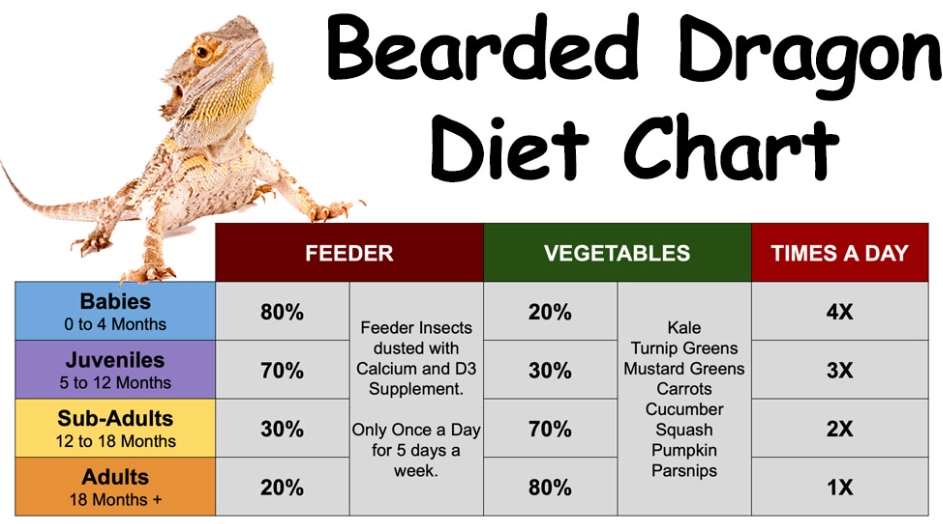
What's Inside This Guide?
What Do Bearded Dragons Eat? The Core Components
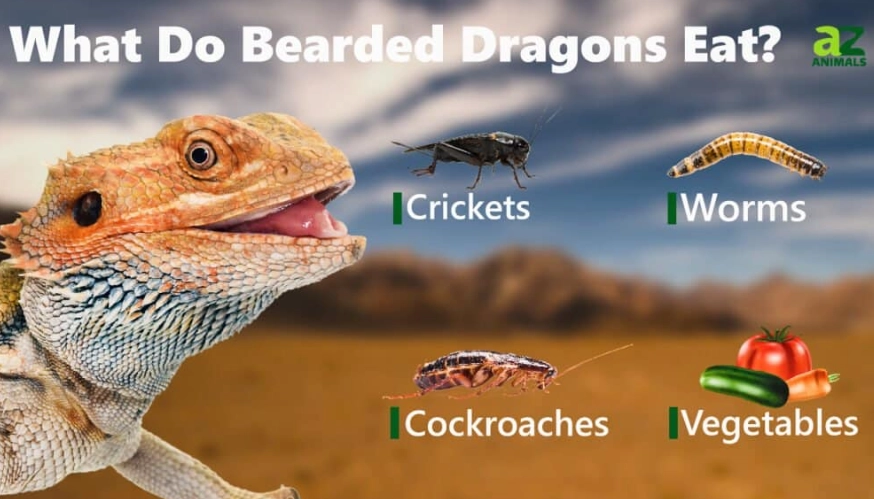
In the wild, bearded dragons are opportunistic omnivores. They'll munch on leaves, flowers, and fruits, but they'll also actively hunt insects, small lizards, and even the occasional rodent pup. Your job is to replicate this balance in captivity. Think of their diet as having three pillars:
Live Insects: The primary protein source. Crickets, dubia roaches, black soldier fly larvae (calciworms), and silkworms are staples. Mealworms and superworms are okay for adults as occasional treats, but they're fatty and have a tough exoskeleton.
Fresh Vegetables & Greens: The daily salad. This should be a mix of leafy greens and other veggies, providing essential vitamins, minerals, and hydration. This is non-negotiable, even for juveniles who seem to ignore it.
Limited Fruits: The occasional dessert. Fruits are high in sugar and water, which can cause diarrhea and weight gain. They should make up no more than 5-10% of the plant matter offered.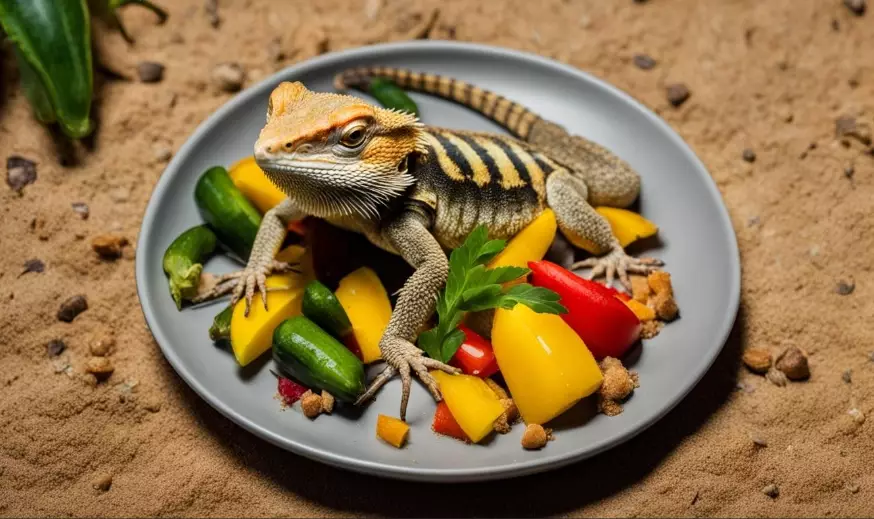
Key Insight: The biggest shift in modern bearded dragon diet thinking is the emphasis on fresh, varied greens from day one. Old guides said babies only need insects. We now know that early exposure to a variety of vegetables sets them up for healthier eating habits as adults and prevents them from becoming stubborn insect-only addicts.
How to Create a Balanced Bearded Dragon Diet
Balance isn't a fixed 50/50 split. It's a sliding scale that dramatically shifts as your dragon grows. A baby is a growing machine and needs loads of protein. An adult's metabolism slows way down, and too much protein leads to fatty liver disease.
The Protein-to-Greens Ratio by Life Stage
| Life Stage | Age | Insects (Protein) | Greens/Veggies | Feeding Frequency (Insects) |
|---|---|---|---|---|
| Hatchling/Baby | 0-4 months | 80% | 20% (offer daily!) | 3-5x per day, as many as they'll eat in 10-15 mins. |
| Juvenile | 4-12 months | 70% | 30% | 2-3x per day. |
| Sub-Adult | 12-18 months | 50% | 50% | 1x per day. |
| Adult | 18+ months | 20-30% | 70-80% | Every other day or 2-3x per week. |
These percentages are by volume, not by weight or calorie. An adult's "30% protein" might be just 10-15 large dubia roaches twice a week, alongside a hefty daily salad.
The Critical Role of Gut-Loading and Supplementation
You are what you eat, and your dragon is what its food eats. Feeding your insects nutrient-packed foods (gut-loading) 24-48 hours before offering them is like vitamin-fortifying their protein. Use commercial gut-load formulas or fresh veggies like sweet potato, carrots, and leafy greens.
Supplementation is non-negotiable in captivity. We use two main powders:
Calcium + D3: Dusted on insects at almost every feeding for juveniles, and 3-4 times a week for adults. D3 helps them absorb the calcium, crucial for preventing Metabolic Bone Disease (MBD). If you use a high-output UVB light (which you should), you can sometimes use a calcium powder without D3.
Multivitamin: A reptile-specific multivitamin dusted on insects once or twice a week. This covers trace vitamins and minerals that might be missing from their greens.
Watch Out: Over-supplementation is a real problem. More is not better. Sticking to the schedule above is safe. Excessive vitamin A or D3 can cause toxicity. If you're gut-loading well and offering a varied salad, your dragon is getting a lot of nutrients already.
Bearded Dragon Feeding Schedule by Age
Let's make this practical. Here’s what a typical week looks like for different ages. Assume fresh water is available daily, and a salad is offered in the morning.
Sample Week for an Adult Bearded Dragon:
- Monday: Morning salad (collard greens, bell pepper, butternut squash). Dusted insects in the afternoon (Calcium day).
- Tuesday: Morning salad only. No insects.
- Wednesday: Morning salad. Dusted insects in the afternoon (Multivitamin day).
- Thursday: Morning salad only. No insects.
- Friday: Morning salad. Dusted insects in the afternoon (Calcium day).
- Saturday: Morning salad. Optional treat like a blueberry or a waxworm.
- Sunday: Morning salad only. No insects.
For a Juvenile (5 months old): Salad every morning. Dusted insects offered 2 times per day (late morning and mid-afternoon), 5-6 days a week. One insect feeding per week includes multivitamin dust; the rest get calcium.
See the difference? The adult has more salad days than insect days. The juvenile is almost the opposite.
The Ultimate Bearded Dragon Food List (Safe & Unsafe)
Not all greens are created equal. Some, like spinach, bind to calcium. Others, like iceberg lettuce, are just crunchy water with zero nutrition. Here’s your shopping list.
Staple Vegetables (Feed Daily/Often)
These are nutrient-dense, low in oxalates (which interfere with calcium), and safe for regular consumption.
- Collard Greens
- Mustard Greens
- Dandelion Greens (the top choice if you can find them)
- Turnip Greens
- Endive / Escarole
- Butternut Squash (shredded)
- Acorn Squash (shredded)
- Bell Peppers (all colors)
- Green Beans
Occasional Vegetables & Fruits (Feed 1-2 Times Per Week)
These are either higher in oxalates, sugar, or should be limited for variety.
- Carrot (shredded)
- Sweet Potato (cooked & mashed)
- Peas
- Zucchini
- Blueberries
- Raspberries
- Mango (tiny pieces)
- Papaya
Foods to Avoid Completely
- Avocado (toxic)
- Rhubarb (toxic)
- Fireflies/Lightning Bugs (deadly toxic – never!)
- Wild-caught Insects (risk of pesticides/parasites)
- Iceberg Lettuce, Celery, Cucumber (very low nutritional value, can cause runny stools)
- Spinach, Beet Greens (high oxalates, bind calcium)
- Citrus Fruits (oranges, lemons, etc.)
For a comprehensive, vet-reviewed list of safe plants, the American Veterinary Medical Association (AVMA) provides resources on exotic pet care, and many university agriculture extensions have guides on safe greens.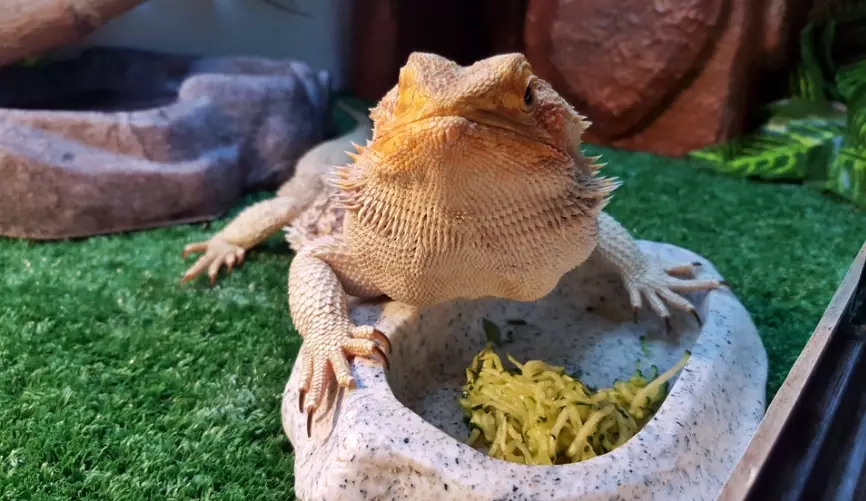
Top 3 Feeding Mistakes You're Probably Making
After years in reptile communities, these are the errors I see constantly.
1. Feeding Too Many Fatty Insects. Mealworms, superworms, and waxworms are like fast food. They're fine as a rare treat, but a steady diet leads to an obese dragon with fatty liver deposits. I once fostered a dragon so fat from superworms it could barely walk. Stick to lean proteins like dubia roaches and crickets as staples.
2. Giving Up on the Salad Too Early. Your baby dragon stares at its collard greens and only attacks the crickets. Don't stop offering the salad! Consistency is key. Try different textures and colors. Shred some squash on top. They need to learn it's food. An adult that never learned to eat greens is a nutritional nightmare.
3. Inconsistent or Incorrect Supplementation. Guessing with the calcium powder. Remembering once a month. Using a cheap supplement from a pet store bubble pack without checking if it has D3. This is the direct path to Metabolic Bone Disease (MBD)—soft, rubbery jaws, crooked limbs, paralysis. Set a phone reminder. Be religious about it.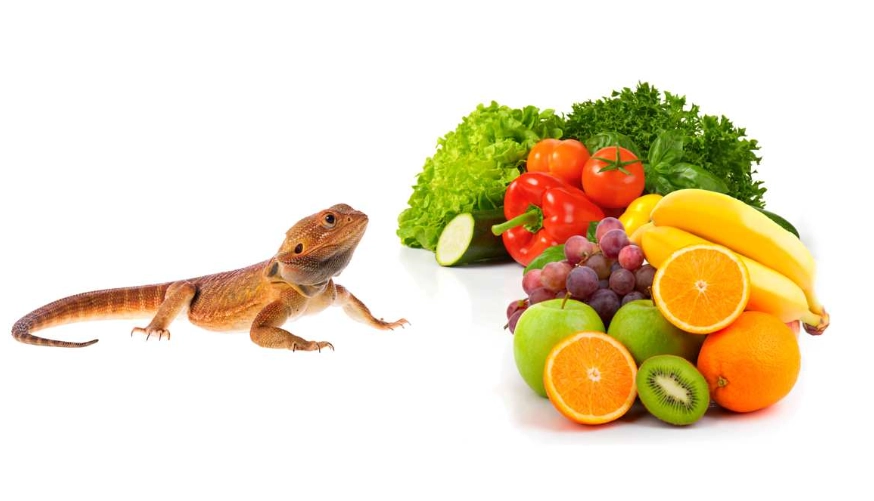
Your Bearded Dragon Diet Questions, Answered
 Can I just use a commercial bearded dragon pellet food?

Join the Conversation