Bringing home a kitten is pure joy, but that first week can also feel overwhelming. I remember my first kitten, Whiskers. I had a cardboard box, some cheap food, and zero clue about litter training. I made every mistake in the book. This guide is the one I wish I had—it cuts through the noise and gives you the clear, actionable steps you need to start right.
Your Quick Kitten Care Roadmap
What to Do Before Your Kitten Arrives
Don't wait until the kitten is in your arms to figure things out. A little prep work creates a calm foundation. Your goal is to create a safe "home base" room—a bathroom or small bedroom works perfectly.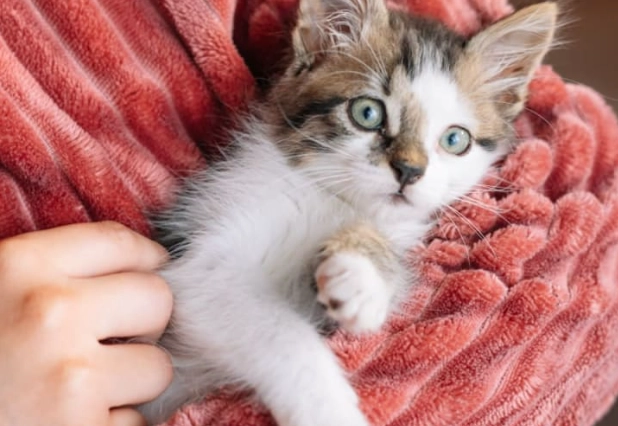
- Food & Water Bowls: Use shallow, ceramic or stainless steel dishes. Plastic can cause cat acne (yes, that's a thing).
- Kitten Food: Get both wet and dry formulas labeled specifically for "kittens" or "growth." Brands like Royal Canin, Hill's Science Diet, or Purina Pro Plan have research behind them. Consult your future vet, but have something ready.
- Litter Box & Litter: One extra-large box is a rookie error. Start with a simple, low-sided box. Use unscented, clumping litter—kittens have sensitive noses.
- Scratching Post: A must, not a maybe. A simple sisal-wrapped post is fine. Place it near their bed.
- Bedding: A soft blanket or small bed in a quiet corner.
- Toys: A few wand toys, small balls, and crinkle toys. Avoid anything with strings or small parts they can swallow.
Also, kitten-proof the room. Get down on your knees and look for dangling cords, small spaces behind furniture, and toxic plants (lilies are deadly). Secure windows. This isn't overkill; kittens are curious climbers.
The First 48 Hours: Settling In Smoothly
The car ride home is the first hurdle. Use a secure carrier, never your arms. Line it with a towel. Keep the car quiet.
When you arrive, take the carrier directly to the prepared safe room. Open the door and let them come out on their own. Don't pull them out. Sit on the floor quietly with some treats. Let them explore the perimeter, sniff the litter box, find the water.
They might hide. They might not eat much. This is normal. The biggest mistake here is overwhelming them with introductions to the whole house or too many people. Give them at least 24-48 hours in this room to build confidence.
I rushed this with Whiskers, and he spent the first three days under my couch, terrified. Go slow.
Feeding Your Kitten: Nutrition Made Simple
Kittens are not small adult cats. They have wildly different nutritional needs for growth. This is where many well-meaning owners slip up.
What to Feed
Prioritize wet food. It's higher in protein and, crucially, water content. Male cats are prone to urinary issues, and a wet-food diet from the start is the best prevention. Use dry kibble as a supplement or for free-feeding between meals.
Look for food that lists a real meat (chicken, turkey, fish) as the first ingredient, not a grain or by-product.
| Kitten Age | Feeding Frequency | Key Focus |
|---|---|---|
| 8-12 weeks | 4 meals per day | Small, frequent wet food meals. Constant access to dry kibble. |
| 3-6 months | 3 meals per day | Continue high-quality wet food. Monitor growth, adjust portions. |
| 6+ months | 2-3 meals per day | Can begin transition to adult food (consult vet). |
How Much to Feed
Forget the "just leave a full bowl out" advice for young kittens. They need structured meals for proper growth tracking. Follow the calorie guidelines on your food's packaging based on your kitten's projected adult weight (ask your vet for an estimate). Overfeeding is a common path to an obese cat.
Kitten Health 101: Vet Visits & Warning Signs
Your first vet appointment is non-negotiable. Schedule it for within the first week. This isn't just for shots; it's a full health audit.
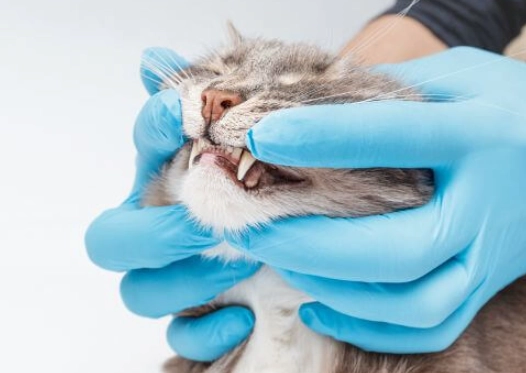
What to expect: The vet will check for fleas, ear mites, and intestinal worms (super common), listen to their heart and lungs, and discuss a vaccination schedule (usually for FVRCP and rabies). They'll also talk about spaying/neutering, typically recommended around 5-6 months of age.
Be ready to ask questions. Bring a fresh stool sample if you can.
Between visits, watch for red flags: lethargy (a sleepy kitten is normal, a listless one is not), not eating or drinking for 24 hours, persistent diarrhea or vomiting, sneezing/runny eyes (could be an upper respiratory infection), or struggling to use the litter box. When in doubt, call the vet.
Litter Training & Socialization (Without the Stress)
Litter Box Success
Most kittens instinctually use a litter box. Your job is to make it easy. After meals and naps, gently place them in the box. If they go, great. If not, try again later. Never punish for accidents. Clean accidents with an enzymatic cleaner to remove the scent.
The one-box-per-cat-plus-one rule starts later. For one kitten, one well-placed, clean box is fine.
Play, Biting, and Scratching
Play is how kittens learn. If they bite your hands or ankles, they think you're a toy. Never use your hands as toys. Always redirect to a stuffed animal or wand toy.
If they bite you, let out a sharp "Ouch!" or "Hey!" and immediately stop playing. Walk away. This mimics how a sibling would react. Consistency teaches them that biting skin ends the fun.
For scratching furniture, make the post more appealing. Sprinkle catnip on it, play with a wand toy near it. When you see them scratch the couch, calmly move them to the post.
3 Beginner Mistakes Almost Everyone Makes
After fostering dozens of kittens, I see these patterns all the time.
1. Free-feeding low-quality dry food only. This sets up a lifetime of begging, weight issues, and potential urinary problems. Meal times are bonding times and allow for portion control.
2. Punishing natural behaviors. Hissing, swatting, spraying water. It doesn't teach the cat what *to* do, it just teaches them to fear you. Positive reinforcement (treats, praise for good behavior) works infinitely better.
3. Skipping the annual vet visit after the first year. "He seems fine" is the famous last thought. Cats are masters at hiding illness. That yearly check-up catches problems like dental disease or kidney changes early, when they're cheaper and easier to treat.
Your Kitten Care Questions Answered
Caring for a kitten is a journey. There will be scratched furniture, mysterious midnight zoomies, and the occasional accident. But with this foundation of essentials—a safe start, proper food, proactive health care, and gentle guidance—you're not just keeping a pet alive. You're building a trusting, lifelong bond with a fascinating little creature. Enjoy every clumsy, purring moment of it.




Join the Conversation