Bringing a pet home isn't just about picking the cutest one. It's a commitment that reshapes your daily life for years. The "best" pet doesn't exist in a vacuum—it's the one that fits seamlessly into your reality. Forget generic lists. Let's match a living being to your specific routines, space, and budget.
Your Quick Navigation
What to Really Think About Before You Get a Pet
I've seen too many pets end up in shelters because of a mismatch that was obvious from day one. The excitement clouds judgment. So, let's get brutally honest about five non-negotiable factors.
Your Daily Grind. Are you out for 10 hours, or working from a quiet home office? A high-energy dog will destroy your couch out of boredom if left alone all day. Conversely, a solitary cat might be perfectly content. It's not just about "having time"—it's about the quality and consistency of that time.
The Square Footage Truth. A Great Dane in a studio apartment is animal cruelty, full stop. But space isn't just floor space. Vertical space matters for cats (think cat trees). Tank or cage footprint matters for fish and small mammals. Can you dedicate a quiet corner permanently?
The Real, Total Cost. The purchase price or adoption fee is the smallest part. Food, litter, bedding, toys—these are monthly. Then come annual vet check-ups, vaccinations. The big one? The emergency fund. A foreign body surgery for a dog can cost $3,000. If that thought makes you sweat, pet insurance or a robust savings plan is not optional.
Your Household's Human (and Non-Human) Members. Young children may not understand how to handle a fragile rabbit or a skittish bird. Allergies are a major deal-breaker; hypoallergenic breeds aren't a 100% guarantee. Do you already have an older, cranky cat? Introducing a playful kitten might cause stress, not joy.
The Long Haul. A hamster lives 2-3 years. A parrot can outlive you. This is a decade-plus commitment for many pets. Where do you see yourself in five years? Moving across the country? Starting a family? Your pet factors into all those plans.
A Realistic Look at Popular Home Pets
Let's move beyond cute photos. Here’s a no-BS comparison of common contenders, based on my experience and data from sources like the American Veterinary Medical Association (AVMA).
| Pet Type | Upfront Cost (Est.) | Monthly Cost (Est.) | Daily Time Needed | Space Needed | Average Lifespan | Best For... |
|---|---|---|---|---|---|---|
| Cat | $50-$300 (adoption/shelter) + supplies ($200) | $40-$80 | 30-60 min (feeding, litter, play) | Moderate; values vertical space | 12-18 years | Busy professionals, apartment dwellers, independent owners |
| Dog | $50-$500+ (varies hugely) + supplies ($300) | $80-$200+ | 2+ hours (walks, feeding, training, play) | Significant; depends on breed/energy | 10-15 years | Active individuals/families, those with yards, people craving companionship |
| Fish (Freshwater, Beginner) | $100-$300 (tank, filter, heater, fish) | $10-$20 | 10 min (feeding); 1 hr/week (maintenance) | Small footprint for tank stand | 3-10 years (species dependent) | Small spaces, visual learners, low-interaction pet owners |
| Hamster/Small Rodent | $100-$150 (cage, wheel, hideouts) | $20-$30 | 20-30 min (feeding, spot cleaning) | Moderate for a properly sized cage | 2-3 years | Older children (8+), night owls (they're nocturnal!), first-time pet owners on a budget |
| Rabbit | $50-$100 (adoption) + x-pen/setup ($200) | $50-$80 | 1+ hour (feeding, cleaning, supervised out-of-pen time) | Large; needs room to hop/run daily | 8-12 years | Patient owners, quiet households, those wanting a social but non-barking pet |
| Budgerigar (Parakeet) | $150-$250 (large cage, toys, bird) | $20-$40 | 30-60 min (social interaction, cage cleaning) | Moderate for a flight-worthy cage | 7-15 years | People wanting vocal/interactive pets, can handle some noise/mess |
The table is a snapshot. Here's the texture behind it.
Take dogs. A friend adopted a Border Collie mix because she was "smart and beautiful." She lived in a condo. The dog's herding instincts, with no outlet, turned into obsessive pacing and barking at shadows. They made it work with a dog walker and daily dog park trips, but it's a second job. The breed's energy, not its IQ, was the critical factor.
With fish, the rookie mistake is the tiny bowl. A Betta needs a minimum 5-gallon heated, filtered tank. That "low maintenance" tag is only true after the initial nitrogen cycle is established—a process that takes weeks and requires testing the water. It's more chemistry set than décor for the first month.
Rabbits are often mis-sold as easy, cage-bound starter pets. They're not. They are intelligent, social, and require significant space to exercise. They can be litter-trained, but they also love to chew baseboards and cords. They need exotic vets (more expensive), and many suffer from loneliness if kept solo. The Humane Society recommends adopting them in pairs.
How to Choose a Pet for an Apartment or Small Home
Living small doesn't mean you can't have a great pet. It means you need to be strategic. Noise, odor, and space efficiency become top priorities.
Cats are the classic for a reason. They use vertical space. A tall cat tree by a window provides entertainment and territory without eating floor space. Keep the litter box impeccably clean to manage odor—this is non-negotiable in close quarters.
Fish and reptiles live in their enclosures. A well-maintained aquarium is a quiet, mesmerizing living art piece. Just ensure the stand can hold the weight (water is heavy: 8.3 lbs/gallon).
Small mammals like rats, gerbils, or guinea pigs can be great, but their cages need to be larger than you think. The ASPCA provides guidelines on cage sizes that are often double what pet stores sell. Place the cage in a low-traffic area to reduce stress.
The big caveat: check your lease. Many have weight limits, breed restrictions, or outright bans on certain animals. "No pets" often means mammals; fish or caged birds might be an unnoticed loophole. Always get written permission.
What About "Hypoallergenic" Pets?
It's a buzzword. Allergies are usually to pet dander (skin flakes) or saliva, not just fur. Hairless cats still produce dander. Some breeds like Poodles or Siberian Cats produce less of the problematic protein (Fel d 1 for cats), but reactions are individual. Spend real time with the breed before committing. For severe allergies, non-mammalian pets (fish, reptiles) are the only sure bet.
Common Mistakes First-Time Pet Owners Make
We've all been there. Here are the pitfalls I see most often, and how to sidestep them.
1. Underestimating the Time Commitment (Post-Puppy/Kitten Phase). The initial novelty wears off after a few months. The daily walks in the rain, the 6 AM weekend feedings, the constant vacuuming of pet hair—this is the real commitment. Ask yourself if you'll still be motivated in six months.
2. Choosing Based on Looks, Not Personality. Every individual animal has a temperament. Within a litter, one puppy might be bold, another shy. When adopting an adult animal, shelter staff can give insights into their true nature. A pet's personality will impact your life more than its coat color.
3. The Impulse "Gift" or "Rescue". Getting a pet for someone else, or picking up a stray on a whim without a plan, rarely ends well. A pet is a responsibility, not a surprise present. The decision must involve the primary caregiver.
My personal rule? Foster first. Many shelters have foster-to-adopt programs. It's a trial run that gives the animal a break from the shelter and you a real taste of pet ownership without the lifelong pledge.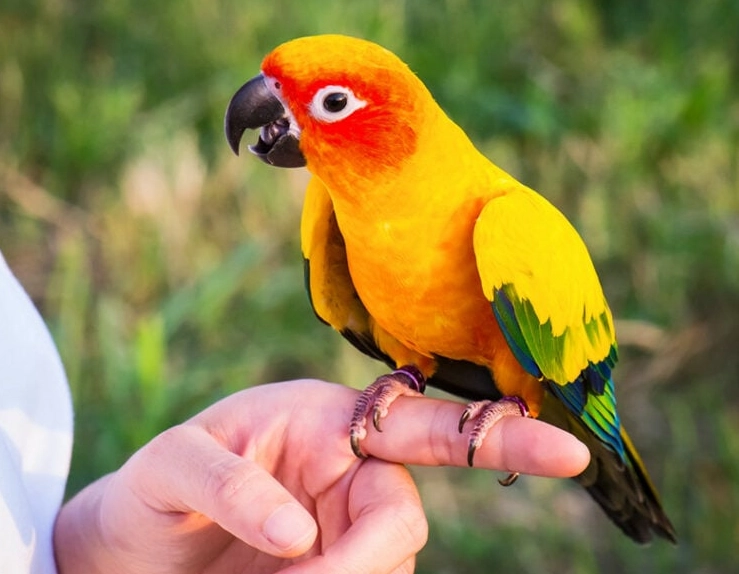





Join the Conversation