So, you're thinking about getting a snake. That's awesome, and honestly, a little nerve-wracking, right? I remember my first time walking into a reptile expo, completely overwhelmed by the variety and the sheer amount of "stuff" everyone said I needed. Heat lamps, thermostats, hides, substrates with names I couldn't pronounce... it was a lot. I made some mistakes along the way (who hasn't?), but that's exactly why I'm writing this. I want your start to be smoother than mine. This guide is the deep dive I wish I had, stripping away the jargon and focusing on what you actually need to know for successful snake care for beginners.
Let's be clear from the start: snakes aren't low-maintenance pets. They're low-interaction pets. The maintenance they do require is specific and non-negotiable. Get the basics wrong, and you'll have a stressed, unhealthy animal. Get them right, and you'll have a fascinating, beautiful pet that can be with you for decades. This isn't about scaring you off—it's about setting you up for success from day one.
Step 1: Picking Your First Snake (This Choice Matters Most)
This is where most beginners, myself included, almost trip up. You see a stunning, iridescent green snake or a massive, powerful constrictor and your heart says "yes." Your brain, and your future self, need to say "wait." The single biggest factor in your success is choosing a species that forgives beginner mistakes. A hardy, predictable, and readily available snake.
What Makes a Snake ‘Beginner-Friendly’?
It boils down to a few key traits. First, a robust appetite. You don't want a picky eater that will stress you out by refusing meals for months. Second, a generally docile temperament. While individual personalities vary, some species are known for being more handleable than others. Third, manageable size. A snake that stays between 3 to 5 feet as an adult is easier to house and handle than one that reaches 8+ feet. Fourth, straightforward environmental needs. Some snakes need precise humidity levels or temperature gradients that are tricky for a novice to maintain.
A common mistake is choosing based solely on looks. The most beautiful snakes are often the most delicate. Save the challenge for your second or third snake, once you've got the fundamentals of caring for a snake as a beginner down pat.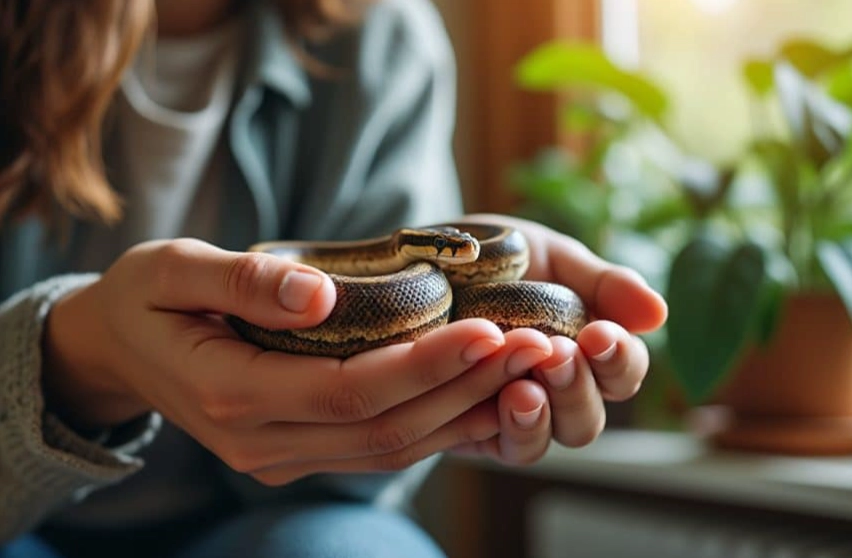
Top 5 Beginner Snakes (My Recommendations)
Based on years of talking to breeders, vets, and fellow hobbyists, here’s my honest list. I’ve ranked them not just on ease, but on the overall package for a first-time owner.
| Snake Species | Adult Size | Temperament | Key Perk | One Drawback |
|---|---|---|---|---|
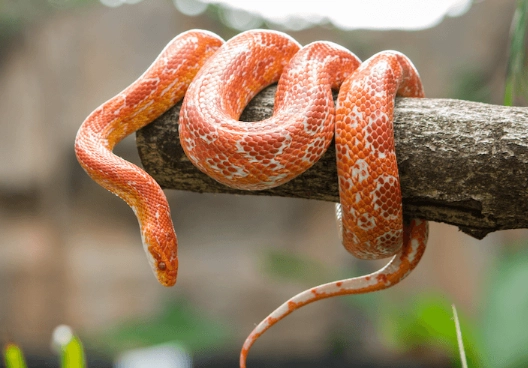
| Corn Snake | 4-5.5 feet | Exceptionally docile, curious | Incredibly hardy & prolific eater. Thousands of color morphs. | Can be escape artists. Secure lids are a must. |
| Ball Python | 3-5 feet | Very gentle, known for "balling" up | Slow-moving, easy to handle. Thick-bodied and satisfying to hold. | Notorious for going on hunger strikes, especially during breeding season. |
| California Kingsnake | 3-4 feet | Active and inquisitive | Voracious appetite, very hardy. Great for watching explore. | Can be food-aggressive (mistaking fingers for food) if feeding cues aren't respected. |
| Rosy Boa | 2-3.5 feet | Placid and slow-moving | Very manageable size, low humidity needs. Long-lived. | Slower metabolism, eats less frequently. Can be less readily available. |
| Gopher Snake | 4-6 feet | Can be defensive as juveniles, often calm with age | Superb eaters, incredibly hardy. Active and interesting to observe. | May hiss and mimic rattlesnakes when young (it's all bluff!). |
My personal first snake was a corn snake, and I’d recommend it to anyone. I never had a single feeding problem, and her calm demeanor made learning to handle less intimidating. That said, I know people who started with ball pythons and loved them, despite the occasional fasting period. It’s about knowing what you’re signing up for.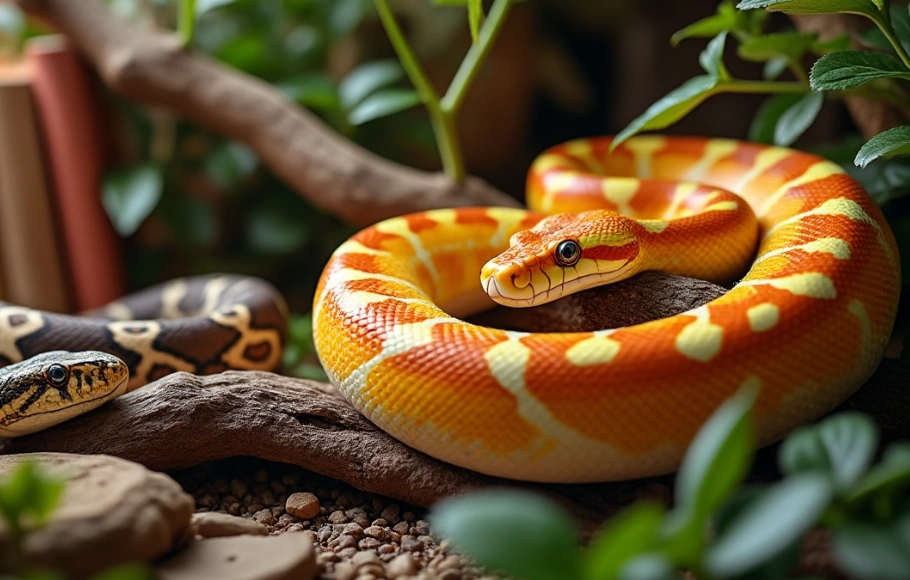
Step 2: The Habitat – Building a Home, Not a Prison
The enclosure is everything. It's your snake's entire world. A common failure point is getting a tank that's too small, right from the start. You think, "Oh, he's tiny now, I'll upgrade later." But later comes fast, and upgrading is an extra expense. Do it right the first time.
For most of the beginner species listed, a 40-gallon breeder tank (36"x18"x16") is a good minimum adult size. For ball pythons and corn snakes, many keepers now recommend 4x2x2 foot enclosures as a better permanent home. Front-opening enclosures (like those from PVC cage manufacturers) are fantastic—they retain heat and humidity better than glass, and you don't have to approach your snake from above (which can feel like a predator).
The Non-Negotiables Inside the Tank
- Heating: Snakes are ectotherms. They can't regulate their own body temperature. You must provide a thermal gradient. One end (the "warm side") needs a heat source, the other end (the "cool side") should be at room temperature. This lets the snake move to thermoregulate. An under-tank heating pad (UTH) controlled by a thermostat is the safest, most reliable method for belly heat, which aids digestion. A thermostat is NOT optional—it prevents burns. Ceramic heat emitters or deep heat projectors are good for ambient air heating. Avoid heat rocks; they are notorious for causing severe burns.
- Hides: You need at least two: one on the warm side, one on the cool side. They should be snug, with just enough room for the snake to coil inside and touch the sides. A hide that's too big offers no security. Simple black plastic boxes with an entrance hole cut out work perfectly.
- Substrate (Bedding): This is the flooring. For beginners, I recommend simple options: aspen shavings (great for burrowing, doesn't hold humidity), coconut husk/chip, or cypress mulch (better for species needing moderate humidity). Avoid cedar and pine shavings—their aromatic oils are toxic to reptiles. Paper towel is a fantastic, sterile option for quarantine periods or if you're troubleshooting health issues.
- Water Bowl: Large enough for the snake to soak its entire body in, heavy enough not to tip over. Change the water daily. This is also a key humidity source.
- Climbing & Enrichment: While not strictly mandatory for terrestrial species, a sturdy branch or fake vine encourages natural movement and exploration. A cluttered cage is a happy cage—it makes the snake feel secure.
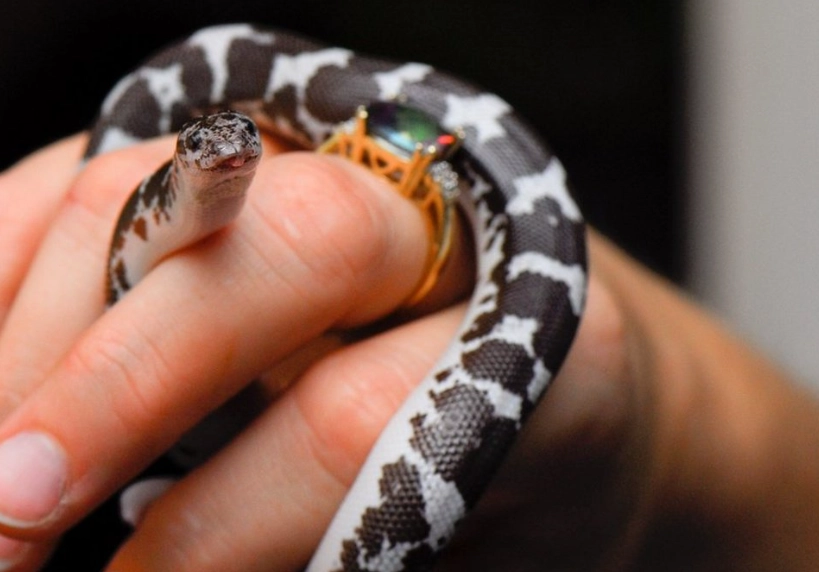
Setting up the enclosure correctly is the most hands-on part of beginner snake care guide fundamentals. Get this right, and you've solved 80% of potential health problems before they start.
Step 3: Feeding Your Snake (It's Not Scary, I Promise)
This is the part that makes some people squeamish, but it's a natural, vital process. All recommended beginner snakes eat pre-killed frozen/thawed (F/T) rodents. This is safer for the snake (no risk of injury from live prey) and more humane for the rodent.
The routine is simple: purchase frozen mice or rats of appropriate size (the prey item should be no wider than the snake's body at its widest point), thaw it completely in warm water (never a microwave), dry it off, and offer it with long feeding tongs.
Frequency varies by age and species:
- Hatchlings/Juveniles: Every 5-7 days.
- Sub-adults: Every 7-10 days.
- Adults: Every 10-14 days (some, like adult male ball pythons or rosy boas, may eat every 2-3 weeks).
What if your snake refuses to eat? Don't panic immediately. First, double-check your husbandry: are temperatures correct? Is the snake stressed (not enough hides, too much traffic)? For ball pythons, a refusal is almost a rite of passage, especially in winter. As long as the snake isn't losing significant weight, stay calm, keep offering on schedule, and avoid excessive handling.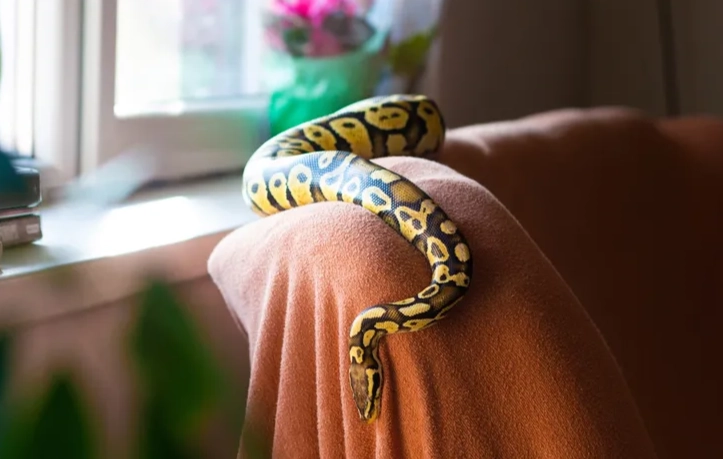
Step 4: Health, Handling, and Daily Life
Okay, the tank is set, the snake is eating. Now what does day-to-day snake care for beginners look like?
Spotting a Healthy Snake (and Red Flags)
A healthy snake is alert, has clear eyes (except when in "blue" before a shed), a clean vent, no retained skin from previous sheds, and a well-rounded body (not triangular or showing spine). It should move smoothly without wheezing or clicking sounds.
Watch out for these:
- Mites: Tiny black or red dots moving on the snake or in the water bowl. A serious pest.
- Respiratory Infection (RI): Bubbly saliva, mucus in mouth, wheezing, open-mouth breathing. Often caused by incorrect temperature or humidity.
- Stuck Shed: Patches of old skin not coming off. Usually a humidity issue.
- Regurgitation: Different from poop; it's a partially digested rodent. A major sign of stress, illness, or temperatures too low for digestion. If this happens, skip the next feeding and consult a vet.
Find a reptile-experienced veterinarian before you have an emergency. The Association of Reptilian and Amphibian Veterinarians (ARAV) has a find-a-vet tool. Book a check-up for your new pet soon after you get it.
Handling Your Snake with Confidence
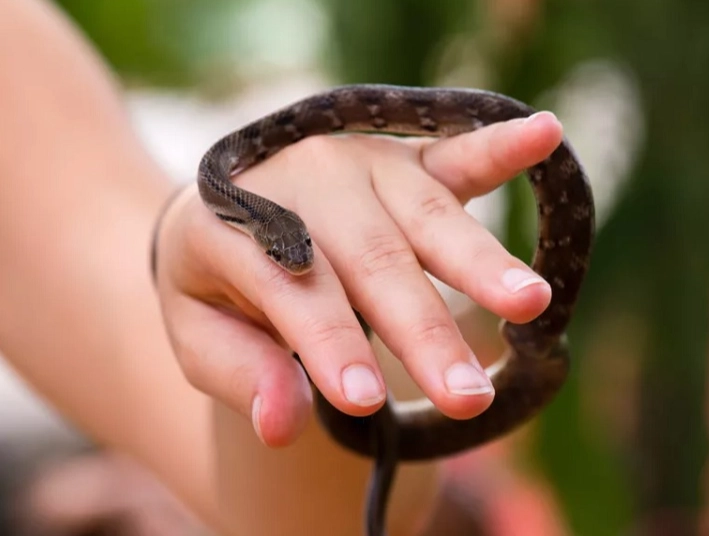
Wait at least a week after bringing your snake home, and until it has eaten at least one meal for you, before attempting to handle. Be calm and deliberate. Support its body fully—don't let it dangle. Start with short, 5-10 minute sessions a few times a week. Always wash your hands before and after. Never handle for 48 hours after feeding, during a shed cycle (when its eyes look milky blue), or if it's acting unusually defensive.
The goal is not to "tame" but to habituate. With consistent, gentle handling, most beginner species learn you are not a threat. Some days they'll be curious and active, other days they'll just want to be left alone. Respect that.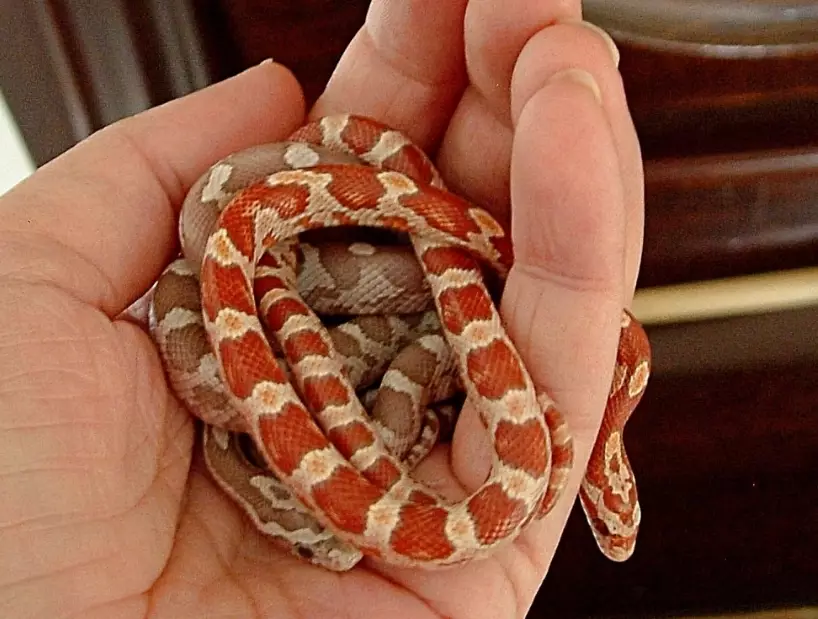
Common Beginner Snake Care Questions Answered
Bringing It All Together: Your First Week Checklist
- Before Purchase: Enclosure fully set up, heated, and stabilized for at least 48 hours. All equipment (thermostat, thermometer/hygrometer, tongs) ready. Vet located.
- Day 1: Bring snake home in a secure deli cup or bag. Gently place it into the prepared enclosure. Do NOT handle. Leave it completely alone. No feeding, no staring, just let it settle.
- Days 2-7: Observe from a distance. Ensure temperatures/humidity are stable. Offer water.
- Day 7 or 8: Attempt first feeding using pre-scented (thawed) prey via tongs. If refused, remove prey after a few hours and try again in 5-7 days.
- After 2 Successful Meals: You may begin brief, gentle handling sessions.
Sticking to a plan like this reduces stress for you and the snake dramatically. The journey of snake care for beginners is one of patience and observation. You learn to read the subtle signs: the flick of a tongue, a particular resting spot, the change in behavior before a shed.
It’s a unique and rewarding hobby. There will be frustrating moments—a refused meal, an escape scare (check those lid clips!), a mysteriously low humidity reading. But there’s nothing quite like the trust of a creature that operates on such a fundamentally different wavelength, or the satisfaction of seeing it thrive in a home you built. Start with the right snake, build the right home, and pay attention. You’ve got this.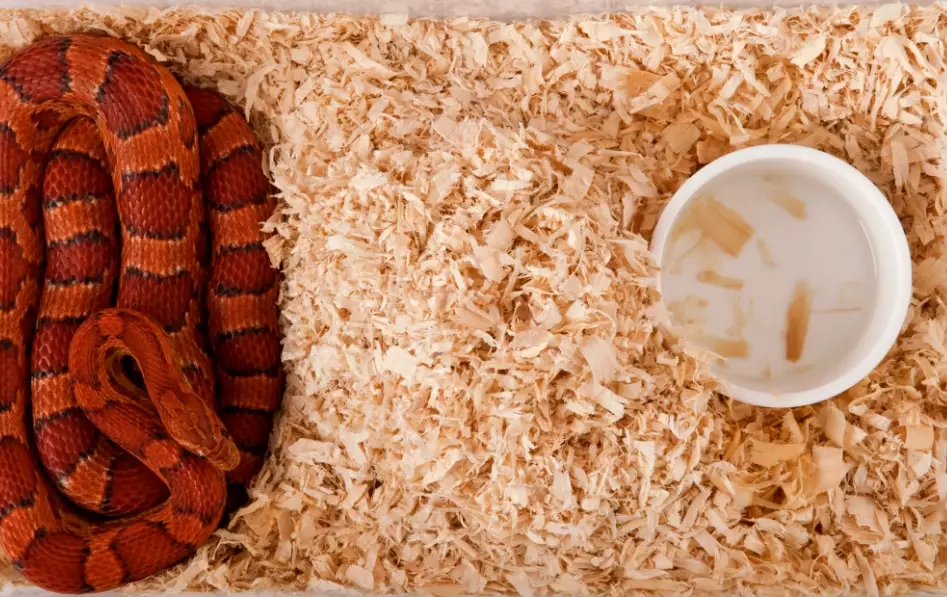
Feel free to dive deeper into care sheets for your specific species on reputable sites like Reptiles Magazine or the forums at Reptile Rapture, but remember, this guide has given you the solid, no-fluff foundation. Everything else is refinement. Welcome to the world of snake keeping.



Join the Conversation