Quick Navigation
- Why Even Bother? The Real Reasons Behind Ditching Litter
- The Foundation: What Can You Use Instead of Litter?
- How to Make a Litter Box Without Litter: Two Practical DIY Plans
- Maintenance: The Non-Negotiable Routine
- The Good, The Bad, and The Smelly: A Realistic Look
- Will Your Cat Actually Use This Thing?
- Common Questions (The Stuff You're Really Wondering)
- Final Thoughts: Is It Worth The Effort?
I get it. The idea of a litter box without litter sounds almost too good to be true. No more dusty clouds when you pour it, less tracking across your floors (hopefully), and maybe even a smaller environmental footprint. But is it actually practical, or just a Pinterest daydream? As someone who's tried more than a few cat care hacks over the years, some brilliant and some... well, let's just say the cleanup was memorable, I've learned that the devil is in the details.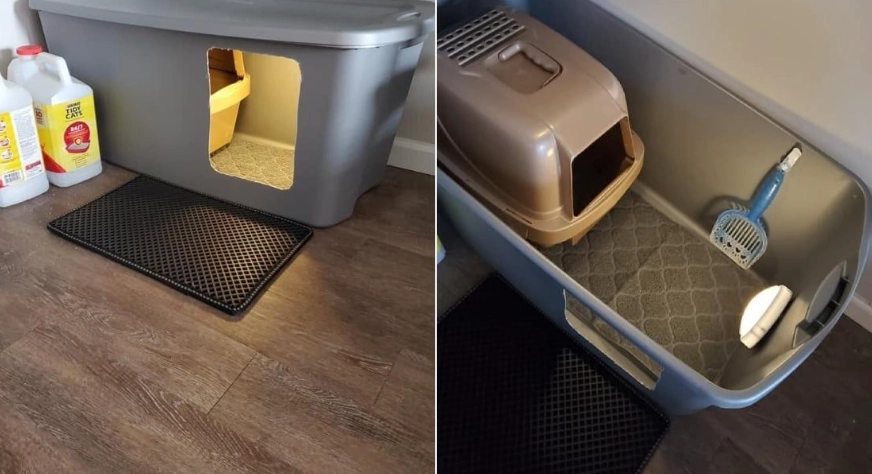
The core concept of how to make a litter box without litter isn't about magic. It's about rethinking the entire setup. Instead of using an absorbent, clumping material to capture waste, you're creating a system where the waste is either contained on a different surface, manually removed immediately, or processed in a way that doesn't require traditional litter. It's a shift in mindset from absorption to management.
Why Even Bother? The Real Reasons Behind Ditching Litter
Before we dive into the nuts and bolts of construction, let's talk about the "why." People don't just wake up and decide to figure out how to make a litter box without litter for no reason. There are some pretty strong motivators.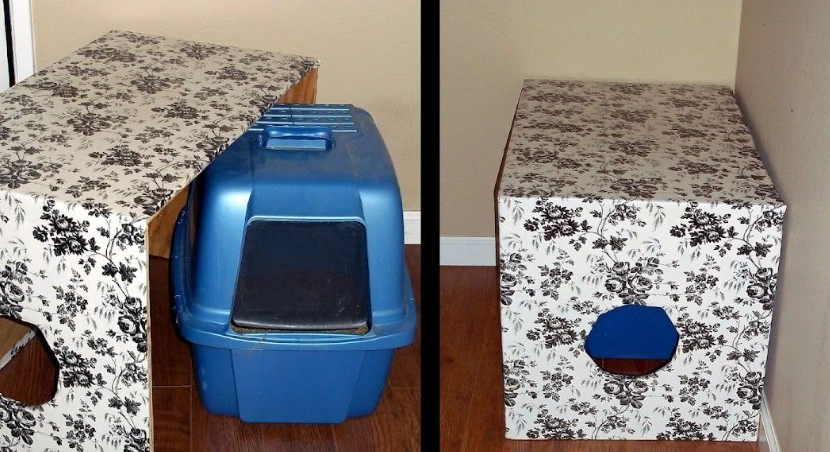
First up, allergies. Clay dust is a notorious irritant, for both humans and cats. Silica dust isn't much better. If someone in your household is sneezing or your cat seems to have respiratory issues after using the box, a litter-free solution becomes a health consideration, not just a convenience.
Then there's the tracking. Oh, the tracking. Those little granules seem to have a mind of their own, finding their way onto your bed, your kitchen counters, everywhere. A system without small, granular litter inherently reduces this problem, though it might introduce new ones (like wet paw prints).
Environmental and cost concerns are huge too. Manufacturing and transporting clay litter has a significant carbon footprint. Biodegradable litters are better but can be pricey. The appeal of a reusable or compostable base material is strong for the eco-conscious pet owner.
And sometimes, it's about the cat. Some cats develop bizarre aversions to certain litter textures or scents. If you've tried every litter on the shelf and your cat is still protesting, a fundamentally different setup might be the answer.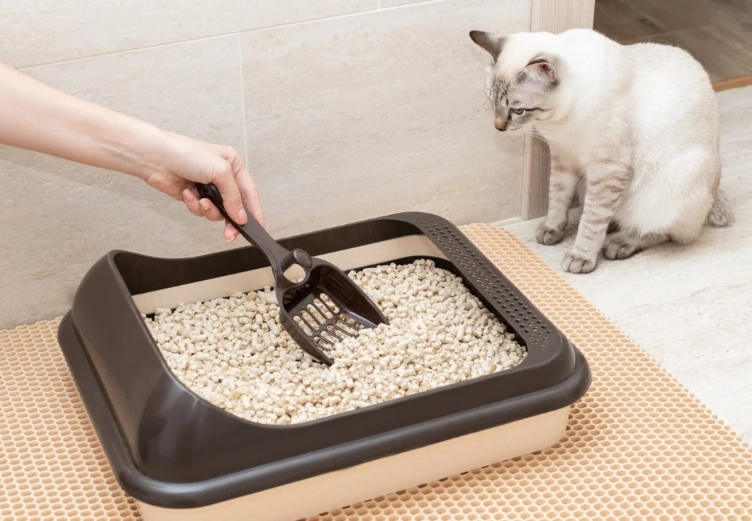
The Foundation: What Can You Use Instead of Litter?
This is the heart of the matter. You're removing the primary absorbent layer, so what takes its place? The materials fall into a few broad categories, each with its own pros and cons. You're not just learning how to make a litter box without litter; you're learning about alternative substrates.
Washable, Reusable Surfaces
Think mats, trays, or pads. The idea is that the cat goes on the surface, you pick up the solid waste, and then you wash the surface. It's a direct, no-frills approach.
- Pros: Zero ongoing cost for absorbent material, very eco-friendly, no dust or tracking.
- Cons: Requires immediate cleanup, can be smelly if urine pools, may need a liner or slight texture.
Natural & Compostable Materials
These are loose materials, but they're not traditional "litter." They're often repurposed from other uses.
- Examples: Shredded newspaper, pelletized paper (like Yesterday's News), pine pellets, sand (though it tracks terribly).
- Note: Some folks argue this is still "litter." For our purposes, we're defining "litter" as the commercial clay/silica/clumping products. These natural materials are the alternative path.
The "Filter" or Separation Systems
This is where DIY gets clever. Systems that use a grate, mesh, or slanted tray to separate solid waste and liquid waste immediately. Solids are scooped, liquids are directed to an absorbent pad or reservoir below.
It's a more complex build but mimics the function of some high-end commercial boxes.
Your choice here dictates everything else about your DIY project. A washable mat system is simple to build but demanding to maintain. A separation system is complex to build but can be more forgiving day-to-day.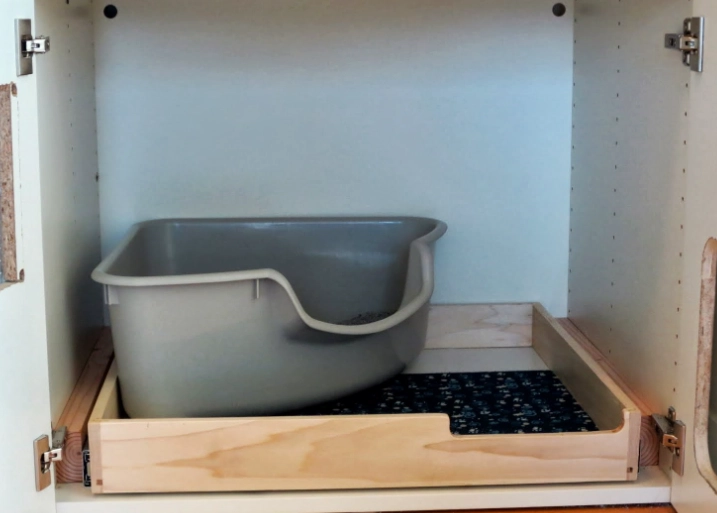
How to Make a Litter Box Without Litter: Two Practical DIY Plans
Alright, let's get our hands dirty (figuratively, of course). Here are two concrete approaches. The first is dead simple. The second requires a bit more elbow grease.
The Basic Washable Mat Box (The "Minimalist" Approach)
This is for the person who wants to test the waters with minimal investment. You're essentially creating a designated bathroom spot that's easy to clean.
What You'll Need:
- A large, shallow storage tub (low-sided for easy entry).
- Two or three reusable pee pads or a piece of indoor-outdoor carpet.
- Scissors (if trimming is needed).
- A litter scoop (for solids).
- Enzyme cleaner (non-negotiable for odor).
Assembly & Use: It's almost embarrassingly simple. Place one or two pads or the carpet piece flat on the bottom of the tub. That's it. Your box is ready.
When your cat uses it, you'll need to scoop solids immediately. For urine, the pad will absorb it. You'll need to change the pad daily, or even more frequently for a single cat. Wash the pads in hot water with a scent-free detergent and bleach or vinegar. The tub itself should be wiped down with an enzyme cleaner weekly. The key to making this work is consistency. Let it go for a day and the smell will convince you this was a terrible idea.
The Advanced Separation System Box (The "Engineer" Approach)
This project aims to solve the immediate-cleanup problem of the mat system. It's a more involved build, but the result is a box where waste is mechanically separated, making daily upkeep quicker.
The core idea: a perforated top layer lets liquid waste drip through into an absorbent layer below, while solid waste remains on top for easy scooping. This is the most functional answer to how to make a litter box without litter that truly minimizes daily mess.
Materials List:
- Two identical, large plastic storage bins (clear ones are helpful).
- A plastic grid or egg crate light diffuser panel (found at hardware stores).
- Utility knife or strong scissors.
- Measuring tape.
- Zip ties or strong adhesive.
- Reusable puppy pee pads or a layer of old towels.
- A small bag of large, smooth pebbles or river rocks (optional, for texture).
Step-by-Step Build:
First, take one bin (Bin A). This will be the base. Using your utility knife, cut a large entrance hole in one of the long sides. Make it low enough for your cat to step in comfortably. Sand down any sharp edges thoroughly—this is crucial for safety.
Now for the separator. Measure the interior dimensions of Bin A. Cut your plastic grid panel to sit about 2-3 inches above the bottom of the bin. You may need to create legs for it by cutting smaller pieces of the grid and attaching them to the corners with zip ties. The goal is a stable, elevated platform.
Place this grid platform inside Bin A. It should sit securely. Underneath it, in the bottom of Bin A, place a folded pee pad or a layer of towels. This will catch and hold the liquid.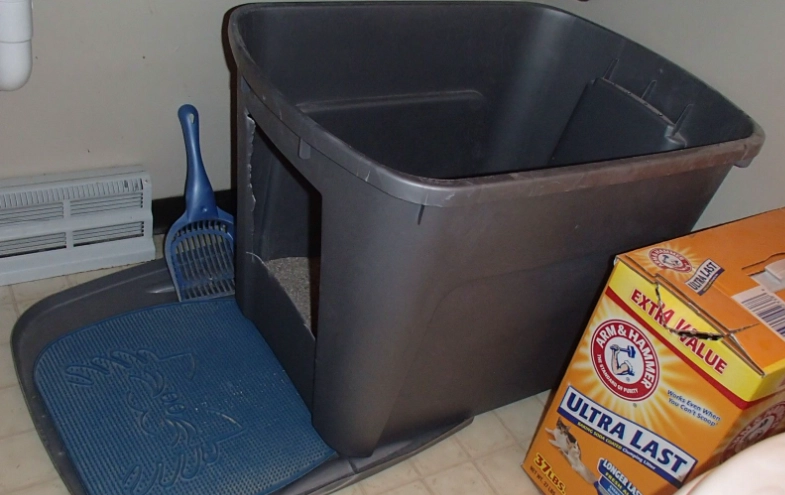
Here's a trick I learned: some cats dislike the feel of the hard grid on their paws. Take your second bin (Bin B) and, using the same method, cut out a piece of plastic from its flat bottom that is slightly smaller than your grid. This piece will be your "false floor." Place it directly on top of the grid. Now you have a solid, slightly textured plastic floor with hundreds of small holes for drainage. You can even superglue a few of those smooth pebbles to this false floor to give a more natural, diggable texture.
Your two-layer system is complete. Solids stay on the top false floor for scooping. Liquids drain through to the absorbent pad below. Change the bottom pad every 2-3 days for a single cat, and wipe the top plastic floor with enzyme cleaner as needed. This system dramatically reduces odor from urine because it's separated and contained below.
Maintenance: The Non-Negotiable Routine
This is where many DIY projects fail. The maintenance for a no-litter box is different, and if you don't plan for it, you'll have a smelly disaster on your hands.
For the Washable Mat System:
- Daily: Scoop solids immediately. Change the soiled mat. Rinse the mat in the sink if it's wet.
- Every 2-3 Days: Wash all mats in a hot cycle.
- Weekly: Scrub the entire tub with an enzyme cleaner.
For the Separation System:
- Daily: Scoop solids from the top tray.
- Every 2-3 Days: Check and replace the absorbent pad in the bottom reservoir.
- Weekly: Remove the top tray/false floor and wash both the tray and the base bin with enzyme cleaner.
The common thread? Enzyme cleaner. You can't skip it. It's the only thing that breaks down the uric acid crystals that cause persistent cat urine odor. A vinegar-water solution helps with general cleaning but won't tackle the core smell. The CDC provides guidelines on cleaning and disinfecting with bleach, which is effective for general sanitation, but always rinse thoroughly and never mix cleaners.
Be honest with yourself. Is this a routine you can stick to?
The Good, The Bad, and The Smelly: A Realistic Look
Let's be brutally honest about what you're signing up for. Here’s a quick comparison to help you decide.
| Aspect | Traditional Litter Box | DIY No-Litter Box (Separation System) |
|---|---|---|
| Upfront Cost | Low (box + litter) | Moderate (bins, grid, tools) |
| Ongoing Cost | Consistently high (litter) | Very low (pee pads, cleaning supplies) |
| Daily Maintenance | Scooping 1-2x daily | Scooping solids, checking pad |
| Tracking & Dust | High (dust and granules) | Very Low (maybe wet paws) |
| Odor Control (if maintained) | Good with clumping litter | Can be excellent (waste separated) |
| Odor Control (if neglected) | Bad | Catastrophic |
| Cat Appeal | High (familiar digging) | Variable (requires acclimation) |
| Eco-Friendliness | Low (clay mining, landfill) | High (reusable, less waste) |
The biggest advantage? For multi-cat households on a budget, the long-term savings on litter can be substantial. The biggest disadvantage? If your routine slips, the consequences are immediate and pungent. There's no absorbent litter bed to buy you a few hours.
Will Your Cat Actually Use This Thing?
This is the million-dollar question. You can master how to make a litter box without litter, but if your cat turns up its nose, the project is a failure. Cats are creatures of habit and texture preference.
The Transition is Everything. Do NOT just remove the old box and plop down your new DIY creation. That's a recipe for protest peeing on your couch.
- Stage 1: Place the new DIY box right next to the old, familiar box. Leave the old box completely as-is. Let your cat investigate the new object on its own terms.
- Stage 2: After a few days, put a very thin layer of their old litter on the surface of the new box (on the mat or false floor). This connects the new location/box with the bathroom behavior.
- Stage 3: Over the next week, gradually reduce the amount of old litter in the new box while also reducing the amount in the old box. You're slowly transferring the association.
- Stage 4: Once the new box is being used reliably with just a sprinkle of old litter, you can remove the old box entirely.
Patience is key. This can take two weeks or more. For more on cat behavior during changes, the FDA has resources on helping pets adjust to new situations, and the principles of patience and positive association apply here too.
Common Questions (The Stuff You're Really Wondering)
Let's tackle some of the specific worries that pop up when you're considering this path.
Final Thoughts: Is It Worth The Effort?
Learning how to make a litter box without litter isn't for everyone. It's a project for the hands-on, routine-oriented pet owner who is motivated by allergies, environmental concerns, or long-term cost savings. It's not a magic bullet for laziness—if anything, it demands more discipline.
The DIY separation system I described is, in my opinion, the most viable long-term solution for most people. It automates the worst part (liquid waste management) and turns daily care into a quick solid scooping job. But even that requires a commitment to weekly deep cleaning.
Start simple. Try the basic washable mat in a spare tub for a week with your old box still available. See how you handle the cleanup. See if your cat shows any interest. It's a low-risk experiment that will tell you if the more complex build is worth your time.
At the end of the day, the "best" litter box solution is the one that gets used consistently by your cat and maintained consistently by you. Whether that involves clay, pine pellets, or a homemade plastic grid system is just detail. The goal is a happy cat and a home that doesn't smell like a rest stop. If a no-litter DIY box gets you there, then every minute of the build was worth it.
Just maybe keep the old litter box in the garage for a few more weeks. Just in case.



Join the Conversation