In This Guide
- Why Persian Cats Are... Particular About Their Toilet
- The Golden Rule: It's All About the Setup
- The Step-by-Step Guide: How to Train a Persian Cat to Use the Litter Box
- When It's Not Just Training: Medical and Behavioral Red Flags
- Your Persian Cat Litter Box Troubleshooting Checklist
- The Long-Hair Factor: Extra Grooming for Hygiene
- Common Questions (The Stuff You're Actually Searching For)
- Final Thoughts: It's a Partnership
Let's be real for a second. You brought home this gorgeous, fluffy ball of perfection—your Persian cat. The eyes, the fur, the regal attitude. It's all dreamy until you find a little "present" behind the couch or on your favorite rug. Suddenly, the dream has a bit of a smell to it.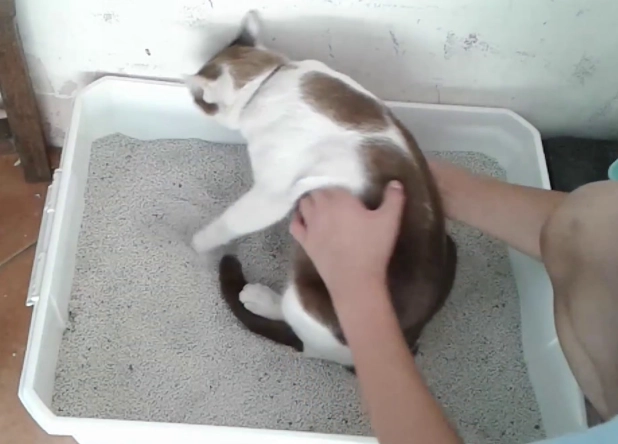
I've been there. My first Persian, Mochi, decided the laundry basket was a far superior toilet to the expensive litter box I bought. It was frustrating, confusing, and honestly, a bit disheartening. I thought I'd done everything wrong.
But here's the good news: most litter box issues with Persian cats are solvable. They're not being spiteful. They're communicating. The trick is learning their unique language and setting up an environment that works for their specific needs. This isn't just about forcing a behavior; it's about creating a system your cat willingly and consistently chooses.
So, if you're wondering how to train a Persian cat to use the litter box reliably, you're in the right place. We're going to move past the basic advice and dig into the *why* behind the problems, because fixing the cause is always better than just reacting to the mess.
Why Persian Cats Are... Particular About Their Toilet
You can't solve a problem you don't understand. Persian cats aren't your average alley cat. Centuries of selective breeding for that flat, sweet face (brachycephaly) and luxurious long coat have given them some unique quirks that directly impact bathroom habits.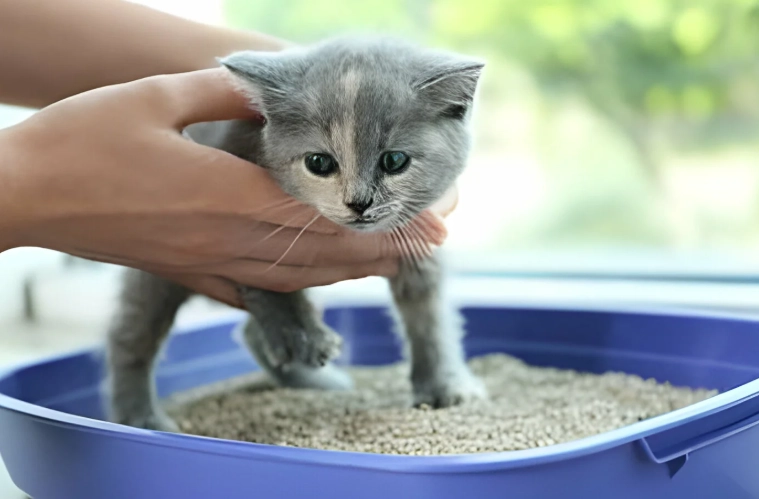
Their long fur can trap litter, causing discomfort and tracking. Their short nasal passages can make strong dust or perfumes in litter genuinely unpleasant or hard to breathe. They tend to be more sedate and less "wild" than other breeds, which can mean they're more sensitive to stress and changes in their environment. A noisy washing machine near the box, a new pet in the house, or even just moving the box two feet can be enough to trigger a boycott.
I learned this the hard way with Mochi. A "better" perfumed litter I thought smelled lovely? He hated it. Absolute refusal. Switched back to the unscented, dust-free kind, and we were back in business.
The Golden Rule: It's All About the Setup
Before you even think about active training, you need to get the fundamentals right. This is 80% of the battle. A well-set-up litter box is a invitation your cat can't refuse. A poorly set-up one is an obstacle course they'll avoid.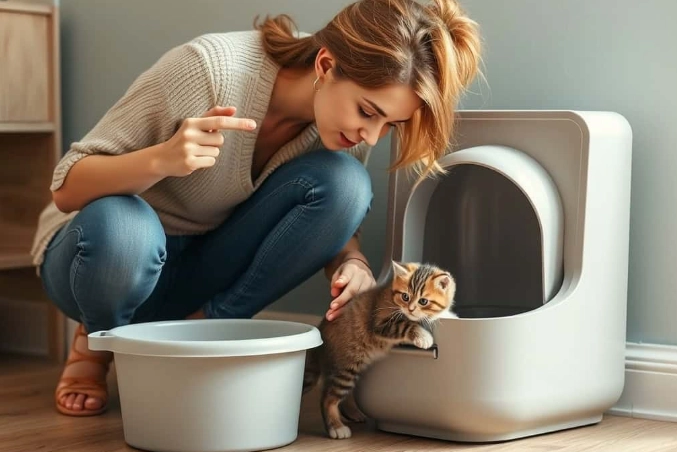
Picking the Perfect Litter Box
Forget the cute, enclosed igloos for a moment. For a Persian, space and easy access are king. You need a box that accommodates their size and allows them to turn around comfortably without their fur brushing against dirty walls.
My top recommendation? A large, high-sided, open-top box. The high sides contain litter kicked out by digging (and trust me, some Persians dig like they're searching for gold), while the open top prevents their fur from getting caught on a lid and gives them a clear escape route—no feeling trapped.
If you must use a covered box for odor control, ensure it's the largest size possible and remove the door flap. That flap is a major deterrent for many cats.
The Great Litter Debate: What to Put Inside
This is non-negotiable. The wrong litter is the number one reason for litter box avoidance. Persian cats are famously fastidious; they have high standards for their bathroom substrate.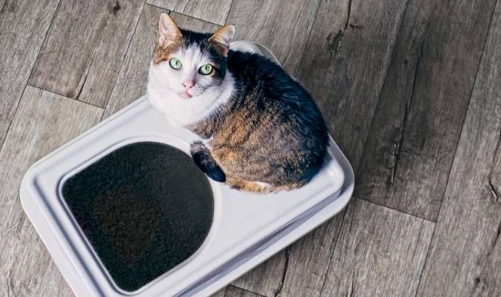
| Litter Type | Pros for Persians | Cons for Persians | Verdict |
|---|---|---|---|
| Clumping, Low-Dust Clay | Excellent odor control, easy to scoop. Familiar to most cats. | Dust can irritate sensitive noses and lungs. Can stick to long fur on paws and hindquarters. | Good, but choose a premium, dust-free formula. Scoop twice daily. |
| Silica Gel Crystals | Superb odor control, very low tracking, virtually dust-free. | Some cats dislike the texture or sound. Can be expensive. | Excellent option if your cat accepts it. Great for reducing litter caught in fur. |
| Natural/Plant-Based (Pine, Wheat, Corn) | Often low-dust, biodegradable, softer on paws. | Odor control can vary. Some have natural scents (pine) that cats may love or hate. | Worth a try. Start with a small bag to test acceptance. |
| Recycled Paper Pellets | Completely dust-free, highly absorbent, doesn't stick to fur. | Poor odor control, doesn't clump, needs frequent full changes. | Best for cats with respiratory issues, but requires diligent maintenance. |
The best advice? Offer a choice. Set up two identical boxes side-by-side with two different litters for a week. See which one your cat uses consistently. It's the ultimate customer feedback.
Location, Location, Location
Quiet, accessible, and safe. Not next to the rattling furnace or the barking dog's crate. Not in a dark, scary basement corner. Think about a low-traffic bathroom spare room, or a quiet corner of the living room. If you have multiple floors, you need at least one box per floor. The general rule is one box per cat, plus one extra. So for one Persian, aim for two boxes in different locations.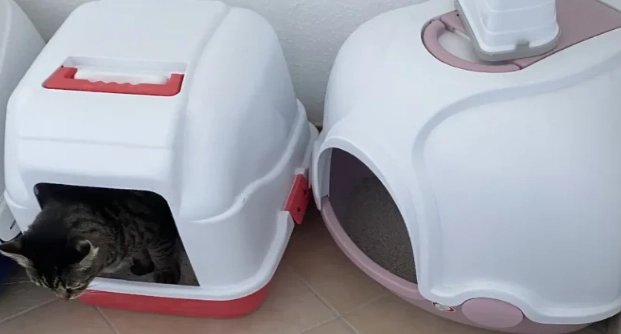
This was a game-changer for me. Adding a second box in a completely different, quieter part of the house gave Mochi options. He started favoring one for #1 and the other for #2, which is actually pretty common cat behavior.
The Step-by-Step Guide: How to Train a Persian Cat to Use the Litter Box
Okay, your box is perfect, the litter is chosen, the place is peaceful. Now for the actual training. With a kitten or a new adult cat, this process is straightforward. With an older cat who has developed bad habits, it requires more patience but follows the same principles.
For Kittens and New Cats: The Foundation
This is often surprisingly easy if you start right.
First, confinement is your friend. When you first bring your cat home, keep them in a small, comfortable room (like a bathroom or spare bedroom) with their litter box, food, water, and bed. The box should be as far from food and water as possible in that space. This small area helps them find the box easily and establishes it as their bathroom.
Post-meal and post-nap trips. Cats often need to go after eating or waking up. Gently place your kitten in the box at these times. Don't force them or hold them there. Just let them sniff and explore. If they jump out, that's okay. The goal is positive association.
Praise, don't punish. When you see them use the box correctly, offer quiet, gentle praise and a tiny treat. Never, ever scold or rub their nose in an accident. That only creates fear and anxiety around you and the box.
Clean accidents thoroughly. Use an enzymatic cleaner designed for pet urine (like Nature's Miracle or Rocco & Roxie). Regular household cleaners leave behind a scent that smells like "bathroom here" to a cat's superior nose.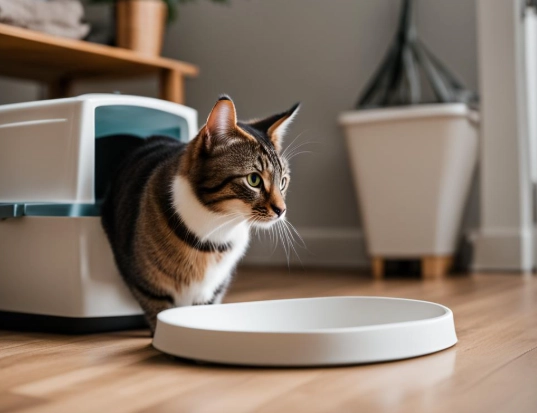
For the "Set-in-Their-Ways" Cat: Retraining
This is where you need the patience of a saint. If your adult Persian has decided the rug is better, you need to break that habit and rebuild the litter box one.
Go back to basics. Seriously, treat them like a new kitten. Confine them to a single room with a pristine litter box setup for a few days to re-establish the habit. It feels like a step back, but it resets their GPS.
Make the accident spots unattractive. After cleaning the spot with an enzymatic cleaner, make the area unappealing. Place a double-sided tape sheet, aluminum foil, or a plastic carpet runner (nubby side up) over the area. Cats hate the texture on their paws. You can also place a food bowl or a favorite bed there—cats won't soil where they eat or sleep.
Make the litter box irresistible. Keep it impeccably clean. Scoop at least once, ideally twice, a day. Do a full litter change and box wash with mild soap weekly. Consider placing the box directly over the favorite accident spot (after cleaning it). Once they're using it reliably there, you can move it inch by inch, over several days, to a more desirable location.
When figuring out how to train a Persian cat to use the litter box after accidents, consistency is everything. Every single accident must be cleaned perfectly, and every correct use should be met with quiet positivity.
When It's Not Just Training: Medical and Behavioral Red Flags
Sometimes, it's not about the training at all. A sudden change in litter box habits is one of the first and most important signs of a medical problem.
Resources like the Cornell Feline Health Center provide excellent, vet-reviewed information on these common feline health issues. Always rule out medical causes first with a vet visit. It's not an overreaction; it's responsible ownership.
If the vet gives a clean bill of health, the issue is likely behavioral or environmental. Stress is a huge factor. New family members, construction noise, conflict with another pet, even a change in your work schedule can trigger avoidance. This is where products like Feliway diffusers (synthetic calming pheromones) can be helpful in creating a more relaxed atmosphere.
Your Persian Cat Litter Box Troubleshooting Checklist
If you're still having issues, run down this list. One of these is usually the culprit.
- Is the box clean enough? Would you use a filthy public toilet? Scoop more.
- Is the litter type wrong? Try a different one. Go unscented, dust-free first.
- Is the box too small or enclosed? Get a bigger, open one.
- Is the location too loud or busy? Move it to a quieter spot.
- Is there another pet blocking access or ambushing them? Provide more boxes in separate areas.
- Is the box too hard to get into? For seniors, try a low-entry box or make a ramp.
- Have you cleaned accidents with an enzymatic cleaner? Regular cleaners won't cut it.
- Have you been to the vet recently? Rule out UTIs, crystals, arthritis, etc.
Figuring out how to train a Persian cat to use the litter box is often just detective work. Eliminate the negatives, amplify the positives.
The Long-Hair Factor: Extra Grooming for Hygiene
This is a Persian-specific pro-tip. Their beautiful fur around the hindquarters—the "britches"—can get soiled with litter or even fecal matter. This is uncomfortable for them and can make them associate the litter box with a messy, unpleasant experience.
Regular sanitary trims are a must. Ask your groomer or vet to show you how to safely trim the fur around their back end to keep it short and clean. You can also use pet-safe wipes to gently clean them if they get a little messy. Keeping this area tidy removes a major physical deterrent to using the box.
Also, check their paws. Long fur between the toes can trap litter pellets, making walking uncomfortable. A little trim between the toe beans can help.
Common Questions (The Stuff You're Actually Searching For)
Final Thoughts: It's a Partnership
Learning how to train a Persian cat to use the litter box isn't about issuing commands. It's about thoughtful observation and creating a partnership. You provide the clean, comfortable, and safe facilities. They provide the instinct to use them.
It requires patience, especially with adults set in their ways. You might need to try a few litters or box styles. You will definitely need to clean more than you think is necessary. But when you see your fluffy companion trotting confidently to their box and using it without a second thought, it's worth every bit of effort. It means they feel safe, secure, and healthy in their home—with you.
Don't get discouraged by setbacks. Just go back to your checklist. And remember, a clean box and a healthy cat are the ultimate goals. Everything else is just figuring out the details of your unique cat's preferences. You've got this.



Join the Conversation