Your dog can't tell you where it hurts. That's the hardest part of being a pet owner. You see them scratching, limping, or turning away from their food bowl, and the worry sets in immediately. Is it serious? Can I handle this at home? How much is this vet visit going to cost? This guide cuts through the anxiety and gives you a clear, actionable map of the most common dog health problems. We'll cover what you're likely to see, exactly what you can do about it, and when you absolutely need to pick up the phone and call your veterinarian. I've been through this countless times with my own dogs over the years, and I've learned that a little knowledge can save you a lot of stress and money.
Your Quick Guide to Dog Health
What Are the Most Common Dog Illnesses?
Let's get straight to the point. Based on data from veterinary associations like the American Veterinary Medical Association (AVMA), these five issues account for a huge percentage of non-routine vet visits. Knowing them is half the battle.
1. Ear Infections (Otitis Externa)
If your dog is shaking its head like it just heard a shocking secret or scratching its ear raw, think ear infection. Floppy-eared breeds (Cocker Spaniels, Basset Hounds) are prime targets, but any dog can get one. The mistake I see? Owners often think it's just dirty ears. It's usually an overgrowth of yeast or bacteria in a warm, moist environment.
Key Symptoms: Head shaking, pawing at the ear, redness inside the ear canal, a foul smell (often yeasty or pungent), brown or yellow discharge, and pain when you touch the base of the ear.
Home Care Note: Never use cotton swabs deep in the ear canal. You can gently clean the outer, visible part of the ear with a vet-approved cleaner on a cotton ball. If the canal looks red or swollen, stop cleaning and call the vet. Pushing debris deeper is a real risk.
2. Skin Allergies and Hot Spots
Itchy skin drives dogs (and their owners) crazy. The three main culprits are fleas, environmental allergens (pollen, dust mites), and food. A "hot spot" is a painful, wet, red lesion that seems to appear out of nowhere, often from the dog obsessively licking or chewing one spot.
Key Symptoms: Constant scratching, licking (especially paws or belly), red skin, hair loss, recurring ear infections, and those ugly, oozing hot spots.
3. Vomiting and Diarrhea (Gastrointestinal Upset)
Every dog owner has cleaned up some version of this. It's so common we almost shrug it off. But here's the subtle error: assuming a single episode means you should immediately switch to a bland diet. Sometimes, for a simple stomach bug, a 12-24 hour fast (with access to water) is what the gut needs to reset. Forcing food too soon can make it worse. Of course, this doesn't apply to puppies, small breeds, or dogs showing other signs of illness.
When to Worry: Blood in vomit or stool, multiple episodes in an hour, lethargy, distended abdomen, or if your dog tries to vomit but nothing comes up (a potential sign of bloat, which is an emergency).
4. Arthritis (Degenerative Joint Disease)
This isn't just an "old dog" problem. I've seen early signs in large breed dogs as young as five or six. People miss it because the signs are subtle. It's not always a pronounced limp. It's the dog that hesitates before jumping into the car, takes longer to get up after a nap, or seems "stiff" for the first few minutes of a walk.
5. Dental Disease (Periodontal Disease)
By age three, most dogs have some form of dental disease. Bad breath isn't just stinky—it's a sign of bacterial infection. That infection doesn't stay in the mouth. It travels through the bloodstream and can damage the heart, liver, and kidneys. A dental cleaning under anesthesia isn't a cosmetic luxury; it's a major health intervention.
| Illness | Classic Symptoms | Immediate Action |
|---|---|---|
| Ear Infection | Head shaking, ear odor, redness | Inspect gently, clean outer ear only. Vet if pain/discharge present. |
| Skin Allergy/Hot Spot | Itching, licking, red moist sores | Stop the licking (cone!), keep area clean/dry. Vet for diagnosis & meds. |
| Vomiting/Diarrhea | Upset stomach, lethargy | Withhold food 12-24 hrs, offer water. Vet if blood, lethargy, or persists >24h. |
| Arthritis | Stiffness, reluctance to jump/run | Provide soft bedding, ramps. Vet for pain management plan. |
| Dental Disease | Bad breath, yellow/brown teeth, gum redness | Start tooth brushing, offer dental chews. Vet for assessment & possible cleaning. |
Home Care vs. Veterinary Treatment: Making the Call
Knowing when to DIY and when to call the pros is the ultimate owner skill. It saves money and prevents minor issues from becoming major ones.
What You Can Often Manage at Home
For mild, uncomplicated cases, you have some tools.
For GI Upset: The classic "bland diet" works because it's easy to digest. After a short fast, offer boiled white meat chicken (no skin, no bones) and plain white rice in a 1:2 ratio. Feed small amounts multiple times a day for 2-3 days, then gradually mix back in their regular food. Pumpkin puree (plain, not pie filling) can help firm up stools due to its fiber.
For Minor Itching/Skin Irritation: An oatmeal bath can soothe itchy skin. Make sure your flea prevention is current—it's the first thing any vet will ask. Wipe your dog's paws and belly after walks during high pollen seasons to remove allergens.
Critical Warning: Never give your dog human over-the-counter medications without explicit veterinary instruction. Ibuprofen, acetaminophen, and many cold medicines are highly toxic to dogs. Even something seemingly benign like Pepto-Bismol can be dangerous in the wrong dose or for certain conditions.
When You Absolutely Need the Vet
Vets don't just guess. They use diagnostics to target treatment, which is more effective and often cheaper in the long run than throwing random remedies at a problem.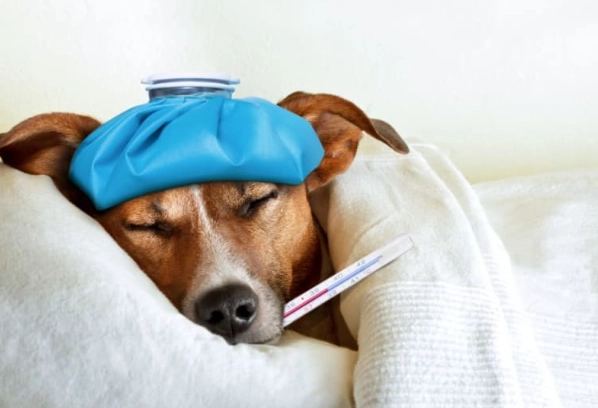
The Diagnostic Process: For a chronic ear infection, they'll look at a swab under a microscope to see if it's yeast, bacteria, or mites. For allergies, they might suggest a food elimination trial or recommend allergy testing. For vomiting, an X-ray can rule out a foreign object blockage. This targeted approach is worth the cost of the office visit.
Common Treatments & Costs: Let's talk money, because it matters. An ear infection treatment might cost $150-$250 for the visit, cytology, and medication. A dental cleaning under anesthesia can range from $500 to $1,200+ depending on extractions needed. Managing arthritis with a monthly injection like Librela and joint supplements might run $80-$150 per month. These are ballpark figures; costs vary wildly by location. This is where pet insurance or a dedicated savings account becomes a financial lifesaver.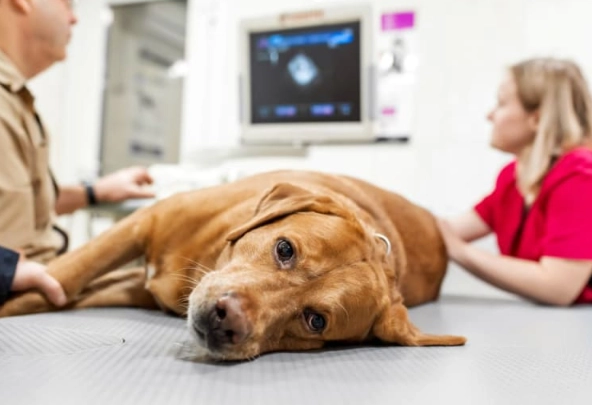
How Can I Prevent My Dog From Getting Sick?
Prevention is always cheaper and less stressful than treatment. A proactive plan builds a resilient dog.
Core Vaccines and Parasite Control: This is non-negotiable. Follow your vet's schedule for rabies, distemper, parvovirus, etc. Monthly heartworm prevention (it's a pill or a topical) also controls intestinal parasites. Year-round flea and tick prevention stops not only itching but also disease transmission.
Nutrition as Foundation: You are what you eat, and so is your dog. A high-quality diet appropriate for your dog's age and size supports immune function, skin health, and energy. I'm skeptical of extreme fads. A diet meeting AAFCO standards from a reputable company is a safer bet than a trendy grain-free diet linked to heart disease (DCM). Talk to your vet.
Dental Hygiene: Brushing teeth is the gold standard. If that's a battle, use veterinary dental chews (look for the VOHC seal) or water additives. It makes a huge difference.
Weight Management and Exercise: An overweight dog is at higher risk for arthritis, diabetes, and heart disease. Keep them lean. Regular, appropriate exercise keeps joints mobile and minds engaged.
The Annual Wellness Exam: This is your most powerful tool. It's not just for shots. It's when your vet feels for lumps, listens to the heart, checks teeth, and catches problems like early kidney disease or a heart murmur before your dog shows symptoms. Think of it as cheap insurance.
Your Top Dog Health Questions Answered






Join the Conversation