Let's cut to the chase. Your hamster's bedding isn't just the stuff at the bottom of the cage. It's their landscape, their bathroom, their climate control, and their primary source of mental stimulation. Get it wrong, and you're looking at a stressed, bored, or even sick pet. Get it right, and you unlock their natural behaviors in the most satisfying way.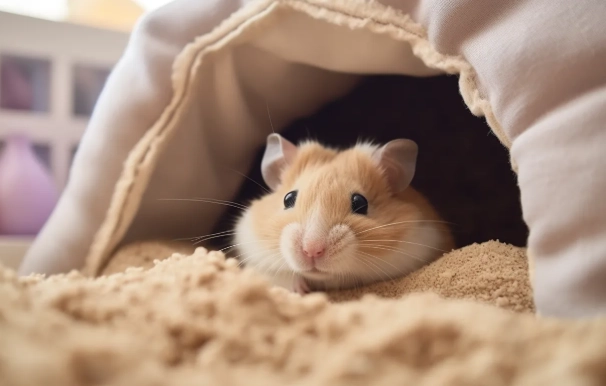
I've seen too many hamsters living on a sad, thin layer of questionable wood shavings. It breaks my heart because the fix is so simple, yet the information out there is often conflicting or superficial.
Your Quick Bedding Breakdown
Why Bedding Matters More Than You Think
Think about a wild hamster. They spend most of their life underground in elaborate burrow systems. This isn't just for sleeping; it's for food storage, raising young, and avoiding predators. The substrate is everything.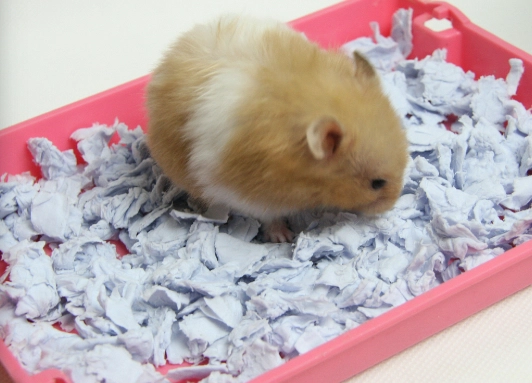
In captivity, bedding has to fulfill four critical roles:
- Burrowing & Enrichment: This is non-negotiable. Digging and tunneling is a hardwired instinct. Without enough depth and the right texture, hamsters get frustrated.
- Absorption & Odor Control: Hamsters have a surprisingly high output for their size. Good bedding locks away moisture and ammonia, keeping the air fresh for longer.
- Comfort & Insulation: It provides a soft, temperature-regulated floor. They nest in it, sleep in it, and use it to hide.
- Safety: It must be non-toxic, low-dust, and free from sharp pieces or chemicals that can cause respiratory issues or injuries.
Skimping on bedding is like putting you in a bare, concrete room with just a cot. Functional? Barely. A good life? Not even close.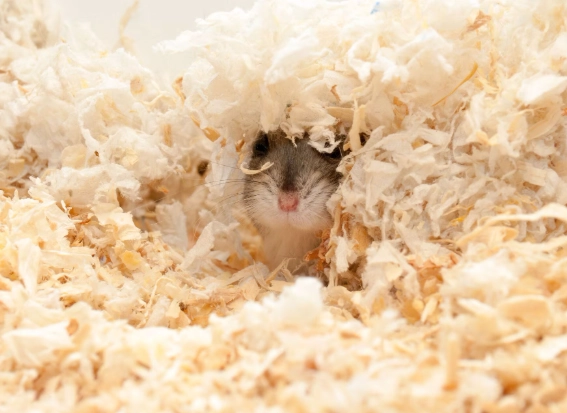
How to Choose the Right Hamster Bedding
Forget the flashy packaging. You need to evaluate bedding like a pro, looking at a few key factors.
Absorbency is king. How quickly does it pull moisture away from the surface? Paper and hemp are superstars here. Some wood shavings, not so much.
Odor Control is what keeps you (and your hamster) happy. It's linked to absorbency but also to how the material neutralizes ammonia. I've found hemp and certain paper beddings with baking soda outperform plain aspen shavings.
Dust Level is a silent health hazard. Always opt for brands labeled "low-dust" or "99% dust-free." Shake a handful over a dark surface at the pet store if you can. You'll be shocked at the difference between brands.
Burrow-ability. Does it hold a tunnel? Aspen shavings can be okay, but paper bedding often collapses. A mix can create perfect structure.
Safety is the baseline. Never, ever use cedar or pine shavings. The aromatic phenols in these softwoods are toxic to small mammals' livers and respiratory systems, a fact backed by veterinary research like that cited by the Humane Society. Kiln-drying reduces but doesn't eliminate all risks, so I just avoid them entirely.
The Material Showdown: A Detailed Comparison
Here’s the real-world breakdown of the most common options. This isn't just theory; it's from years of trial, error, and observation.
| Material | Best For | Key Advantages | Potential Drawbacks |
|---|---|---|---|
| Aspen Wood Shavings | General use, burrow structure, cost-effectiveness. | Good structure for tunnels, widely available, naturally odor-resistant. A safe hardwood option. | Can be dusty (varies by brand), less absorbent than paper/hemp, may need changing more frequently in wet spots. |
| Paper-Based Bedding (e.g., Carefresh, shredded paper pulp) | Superior absorption, odor control, softness, and dust-sensitive hamsters. | Excellent absorbency, great odor control, very low dust, soft on feet. Available in colors (stick to unbleached/white). | Can be expensive, may not hold burrows as well (can collapse), some brands can be too fluffy and static-y. |
| Hemp Bedding | Top-tier odor and moisture control, eco-conscious owners. | Unbeatable absorbency (holds 3x its weight), fantastic natural odor neutralization, low dust, sustainable. | Often the most expensive option, texture can be a bit coarse for some, less common in stores. |
| Corn Cob Bedding | I generally don't recommend it. | Very absorbent, natural. | Prone to molding, can be a dust magnet, hard and uncomfortable for burrowing, risk of impaction if ingested. |
| Mixed Substrate Approach | The ultimate setup for enrichment and function. | Combines strengths: e.g., aspen base for structure, paper/hemp in nesting area for softness/absorbency. | Slightly more complex setup, higher initial cost. |
My personal go-to for years has been a mixed substrate. I use a deep base layer of aspen shavings for affordable bulk and burrow stability, then top a corner with a hefty pile of soft paper bedding. That's where they almost always choose to make their nest. It's like giving them a digging field and a premium mattress.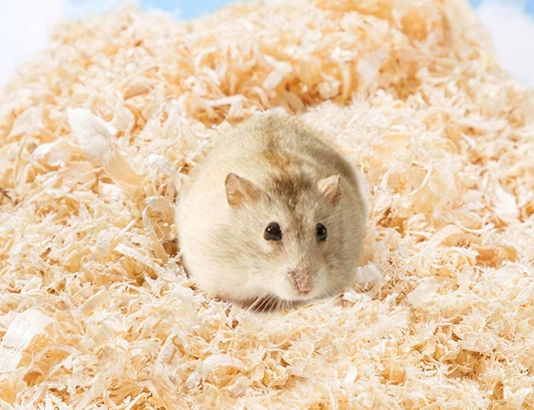
Deep Bedding Mastery: Setup & Maintenance
This is where most guides stop, but it's where the magic happens. Depth is everything.
For a Syrian hamster, aim for a minimum of 6 inches (15 cm) across at least half the enclosure. For dwarfs, 4-5 inches is a good start. More is always better. I shoot for 8-10 inches in my Syrian's 40-gallon tank.
Sound messy? A proper enclosure with high walls (a tank or a bin cage) contains it perfectly.
The Layering Technique
Don't just dump it in. Fluff it. Create variation. Place hides, tunnels, and platforms directly on the tank floor, then pile the bedding around and over them. This creates instant underground hideouts and supports complex burrow systems.
Cleaning: The Spot-Clean Method
The biggest mistake is stripping the entire cage weekly. This is incredibly stressful, destroying their scent-marked home.
Instead, do this:
- Daily: Use a small spoon or scoop to remove obvious piles of damp/wet bedding and poop from corners (their usual bathroom spots).
- Weekly/Bi-weekly: Gently remove and replace about one-third of the bedding, focusing on the most soiled areas. Always leave a good amount of clean, established bedding to keep their scent profile intact.
- Full Change: Only every 4-6 weeks, or if there's an odor or dampness that spot-cleaning can't fix.
This method is less work for you and far better for your hamster's mental well-being.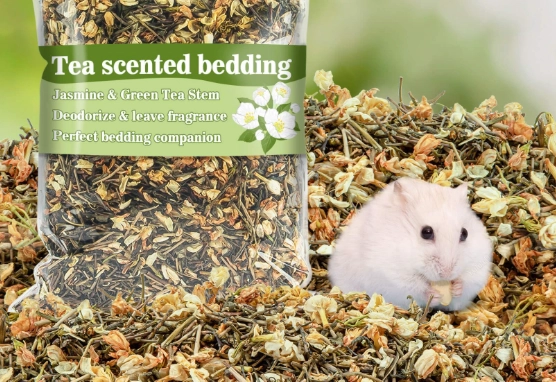
Common Bedding Mistakes (And How to Fix Them)
- Using Pine or Cedar: We covered this. Just don't. Switch to aspen, paper, or hemp.
- The "Sparse Layer": A one-inch layer is useless. It's a floor covering, not an environment. Commit to depth. If your cage can't hold it, it's time for a bigger cage.
- Over-Compressing: When you add bedding, fluff it. Don't pat it down into a dense mat. Hamsters need loose material to move through.
- Ignoring Dust: That cloud when you pour it? Your hamster breathes that 24/7. Choose low-dust options and pour gently into a corner to minimize airborne particles.
- Frequent Full Clean-Outs: Breaks the bond with their environment. Adopt the spot-cleaning routine above.
A Word on DIY Bedding Options
I get asked about shredded office paper, paper towels, or hay.
Shredded plain paper (no ink) can be safe but is labor-intensive, offers poor absorption, and lacks structure. It's a last-resort supplement, not a primary bedding.
Hay (like meadow hay) is a fantastic supplement for nesting material and chewing, but it's not absorbent enough to be the main bedding. I always toss a handful in for them to incorporate into their nests.
For most people, the consistency, safety, and performance of commercial beddings are worth the cost.
Your Top Bedding Questions Answered
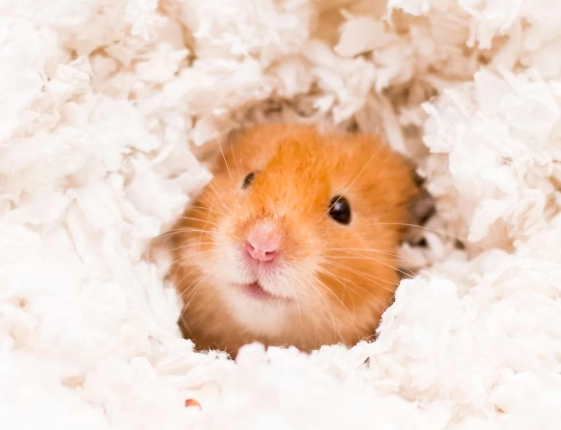
Choosing the right bedding and using it correctly is one of the most impactful things you can do for your hamster's quality of life. It transforms their cage from a holding pen into a dynamic home. Start with safety, prioritize depth, and observe what your individual pet enjoys most. You'll be rewarded with a busy, content little creature, and that's the whole point.


Join the Conversation