Your Guide to Safe Dog Grooming
Let's be honest. Handing your furry best friend over to a stranger with sharp tools is nerve-wracking. You want them to come back clean, happy, and with a cute haircut, not traumatized or injured. But how do you tell the difference between a great groomer and a disaster waiting to happen? Knowing what are the red flags for dog grooming isn't just about getting a good haircut; it's about your dog's physical safety and emotional well-being.
I've been through it myself. Years ago, I took my anxious terrier mix to a groomer that came highly recommended online. The place looked fine from the waiting area. But when I picked him up, he was trembling, his nails were bleeding slightly from being cut too short, and he smelled strongly of cheap, perfumed spray used to cover up... something. It was a lesson learned the hard way. Since then, I've become hyper-vigilant, and I've talked to professional groomers, trainers, and vets to compile this list of genuine warning signs.
Red Flags Before You Even Book the Appointment
Spotting problems early can save you and your dog a lot of stress. The first set of dog grooming red flags often appear during your initial research and contact.
Communication and Professionalism Warning Signs
How a business communicates tells you volumes about their operation.
They're impossible to reach or vague. No one answers the phone, voicemail is full, and emails go unanswered for days. Or, when you do get someone, they can't give you a clear estimate, won't explain their process, or brush off your specific questions about your dog's needs (like anxiety or sensitive skin). A professional operation values clear communication.
They guarantee a specific finish time. This is a huge one. Grooming isn't an assembly line. Dogs behave differently; some are calm, some are wiggly, some need breaks. A groomer who promises "your dog will be done at exactly 2 PM" is likely rushing or overbooking, which is when mistakes and shortcuts happen. A good groomer will give you a time window and update you if things take longer.
They don't require vaccinations. Any reputable groomer will ask for proof of core vaccinations (Rabies, DHP, and often Bordetella for kennel cough). This isn't them being difficult; it's a critical safety measure to protect every dog in their care. If they don't ask, it's a major red flag for dog grooming safety standards.
Shop Appearance and Online Presence Red Flags
If you can visit beforehand, do it. If it's a mobile groomer, scrutinize their online presence.
The facility is dirty, cluttered, or smells awful. A bit of dog hair is expected. But overall filth, overwhelming fecal or urine odors, or tools scattered in grime are unacceptable. It speaks to a lack of basic hygiene and care. Check the grooming tables and tub areas if visible.
You can't find any credentials or clear information. Do they have a website or social media page? Are there photos of their work? Can you find any mention of certifications or ongoing education? While not all amazing groomers are active online, a complete lack of digital footprint or verifiable information makes it hard to vet them. Look for affiliations with professional bodies like the National Dog Groomers Association of America or the International Professional Groomers, Inc..
They have consistently bad or defensive reviews. Read the negative reviews carefully. One or two cranky people might be outliers. But a pattern of complaints about injuries, rude service, or dogs coming back sick is a glaring warning sign. Also, note how the business responds. Do they take responsibility and seek to resolve issues, or do they blame the customer or the dog? The latter is a big problem.
Major Red Flags During the Drop-Off and Grooming Process
This is where the most critical red flags for dog grooming become apparent. Your observations and the groomer's practices are key.
Handling and Restraint Practices
How a groomer handles your dog is the cornerstone of safety and ethics.
Excessive force or fear-based methods are visible or implied. You should never see a groomer yelling at, hitting, or manhandling a dog. Listen, too. If you hear constant barking that sounds distressed (not just excited), or loud yelling from staff, it's a bad sign. Ask about their methods for fearful dogs. Answers like "we just get it done" or "we muzzle everyone who fusses" are red flags. The use of restraints like groomer's helpers (loops) is common for safety, but they should be used correctly and not as a substitute for patience.
They refuse to let you see the grooming area. Transparency builds trust. A clean, professional operation often has nothing to hide. If they are adamant that you cannot see where your dog will be, ask why. While some dogs get more distracted if they see their owner, a blanket refusal can sometimes hide chaotic or unsafe conditions.
The staff seems inexperienced or inattentive. Do the groomers seem calm and in control, or frantic and overwhelmed? Are dogs left unattended on elevated tables (a massive safety hazard)? Is there loud, chaotic noise that would stress any animal? The environment should feel controlled and professional.
Tool and Sanitation Red Flags
This is where technical competence meets safety.
Dirty or poorly maintained equipment. Clipper blades should be clean and sharp. Dull blades pull hair and can burn the skin. Brushes and combs should be free of matted old hair. The bathing area should not have a buildup of grime. Are towels clean? Is there a clear system for cleaning between dogs?
No mention of safety protocols. Do they use non-slip mats in tubs and on tables? What is their first-aid training and protocol if a nick occurs? (Minor nicks can happen even to the best groomers; it's their response that matters). If you ask about safety and get a blank stare, walk away.
Improper drying techniques. This is a sneaky one. Cage dryers (where a dog is placed in a crate with a dryer attached) can be extremely dangerous if not monitored closely. They can overheat a dog, cause heatstroke, or even lead to strangulation. A red flag is a groomer who relies solely on unattended cage drying for every dog. Hand-held dryers or well-ventilated, open drying areas with constant supervision are much safer. The American Veterinary Medical Association (AVMA) provides resources on pet safety that underscore the need for vigilant temperature control.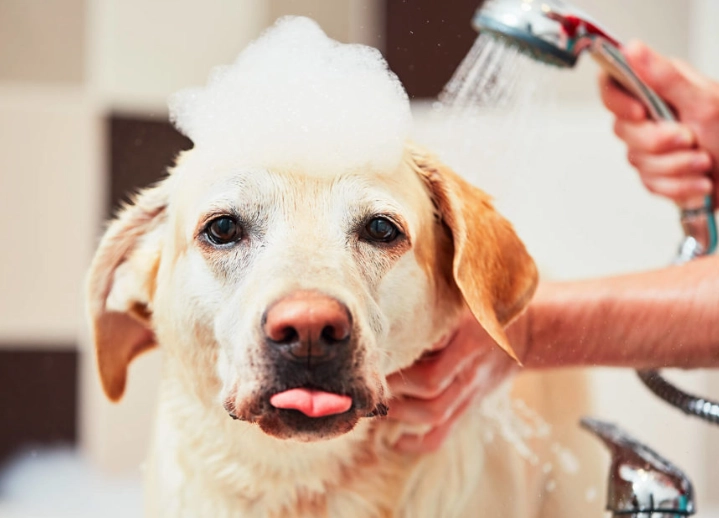
Let's put some of these critical drop-off and process red flags side-by-side.
| What a Good Groomer Does | What a Bad Groomer Does (Red Flag) |
|---|---|
| Asks detailed questions about your dog's temperament and health. | Rushes you through drop-off, asks no questions. |
| Uses gentle, positive reinforcement and takes breaks for stressed dogs. | Uses force, muzzles as a first resort, or believes in "powering through." |
| Maintains a clean, organized workspace with clean tools. | Works in a cluttered, dirty space with rusty or poorly maintained equipment. |
| Explains their drying process and supervises dogs closely. | Puts every dog in an unattended cage dryer for long periods. |
| Is transparent and willing to show you their space (within reason). | Is secretive and forbids you from seeing the grooming area. |
The Biggest Red Flags: What to Look for When You Pick Up Your Dog
This is the moment of truth. Your dog's condition tells the real story. Understanding what are the red flags for dog grooming post-appointment is crucial for holding groomers accountable.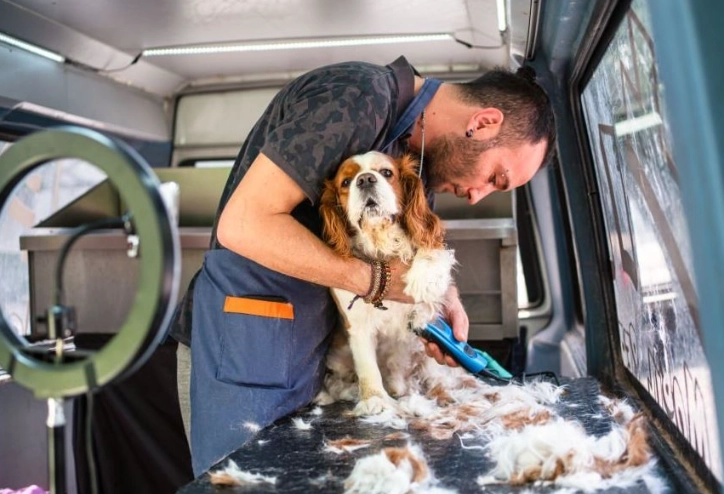
Physical Signs of Injury or Distress
Check your dog over calmly but thoroughly before you even leave the shop.
- Cuts, nicks, or abrasions: A tiny, superficial nick on a wiggly paw can happen. But multiple cuts, deep gashes (especially on sensitive areas like ears, groin, or armpits), or "razor burn" (red, irritated skin from dull clipper blades) are serious red flags.
- Bleeding nails (quicked): Cutting the nail into the quick is painful and can bleed. It happens occasionally, but a groomer should inform you immediately, apply styptic powder to stop the bleeding, and apologize. Finding multiple bleeding nails or discovering it yourself means they tried to hide it.
- Limping or tenderness: If your dog is reluctant to put weight on a leg or yelps when touched, they may have been dropped, yanked, or restrained improperly.
- Signs of overheating or respiratory distress: Excessive panting, glazed eyes, bright red gums, or lethargy long after the groom could indicate they were overheated in a dryer.
- Chemical burns or skin irritation: Red, raw, inflamed skin, especially in folds or on the belly, can be a reaction to harsh, improperly diluted shampoos or "blue" cleaning solutions left on the skin.
Quality of the Groom and Hidden Dangers
Beyond injuries, the quality of the work itself can reveal carelessness.
Mats are cut out roughly, leaving the coat uneven or the skin exposed. Sometimes mats are so severe they must be removed. However, a skilled groomer will do this carefully and discuss it with you first. A hack job where large, uneven patches are just scissored out shows a lack of skill and care.
The haircut is wildly different from what you asked for. Miscommunication happens. But a complete disregard for your instructions (e.g., you asked for a teddy bear trim and got a shavedown) suggests they either didn't listen, didn't care, or took a shortcut because your dog was difficult.
You find foreign objects or leftover products. This sounds extreme, but it happens. Leftover elastic bands from top knots still in the hair, severe soap residue that makes the coat sticky, or even small pieces of plastic or debris tangled in the fur point to a rushed, sloppy job.
A strong perfume smell. A light, clean scent is fine. An overpowering, cheap perfume smell is often used to mask other odors—like urine, feces, or infection. It's a classic cover-up tactic and a major red flag for dog grooming hygiene.
What to Do If You Spot These Red Flags
So you've identified one or more problems. Now what? Knowing what are the red flags for dog grooming is useless without knowing how to respond.
At pick-up, address it calmly and immediately. Point out the injury, the mistake, or your dog's state. A professional will be concerned, apologize, explain what happened (if it was an accident), and often offer a discount or refund. They will document the incident. If they become defensive, blame your dog ("he was so bad!"), or outright deny what you're seeing, that's your final confirmation. Pay (for the service, not necessarily for a bad result you're disputing), take your dog, and leave. Don't escalate in front of your stressed pet.
Contact your veterinarian if there are injuries. Some cuts or burns can become infected. Quicked nails can be painful and prone to infection. Get professional medical advice.
Leave a factual, detailed online review. This isn't about revenge. It's about protecting other dogs and owners. Describe what happened objectively: "At pick-up, my dog had three bleeding nails the groomer did not mention, and he was trembling uncontrollably." This is more helpful than "They suck!"
Report serious issues. For severe neglect, abuse, or injury, report the business to your local animal control authorities, the Better Business Bureau, and state licensing boards (if grooming is licensed in your state).
Your Questions Answered: Beyond the Basic Red Flags
How often are "red flags" actually just accidents?
This is a fair question. Even the best groomer can have an off day or a dog can move suddenly, leading to a minor nick. The key is frequency, severity, and response. A one-time minor incident handled with transparency and care is an accident. A pattern of injuries, or a single severe injury handled with secrecy and blame, is a red flag. It's about systemic practice, not perfection.
My groomer isn't "certified." Is that a red flag?
Not necessarily. In the United States, grooming is largely an unlicensed industry. Certification from bodies like NDGAA or IPG is a huge plus—it shows dedication to education and meeting a standard. However, many phenomenal groomers are "Journeyman" skilled through decades of experience and mentorship. The lack of a certificate is less of a red flag if everything else checks out: their portfolio, their facility, their handling, and their glowing client testimonials. Focus on the totality of evidence.
What are the red flags for mobile dog grooming?
Mobile grooming has its own set of warnings. The van should be clean, climate-controlled, and well-organized. The groomer should be able to show you their setup. Red flags include: refusing to let you see inside the van, the van smelling terribly of waste or chemicals, the groomer working alone with no backup in case of emergency, and a lack of proper insurance for a mobile business. Ask where they dispose of wastewater—it should be at a proper dump station, not in a storm drain.
Is price a red flag?
It can be. Extremely low prices are often a red flag. Quality equipment, safe products, insurance, continuing education, and paying a living wage to skilled staff all cost money. A rock-bottom price usually means cutting corners somewhere—on product quality, sanitation, time spent per dog, or staff training. Conversely, the most expensive groomer isn't automatically the best. Evaluate value, not just cost.
Look, finding the right groomer is like finding a good mechanic or pediatrician. It takes a bit of homework. But by knowing what are the red flags for dog grooming, you move from a place of hope to a place of informed choice. You learn to trust the signs—the clean shop, the calm demeanor, the detailed questions, the groomer who calls to say your pup is doing great but needs an extra break, and the happy, healthy dog you get back at the end of the day.
That peace of mind is worth every bit of effort.


Join the Conversation