Quick Guide
- The Non-Negotiable Base: What's Included in Every Dental Cleaning
- The Big Variables: What Makes the Cost Skyrocket
- A Realistic Price Breakdown: From Best to Worst-Case Scenario
- How to Afford It: Payment Options & Pet Insurance
- What Happens After: Post-Op Care & Preventing the Next Big Bill
- Your Burning Questions Answered (FAQs)
- Wrapping It Up: Knowledge is Power (and Savings)
If you've just gotten a quote from your vet for your cat's dental cleaning and your eyes nearly popped out of your head, you're not alone. I remember the first time I asked, "How much does a dental cost for a cat?" I was expecting a couple hundred bucks. The reality? It was a gut punch. That initial sticker shock is almost a rite of passage for cat owners. But here's the thing – once you understand what you're actually paying for, it starts to make a lot more sense. It's not just a simple tooth brushing; it's a full-blown medical procedure under anesthesia. This guide is here to walk you through every single line item, from the pre-op bloodwork to the final polish, so you know exactly where your money is going and how to plan for it.
Let's be honest, that number can be a shock. You might see figures ranging from $300 to over $1,500. Why such a crazy range? Well, asking "how much does a dental cost for a cat?" is like asking how much a car repair costs. A simple oil change is one thing, but if the mechanic finds a cracked engine block, the bill changes completely. Your cat's dental is the same. A basic cleaning for a young, healthy cat is at one end. A senior cat needing multiple extractions is at the other. The final cost hinges entirely on your cat's individual mouth. We'll get into all the variables, but first, let's look at the core procedure everyone pays for.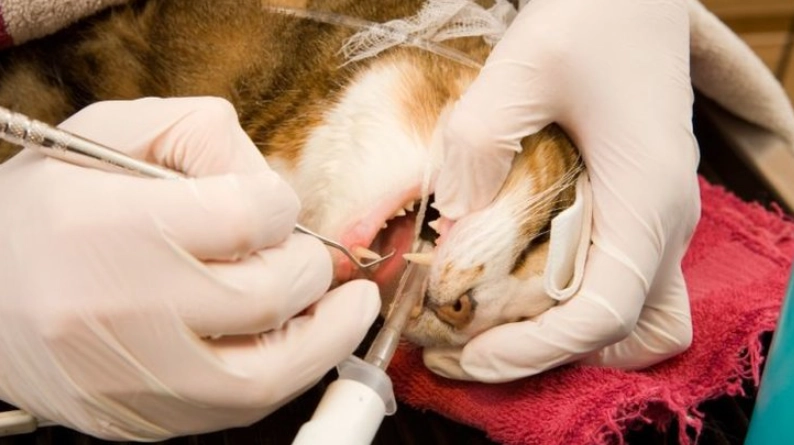
The Non-Negotiable Base: What's Included in Every Dental Cleaning
Every professional feline dental cleaning, often called a prophylaxis, has a standard set of services. This is the foundation. Even if your cat's teeth look perfect to you, this is the minimum work required to do the job safely and effectively. Vets can't just scrape visible tartar. The real enemy is below the gumline, and getting there requires general anesthesia. There's no safe way around it for a thorough job. The American Veterinary Medical Association (AVMA) strongly supports the use of anesthesia for dental procedures to ensure patient safety, comfort, and a complete examination. So, what does this base package typically cover?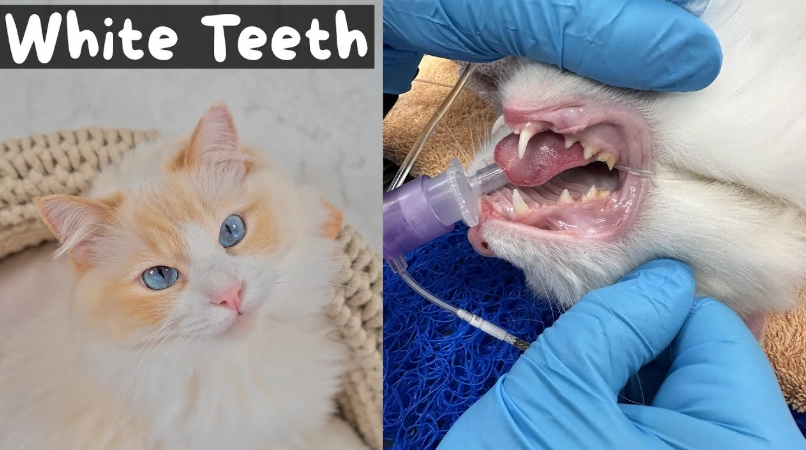
- Pre-anesthetic Exam & Bloodwork: This isn't optional fluff. It's a critical safety check. The vet needs to make sure your cat's liver and kidneys can process the anesthesia drugs. Skipping this to save $80-$150 is a massive risk I wouldn't recommend to anyone.
- General Anesthesia & Monitoring: This is a big chunk of the cost. Your cat is intubated (a tube in the windpipe to protect the airway), and a dedicated technician monitors heart rate, blood pressure, oxygen levels, and temperature throughout. This is high-level medical care.
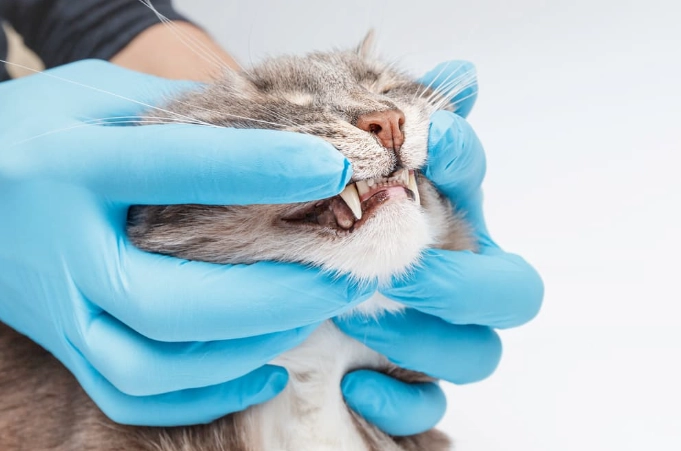
- The Cleaning Itself (Scaling & Polishing): Using an ultrasonic scaler (like what your hygienist uses) and hand tools, the vet or technician removes plaque and tartar from every surface of every tooth, especially under the gums. Then they polish to smooth the enamel, making it harder for plaque to stick.
- Full Mouth Dental X-rays: This is absolutely crucial and, in my opinion, should never be skipped. Over 60% of a cat's tooth structure is hidden below the gumline. X-rays reveal abscesses, bone loss, and resorptive lesions (a painful condition common in cats) that are invisible to the naked eye. The American Veterinary Dental College (AVDC) considers dental radiographs a standard of care for any comprehensive oral health assessment.
- Oral Exam & Charting: While your cat is under, the vet will probe each tooth, measure gum pockets, and note every finding on a dental chart, just like your dentist does.
Just these items alone can easily land you in the $500 to $900 range, depending on your geographic location and the clinic's overhead. A clinic in downtown Manhattan will cost more than one in a rural town. But this is just the starting point. The real answer to "how much does a dental cost for a cat?" comes after the x-rays are developed.
Key Takeaway: The base cost isn't for "cleaning teeth." It's for a safe, anesthetized procedure that includes a full diagnostic workup (exam, bloodwork, x-rays) to discover what problems, if any, actually need fixing.
The Big Variables: What Makes the Cost Skyrocket
This is where the estimate becomes an invoice. The vet won't know the final total until they see the x-rays and examine under the gums. Here are the major cost-adders that answer the deeper question behind "how much does a dental cost for a cat?" – which is really "how much will MY cat's dental cost?"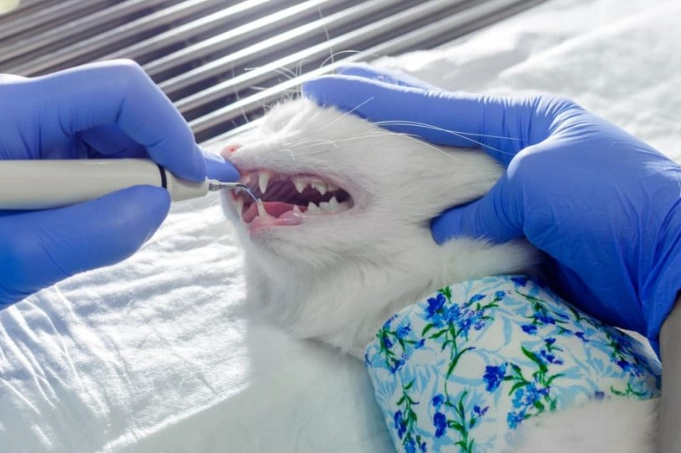
Tooth Extractions: The Primary Budget-Buster
Extractions are the single biggest variable. A cat's tooth roots are long and complex. Removing them is delicate surgery, not just yanking. The cost depends on the tooth type and complexity.
| Tooth Type / Condition | Why It's Complicated | Estimated Cost Per Tooth (on top of base cleaning) |
|---|---|---|
| Simple Incisor (tiny front tooth) | Single, small root. Often straightforward if not diseased. | $50 - $150 |
| Canine (Fang) | Massive, deep root. Requires careful sectioning and bone removal. | $200 - $400+ |
| Premolar/Molar | Multiple, often curved roots. Common site for problems. | $150 - $350 |
| Feline Odontoclastic Resorptive Lesion (FORL) | The tooth is dissolving, often brittle and painful. Requires careful removal of fragile remnants. | $150 - $300 |
| Severe Periodontal Disease | Bone is infected and destroyed. Tooth may be mobile but requires full extraction protocol. | $150 - $300 |
| Root Fragment / Surgical Extraction | A piece of root broke off and is left behind, or the tooth must be cut into sections for removal. | $250 - $500+ |
See how it adds up? A cat needing just one canine and one molar extracted could add $400-$750 to the bill. I've talked to owners whose cats needed multiple extractions, and the final cost for the dental work was well over $1,500. It's intense.
Personal Opinion: I think some clinics are too quick to recommend extractions for slightly wiggly teeth without severe bone loss on x-rays. Always ask to see the x-rays and have the vet point out the problem. Get a second opinion if you're unsure. It's your cat and your money.
Other Medical Factors That Increase Cost
- Your Cat's Age & Health: An older cat or one with kidney disease might need more extensive pre-op testing (like a fuller blood panel or chest x-rays), IV fluids during surgery for blood pressure support, and more careful anesthetic drug choices. IV fluids alone can add $60-$120.
- Advanced Procedures: Sometimes it's not just an extraction.
- Biopsy: If there's a weird-looking mass or lesion, a sample may be sent to a lab. (+$150-$300)
- Bone Grafting: After a major extraction, some vets pack the socket with material to promote healing and preserve jawbone. (+$100-$250 per site)
- Antibiotic Gel: Placing a long-acting antibiotic gel in an empty socket to prevent infection. (+$30-$80)
- Pain Management: This should be a given, but the level varies. A single injection of pain meds is common, but multi-day take-home oral pain medication is better for extractions and adds to the cost.
So you're starting to see the picture. The initial question of "how much does a dental cost for a cat?" is just the door. Walking through it reveals a whole landscape of potential expenses.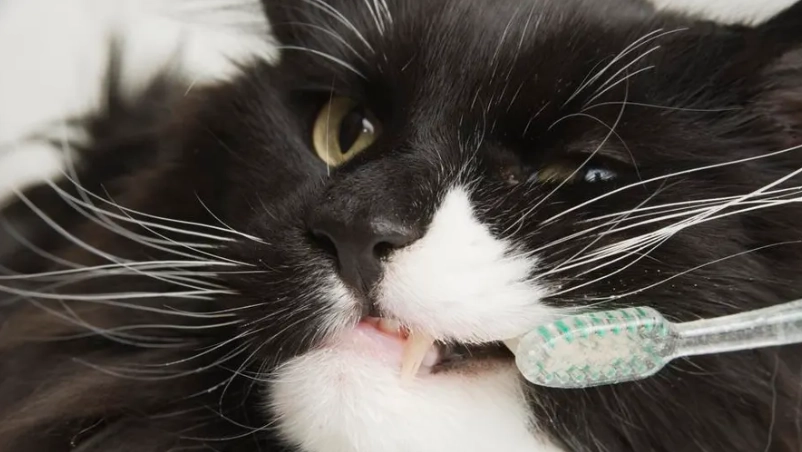
A Realistic Price Breakdown: From Best to Worst-Case Scenario
Let's put concrete numbers to these scenarios. Remember, these are estimates and vary wildly by region. Urban and coastal areas are generally more expensive.
The "Best-Case Scenario" Cleaning
Your cat is young (2-4 years), healthy, and you've been somewhat good with brushing. The pre-op bloodwork is perfect. The dental x-rays show no hidden disease. No extractions are needed. This is basically the pure "prophy."
- Exam & Consultation: $60
- Pre-anesthetic Bloodwork: $120
- Anesthesia, Monitoring, IV Catheter: $300
- Dental Cleaning (Scaling/Polishing): $200
- Full Mouth Dental X-rays: $150
- Pain Medication (injection): $40
- Estimated Total: $870
Even the simplest case is rarely cheap.
The "Common Reality" Dental with Extractions
Your cat is middle-aged (7 years), otherwise healthy. X-rays reveal two premolars with significant bone loss (periodontal disease) and one resorptive lesion (FORL) on a molar. All three need extracting.
- Base Cleaning Package (as above): $870
- Extraction of 2 Premolars (@ $200 each): $400
- Surgical Extraction of 1 FORL Molar: $280
- Additional Pain Meds (take-home oral): $50
- Antibiotic Injection: $45
- Estimated Total: $1,645
This is the range where most shocked owners find themselves. You came in for a cleaning and left with a bill over fifteen hundred dollars because of necessary extractions.
The "Major Oral Surgery" Case
Senior cat (12 years), early kidney values on bloodwork. Requires IV fluids during procedure. Severe periodontal disease with multiple mobile teeth and several FORLs. Needs 8 extractions, including one canine.
- Enhanced Pre-op Profile & IV Fluids: +$180
- Base Cleaning Package: $870
- Extraction of 7 teeth (mix of incisors, premolars): $1,050 (averaging $150 each)
- Surgical Extraction of 1 Canine: $350
- Extended Take-Home Pain Meds & Antibiotics: $120
- Estimated Total: $2,570
Pro Tip: Always ask for a detailed, line-item estimate before the procedure. A good clinic will give you a range: "The cleaning and x-rays will be $850. If we find one tooth that needs extraction, it will be an additional $200. If we find five, it could be an extra $1,000. We will call you with x-ray findings before proceeding." This transparency is everything.
How to Afford It: Payment Options & Pet Insurance
Facing a four-figure vet bill is stressful. Let's talk real-world solutions. First, understand that "how much does a dental cost for a cat?" is a question you should ask before you need it. Start a "pet health savings account" and put aside $50 a month. In two years, you've got $1200 set aside.
Pet Insurance: This is a game-changer for dental costs, but you have to read the fine print. Most accident/illness plans cover dental diseases (like extractions for FORLs or periodontal disease) but NOT routine cleanings. So, if your cat needs a cleaning with no problems, you pay. If the cleaning reveals diseased teeth needing extraction, the insurance often covers the extractions and associated costs (anesthesia, x-rays related to the extraction), minus your deductible and co-pay. Companies like Nationwide (which has a major pet insurance division) offer plans that include dental illness coverage. Enroll when your cat is young and healthy, before any dental issues are noted in their record (as these become pre-existing conditions).
Other Options:
- Veterinary Payment Plans: Some clinics offer in-house plans or partner with third-party lenders like CareCredit or Scratchpay. These are credit lines for medical expenses, often with promotional no-interest periods if paid in full within 6-18 months. Read the terms carefully!
- Low-Cost Clinics: Some shelters or non-profits offer dental days at reduced rates. The waitlists can be long, and they may not handle complex extractions, but it's an option for basic care.
- Veterinary Schools: University teaching hospitals often provide services at a lower cost, as procedures are performed by supervised students. It can take longer, but the care is thorough.
What Happens After: Post-Op Care & Preventing the Next Big Bill
Your cat is home, maybe a little groggy, maybe with a shaved paw from the IV. You've paid the bill. Now what? Proper aftercare is crucial for healing and to make this investment last.
For the first 10-14 days, expect:
- Soft Food: No kibble if there were extractions. Canned food or soaked kibble is a must.
- Medication: Give all pain meds and antibiotics as directed, even if your cat seems fine.
- Activity Restriction: No rough play. Keep them indoors and calm.
- Monitor the Mouth: Look for excessive drooling, bleeding, or pawing at the face. A little blood-tinged saliva is normal the first day.
But the real work begins after they've healed. How do you prevent asking "how much does a dental cost for a cat?" again in two years?
- Tooth Brushing: The gold standard. Use pet toothpaste (never human). Start slow. Even brushing a few teeth a few times a week helps massively.
- Dental Diets: Prescription diets like Hill's Prescription Diet t/d or Royal Canin Dental are formulated with larger kibbles that encourage chewing and have a fiber matrix that cleans the tooth surface. They aren't a substitute for brushing but are a great helper. The Veterinary Oral Health Council (VOHC) awards a seal of acceptance to products that meet standards for plaque and tartar control. Look for their seal on products.
- Water Additives & Dental Gels: These can help reduce bacteria. Their efficacy varies, but they're better than nothing for cats who won't tolerate brushing.
- Regular Vet Checks: Have your vet look in your cat's mouth at every annual exam. They can spot trends early.
Think of it this way: that $1,500 dental bill is your motivation to spend 2 minutes a day brushing. It's the best return on investment you'll ever get for your cat's health.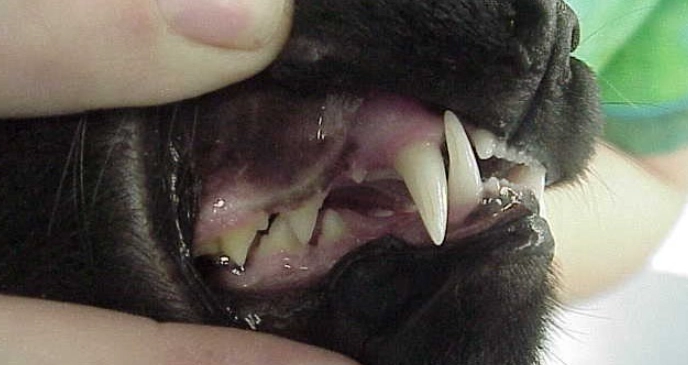
Your Burning Questions Answered (FAQs)
I've gotten a ton of questions from other cat owners over the years. Here are the most common ones that go beyond just "how much does a dental cost for a cat?"
Modern veterinary anesthesia is very safe. The risk comes from underlying undiagnosed disease, which is why the pre-anesthetic bloodwork is non-negotiable. The risk of not doing a needed dental (pain, infection spreading to organs) far outweighs the minimal risk of a well-managed anesthetic event. The AVMA has resources discussing anesthesia safety protocols that can reassure worried owners.
This is the biggest misconception. Cats are masters at hiding pain. Eating is a survival instinct. They will often continue to eat through significant dental pain, simply shifting food to the other side of their mouth or swallowing kibble whole. Lack of appetite is a very late-stage sign. By then, the problem is severe. Don't use appetite as a gauge.
I'm strongly against these for cats. They are purely cosmetic. A technician can only scrape the visible crown of the tooth, which does nothing for disease under the gums. It's stressful for the cat, who is restrained, and it gives a false sense of security. It misses the real problems and can damage the enamel. The American Animal Hospital Association (AAHA) Dental Care Guidelines for Dogs and Cats state that anesthesia is necessary for proper assessment, cleaning, and treatment.
There's no one-size-fits-all answer. A cat with great genetics and excellent home care might need it every 2-3 years. A cat prone to gingivitis or FORLs might need it annually. Your vet will recommend a schedule based on what they see at follow-up exams.
Talk to your vet. Be honest. The worst thing you can do is nothing. Sometimes a staged approach is possible—maybe do the cleaning and x-rays now to identify the most critical, painful teeth and extract only those, planning to address others later. It's not ideal, but addressing some pain is better than addressing none. Ask about all the financial options listed above.
The cost is a hurdle, but it's one you can prepare for.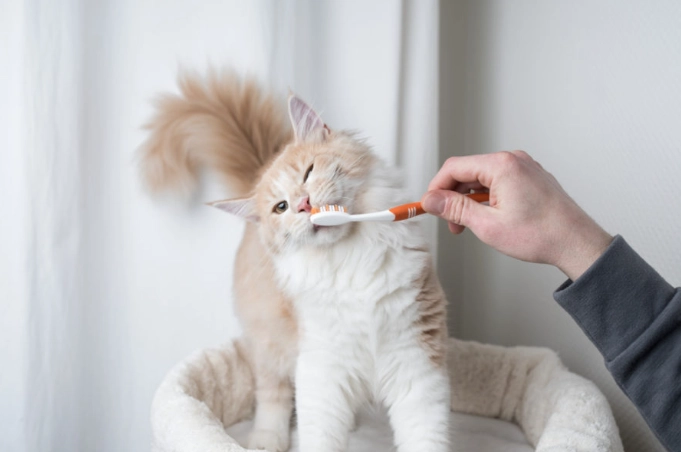
Wrapping It Up: Knowledge is Power (and Savings)
So, back to the original question that brought you here: how much does a dental cost for a cat? You now know it's not a single number. It's a spectrum starting around $800 for a best-case cleaning and climbing to $2,500+ for major oral surgery. The difference lies in the hidden problems only x-rays can reveal.
The sticker shock is real, but it's a reflection of the complexity and necessity of the procedure. It's not a luxury spa day; it's essential medical care that prevents systemic illness and relieves hidden pain. By understanding the breakdown—the mandatory safety steps, the potential for extractions, and the regional variations—you can budget, investigate pet insurance, and have an informed conversation with your vet.
The goal isn't just to answer the cost question once. It's to equip you to prevent the most expensive scenarios in the future. Start a savings fund, get pet insurance early, and yes, try to brush those teeth. Your cat's health, your wallet, and your peace of mind will thank you for it.

Join the Conversation