So you've decided to bring your outdoor cat inside, or maybe you've adopted a former stray. The first hurdle? The litter box. An outdoor cat sees the whole world as their bathroom. Convincing them to use a small plastic box filled with gravel is a big ask. I've been through this with three different cats over the years—a feisty former barn cat, a skittish stray, and an older tom who ruled the neighborhood. Each taught me something new. The biggest lesson? Forget the "one-size-fits-all" advice. Training an outdoor cat to use a litter box isn't about forcing a new behavior; it's about translating an old one into a new setting.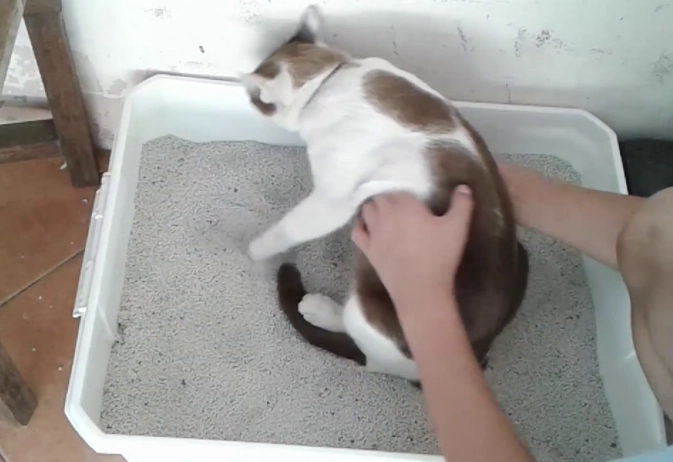
What You'll Find in This Guide
The Right Mindset: It's Not Just Training
Most guides get this wrong. They treat it like potty training a puppy. But an outdoor cat already knows where to go. The issue is preference and acceptance.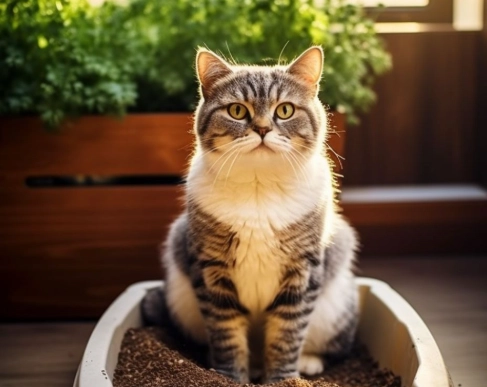
Think about it from the cat's perspective. Outside, they have infinite choices: soft dirt, loose sand, a hidden spot under a bush. It's private, it's spacious, and when they're done, they can just walk away. A litter box is the opposite: confined, often in a busy area, and it can smell if not cleaned instantly.
Your job is to make the box the most appealing option available. This is where many people fail. They plop down a scented, clumping litter box in the laundry room and get frustrated when the cat chooses the potted fern instead. The cat isn't being spiteful. The fern's soil simply feels more like the great outdoors than that perfumed clay does.
Your Step-by-Step Litter Training Process
This isn't a rigid 7-day plan. It's a fluid process you adjust based on your cat's signals. For my barn cat, it took about 10 days. For the old tom? Nearly six weeks of patient coaxing.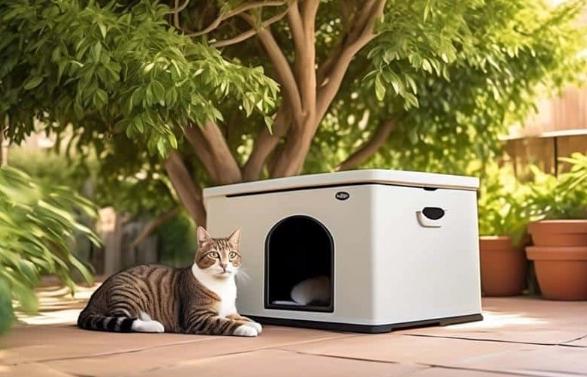
Phase 1: Introduction and Observation (Days 1-3)
Don't even think about keeping them inside yet. Place the litter box in a quiet, accessible corner of your garage, patio, or just inside the back door. Fill it with the litter you've chosen (we'll get to that next). Let the cat explore it at their leisure. The goal here is zero pressure. You might even gently place them in it after they wake up or eat, but don't force it. Just let it become a familiar object in their environment.
Phase 2: Creating the Association (This is the Key Phase)
Start limiting their outdoor bathroom options. If they have a favorite dirt patch in the garden, temporarily cover it with a piece of chicken wire or patio stones. The idea is to gently steer them. When you see them sniffing around, looking for a spot, calmly carry them to the litter box. If they use it, fantastic. A quiet, happy "good job" and a treat works wonders. No loud praise—it can startle them.
This phase is all about making the connection: "When I need to go, this box is a good, available place."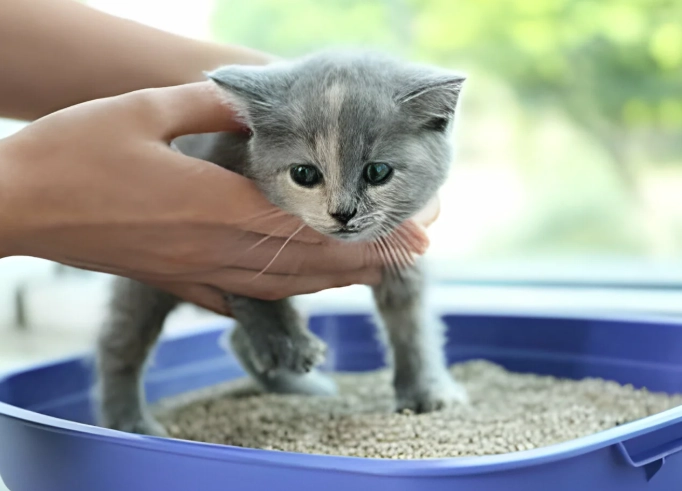
Phase 3: The Move Indoors
Once they're reliably using the box in its transitional location (give it at least 3-5 days of consistent use), you can move it gradually indoors. Move it just a few feet each day towards its final spot. A sudden move from the patio to the upstairs bathroom can confuse them.
Now, start introducing short periods of indoor-only time. An hour after a successful box visit. Then two hours. Always ensure the box is immaculately clean for these sessions.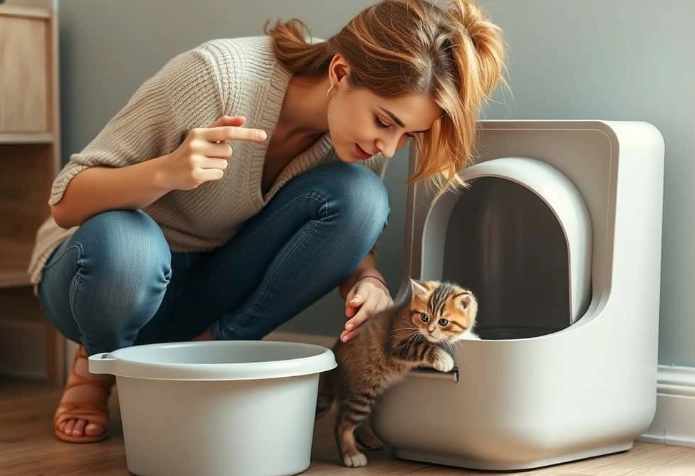
Phase 4: Full Transition and Confidence Building
Extend the indoor time. This is when you might face setbacks. If they have an accident, never punish them. It breaks trust. Instead, clean the area thoroughly with an enzymatic cleaner (like Nature's Miracle) to remove the scent marker. Then, go back a step in the process—maybe they need more supervised outdoor box time before a longer indoor stint.
Success looks like this: the cat voluntarily goes indoors to use the box, even when the door is open. That's when you know they've fully accepted it.
Choosing the Right Litter & Box Setup
This is where you can stack the deck in your favor. The wrong setup makes your job ten times harder.
Forget what's popular for indoor cats. We're matching an outdoor preference.
| Litter Type | Best For Cats Who Prefer... | Pros & Cons |
|---|---|---|
| Unscented, Fine-Grain Clumping Soil/Sand | Soft dirt, garden beds, sandy areas. | Pro: Feels most natural. Con: Can be dusty. My Pick: This is the most successful starter litter in my experience. |
| Non-Clumping, Large-Grain Sand | Gravel paths, coarse soil. | Pro: Good texture match. Con: Harder to keep clean, needs frequent full changes. |
| Paper or Wood Pellet Litter | Less texture-specific cats, or those with respiratory issues. | Pro: Very low dust, absorbent. Con: Doesn't feel like dirt at all, which some cats reject. |
| The "Mix-In" Method | Stubborn cases, older cats set in their ways. | Pro: Add a cup of sterilized soil from their old outdoor spot to any litter. The familiar scent is a powerful attractant. Con: A bit messy. |
Now, the box itself.
Size & Style: Go big. Seriously, get the largest, longest box you can find. An outdoor cat is used to spacious digs. High sides are good for containing litter but ensure one side is low enough for easy entry, especially for older cats.
Location, Location, Location: Quiet and low-traffic is the rule. A dark corner of a spare room, a section of the basement, a quiet bathroom. Not next to the rattling washing machine or the dog's bed. Privacy matters.
And here's a non-negotiable: scoop it immediately. I mean, as soon as you know they've used it. An outdoor cat doesn't return to the same exact spot if it's soiled. They find a new one. If the box is dirty, they'll find a new spot on your rug.
Troubleshooting Common Problems
Things won't always go smoothly. Here's how to decode the issues.
Problem: The cat scratches around the box but doesn't go in.
This is a good sign! They're expressing the instinct to bury. The litter itself might be the turn-off. Try a different texture. Make sure the box isn't too deep with litter; 2-3 inches is plenty.
Problem: They use the box sometimes, but also go right next to it.
This screams "I don't like this box setup." It could be too small, too dirty, or in a bad location. Try a second box in a different spot. This solved the issue with my skittish stray—she wanted options.
Problem: They howl at the door and refuse to use the box indoors.
You may have moved too fast. Regress a phase. Give them supervised outdoor access and reinforce the box use outside before trying longer indoor periods again. Patience is your only tool here.
Problem: Sudden regression after success.
Ask what changed. New litter? New perfume in the house? A scary noise near the box? A visit to the vet? Cats are sensitive. Go back to basics for a few days. A study from the Cornell Feline Health Center notes that stress is a primary cause of litter box avoidance, often overlooked by owners.
Your Top Questions, Answered
The final thing to remember is this isn't a test of your cat's intelligence. It's a negotiation. You're providing a safe, clean, and appealing alternative to the great outdoors. Some cats will walk in and use the box on day one. Others will make you work for it. Pay attention to their preferences, move at their pace, and keep that box clean. You're not just training them to use a litter box; you're helping them feel secure and at home in their new indoor life.



Join the Conversation