Quick Guide
So you're thinking about getting a pet snake. Let's be honest, it's a pretty cool idea. They're quiet, they don't need walks, and watching them explore is genuinely fascinating. But I also get it—starting out can feel overwhelming. Glass tanks, heat lamps, frozen mice... it's a whole new world.
I remember my first time walking into a reptile expo. So many tubes and hides and people talking about "husbandry." I almost walked right back out. But I stuck with it, made some mistakes (who hasn't?), and learned a ton along the way.
This guide is the one I wish I'd had. We're going to cut through the jargon and give you the straight talk on pet snakes for beginners. No fluff, just the stuff you actually need to know before you bring a snake home.
Why a Snake? (And Why Maybe Not)
Let's talk motivations. Snakes aren't like dogs or cats. You don't get one for cuddles. People are drawn to them for different reasons.
On the plus side, they are incredibly clean. No fur, no dander, and their waste is infrequent and... well-contained. They're also silent and their care routine, once established, is very predictable. For someone with a busy schedule or in an apartment with noise restrictions, a snake can be perfect.
But here's the negative, the part some guides gloss over. They are observational pets. You will spend 95% of your time watching it, not interacting with it. If you need an animal to show you affection, look elsewhere. Also, feeding involves pre-killed prey, usually frozen-thawed rodents. If the idea of handling frozen mice makes you squeamish, this hobby isn't for you. Seriously, think hard about this one.
I had a friend who loved the *idea* of a snake but froze (pun intended) the first time she had to thaw a pinky mouse. The snake went to a more prepared home a month later.
Top 3 Best Pet Snakes for Beginners (The Gold Standard)
This is the most important decision you'll make. Choosing a difficult or sensitive species as your first is the #1 reason people get frustrated and give up. Stick with these proven, forgiving champions.
| Species | Why It's Great for Beginners | Adult Size | Temperament | Key Care Note |
|---|---|---|---|---|
| Corn Snake | The quintessential beginner snake. Hardy, comes in endless colors (morphs), great feeder, and generally docile. | 4-5.5 feet | Curious and gentle. Rarely defensive. | Needs a secure lid! They are escape artists. |
| Ball Python | Famous for its "ball" defensive curl. Slow-moving, thick-bodied, and has a calm demeanor. | 3-5 feet | Shy but calm. Known for being handleable. | Can be picky eaters, especially during winter months. Requires specific humidity (50-60%). |
| California Kingsnake | Incredibly hardy and a voracious eater. Beautiful banded patterns. | 3-4 feet | Active and bold. Can be musky if startled. | They are ophiophagous (they eat other snakes). Must be housed alone, always. |
Notice I said top 3. You'll see lists with five or ten, but honestly, if you're completely new, narrowing it down to these three saves confusion. The Rosy Boa and Kenyan Sand Boa are also solid, but have quirks (sand boas burrow and you never see them).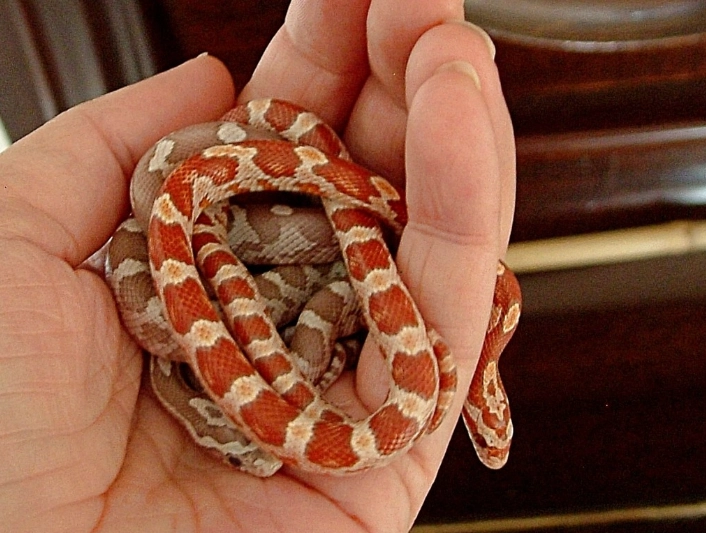
The Corn Snake is, in my totally biased opinion, the absolute best choice for your first pet snake for a beginner. They're just so darn reliable. Ball Pythons are wonderful, but their occasional hunger strikes cause new owners massive anxiety. Kingsnakes are bulletproof but can be a bit more nervous.
Species to AVOID as a Beginner
This is crucial. Some snakes are advanced for specific reasons.
- Large Constrictors (Burmese, Reticulated, Anacondas): Obvious reasons. They get massive, powerful, and have significant feeding and housing costs. It's not just about safety; it's about being able to provide an appropriate enclosure for a 10+ foot animal.
- Venomous Snakes: This should not need explanation, but it does. Never.
- Wild-Caught Snakes: Often come with parasites, stress, and feeding difficulties. Always buy Captive-Bred (CB).
- "Hot" Temperament Species: Some snakes, like certain Green Tree Pythons or Water Snakes, are notoriously nippy or stressful to care for. Not a learning experience you want.
The Beginner's Snake Shopping List (Setting Up Before You Buy)
Never, ever bring the snake home first. Have its house completely ready for at least a week. This lets you dial in temperature and humidity. Here's your essential shopping list, broken down.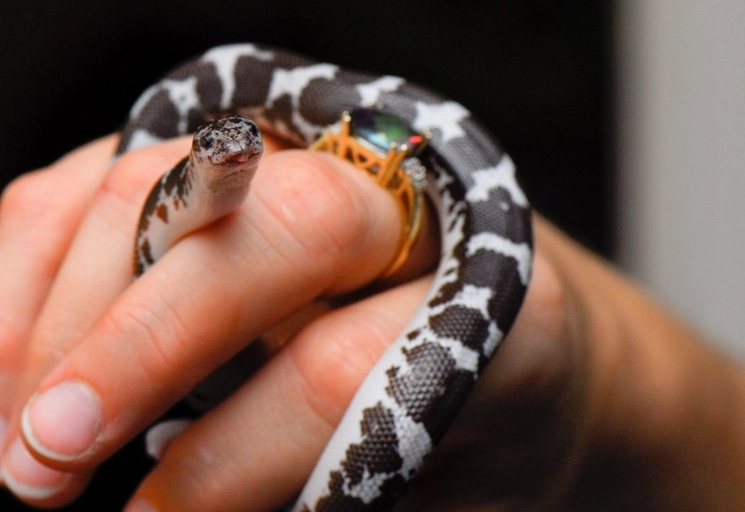
The Enclosure (Terrarium/Vivarium)
For a young snake, a 20-gallon long tank is a common start. But think ahead. Your adult corn snake will need a 40-gallon breeder or, ideally, a 4x2x2 foot PVC enclosure. PVC is better than glass for holding heat and humidity, but glass is cheaper and easier to find. I started with glass and upgraded later—it worked fine.
SECURE LID: This gets its own line. Snakes are stronger and smarter than you think about escaping. Clips or locking lids are mandatory.
Heating & Lighting
Snakes can't regulate their own body temperature. You must create a thermal gradient.
- Warm side: 85-88°F (29-31°C). This is for digestion.
- Cool side: 75-80°F (24-27°C). This is for resting.
Use an under-tank heating pad (UTH) plugged into a thermostat. The thermostat is non-negotiable. It prevents burns. A low-wattage heat lamp or ceramic heat emitter can help with ambient air temp. You'll need two digital thermometers (one for each side) and a hygrometer for humidity.
Substrate, Hides, and "Furniture"
Substrate (Bedding): For beginners, simple is best. Paper towel is the safest starter—easy to clean, no risk of ingestion. For a permanent setup, aspen shavings work great for Corns and Kingsnakes (they don't need high humidity). For Ball Pythons, you might use cypress mulch or coconut husk to hold moisture. Avoid cedar and pine—the oils are toxic.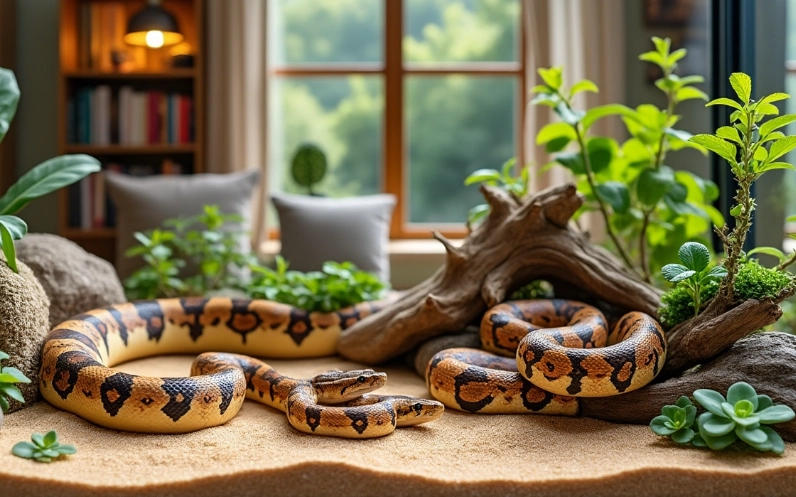
Hides: You need at least two identical hides: one on the warm side, one on the cool side. A hide is a snug, enclosed space where the snake feels secure. If the warm hide is "better," they'll stay there even if overheated. Cheap black plastic food containers with a hole cut in the side work perfectly.
Add a sturdy branch for climbing (especially for Corns) and a heavy, shallow water dish big enough for the snake to soak in.
The Day-to-Day: Feeding, Handling, and Health
Feeding Your Beginner Snake
Most beginner snakes eat frozen-thawed rodents. You buy them frozen, thaw them in warm water, and offer them with long tongs. Never use your fingers.
- Prey Size: The rodent should be slightly wider than the snake's widest body part.
- Schedule: A young, growing snake might eat every 5-7 days. An adult may eat every 10-14 days.
- After Feeding: Do NOT handle the snake for at least 48 hours. Let it digest to avoid regurgitation, which is very stressful for them.
What if it refuses to eat? Don't panic immediately. Check your temperatures first—this is the most common cause. Is it about to shed (its eyes will look blue/milky)? They often skip meals then. For Ball Pythons, switching from mice to rats, or trying a different color rodent, can sometimes work. If a fast lasts more than a few months, consult a vet.
Handling Your Snake
Wait at least one week after bringing it home before attempting to handle. Let it settle in. When you do, be confident and gentle. Support its body fully. Start with short 5-10 minute sessions a couple times a week. Never handle during shed or after feeding.
Wash your hands before and after. Before so you don't smell like food, after for basic hygiene (salmonella is a low risk but a real one).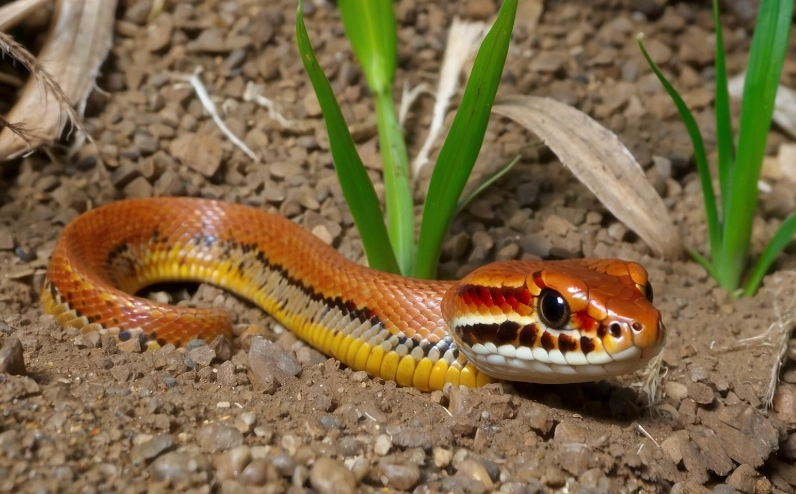
Common Beginner Questions (Stuff You're Probably Googling)
Beyond the Basics: Resources and Next Steps
Your education shouldn't stop here. The reptile community is vast and full of great info (and some bad info).
- Join Forums: Places like Reddit's r/snakes or r/ballpython (use the search function before asking basic questions!) have helpful communities.
- Read Care Sheets: But read multiple! Compare information. Reputable breeders often have the best, most practical care guides.
- Consider Legalities: Some cities or states have restrictions on certain species or sizes. A quick check with your local fish and wildlife department can save heartache. For example, the U.S. Fish & Wildlife Service oversees laws like the Lacey Act concerning interstate transport.
Look, diving into the world of pet snakes for beginners is exciting. It's a unique and rewarding hobby. But the reward comes from responsibility. That means doing the homework, spending the money upfront on proper equipment (the thermostat!), and committing to an animal that will be with you for decades.
Start with a Corn Snake, Ball Python, or Kingsnake. Set up their tank perfectly before they arrive. Be patient with them and with yourself. You're going to make a mistake—we all did. The key is learning from it.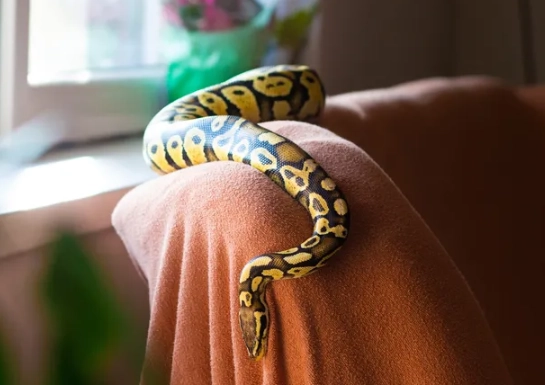
When you see your snake comfortably exploring its enclosure, flicking its tongue to investigate the world you've made for it, all the research feels worth it. You're not just keeping a pet; you're providing a home for a fascinating slice of nature. Do it right, and you'll have an amazing companion for years to come.
Good luck. And welcome to the hobby.




Join the Conversation