You look at your fluffy little ball of energy scurrying in its cage and wonder, "What exactly are you?" It's a super common question. Pet stores often use cute but vague names like "Teddy Bear" or "Winter White," which can be more confusing than helpful. Identifying your hamster's breed isn't just about satisfying curiosity—it's the key to understanding its needs for space, companionship, diet, and handling. The good news is, with a few clear visual and behavioral clues, you can usually pinpoint the species with confidence.
Let's cut through the confusion. There are essentially five main types of hamsters kept as pets, and they differ more than you might think.
Your Quick Identification Roadmap
Why Knowing Your Hamster's Breed Really Matters
This isn't just a trivia game. Getting the breed wrong can lead to real welfare issues. I've seen too many people house two Syrian hamsters together because they didn't realize they're fiercely solitary, leading to nasty fights. Or someone provides a tiny cage for a highly active Roborovski, leaving it stressed and bored.
Space requirements vary wildly. A Syrian needs a minimum of 100cm x 50cm of floor space, while a dwarf can manage in slightly less (but still much more than most store-bought cages offer).
Social needs are a major divider. Syrians must live alone. Some dwarf species, like Roborovskis and Winter Whites, can sometimes live in same-sex pairs or groups if introduced young and given ample space—but it's not without risk. Campbell's dwarfs are often more tolerant of company.
Temperament and handling differ too. Syrians are often calmer and easier to hand-tame. Roborovskis are lightning-fast and may prefer to be observed rather than held frequently. Knowing this sets realistic expectations for your relationship.
How to Identify Your Hamster: A Step-by-Step Guide
Grab a notepad and observe your hamster calmly, preferably when it's awake and active. Don't try to handle it too much during this detective work—just watch.
The Physical Characteristics Checklist
Size is your first major clue. An adult Syrian hamster is substantially larger than any dwarf breed. Think golf ball vs. ping pong ball.
Look at the back. Does it have a distinct dark dorsal stripe running from head to tail? This is a hallmark of many dwarf hamsters, but not Syrians.
Check the ears. Are they tiny and round (common in dwarfs) or slightly larger and more prominent (often seen in Syrians)?
Face shape matters. Syrian faces are typically more elongated and "dog-like," while dwarf faces are shorter and rounder.
Fur length and texture. Most hamsters have short, sleek fur. But some Syrians are specifically bred for long, fluffy "angora" or "teddy bear" coats. No dwarf breed has this naturally.
Observing Behavior and Preferences
Is your hamster a determined, powerful burrower that moves with a deliberate, heavy gait? That screams Syrian. Is it a tiny, hyperactive blur that zips around the cage and is tricky to catch? That's classic Roborovski or other dwarf behavior.
Listen. Some hamsters, particularly Campbells and Winter Whites, are known to be more vocal with little chirps and squeaks.
What Are the Most Common Hamster Breeds?
Here’s a breakdown of the five main contenders you’re likely to have. This table is your cheat sheet.
| Breed (Species) | Average Adult Size | Key Identifying Features | Temperament & Notes |
|---|---|---|---|
| Syrian (Golden) | 13-18 cm (5-7 in) | Large, solitary, no dorsal stripe. Can have short or long fur. Pronounced cheek pouches. | Generally docile and easy to tame. Must live alone. Requires the largest cage and wheel. |
| Campbell's Dwarf | 8-10 cm (3-4 in) | Small, has a thin, grey-brown dorsal stripe. Round face, small ears. Fur can have a grey or amber tint. | Often more nervous and quicker to nip if startled. More tolerant of same-sex companionship than Syrians. |
| Winter White Dwarf (Djungarian) | 8-10 cm (3-4 in) | Similar size to Campbell's. Dorsal stripe is wider, darker, and more pronounced. More arched back shape. | Known for potentially changing to a white coat in winter under specific light conditions (rare in captivity). Generally curious. |
| Roborovski Dwarf | 5-7 cm (2-2.5 in) | The smallest pet hamster. No dorsal stripe. Distinctive white "eyebrows" and sandy-colored fur. | Incredibly fast, skittish, and often not keen on frequent handling. Best as "watch-only" pets for many owners. |
| Chinese Hamster | 10-12 cm (4-5 in) | Long, thin, mouse-like body with a longer tail (~1cm). Dark dorsal stripe. More pointed face. | Agile climbers. Can be timid but are usually gentle once tamed. Also solitary. |
Let me add a personal observation here. I once helped someone rehome a "giant dwarf hamster" that turned out to be a young Syrian kept in a CritterTrail—it was just stunted. Seeing it move into a proper 40-gallon tank and double in healthy size within months was proof of how crucial correct ID is.
Dealing with Hybrids
Here's a curveball many guides miss. Campbell's and Winter White dwarfs can and do interbreed, creating hybrids. These are extremely common in pet stores. If your dwarf hamster has features that seem to mix the two—like a medium-width dorsal stripe and an ambiguous face shape—it's likely a hybrid. Their care is similar to purebred dwarfs.
Beyond the Basics: Advanced Identification Tips
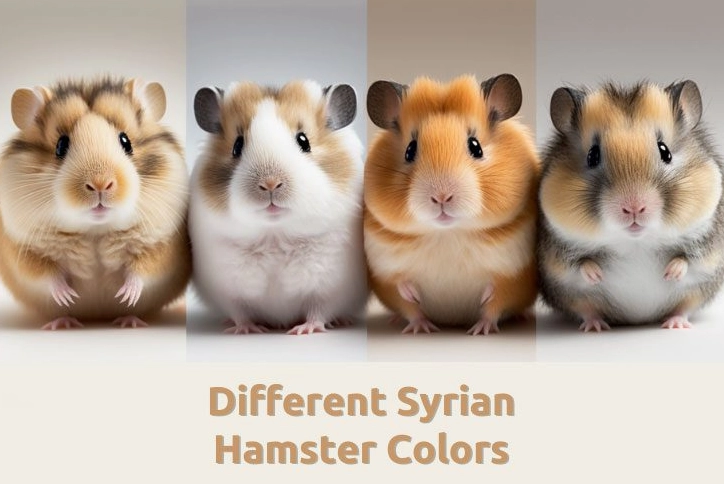
Color is a terrible primary identifier. You can find Syrians in golden, cream, black, tortoiseshell, and banded patterns. Dwarfs come in sapphire, pearl, mandarin, and many more. A "white hamster" could be a Winter White, a white Syrian, or a colored dwarf in its winter coat. Focus on size, shape, and stripe first, color last.
Check reputable sources. The Hamster Zone breed guide has excellent photos. The Hamster Welfare Association provides species-specific care advice that can also help you deduce what you have based on its needs.
If you're still stuck, take clear, well-lit photos from the side and top. Post them on a dedicated forum like Hamster Hideout. Experienced owners there can often give you a solid opinion.
Common Mistakes and Misconceptions
The biggest mistake is assuming "small hamster" equals "dwarf that wants a friend." That Chinese hamster or that lone Roborovski is perfectly happy by itself. Forcing cohabitation is dangerous.
"Teddy Bear" is not a breed. It's a marketing term for a long-haired Syrian. "Panda Bear" usually refers to a banded black-and-white Syrian.
Don't rely on the name the pet store gave you. They are often incorrect or use generic cutesy labels. Use your own eyes and this guide.
Your Hamster Breed Questions, Answered
My hamster has long hair. Does that mean it's a Teddy Bear hamster?
I was told I have a Winter White, but it never turned white. Was I lied to?
Can a vet tell me what breed my hamster is?
My dwarf hamster is aggressive and bites. Is that because of its breed?
I think I have a hybrid dwarf. Does that change how I care for it?
Figuring out your hamster's breed unlocks a deeper understanding of your pet. It moves you from guessing to knowing, allowing you to tailor its home, diet, and social life perfectly. Start with the size, look for that stripe, observe its personality, and use the table above. You've got this.
And remember, once you know, adjust your care accordingly. That happy, healthy hamster zooming around in a properly set-up habitat is the best reward for your detective work.



Join the Conversation