Quick Overview
- The Natural Instinct: Why Most Cats "Get It" Quickly
- When Litter Box Training Becomes Hard: The Common Culprits
- Your Step-by-Step Guide to Successful Litter Box Training
- Special Cases: Kittens, Seniors, and Former Strays
- Beyond the Basics: Spraying vs. Litter Box Problems
- Frequently Asked Questions (The Stuff You're Really Wondering)
- Final Thoughts: Reframing the Question
If you're standing in the pet aisle staring at litter boxes, your mind buzzing with that exact question, take a deep breath. You're not alone. The short, honest answer? For the vast majority of cats, litter box training is not hard at all. In fact, it's often one of the easiest parts of welcoming a new feline friend. They have a natural instinct to bury their waste. Your main job is often just showing them where the acceptable burying spot is. But—and it's a big but—when it is hard, it can feel incredibly frustrating and messy. So the real question isn't just "are cats hard to litter box train?" but "why might MY cat find it hard, and what can I do?" That's what we're going to unpack, step by messy step.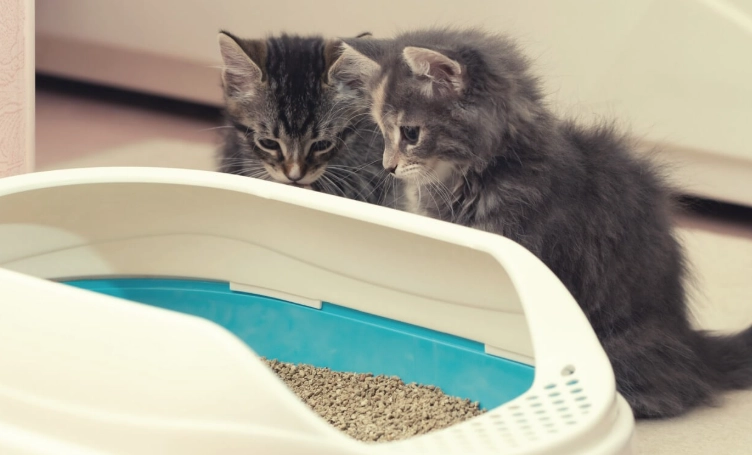
The Natural Instinct: Why Most Cats "Get It" Quickly
Let's start with the good news. Unlike puppies, who need to be taught not to go indoors at all, cats come pre-wired with a desire to eliminate in loose, diggable material and then cover it up. This instinct comes from their wild ancestors hiding their scent from predators and competitors. So when you provide a box with litter, you're essentially speaking their language. For a kitten raised by its mother, the training is often done for you. The mother cat teaches her kittens, and by the time they come home with you (ideally after 12 weeks), they're already looking for a litter-like substrate. Your job is just continuation.
So, for many owners, the process is: set up the box, place the cat in it a few times, especially after meals and naps, and praise them when they use it. Done. This is why the myth of the "self-training" cat exists. It's not really a myth for many; it's biology.
When Litter Box Training Becomes Hard: The Common Culprits
This is where we address the heart of the search "are cats hard to litter box train." People aren't usually searching when things are going well. They're searching because there's a problem. The difficulty almost never stems from stupidity or spite from the cat (despite how it may feel when you find a "present" on your rug). It's a signal. The cat is telling you something is wrong with the bathroom setup or with their health. Here are the top reasons training fails or problems start.
Medical Issues: Rule This Out First
This is non-negotiable. If a previously well-trained cat starts avoiding the box, or a new cat seems unable to learn, your first call must be to the vet. Painful conditions like urinary tract infections (UTIs), bladder stones, constipation, or arthritis (making it hard to get in and out of the box) can cause a cat to associate the litter box with pain. They then look for other, softer places to go. No amount of behavioral training will fix a medical problem. Organizations like the Cornell Feline Health Center provide excellent resources on how these health issues directly impact litter box behavior.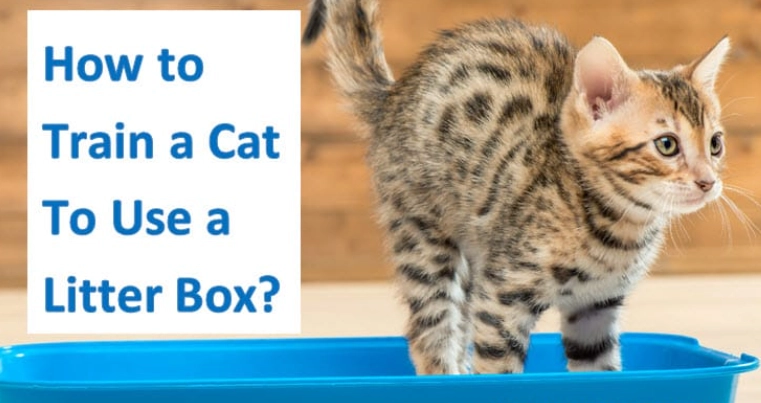
The Litter Box Setup Itself: You Might Be Getting It Wrong
We humans love covered boxes for odor control and aesthetics. Many cats hate them. They trap smells inside (gross for a sensitive nose), are dark, and can be difficult to turn around in. Imagine using a tiny, smelly porta-potty. The location matters too. A box next to a loud washing machine or in a high-traffic hallway is stressful. The general rule is one box per cat, plus one extra, in quiet, accessible locations. And keep it clean! Scooping daily and a full wash weekly is the bare minimum for most cats. A dirty box is a major reason cats find other places to go.
Let's break down the ideal vs. problematic setups. This table sums up the common mistakes that make people think litter box training is hard.
| What Humans Often Do | Why It Can Fail | The Cat-Preferred Alternative |
|---|---|---|
| Use a small, covered box | Feels cramped, traps odor, hard to escape | Large, open, uncovered box (like a concrete mixing tub) |
| Place box in laundry room or basement | Noisy, scary appliances, too isolated | Quiet, low-traffic but not isolated corner (e.g., spare bathroom) |
| Use heavily perfumed litter | Overpowers natural scent, can irritate paws/respiratory system | Unscented, fine-grained clumping litter |
| One box for multiple cats | Creates competition, stress, and territory issues | # of cats + 1, spread around the home |
| Scoop every few days | Box is too dirty to use comfortably | Scoop at least once, ideally twice daily |
The Litter Itself: A Matter of Personal Feline Taste
You might love the smell of "Morning Rain" scented crystals. Your cat likely disagrees. Their sense of smell is far stronger. Sudden changes in litter type can also cause rejection. A cat used to fine, clumping clay may be baffled by large pine pellets or silica crystals. The texture under their paws matters immensely. If you adopted a cat from a shelter, ask what litter they used. Starting with that and then gradually transitioning (if you want) can prevent a major hurdle in litter box training.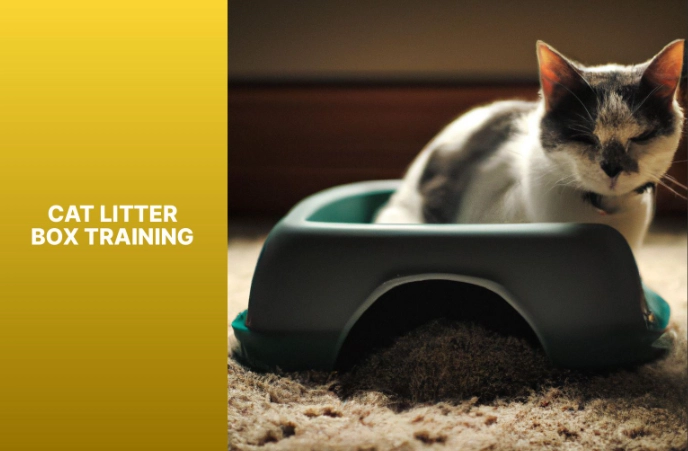
Stress and Anxiety: The Silent Saboteur
Cats are creatures of habit and control. Changes in the household—a new pet, a new baby, construction, a visiting relative—can trigger anxiety that manifests as litter box avoidance. Inter-cat conflict is a huge, often overlooked, factor. A timid cat may be too scared to pass a more dominant cat to reach the only box in the house. This isn't a training failure; it's an environmental stress failure. Resources from the ASPCA detail how stress and social dynamics directly link to litter box problems.
Your Step-by-Step Guide to Successful Litter Box Training
Let's assume you're starting with a new kitten or a cat who needs a fresh start. Here's a no-nonsense, biology-respecting plan. This is how you make litter box training easy, not hard.
Step 1: The Initial Setup & Introduction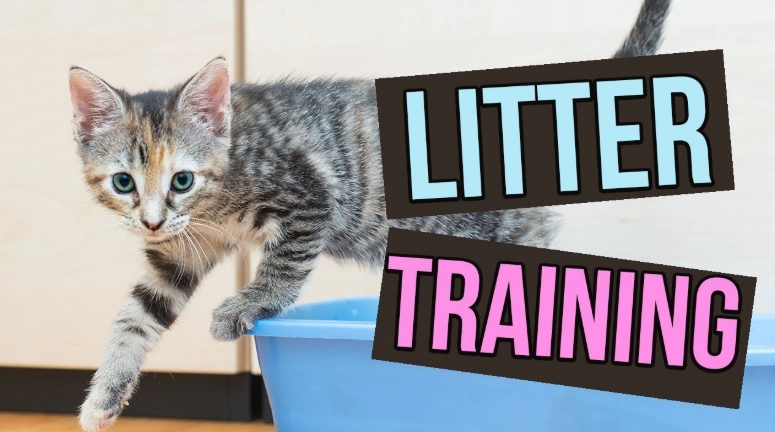
Choose the right equipment based on the table above. Start with an open box. Place it in a quiet, accessible room (like the room you'll initially confine them to for a few days). Fill it with 2-3 inches of unscented, clumping litter. When your cat first arrives home, confine them to this room with their food, water, bed, toys, and the litter box. This small territory helps them find the box easily and feel secure.
After they eat, drink, or wake from a nap, gently place them in the box. You can even take their front paw and make a gentle scratching motion in the litter to trigger that instinct. Don't force them. Just place and let them hop out if they want. The goal is to create the association: "This is the spot."
Step 2: Positive Reinforcement & The Power of Cleanliness
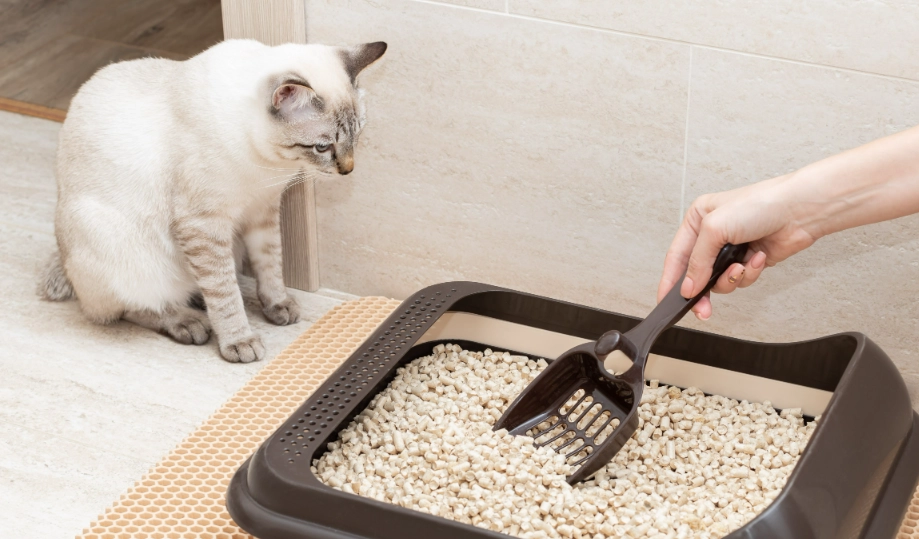
When you see them use the box correctly, offer calm, immediate praise and a tiny treat. Don't make a huge, noisy fuss, as that can startle them. Just a soft "good cat" and a treat does the trick. The real reinforcement, though, is a clean box. Scoop waste immediately when you can. Cats are more likely to return to a clean bathroom.
Never, ever punish a cat for an accident. Rubbing their nose in it, yelling, or showing anger only makes them afraid of you and more likely to eliminate in hidden spots where you won't find it. It solves nothing and creates more problems.
Step 3: Troubleshooting and Problem-Solving
If accidents happen, don't just clean them. You need to eliminate the scent completely with an enzymatic cleaner designed for pet urine (like Nature's Miracle). Standard cleaners leave a trace smell that says "bathroom here" to the cat. After cleaning, ask the detective questions: Is the box clean? Is it in a bad spot? Is the litter new? Is the cat stressed? Is there a medical issue?
For persistent issues, you may need to "retrain" by going back to Step 1: confinement to a small area with the box until consistent use is re-established, then slowly expanding their territory again.
Special Cases: Kittens, Seniors, and Former Strays
Are cats hard to litter box train if they're very young, very old, or have never lived indoors? These groups need slight adjustments.
Kittens: They have tiny bladders and may not make it to a box far away. Provide multiple, very shallow boxes (they can't climb high sides) in the areas they frequent. Praise lavishly for success. Patience is key; they are learning.
Senior Cats: Arthritis is common. Provide low-sided boxes (or cut a low entrance into a higher box) on every floor of the house. Pain management from your vet can be a game-changer.
Former Strays/Ferals: They may not understand litter. Start with dirt or sand. You may need to contain them longer in the initial room to solidify the habit before giving free roam.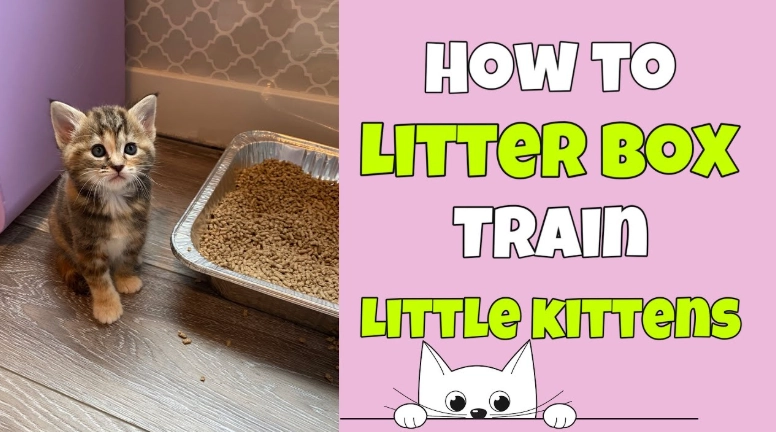
Beyond the Basics: Spraying vs. Litter Box Problems
This is crucial. People often confuse inappropriate elimination (peeing or pooping outside the box) with urine marking (spraying). They are different behaviors with different causes.
- Inappropriate Elimination: The cat squats and leaves a puddle or pile on a horizontal surface (floor, bed, rug). This is usually related to the litter box issues, medical problems, or stress we've discussed. It's a bathroom behavior.
- Spraying/Marking: The cat stands, backs up to a vertical surface (wall, furniture, curtain), tail quivering, and deposits a small amount of pungent urine. This is a communication behavior related to territory, stress, or the presence of other cats (even outdoor ones they see through a window).
Spraying requires different solutions, often involving reducing stressors, using synthetic pheromones (like Feliway), and in some cases, discussing medication with your vet. It's less about litter box training and more about environmental management.
Frequently Asked Questions (The Stuff You're Really Wondering)
How long does it take to litter train a cat?
Most kittens catch on within a few weeks. Adult cats with good habits should understand within a few days of proper introduction. "Problem" cases can take weeks or months of consistent troubleshooting. There's no single timeline, but you should see progress within the first week of a correct setup.
My cat uses the box for pee but poops right next to it. Why?
This is a classic sign of a box that's too dirty (in their opinion), too small, or a litter type they dislike for pooping. It could also be a covered box they find too confining for that activity. Try a larger, open box, scoop more frequently, and ensure it's in a private location.
Can an old cat be litter box trained?
Absolutely. The process is the same. The main considerations are making it physically easy for them (low sides, easy access) and ruling out age-related medical issues like cognitive decline or kidney disease that can cause incontinence.
I've tried everything and nothing works. What now?
First, double-check you've truly ruled out a medical issue with your vet. Second, consider a consultation with a certified cat behavior consultant. They can look at your specific home dynamics and cat personality to find the missing piece. It's an investment, but cheaper than replacing ruined carpets forever.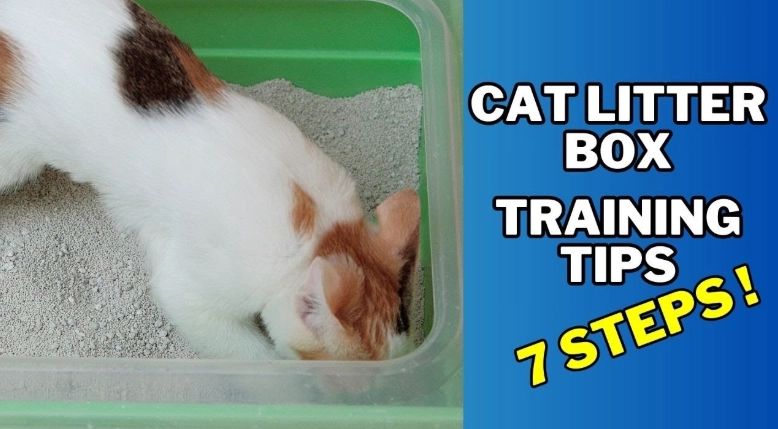
Final Thoughts: Reframing the Question
So, are cats hard to litter box train? The honest take is that the process itself is straightforward and leverages their natural instincts. The hard part is usually us—us not providing the right setup, us not recognizing medical issues, us not seeing the world from their sensitive, territorial perspective. The difficulty lies in the troubleshooting, not the core training.
When you stop thinking of it as "training" in the dog sense and start thinking of it as "providing an acceptable bathroom environment that meets their instinctual needs," the whole thing gets easier. It becomes a partnership. You provide the clean, quiet, appropriately sized box with the right litter in the right place. They provide the instinct to use it. When that partnership breaks down, they're not being naughty. They're sending a clear, albeit messy, message that something is wrong.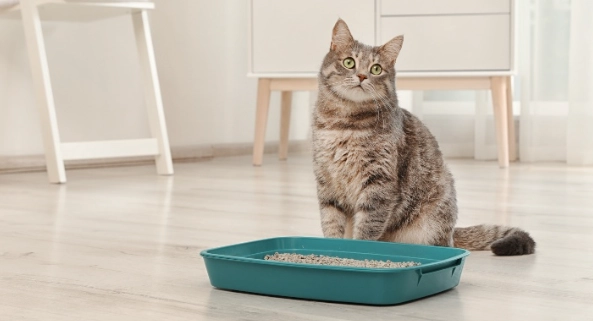
Start with the basics, be a good detective, and be patient. And please, see the vet first if anything changes suddenly. Most of the time, with the right conditions, your cat will prove to you that they are not hard to litter box train at all. They were just waiting for you to get the bathroom specs right.





Join the Conversation