Let's be honest. When you picture a cat, you probably imagine a creature napping in a sunbeam, not doing burpees. But here's the thing we often miss: domestic cats are born athletes. Their wild ancestors spent hours each day hunting, covering miles of territory. Our indoor cats have inherited that same drive and physiology, but we've swapped the savanna for a 700-square-foot apartment. The result? A massive energy surplus with nowhere to go. That's why understanding indoor cat exercise benefits isn't just about "playtime"—it's about fulfilling a fundamental biological need and preventing a cascade of physical and behavioral problems.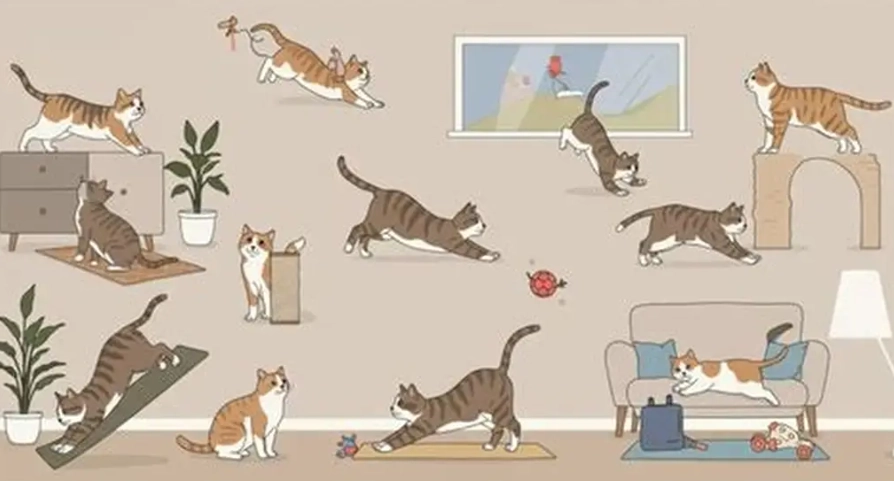
I learned this the hard way with my cat, Toby. A few years ago, he started waking me up at 4 a.m., relentlessly batting things off my nightstand. I thought he was just being a jerk. My vet asked one simple question: "How much are you actively playing with him?" The answer was embarrassingly little. We fixed his schedule with structured play, and the 4 a.m. demolition derby stopped. The difference was night and day. This isn't a niche concern. According to the Association for Pet Obesity Prevention, over 60% of domestic cats are classified as overweight or obese, a direct result of low activity and high-calorie diets. The solution starts with movement.
What's Inside This Guide
The Non-Negotiable: Why Exercise Matters for Indoor Cats
An indoor lifestyle removes natural challenges. There's no need to hunt, patrol, or escape predators. This safety comes at a cost: boredom, pent-up energy, and a body that isn't being used as designed. Think of it like this: you're feeding your cat a high-performance fuel (protein-rich food) but never taking the car out of the garage. Eventually, systems start to fail.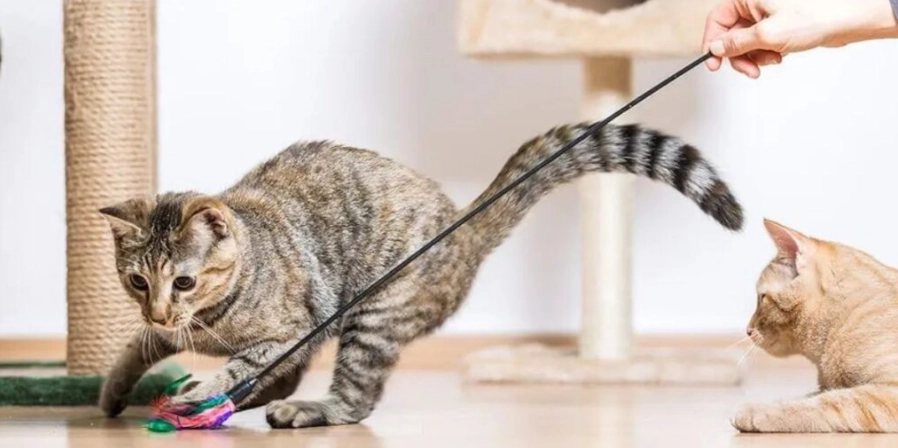
The primary benefit of indoor cat exercise is preventing obesity, which is a gateway disease. It leads to diabetes, arthritis, urinary tract diseases, and a shorter lifespan. But the impact runs deeper. Unspent energy often morphs into what we label as "bad behavior": scratching furniture, aggression, excessive vocalization (those midnight yowls), and inappropriate elimination. Your cat isn't trying to ruin your sofa; they're likely trying to tell you they're bored out of their mind and full of unused energy.
How to Exercise an Indoor Cat: A Practical Guide
Forget the five-minute wiggle of a wand toy before bed. Effective indoor cat exercise requires strategy, variety, and understanding your cat's preferences. Here's a breakdown of actionable methods.
1. Interactive Play: Mimicking the Hunt
This is the cornerstone. Use wand toys (teasers) with feathers, strings, or furry attachments. The goal is to mimic prey: erratic movements, hiding behind corners, letting the cat "catch" and "kill" the toy periodically. End each session with a tangible reward, like a small treat or their regular meal, to complete the predatory cycle. Sessions should be short (10-15 minutes) but intense, ideally twice a day.
A common mistake: Using laser pointers as a primary toy. They're great for triggering the chase instinct, but because the cat can never physically catch the dot, it can lead to frustration and obsessive behavior. If you use one, always finish by shining the dot on a physical toy or treat they can pounce on.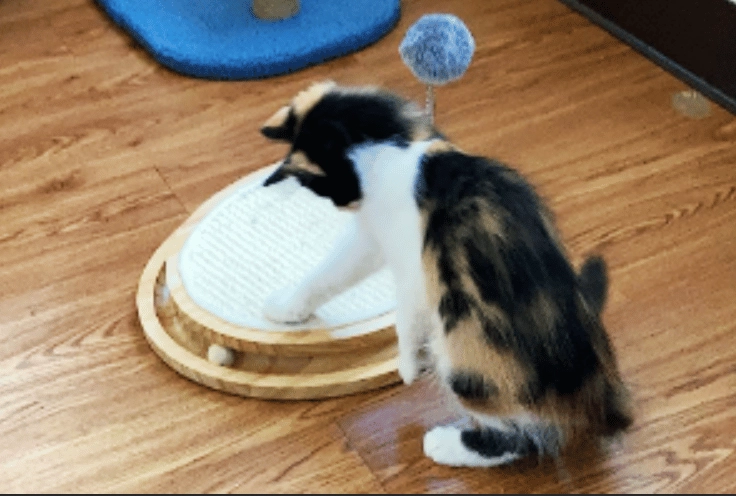
2. Food Puzzles & Foraging
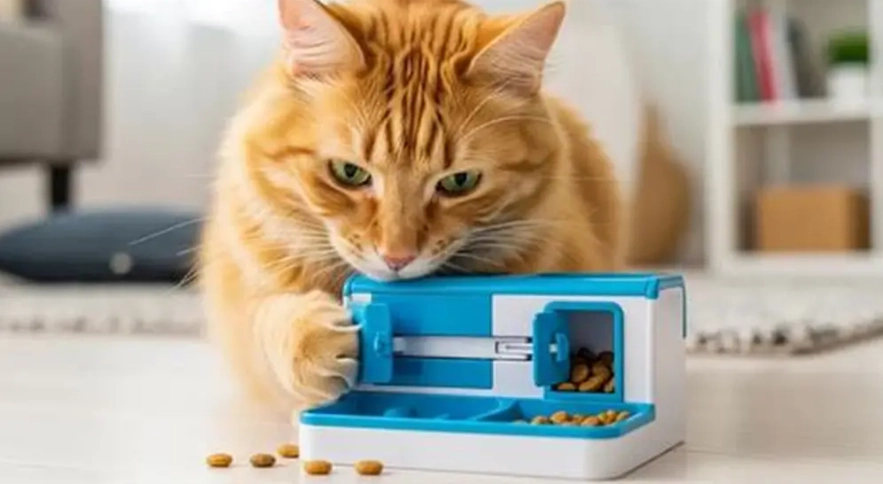
Turn mealtime into a workout. Ditch the food bowl. Use puzzle feeders, snuffle mats, or simply hide small portions of kibble around the house. This forces your cat to use their brain and body to "work" for food, burning calories and providing mental stimulation. Start with easy puzzles and gradually increase difficulty.
3. Environmental Enrichment & DIY Gyms
Create a landscape for activity. This doesn't mean buying the most expensive cat tree (though vertical space is crucial).
- Vertical Territory: Shelves, window perches, cat trees. Cats feel secure up high and will naturally jump between levels.
- Controlled Access: Use baby gates to create "circuits" they have to navigate, or put their favorite bed on one floor and food on another.
- Novelty: Rotate toys weekly. A cardboard box or a paper bag can be more exciting than a toy that's been sitting out for months.
My most successful DIY project was a series of wall-mounted shelves leading to a sunny window perch. Toby uses it as his daily obstacle course, jumping from shelf to shelf multiple times a day. Total cost was less than a fancy automated toy.
4. Clicker Training & Harness Training
Yes, you can train a cat. Clicker training (using a clicker to mark desired behavior followed by a treat) teaches tricks like "sit," "high-five," or coming when called. It's fantastic mental exercise. Harness training for supervised outdoor exploration can provide novel sensory stimulation, but it's a slow, patient process.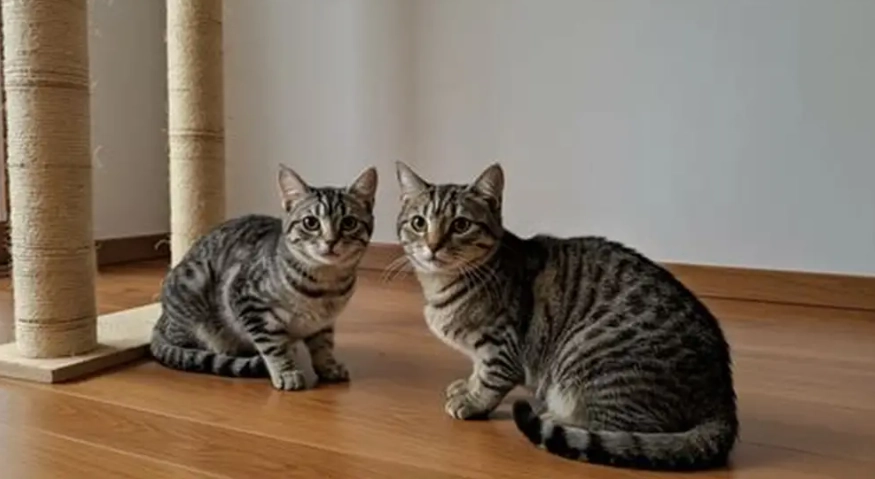
| Activity Type | What It Is | Best For | Time/Effort Required |
|---|---|---|---|
| Interactive Wand Play | You moving a toy mimicking prey | High-energy cats, bonding, weight loss | 10-15 mins, 2x daily |
| Food Puzzles | Puzzles that dispense food or treats | Mental stimulation, slowing fast eaters, solo activity | Set and forget (during meals) |
| Vertical Climbing | Cat trees, shelves, perches | Natural climbing instinct, confidence, territorial needs | Passive (always available) |
| Clicker Training | Teaching tricks with a clicker & treats | Mental exercise, building communication, shy cats | 5-min sessions, a few times a week |
Beyond Weight: The Multilayer Benefits of Cat Exercise
While weight management is the headline, the ripple effects of consistent indoor cat exercise touch every aspect of your cat's wellbeing.
Physical Health: Strengthens muscles and joints, improving mobility and potentially delaying the onset of arthritis. It aids digestion and can reduce the risk of life-threatening conditions like hepatic lipidosis (fatty liver disease) and diabetes. Better circulation promotes healthier skin and coat.
Behavioral Health: This is where I see the most dramatic changes. Regular, vigorous play significantly reduces anxiety-based behaviors. It provides a constructive outlet for natural instincts like scratching and pouncing. A cat that has had a good play session is far less likely to attack your ankles or serenade you at 3 a.m.
Mental & Emotional Health: Boredom is a silent stressor for cats. Exercise and enrichment prevent cognitive decline in senior cats and keep younger cats engaged. It builds confidence, especially in timid cats, by allowing them to succeed in "hunts." The bonding during interactive play also deepens your relationship, reducing stress for both of you.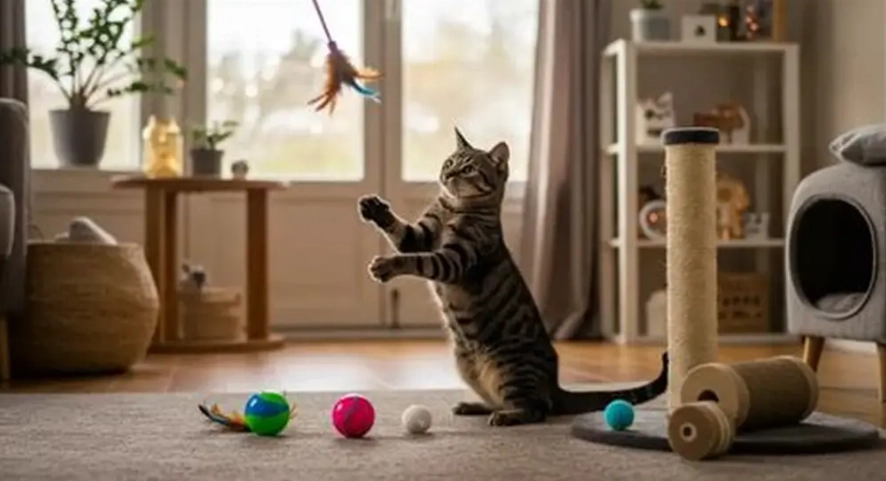
The Bonding Bonus: That 15 minutes of focused play where you're not looking at your phone is pure quality time. You learn your cat's body language, they learn to trust and engage with you. It's more effective than just sitting next to them while they sleep.
Your Indoor Cat Exercise Questions, Answered
 Can exercise really stop my cat from scratching the furniture?
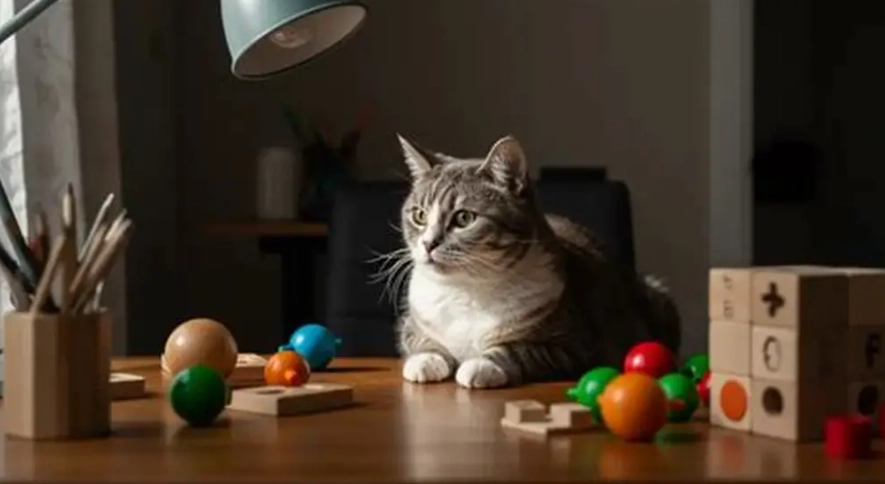 Wrapping this up, viewing indoor cat exercise as a non-negotiable part of care is a mindset shift. It's not an optional extra for when you have time. It's as essential as fresh water and a quality diet. The benefits—a healthier weight, a calmer demeanor, a stronger bond, and potentially fewer vet bills—are profound. Start small. Find one toy your cat shows a flicker of interest in. Schedule five minutes tonight. You're not just playing; you're building a healthier, richer life for your feline family member.



Join the Conversation