Quick Navigation
Let's be honest for a second. Cleaning the bird cage is probably the least glamorous part of being a bird owner. It's not as fun as teaching them to talk or watching them play with a new toy. I remember when I first got my cockatiel, Charlie, I was so focused on the perfect perch and the right food that I kinda treated cage cleaning as an afterthought. A quick wipe here, a change of paper there. Big mistake. I learned the hard way that a clean cage isn't just about aesthetics; it's the absolute foundation of your bird's health. It's non-negotiable. So, if you've been searching for a no-nonsense, step-by-step breakdown of bird cage cleaning, you've landed in the right spot. This isn't about scare tactics; it's about giving you a clear, actionable plan.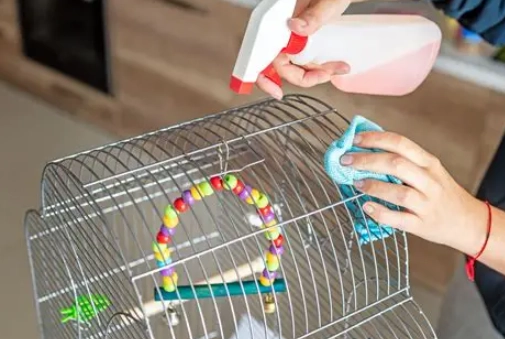
Think of your bird's cage as their entire world. They eat, sleep, play, and poop in that space. Unlike cats or dogs who can move away from their waste, birds are living right in it. A dirty cage is a breeding ground for trouble.
Why Bother? The Real Cost of a Dirty Cage
You might think a little mess is harmless. I did. But skipping proper bird cage cleaning routines can lead to some serious issues, and I'm not talking about a faint odor.
Health Risks You Can't Ignore
Birds have incredibly sensitive respiratory systems. It's their superpower and their Achilles' heel. Dust, dander, ammonia from droppings, and mold from old, damp food can all become airborne. Inhaling this cocktail daily can lead to chronic respiratory infections, sinus problems, and even permanent lung damage. Organizations like the Association of Avian Veterinarians (AAV) consistently stress the link between hygiene and respiratory health in captive birds. It's that important.
Then there's the bacterial and fungal side of things. Salmonella, E. coli, and Aspergillus (a nasty fungus) thrive in dirty, organic matter. Your bird can pick these up from contaminated perches, toys, or the cage floor, leading to illnesses that are expensive to treat and heartbreaking to watch.
Behavior and Well-being
It's not just physical health. A dirty environment stresses birds out. They are intelligent, clean creatures by nature. A cluttered, filthy cage can lead to feather plucking, aggression, anxiety, and a general decline in their zest for life. A clean cage, on the other hand, makes them feel secure and content. You'll notice more singing, more playing, and a brighter demeanor.
So, how do we avoid all this? It's not about one heroic, monthly deep-clean. Effective bird cage cleaning is a layered system.
The Two-Tiered System: Daily Quick-Clean vs. Weekly Deep-Clean
This is the core concept. You have two main jobs: maintenance and overhaul. Mixing them up or skipping one is where problems start.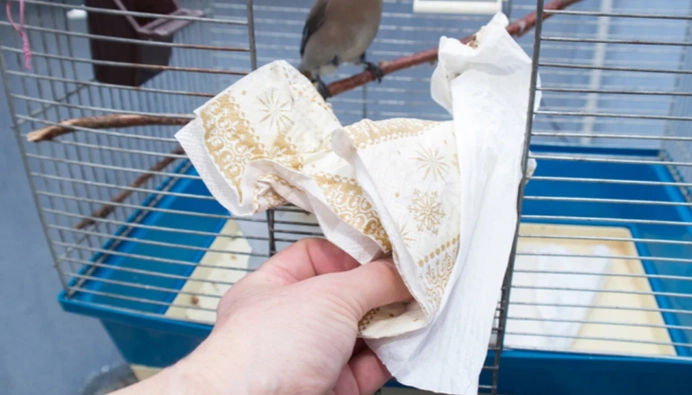
Pro Tip: Do your deep clean on a day and time you can consistently stick to. Sunday mornings work for me. Consistency is key for both you and your bird, as they thrive on routine.
The Daily Bird Cage Cleaning Ritual (5-10 Minutes)
This is all about waste management and freshening up. It should be quick and easy.
- Floor Paper/Substrate: This is job one. Every single day, remove and replace the liner at the bottom of the cage. Whether you use newspaper, paper towels, or corn cob bedding, get the old droppings, seed hulls, and food debris out of there. This alone removes a massive source of bacteria and ammonia fumes overnight. I use plain brown Kraft paper rolls—cheap, effective, and easy to see the droppings on.
- Food and Water Dishes: Don't just top them up! Empty, wash with hot water and a drop of dish soap (rinse incredibly thoroughly!), and refill with fresh food and water. Old food gets soggy and grows mold fast. Scrub off any dried-on gunk.
- Spot Clean Perches and Toys: Give perches a quick wipe with a damp cloth if they're visibly soiled. Check toys for major debris.
- Quick Visual Scan: Look for any obvious hazards or unusually messy areas that need attention.
That's it. Do this daily, and you've already won half the battle for your bird's health.
The Weekly Deep Cleaning Routine (30-60 Minutes)
This is where you reset the entire environment. You'll need a "bird-safe zone" for your feathered friend during this process—a small play stand or even a closed bathroom (with the toilet lid down and no chemicals out) works.
- Empty Everything: Remove all perches, toys, dishes, and the bottom grate. Take the cage to an easy-to-clean area like a bathtub, shower, or outdoors.
- Pre-Clean & Dry Scrape: Get rid of the big stuff. Dump substrate, shake out loose feathers and seed hulls. Use a putty knife or a dedicated plastic scraper to get dried-on droppings off perches, bars, and corners. This makes the next steps much easier.
- The Wash: Here's where people get confused about products. You need to clean *and* disinfect. Cleaning removes dirt; disinfecting kills germs. Do them in that order.
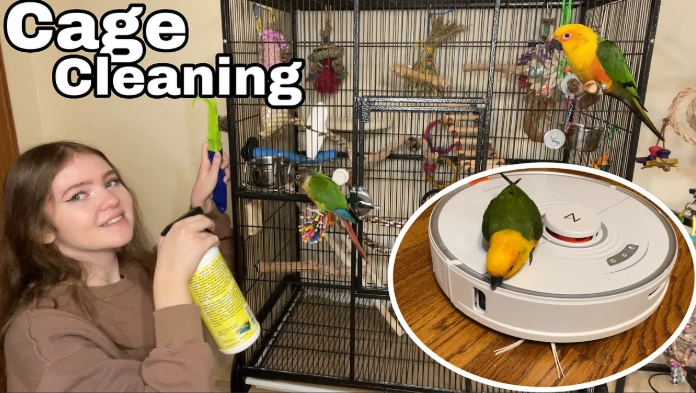
Warning: Never, ever use standard household cleaners like bleach, ammonia, phenols, or aerosol sprays around your bird unless you are following an extremely precise and well-rinsed disinfecting protocol. Their fumes can be lethal. When in doubt, stick to bird-safe products or simple vinegar solutions.
Choosing Your Cleaning Agents: A Quick Comparison
| Cleaning Agent | Best For | How to Use | My Personal Take |
|---|---|---|---|
| White Vinegar & Water (1:1) | General cleaning, mineral deposit removal, mild disinfecting. | Spray on, let sit 10-15 mins, scrub, rinse thoroughly. Smell dissipates. | My go-to for weekly washes. Cheap, effective, and safe. The smell doesn't bother me or Charlie once it's rinsed. |
| Commercial Bird Cage Cleaner (e.g., Poop-Off, Nature's Miracle) | Breaking down stubborn dried droppings. | Follow label instructions. Usually spray, wait, wipe. Rinsing is often still recommended. | Great for tough jobs. A bit pricier, but a good investment for periodic deep cleans. Check labels for safety. |
| Mild Dish Soap & Hot Water | Initial grease and grime removal before disinfecting. | Use a tiny amount, scrub well, rinse EXTREMELY thoroughly until no suds remain. | Perfect for food dishes and heavily soiled toys. Rinsing is the critical step here. |
| Veterinary Disinfectant (e.g., F10 SC, Rescue) | Medical-grade disinfection after illness or as periodic deep treatment. | Dilute precisely as directed. Apply, allow required contact time, rinse thoroughly (if required by product). | This is the heavy artillery. I keep a bottle of F10 for occasional use or if someone's been sick. Not for weekly use. |
- Scrub-a-Dub-Dub: Using your chosen cleaner, scrub every inch of the cage. Get into the corners, the bar joints, the ceiling. Use a dedicated brush for cages. Scrub all removable items separately in a bucket or sink.
- The Great Rinse: This might be the most important step. Residue is your enemy. Rinse the cage and all parts with clean water multiple times. A showerhead or hose works best. If you used soap, rinse until you see zero bubbles.
- Dry Completely: Water left standing can rust the cage and encourage mold. Wipe down with old towels and let the cage air-dry in the sun if possible. Sunlight is a great natural disinfectant.
- Reassemble: Once everything is bone-dry, put in fresh substrate, clean liners, and return the clean perches and toys. I like to rotate toys weekly to keep things interesting for Charlie.
And there you have it. A truly deep clean. Doing this weekly might seem like a lot, but it becomes routine fast, and the peace of mind is worth it.
Tackling the Nitty-Gritty: Perches, Toys, and Accessories
These items need special attention because they're in constant contact with your bird.
- Natural Wood Perches: These are porous. Scrape off debris, scrub with vinegar solution, rinse well, and ensure they dry completely to prevent rot. You can briefly bake them at a low temp (200°F) to dry and sanitize, but watch for scorching.
- Rope/Cloth Toys: These are bacteria magnets. Check daily for fraying (safety first!). They can often be thrown in a mesh laundry bag and washed on a gentle cycle with unscented detergent, then air-dried. If they get soiled beyond cleaning, toss them. It's cheaper than a vet bill.
- Plastic/Acrylic Toys: Easy. Soak, scrub, rinse, dry.
- Food & Water Dishes: I can't stress this enough: daily washing. Use a bottle brush for narrow water bottle tubes. Stainless steel is best as it's non-porous and dishwasher-safe.
Your Bird Cage Cleaning Toolkit Checklist
You don't need fancy gadgets. Here's what I actually use:
- A dedicated bucket or tub
- A set of scrub brushes (one for the cage, a smaller one for dishes)
- A plastic scraper/putty knife
- Spray bottles for vinegar solution
- Microfiber cloths or old towels
- Bird-safe cleaning solution of your choice
- Plenty of fresh substrate/lining
- Rubber gloves (to protect your hands)
Answers to the Questions You're Actually Asking
Let's cut through the noise. Here are the real questions bird owners have about bird cage cleaning.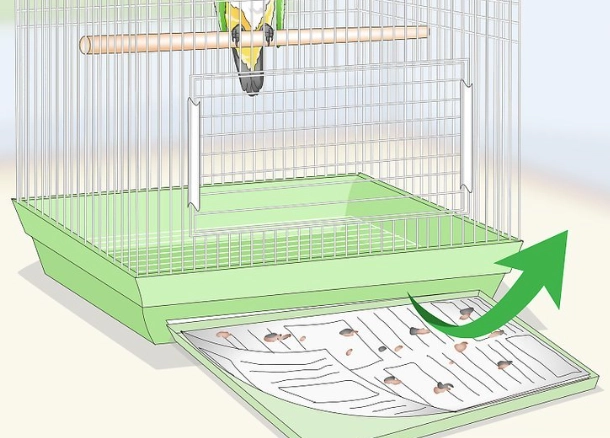
Final Thoughts: It's a Labor of Love
Look, nobody loves scrubbing poop. I don't. Some Sundays, I really dread the bird cage cleaning session. But then I see Charlie hop back into his sparkling clean home, fluff up contentedly, and start chirping, and it clicks. This mundane chore is one of the most direct ways I have to show him I care, to give him a long, healthy life.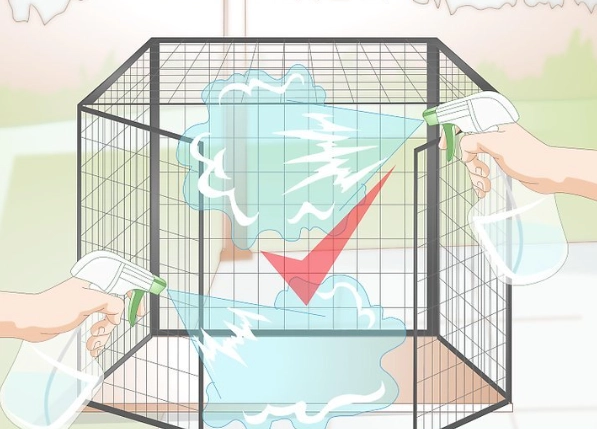
It's not about perfection. It's about consistency. Set up your system, gather your tools, and make it part of your routine. Your bird will breathe easier, you'll worry less, and that cage will truly become a safe haven, not just a container. And honestly, a clean cage just makes the whole room feel better, doesn't it?
Start with the daily paper change tonight. You've got this.

Join the Conversation