So you're bringing home a tiny ball of fur. The excitement is real. I remember my first kitten, a little tabby named Mochi. I made every mistake in the book. I gave her a giant litter box she couldn't climb into, fed her adult cat food, and wondered why she was always hiding. It took some hard lessons to get it right.
That's why this guide exists. Forget the fluffy, generic advice. We're going deep on the specific, actionable do's and don'ts that separate a thriving kitten from one that develops problems later. This is the stuff I wish I'd known.
What's Inside This Guide
Your Kitten Prep Checklist: What to Buy Before Day One
Walking into a pet store unprepared is overwhelming. Let's break down what you actually need, and what's just marketing.
| Item | Specifics & Why It Matters | Pro Tip / Common Pitfall |
|---|---|---|
| Litter Box & Litter | Do: Get TWO low-sided boxes (easy entry). Use unscented, clumping clay litter. Don't: Start with a top-entry or high-sided box. | Kittens have tiny bladders. Two boxes drastically reduce accidents. Scented litter can deter them from using it. |
| Food & Water Bowls | Do: Use wide, shallow ceramic or stainless steel bowls. Don't: Use deep bowls or plastic (can cause chin acne). | Whisker fatigue is real. Deep bowls press on their sensitive whiskers, making mealtime stressful. |
| Kitten Food | Do: Buy high-quality wet and dry food labeled for "kittens" or "growth." Don't: Buy generic "cat" food or assume any brand is fine. | Kittens need more protein and specific nutrients like DHA for brain development. The WSAVA guidelines are a good resource for selecting brands. |
| Scratching Posts | Do: Get at least one sturdy, tall post (sisal rope is best) and one horizontal cardboard scratcher. Don't: Get a wobbly, short post. | Place the post near where they sleep (they love to stretch and scratch after naps). If it wobbles, they'll never use it. |
| Toys | Do: A wand toy (teaser), small balls, and kicker toys. Don't: Only use your hands as toys. | Wand toys let you play without getting scratched. Kicker toys satisfy their instinct to bunny-kick prey. |
| Carrier | Do: Buy a hard-sided carrier that opens from the top and front. Don't: Use a cardboard box or a bag for vet trips. | Leave the carrier out with a soft blanket inside. Make it a safe nap spot, not just a scary travel box. |
See that carrier tip? That's a game-changer. A carrier that's always out and cozy means vet trips start with less panic.
The First 48 Hours: Setting the Right Tone
This period is about confidence, not cuddles on your timeline.
DO confine them to one room. A bathroom or small bedroom is perfect. Set up their food, water, litter box (far from food), and bed there. This small, safe basecamp lets them learn the essentials without being overwhelmed by a whole house.
DON'T let them roam free or force introductions. Don't just open the carrier in the living room. Don't immediately introduce them to the dog, the kids, or every family member. This floods them with stress.
Let them come to you. Sit on the floor in their room and read a book or play on your phone. Ignore them. Let their curiosity win. That first head bump or tentative play with a wand toy is a huge win.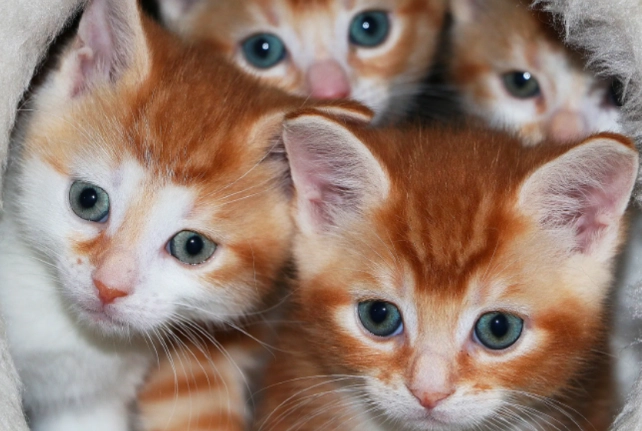
I forced Mochi to sit on my lap on day one. She tolerated it, but it set back our trust by a week. Let them set the pace.
Feeding & Health: The Foundation of Growth
Nutrition: It's Not Just About the Bowl
Kittens need to eat a lot – think 3-4 small meals a day. Free-feeding dry food is common, but it has downsides. It can lead to picky eating and obesity later.
My non-consensus take: Use scheduled wet food meals as the cornerstone. It ensures hydration (critical for urinary health), allows you to monitor appetite (a key health indicator), and creates positive routine. Leave a small measured amount of high-quality dry kitten food out for grazing if you're worried about them getting hungry.
Vet Care: The Non-Negotiables
Schedule a vet visit within the first week. This isn't just for shots.
- Do get a full health check. The vet will check for parasites, heart murmurs, and overall condition.
- Do discuss a vaccination schedule (typically for FVRCP and rabies) and parasite prevention (fleas, ticks, worms).
- Do schedule spay/neuter. Early-age spay/neuter (around 8-16 weeks) is safe and prevents a host of problems. Don't wait for the first heat.
- Don't skip this because your kitten "seems fine." Hidden issues like congenital problems or worms are common.
Behavior & Training: Shaping a Great Cat
Kittens aren't born knowing our rules. We have to teach them.
Litter Box 101
Most kittens get it instinctively. If there's an accident, don't scold or rub their nose in it. That creates fear and confusion.
Do: Clean the accident thoroughly with an enzymatic cleaner (like Nature's Miracle) to remove the scent. If it keeps happening, ask: Is the box clean? Is it in a noisy location? Did you change the litter type? Is there a medical issue? Rule those out first.
Scratching: Redirect, Don't Declaw
Declawing is amputation. It's banned in many places and causes long-term physical and behavioral problems. Just don't.
Do: When they scratch the couch, calmly pick them up and place them on the scratching post. Gently move their paws in a scratching motion on the post. Praise them when they use it. Use double-sided tape on furniture corners as a temporary deterrent.
Biting and Play Aggression
This is the biggest behavior complaint. Your hands are not toys. Ever.
DO use a "ouch and redirect" system. If teeth or claws touch skin, immediately let your hand go limp, say "OUCH!" in a high-pitched voice (like a sibling would), and stop playing. Then, offer a kicker toy or wand. This teaches that biting skin ends fun, but toys are the target.
DON'T yell, hit, or "play fight" with your hands. This teaches them your hands are prey to be conquered. It's confusing and scary.
Critical Safety Don'ts You Can't Ignore
Kittens are fearless and curious. It's a dangerous combo.
- Don't leave windows open without secure screens. "Screen popping" is a leading cause of serious injury.
- Don't let them play with string, yarn, or hair ties unsupervised. If swallowed, it can cause a linear foreign body, a life-threatening intestinal blockage. I know a cat who needed $5,000 surgery after eating a ribbon.
- Don't have toxic plants like lilies, poinsettias, or sago palm within reach. Lilies are especially deadly—even the pollen can cause kidney failure.
- Don't assume human food is safe. Onions, garlic, chocolate, xylitol (in sugar-free gum), and grapes/raisins are toxic.
- Do kitten-proof like you would for a toddler. Get on the floor and look for dangling cords, small objects they could swallow, and cozy hiding spots inside appliances (always check the dryer before turning it on).
It sounds like a lot. But after the first month, these habits become second nature. You're building a relationship that will last 15-20 years. A little effort now pays off in a confident, healthy, well-adjusted cat.


Join the Conversation