Let's be honest. Getting an indoor cat to lose weight feels like negotiating with a tiny, furry CEO who has veto power over all your plans. You buy the fancy laser pointer, you wave the feather wand... and they watch you from the couch with mild disdain. The truth is, indoor cat exercise for weight loss isn't just about forcing activity; it's about strategic play that taps into their natural instincts. If you only focus on moving their body without engaging their brain, you'll fail. The key is combining calorie-burning movement with mental enrichment. I've seen too many cat owners burn out because their "exercise routine" was boring—for both them and the cat. It doesn't have to be that way.
Your Quick Guide to a Slimmer Cat
Why Indoor Cats Pack on Pounds
It's not laziness. It's biology in a boring environment. In the wild, cats are obligate carnivores who eat multiple small meals (mice, birds) and "work" for every calorie through stalking, chasing, and pouncing. Your living room offers none of that. The food bowl is a constant, effortless buffet. Without environmental triggers to hunt, their energy expenditure plummets. Boredom itself can lead to overeating. A study published by the Association for Pet Obesity Prevention consistently shows over 60% of domestic cats are overweight or obese. The indoor lifestyle, while safer, has completely broken their natural activity cycle.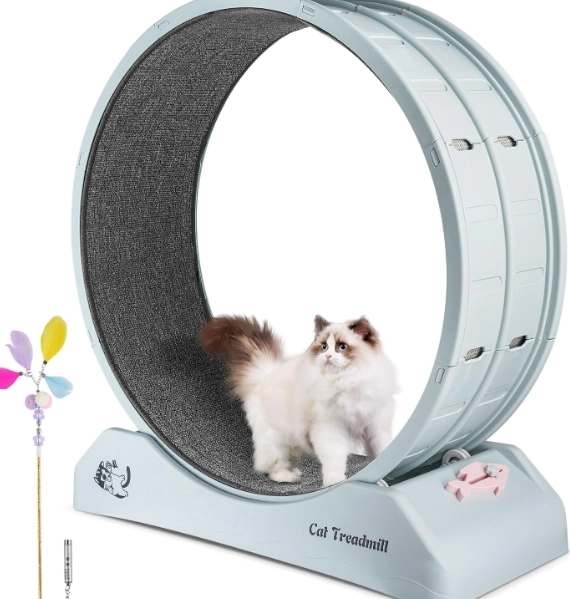
Check Your Cat's Weight First
Before you start any indoor cat weight loss plan, know your starting point. Vets use a Body Condition Score (BCS) on a scale of 1-9. You can do a basic check at home.
Your vet is your best partner here. They can rule out medical issues like hypothyroidism and give you a precise target weight. Don't guess.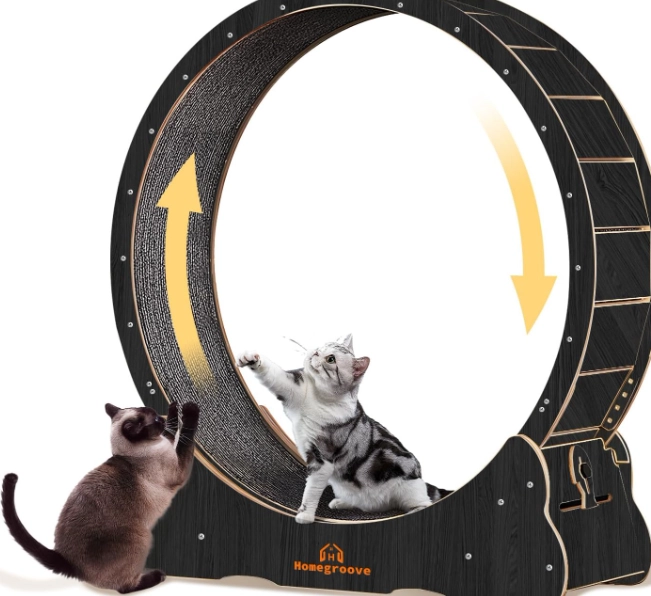
The 3 Core Exercise Principles
Forget "10 minutes a day." It's about quality, not just a timer. These principles changed how I approach cat exercise.
1. Mimic the Hunt Sequence
Every play session should follow the natural predatory sequence: Search → Stalk → Chase → Pounce → Kill → Eat/Groom. Most people jump straight to "chase," which is less satisfying. Start with slow, erratic movements (like a scurrying mouse), let them stalk, then initiate the chase. Crucially, end with a "kill"—letting them bite and grab the toy—and then immediately offer a small meal. This completes the cycle and provides deep mental satisfaction.
2. Short, Frequent Bursts Are King
Cats are sprinters, not marathon runners. Two or three 5-10 minute intense play sessions are far better than one 30-minute mediocre one. Their energy comes in short, explosive bursts. Match that rhythm.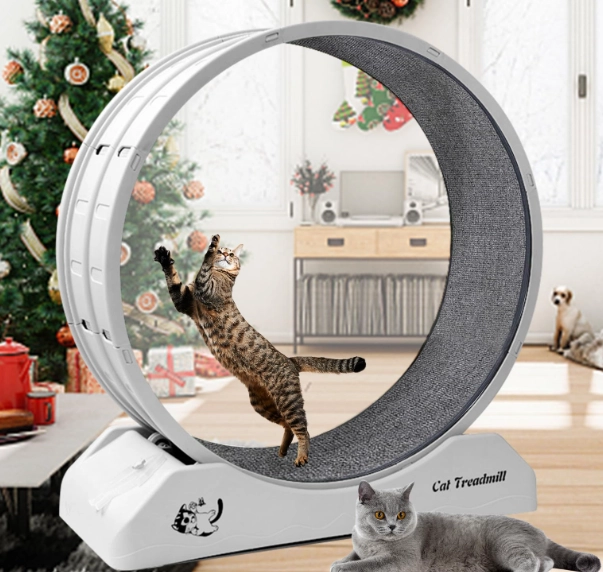
3. Let Them "Win"
If your cat never catches the toy, they get frustrated and quit. It's demoralizing. Ensure they successfully pounce on and "capture" the toy at least a few times each session. This builds confidence and makes them want to play again.
Top Indoor Cat Exercise Ideas
Here’s a breakdown of effective methods, from interactive to solo play.
| Exercise Type | How-To & Examples | Calorie Burn & Skills | Pro Tip |
|---|---|---|---|
| Interactive Wand Toys | Feather wands, flirt poles. Move like prey: under rugs, over chairs, pause hiding. | High. Engages stalking, jumping, sprinting. | Drag it away from them, not over their head. Prey runs away, it doesn't fly. |
| Fetch & Rolling Toys | Small, lightweight balls, crinkle toys. Some cats naturally fetch. | Moderate-High. Adds retrieving, problem-solving. | Use toys that fit in their mouth. Praise heavily when they bring it back. |
| Food Puzzles & Dispensers | Puzzle feeders, snuffle mats, rolling treat balls. | Low-Moderate. Mental workout, slows eating. | Start with easy puzzles. Use part of their daily kibble, not extra treats. |
| Vertical Climbing & Exploration | Cat trees, wall shelves, perches by windows. | Low. Encourages climbing, changes perspective. | Place shelves leading to a high-value spot (like a sunny perch). |
| Clicker Training | Teaching tricks: high-five, spin, jump through a hoop. | Moderate. Mental focus, controlled movement. | Keep sessions under 3 minutes. Use their regular food as rewards. |
The wand toy is your MVP. But the most overlooked tool? Cardboard boxes and paper bags (handles removed). They provide hiding spots for ambush play, which is pure indoor cat enrichment. Rotate toys weekly to prevent boredom. Store most out of sight and bring out a "new" set to keep things fresh.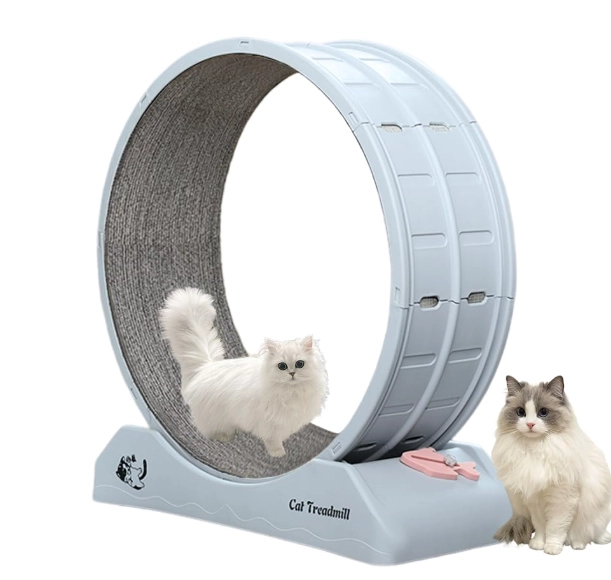
You Can't Out-Exercise a Bad Diet
This is the hardest pill to swallow. Exercise alone won't cut it. Weight loss is about calories in vs. calories out. If you're free-feeding dry food, you're fighting a losing battle. Dry food is calorie-dense and often high in carbs. Talk to your vet about switching to a measured diet of wet food, which is higher in protein and water, and more satiating. Use a kitchen scale to measure portions—cups are inaccurate. The American Animal Hospital Association (AAHA) guidelines emphasize nutritional counseling as a core part of weight management. Exercise builds muscle and burns calories, but diet controls the scale.
Case Study: Milo's 6-Month Turnaround
Milo, a 7-year-old neutered male domestic shorthair, weighed 16 lbs. His target was 12 lbs. His owner, Sarah, was overwhelmed. Here's what worked.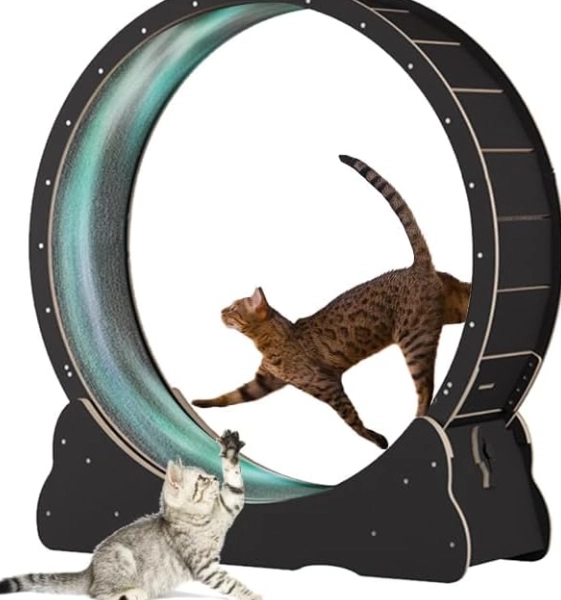
Weeks 1-2: Vet visit. Switched to portion-controlled wet food (3 small meals). Introduced a 7-minute morning wand play session before breakfast, strictly following the hunt sequence. Milo was uninterested at first.
Weeks 3-8: Found Milo's trigger—a toy with crinkly material. Added an evening "hunt" session ending with his dinner in a puzzle ball. Started hiding small portions of kibble around the apartment for him to "forage." Weight loss: 0.5 lbs.
Months 3-6: Added a simple wall shelf pathway to his favorite window. Introduced clicker training for 2 minutes, 3 times a week (teaching "spin"). Consistency was key, even on busy days. Sarah learned to read his mood—some days just 5 minutes of play, others 10. Final weight: 11.8 lbs. The biggest change? His posture and energy. He initiated play.
The lesson: Start slow, find the motivator, and integrate activity into daily routines, not as a separate chore.
Common Mistakes That Sabotage Progress
I've made some of these myself.
- Playing Until *You're* Bored: You stop when the cat is just getting warmed up. Watch for dilated pupils, twitching tail, ears forward. Stop at the peak of interest, leaving them wanting more.
- Using Hands as Toys: This teaches biting is okay and can lead to aggression. Always use an intermediary toy.
- Ignoring the Post-Meal Zone: The 20 minutes after a meal is prime hunting time in nature. That's your golden window for the most energetic play.
- Expecting Immediate Passion: An overweight, sedentary cat won't leap into action day one. It's a gradual rebuild of fitness and interest. Celebrate small victories.
Your Burning Questions Answered
The journey of indoor cat exercise for weight loss is a marathon. Some days will be great, others a flop. The goal isn't a perfect routine, but a more engaged, healthier cat. Pay attention to what makes your cat's eyes light up—that's your guide. Start tonight. Drag a string. Hide a treat. See what happens.



Join the Conversation