In This Guide
- What's Wrong With the Classic Seed-Only Diet?
- The Core of a Modern Parrot Diet Guide: Pellets
- The Fresh Stuff: Veggies, Greens, and Fruits
- The Absolute No-Go List: Toxic Foods
- Putting It All Together: A Sample Daily Feeding Schedule
- Special Considerations: Chicks, Seniors, and Specific Species
- Common Questions (The Stuff You Actually Search For)
Let's be honest, figuring out what to feed your parrot can feel overwhelming. You walk into a pet store, see walls of seed mixes, colorful pellets, and bags of treats, and suddenly you're second-guessing everything. I've been there. When I first brought home my African Grey, Charlie, I thought a premium seed mix was the height of avian luxury. Turns out, I was setting him up for health problems down the line. It's a common story.
The truth is, a proper parrot diet guide isn't about finding one magic food. It's about balance, variety, and understanding what's truly nutritious versus what's just bird junk food. This confusion is why so many parrots end up with diet-related issues like fatty liver disease, vitamin deficiencies, and obesity. It's not usually the owner's fault—there's just a lot of conflicting advice out there.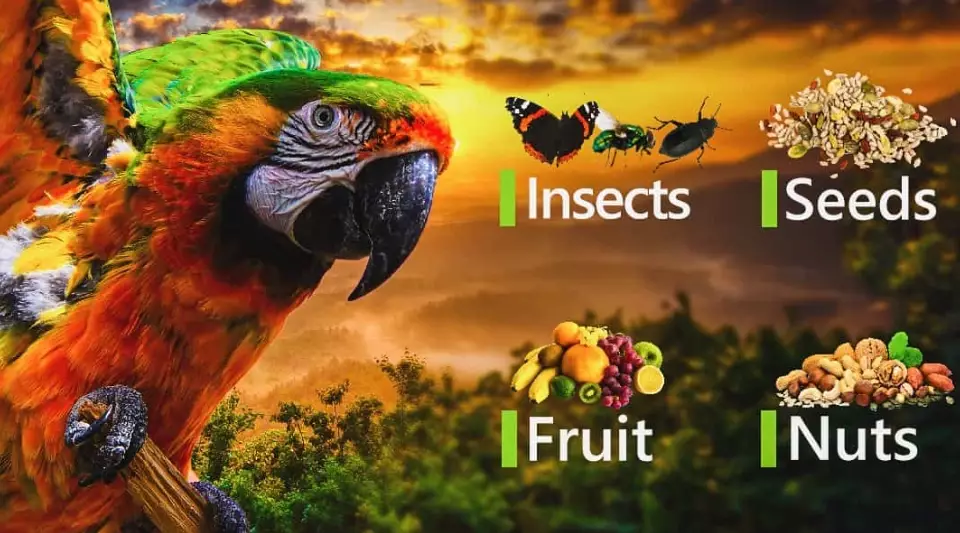
So, let's cut through the noise. This isn't a lecture; think of it as a chat from one bird lover to another. We'll walk through the core components of a healthy diet, the stuff you should run from, and how to actually make it work in your daily routine. Forget complex percentages for a minute. Let's talk real food.
The Golden Rule: No single food item is complete. A healthy parrot diet is always a combination of high-quality staples, fresh additions, and the right supplements (which often come from the food itself).
What's Wrong With the Classic Seed-Only Diet?
This is the biggest myth we need to bust. Seeds are like potato chips for parrots. They're high in fat, low in essential nutrients like vitamin A and calcium, and incredibly tasty. A parrot on a seed-only diet will selectively eat its favorite, fattiest seeds (like sunflower and safflower) and leave the rest, missing out on any nutritional variety the mix might have promised.
I learned this the hard way. Charlie became a seed junkie. He'd pick out all the sunflower seeds, puff up contentedly, and ignore the pellets and veggies I offered. His feathers lost some sheen, and he was less active. My vet called it a “high-fat, low-nutrient” diet. It's a direct path to health issues.
Seeds aren't evil. They have a place as a small part of the diet or as training treats. But as the main course? It's a nutritional dead end. Organizations like the Association of Avian Veterinarians (AAV) consistently warn against seed-based diets as the primary food source.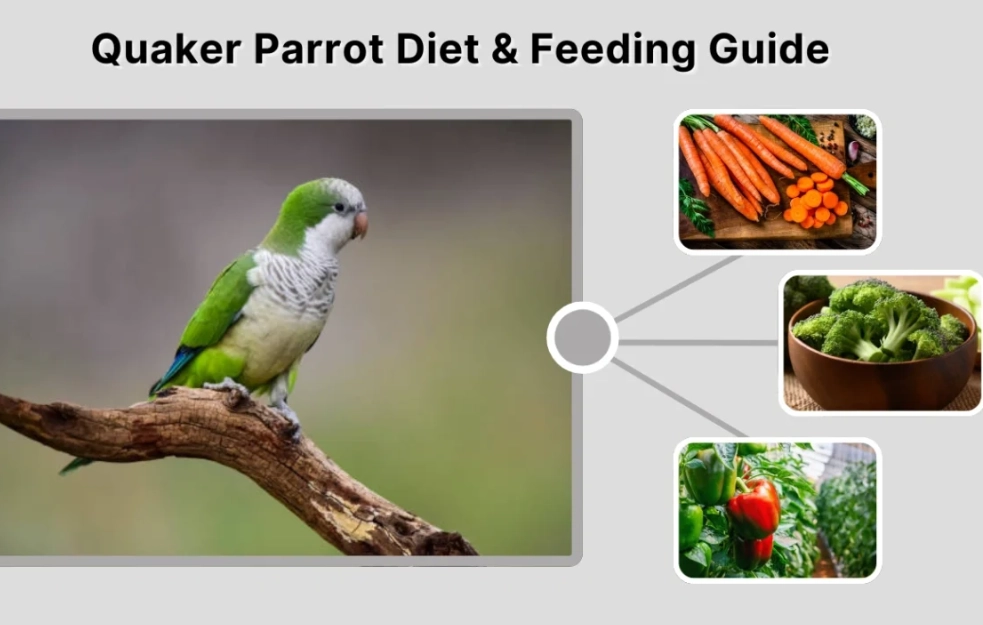
The Core of a Modern Parrot Diet Guide: Pellets
Think of high-quality, formulated pellets as a daily multivitamin that's also food. They're designed by avian nutritionists to be nutritionally complete, providing a balanced base of vitamins, minerals, amino acids, and other essentials in every bite.
Not all pellets are created equal, though. Some are full of artificial colors and sugars (which, frankly, I avoid). Look for brands that use natural ingredients, have a good reputation among breeders and vets, and offer different sizes for different birds. Harrison's, Roudybush, and TOP's are often cited as top-tier choices. Do your own research, but lean towards pellets that list whole foods and aren't just corn and dye.
Pellets should make up about 50-70% of your parrot's daily intake. This is the foundation. It ensures that even if your bird is a picky eater with its fresh foods, it's still getting its core nutritional needs met.
How to Choose a Good Pellet
Check the ingredients. The first few items should be recognizable foods—grains, vegetables, legumes. Be wary of long lists of chemical names and artificial colors. The Lafeber Company, while a pellet manufacturer itself, has educational resources that explain the science behind formulated diets, which can help you understand what to look for.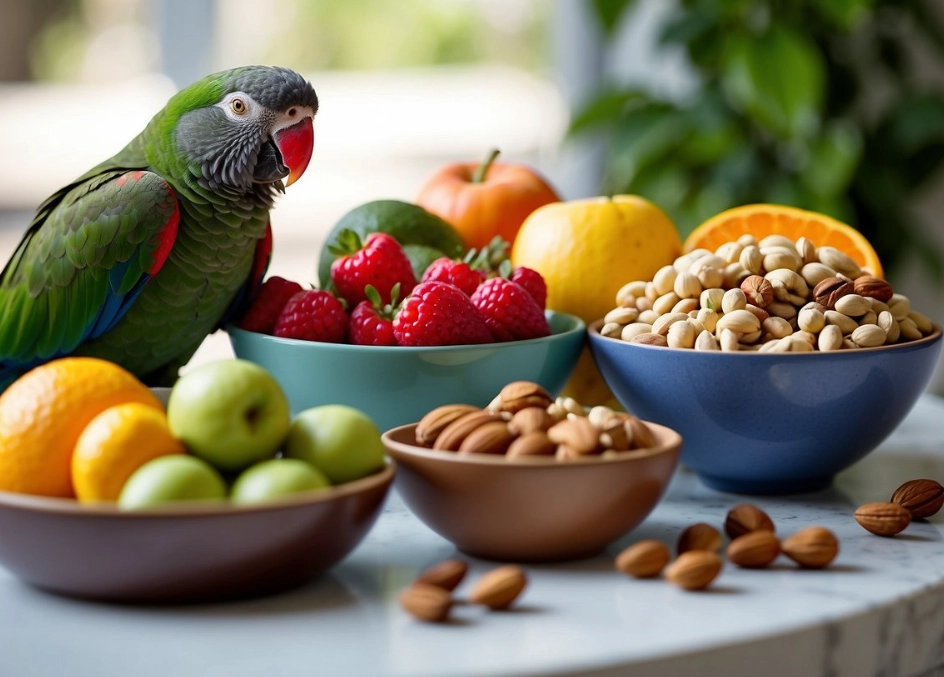
A quick personal tip: Switching a seed-addicted bird to pellets requires patience, not force. I started by mixing a few pellets into Charlie's seed, then slowly over weeks increased the pellet ratio while decreasing the seeds. Some people use methods like moistening pellets or offering them in foraging toys. It took a solid two months, but it was worth it.
The Fresh Stuff: Veggies, Greens, and Fruits
This is where you can have fun and your parrot gets to explore. Fresh foods provide enzymes, phytonutrients, and variety that pellets alone can't offer. They're also great for mental stimulation.
Aim for a colorful plate. Dark, leafy greens are powerhouses (kale, Swiss chard, dandelion greens). Orange and red veggies are packed with vitamin A (sweet potato, carrots, red peppers—cooked sweet potato is a huge hit). Cruciferous veggies are great in moderation (broccoli, cauliflower). Offer them raw, steamed, or baked (without oils or seasonings).
Fruits are the dessert. They're high in natural sugars, so they should be a smaller part of the fresh food offering—maybe 10-20% of the fresh portion. Berries, apple (no seeds!), melon, and papaya are fantastic.
Wash Everything Thoroughly. Pesticides on produce are a real risk for small birds. I wash all veggies in a vinegar-water solution, and for high-risk items, I'll peel them (like cucumbers) or buy organic when possible.
Here's a quick-reference table I wish I had when I started. It breaks down the fresh food categories and how often to offer them.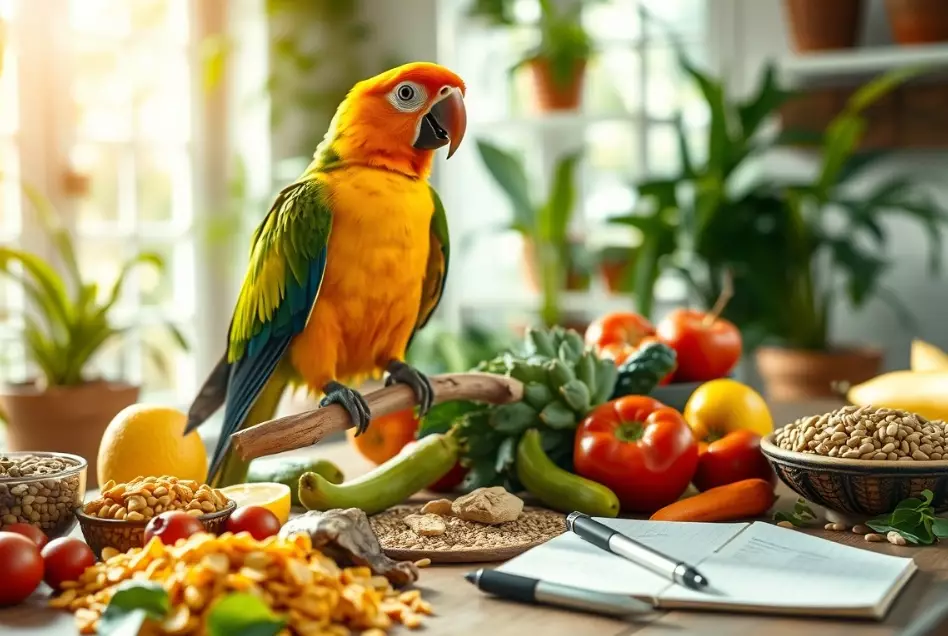
| Food Category | Examples | Frequency & Notes |
|---|---|---|
| Daily Greens & Veggies (High Priority) | Kale, Swiss chard, collard greens, carrot tops, bell peppers (all colors), zucchini, cooked sweet potato, sprouted seeds/legumes. | Offer daily. The cornerstone of the fresh food diet. Chop finely or offer in large pieces for shredding. |
| Weekly Veggies (Great Variety) | Broccoli, cauliflower, green beans, peas, corn (on the cob is fun!), cucumber, cooked pumpkin, beetroot. | Offer a few times a week. Rotate for variety and interest. |
| Healthy Fruits (Treat-Sized Portions) | Blueberries, raspberries, pomegranate arils, apple (core removed), mango, papaya, melon. | Offer 2-3 times per week. Small amounts due to sugar content. |
| Occasional Treats | Unsalted nuts (almond, walnut piece), whole grain bread/pasta (cooked), hard-boiled egg (occasionally, great for protein). | Once a week or less. For training or foraging enrichment. |
The Absolute No-Go List: Toxic Foods
This is the non-negotiable part of any responsible parrot diet guide. Some common human foods are poisonous to parrots. You must know these.
Avocado is public enemy number one. It contains persin, which causes rapid heart failure in birds. Chocolate and caffeine are also deadly, affecting the nervous system. Onions and garlic can cause anemia by destroying red blood cells.
Fruit pits and apple seeds contain cyanide. While a single seed might not be lethal, it's a risk not worth taking. Alcohol, obviously, is a no. Also, avoid anything with high salt, sugar, or fat (like fried foods). Xylitol, an artificial sweetener found in some peanut butters and sugar-free products, is highly toxic.
I keep a list on my fridge. It sounds paranoid, but when you're preparing food, it's an easy check. The World Parrot Trust provides clear, science-backed lists of dangerous foods, which is a resource I trust.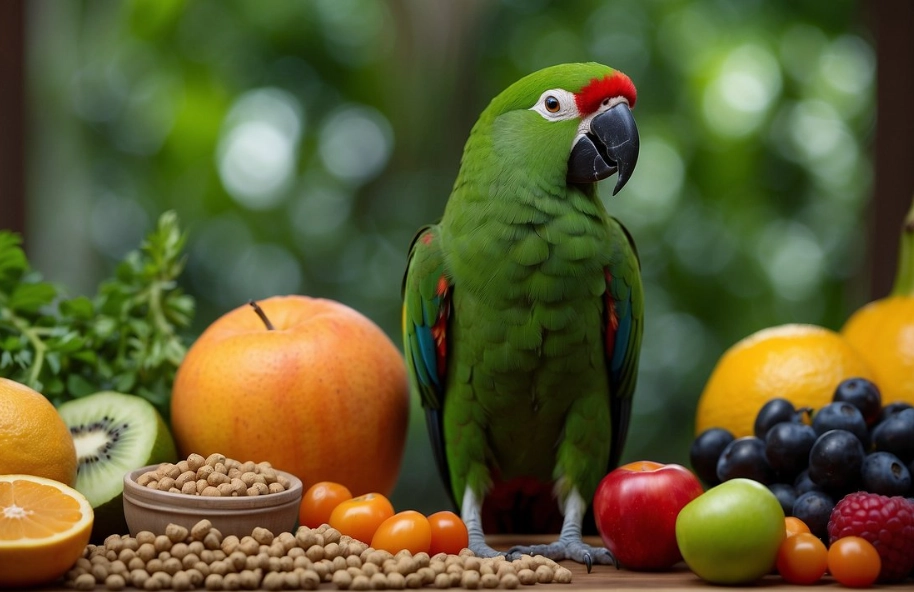
Putting It All Together: A Sample Daily Feeding Schedule
Theory is great, but what does this look like at 7 AM on a Tuesday? Here's a realistic schedule based on what works for me and many other owners.
Morning (7-8 AM): Fresh bowl of pellets available all day. This is their staple food, so it doesn't spoil. I fill the dish about halfway to discourage them from just dumping it out (a common, frustrating habit).
Late Morning (11 AM): This is when I offer the fresh “chop.” It's a mix of finely chopped veggies and a tiny bit of fruit. I make a big batch once a week and freeze it in daily portions. The key is variety—change up the mix weekly to keep it interesting.
Afternoon (3-4 PM): I remove any uneaten fresh food after 2-3 hours to prevent spoilage and bacterial growth. If the chop is all gone, I might offer a small, healthy snack. A sprig of fresh herbs (cilantro, basil), a chunk of unsweetened whole wheat toast, or a foraging toy with a nut piece inside.
Evening: The pellets are still there if they're hungry. I don't offer a big meal right before bedtime.
Fresh, clean water is available at all times, in a bowl that's washed daily. I use stainless steel—it's easier to clean and doesn't harbor bacteria like plastic can.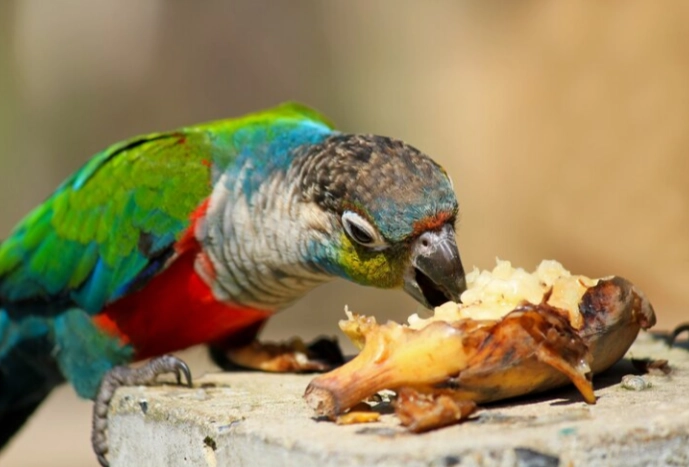
Special Considerations: Chicks, Seniors, and Specific Species
A generic parrot diet guide needs some tweaking based on who's eating.
Hand-Feeding Chicks
If you're hand-raising a chick, this is a specialized task requiring commercial hand-feeding formula, specific temperatures, and precise schedules. This is not a DIY project for beginners. Improper hand-feeding can lead to aspiration, crop burns, or malnutrition. Always work under the guidance of an experienced breeder or avian vet. The resources from Harrison's Bird Foods include useful care sheets on this topic.
Senior Parrots
Older birds may have slower metabolisms, arthritis, or kidney issues. They often benefit from softer pellets (soaked in water), easier-to-eat fresh foods (cooked and mashed), and a diet slightly lower in fat and protein. Regular vet check-ups are crucial to tailor their diet.
Species-Specific Tweaks
While the pellet/fresh food base is universal, some species have quirks. Lorikeets and Lories need specialized nectar or pollen diets. Eclectus parrots are notoriously sensitive to synthetic vitamins and often do better on an organic pellet and higher fresh food ratio. Macaws, with their powerful beaks, need more nuts and healthy fats for beak exercise and energy. A good resource like Beauty of Birds can give species-specific profiles, but always cross-reference with your vet.
Pro Tip: When in doubt about a specific food for your specific bird, a quick call or email to your avian vet is the safest bet. It's what they're there for.
Common Questions (The Stuff You Actually Search For)
"My parrot won't eat vegetables! What do I do?"
You're not alone. This is the most common struggle. Persistence is key. Offer the new food consistently, in different forms (shredded, whole, clipped to the cage, in a separate dish). Eat the same food in front of your bird with exaggerated enjoyment—they're flock animals and learn by mimicry. Mix a tiny bit of a favored food (like a bit of mashed sweet potato) with new greens. It can take dozens of presentations before they try something new. Don't give up.
"Do I need to give vitamin supplements?"
If your bird is on a high-quality pellet and eating a good variety of fresh foods, probably not, and supplementing unnecessarily can be harmful (vitamin overdoses are real). However, if your bird is a stubborn seed-eater transitioning to pellets, is ill, or is laying eggs, your vet might prescribe a specific supplement. Never add supplements to water—it encourages bacterial growth and you can't control the dose.
"How much food is too much?"
A good rule of thumb is about 1.5 to 2 tablespoons of pellets per day for a medium-sized parrot like a conure or cockatiel, plus an equal volume of fresh chop. Adjust based on your bird's body condition. You should be able to feel the keel bone (the breastbone) with slight padding, but it shouldn't be sharp or buried in fat. Your vet can show you how to do this.
"Are there any human foods I can safely share?"
Yes, in moderation! Small bits of cooked quinoa, brown rice, plain oatmeal, whole wheat pasta, or unsalted popcorn make great shared snacks. My birds love a tiny piece of my morning scrambled egg (no salt, butter, or oil). It's a bonding experience.
Look, crafting the perfect parrot diet guide for your home is a journey, not a one-time fix. You'll have days where your bird throws its lovingly prepared chop on the floor and stares at you. You'll have breakthroughs when it finally tries that piece of pepper.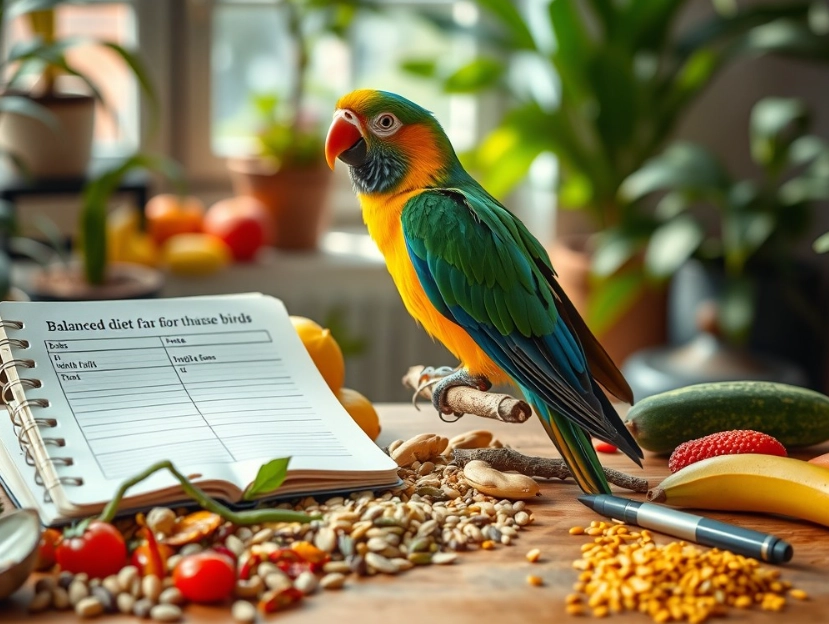
The goal isn't perfection. It's consistent effort towards a balanced, varied diet that keeps your feathered friend active, bright-eyed, and healthy for years to come. Start with a good pellet base, pile on the colorful veggies, go easy on the fruit and seeds, and avoid the known dangers. You've got this.
And remember, the best diet plan is one your bird will actually eat. Be patient, be creative, and enjoy the process of discovering what your unique parrot loves.

Join the Conversation