Quick Navigation Guide
- The Foundation: Choosing and Prepping the Enclosure
- The Ground Layer: Bedding and Substrate Deep Dive
- Furnishing the Habitat: From Essentials to Enrichment
- The Invisible Essentials: Climate, Cleanliness, and Safety
- Tackling Your Top Small Mammal Habitat Setup Questions
- Putting It All Together: A Species-Specific Snapshot
Let's be honest. When you first bring home that fluffy hamster, curious guinea pig, or energetic rabbit, the excitement is real. You get the cage out of the box, maybe throw in some bedding and a food bowl, and call it a day. I've been there. I thought my first hamster, Peanut, was living the high life in his modest plastic tub. It wasn't until I saw him constantly gnawing the bars (a classic sign of stress and boredom) that I realized my small mammal habitat setup was, well, kind of terrible.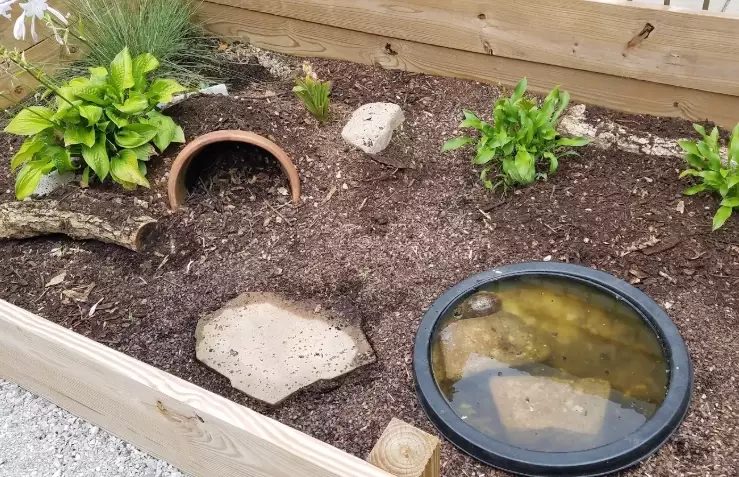
It's a common mistake. Pet stores sell those cute, colorful cages that look like miniature castles, but they're often woefully inadequate in space and design. A proper habitat isn't just a box to contain your pet; it's their entire world. It needs to cater to their instincts—to burrow, to forage, to hide, to explore. Getting it wrong can lead to health problems, behavioral issues, and a pet that's just not thriving.
So, how do you build a home that goes beyond just "okay" and becomes a genuinely enriching environment? This guide is the result of years of trial, error, research, and conversations with exotic veterinarians. We're going to ditch the marketing fluff and talk about what actually works for a successful small mammal habitat setup.
The Foundation: Choosing and Prepping the Enclosure
This is where most people trip up. Size is the non-negotiable starting point. Forget the minimums you see on old packaging. The consensus among modern welfare organizations is that bigger is always, always better.
So what are your options?
Cage Types: The Good, The Bad, and The Chewable
Wire Cages with Plastic Bases: Common, but check the bar spacing! A dwarf hamster can squeeze through a 0.4-inch gap. Also, the plastic base can be a target for determined chewers (looking at you, rats). Good for ventilation, but often lack floor space.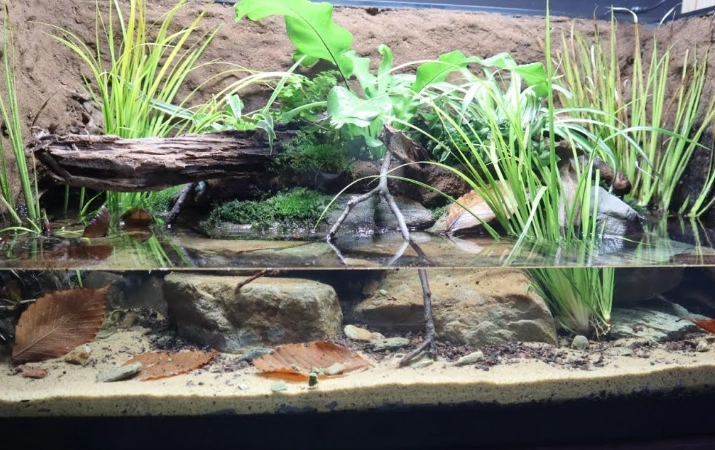
Glass Aquariums/Tanks: My personal favorite for many species. They hold deep bedding for burrowing, have no bars to climb or get limbs stuck in, and contain mess. The big drawback? Ventilation. You must use a secure mesh lid, not the solid one that comes with it. A 40-gallon breeder tank is a fantastic starter size for a hamster or mouse.
Plastic Modular Cages: Like those popular colorful tubes and chambers. They can be fun for adding complexity, but the tubes are often too small for adult Syrians to turn around in comfortably, and they're notoriously difficult to clean and ventilate properly. I find they often look more fun for us than they are functional for the pet.
DIY Bin Cages: The budget-friendly champion. A large plastic storage bin (think 110+ quarts) with a large section of the lid replaced with sturdy metal mesh. It's cheap, easy to clean, holds bedding, and allows for deep customization. This is how I upgraded Peanut's world, and the difference in his behavior was night and day.
Before you put anything inside, give the whole enclosure a good wipe-down with a pet-safe cleaner or vinegar solution. Rinse thoroughly and dry. It's a simple step that gets your small mammal habitat setup off to a clean start.
The Ground Layer: Bedding and Substrate Deep Dive
This is more than just absorbent fluff. It's landscaping. For burrowing animals like hamsters, the depth of bedding is critical to their mental health. Aim for at least 6-8 inches, but 10+ is the dream. They'll create intricate tunnel systems you might never see.
Here’s where a table helps make sense of the options:
| Bedding Type | Best For | Pros | Cons & Watch-Outs |
|---|---|---|---|
| Aspen Shavings | Hamsters, Mice, Rats | Safe, absorbent, holds burrows well, affordable. | Can be dusty (choose low-dust brands). Not soft enough as sole bedding for guinea pigs. |
| Paper-Based Bedding | All small mammals (esp. good for allergies) | Very absorbent, low dust, soft, often odor-controlling. | Can be pricey. Some types don't hold burrow structure as well as aspen. |
| Kiln-Dried Pine/Cedar | Avoid for all. Historically used. | Cheap, smells "fresh." | The aromatic phenols can cause severe respiratory and liver damage. Just don't use it. |
| Fleece Liners | Guinea Pigs, Rabbits (with litter training) | Reusable, soft on feet, colorful. | Requires frequent washing (urine must be wicked away). Not suitable for burrowers. |
| Orchard Grass Hay | Perfect topper for Rabbits & Guinea Pigs | Edible, encourages foraging, natural. | Not very absorbent on its own. Use over another substrate or fleece. |
See the difference? It's not one-size-fits-all.
I like to use a mixed substrate approach. For my current hamster, I put a layer of aspen shavings on the bottom for structure, then a thicker layer of paper bedding on top for softness and absorbency. In one corner, I mix in some orchard grass hay. This creates different textures and digging experiences. For a guinea pig setup, a layer of absorbent puppy pads under a fleece liner works wonders, with a pile of fresh hay in their hay rack.
Furnishing the Habitat: From Essentials to Enrichment
Now for the fun part—filling the space. Think of your small mammal habitat setup like designing a tiny, functional apartment. It needs distinct zones.
The Sleep Zone: Hideouts Galore
Every pet needs a secure, dark place to sleep. One hideout is not enough. Provide multiple options in different materials and locations. A ceramic hide stays cool. A wooden hide satisfies chewing. A multi-chamber hide (like a cardboard box with internal walls) mimics a natural burrow system. My rule is: at least one more hideout than the number of animals in the cage.
The Dining Zone: More Than Just a Bowl
Ditch the food bowl. Seriously. Scatter feeding—sprinkling their daily pellet ration throughout the bedding—is one of the best forms of enrichment. It forces them to use their natural foraging instincts, turning a 30-second meal into hours of activity. A heavy ceramic bowl is still useful for fresh veggies or a water dish (tip: attach it to the side of the cage to prevent bedding from being kicked in).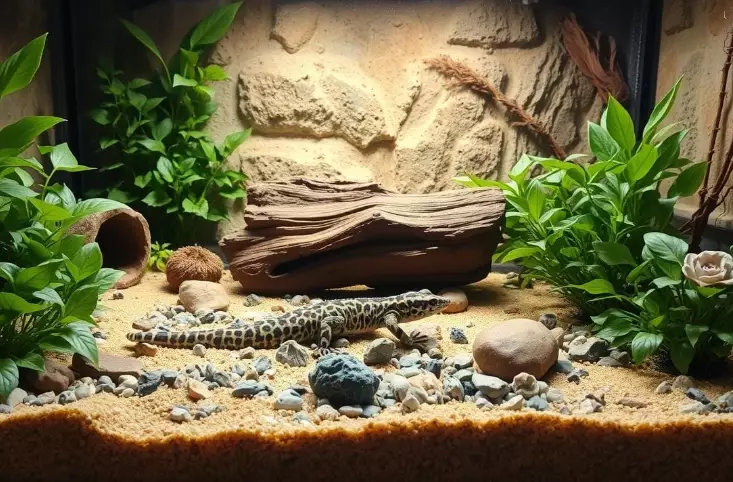
Water is best provided in a glass or metal water bottle with a ball bearing sipper tube. Check it daily for clogs and leaks. Having a small, stable water dish as a backup isn't a bad idea either.
The Activity Zone: Preventing Boredom
This is the heart of a great small mammal habitat setup. Enrichment isn't a luxury; it's a requirement for mental health.
- The Wheel: Non-negotiable for hamsters, mice, and rats. It must be solid-surfaced (no rungs to catch feet) and large enough that their back doesn't arch. For a Syrian hamster, that's 10-12 inches in diameter. A silent spinner is worth every penny for your sanity.
- Chews: Their teeth never stop growing. Provide a variety: apple wood sticks, pumice stones, seagrass toys, whiffle balls. Rotate them to keep interest.
- Climbing & Exploration: Bird perches, grapevine wood, cork logs, and platforms connected by ramps (ensure ramps have side rails or are covered to prevent falls).
- Digging & Foraging: A sand bath (use reptile sand without added calcium or dyes, not dust) is essential for hamsters to keep their fur clean. You can also create a dedicated digging box filled with coconut fiber or children's play sand.
The goal isn't to fill every square inch with stuff, but to create a landscape they can interact with. Leave some open bedding space for them to run and dig their own paths.
The Invisible Essentials: Climate, Cleanliness, and Safety
A perfect-looking cage can still be a hazard if you miss these.
Temperature & Humidity: Most small mammals are comfortable at the same temperatures we are, between 65-75°F (18-24°C). Avoid direct sunlight, drafts from windows or air conditioners, and places like garages or sunrooms. Guinea pigs are particularly sensitive to heat. High humidity can promote respiratory infections and mold growth in bedding.
The Cleaning Schedule: This is where many setups fail. You don't need to nuke the entire cage weekly. In fact, a full clean is very stressful. Instead:
- Spot Clean Daily: Remove soiled bedding, old food, and poop from high-traffic areas (under hides, corners).
- Partial Clean Weekly: Replace 1/3 to 1/2 of the bedding, wipe down surfaces, wash hides and toys.
- Full Clean Monthly (or as needed): Empty everything, disinfect the base (with pet-safe solution), and replace all bedding. Crucially: Always save a handful of the old, clean bedding to mix back in. This retains their familiar scent and reduces stress.
Safety Proofing: This is the ultimate test of your small mammal habitat setup. Get down at cage level and look for:
- Fall risks from high platforms.
- Chew hazards like exposed plastic edges or electrical cords nearby.
- Escape routes—a gap in the lid, a loose door latch. I've had a mouse exploit a gap I swore was too small.
- Toxic materials from paints, glues, or treated woods used in DIY projects.
Tackling Your Top Small Mammal Habitat Setup Questions
Let's address the stuff that keeps new owners up at night.
Putting It All Together: A Species-Specific Snapshot
Let's apply the principles. Here’s my quick-start mental checklist for two popular pets: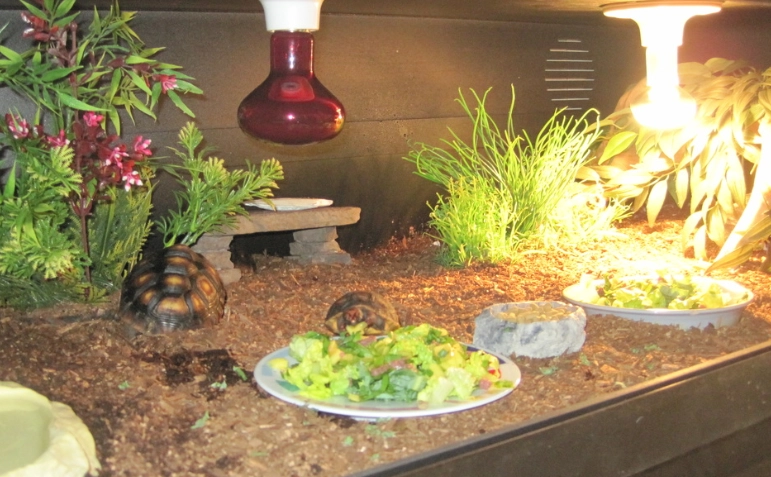
For a Syrian Hamster: Enclosure: 40-gallon breeder tank or 600+ sq in bin cage.
Bedding: 10+ inches of aspen/paper mix.
Must-Haves: 11-12" solid wheel, sand bath, multi-chamber hide, variety of chews, ceramic dish.
My Personal Tip: They love to hoard. Don't panic if you find a stash of food in their hide—it's normal. Just remove perishable fresh items during spot cleaning.
For a Pair of Guinea Pigs: Enclosure: 10.5+ sq ft C&C grid cage or large penned area.
Bedding: Fleece liner over absorbent layer OR paper bedding.
Must-Haves: Two of everything (hides, water sources), unlimited timothy/orchard hay in a rack, large flat area for veggies, tunnels, low ramps.
My Personal Tip: They are messy hay-eaters. Put their hay rack over a litter tray or a designated "hay kitchen" area lined with disposable bedding to contain the mess.
Look, creating the ideal small mammal habitat setup is a journey, not a one-time task. You'll tweak things as you learn your pet's personality. The biggest mistake is thinking a small animal means small needs. Their needs are just as complex as a dog or cat's; they're just packaged smaller.
Start with space. Nail the bedding. Provide endless enrichment. Maintain it consistently. Do that, and you're not just building a cage—you're building a home where your small friend can truly exhibit their natural behaviors and live a full, healthy life. And honestly, watching them explore and enjoy a well-thought-out habitat is one of the most rewarding parts of being a pet owner.
It's worth the effort.
1 Space recommendations are synthesized from guidelines by the Humane Society of the United States and widely accepted standards in modern ethical small pet care communities.
2 The social needs of guinea pigs are well-documented by organizations like the ASPCA (American Society for the Prevention of Cruelty to Animals), which advises against solitary housing for their wellbeing.





Join the Conversation