Let's be honest. Choosing cat litter feels like a low-stakes game until you're knee-deep in dust, battling ungodly smells, or worse, cleaning up a mess from outside the box. I've fostered over twenty cats and owned my fair share of feline overlords. In that time, I've wasted more money on terrible litter than I care to admit. The wrong choice isn't just an inconvenience; it's a daily compromise on your home's air quality, your cat's health, and your own sanity. This guide cuts through the marketing fluff to show you the absolute worst cat litter options and, more importantly, why they fail so you can make an informed choice.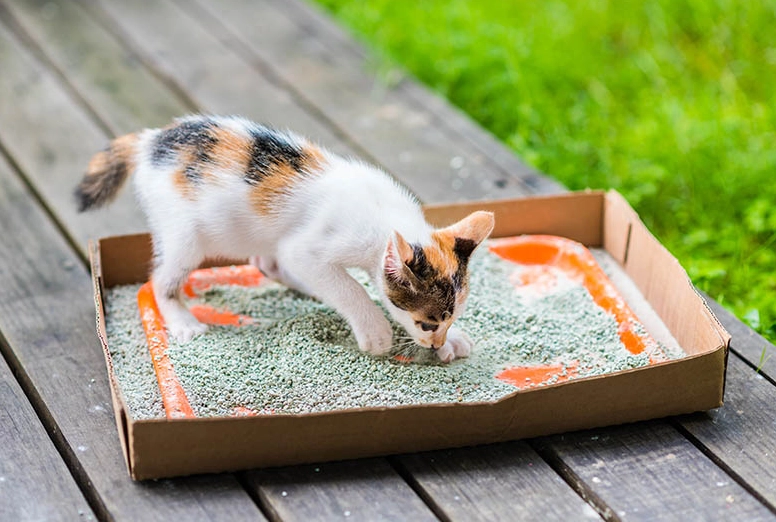
What's Inside This Guide
How to Identify the Worst Cat Litter for Your Home
Bad litter announces itself in a few predictable ways. If you're dealing with any of these, you're likely using a poor-quality product.
Many owners blame the cat for these issues. I did too, at first. But after switching litters, the "behavioral problems" often vanished. The litter was the problem all along.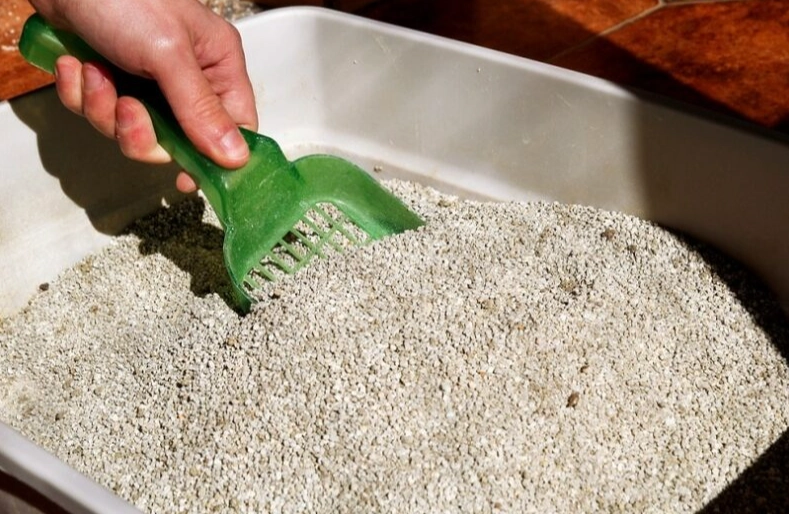
The Top 4 Worst Cat Litter Types You Should Steer Clear Of
Based on my experience and consistent complaints from vet techs and fellow cat rescuers, here are the categories that consistently disappoint.
1. Ultra-Fine, Super-Clay Litters (The Dust Bombs)
These are the budget-friendly, super-clumping clay litters you find in massive jugs. Their selling point is incredible clump strength and odor control. The hidden cost is the dust.
That fine silica dust gets into your cat's lungs, potentially exacerbating asthma—a surprisingly common issue in cats. The Cornell Feline Health Center notes respiratory irritants can worsen feline asthma. It also coats your floors, gets tracked everywhere, and creates a haze in the air every time you pour it. For you, it's a cleaning nightmare. For your cat, it's an air quality issue. I used one for months before noticing my cat would sneeze after using the box. Never again.
2. Heavily Scented or "Deodorizing" Litters
This is a classic case of a solution creating a bigger problem. Litters drenched in floral, "clean linen," or strong chemical scents are designed to mask odor for human noses. A cat's sense of smell is about 14 times stronger than ours.
Imagine walking into a bathroom that reeks of industrial-strength perfume and underlying waste. It's overwhelming. This sensory assault can deter a cat from using the box entirely. The scent also often comes from artificial fragrances that can be irritants. Good litter manages odor through absorption and neutralization, not by covering it up with a stronger, worse smell.
3. Non-Clumping Clay (The Old-School Choice)
Some swear by it, but non-clumping clay litter is, in my opinion, one of the most inefficient options available. Because urine doesn't clump, it soaks to the bottom of the pan. To control odor, you have to stir the soggy, saturated litter at the bottom—a truly unpleasant task—or completely change the entire box every few days.
This leads to massive waste, higher long-term cost, and poor odor control between full changes. It's a relic from a time before we had better technology. There's simply no reason to choose it today unless specifically advised by a vet for a kitten who might ingest clumping litter.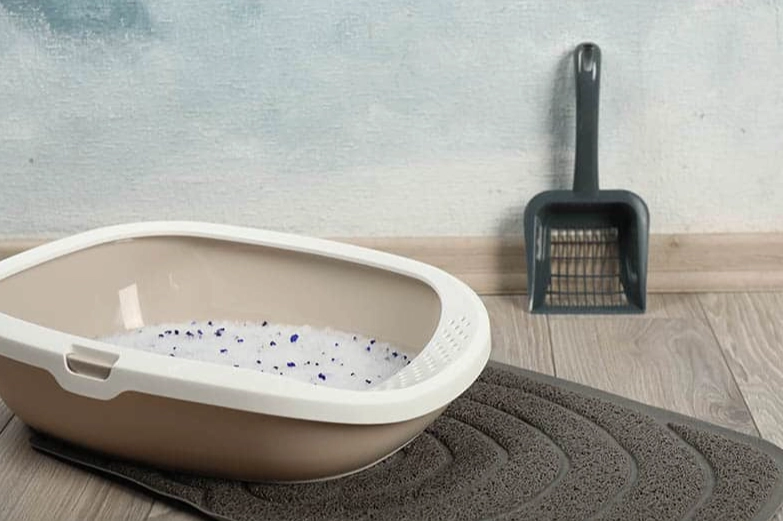
4. Cheap, Low-Density Natural Litters (Like Some Wood Pellets)
Now, I love a good sustainable cat litter. But not all "natural" is created equal. The worst offenders are super-lightweight wood or paper pellets that turn to sawdust upon contact with moisture. The theory is sound: the sawdust falls through a sifting tray, leaving clean pellets.
The reality is often messy. The sawdust doesn't always sift cleanly, it can track easily in its dusty form, and many cats dislike the hard, large feel of pellets under their paws. If you don't have the specific sifting litter box system, these become a soggy, ineffective mess. A poorly executed good idea is still a bad litter.
| Type of Worst Litter | Primary Problem | Secondary Issues | Who Might Think It's a Good Idea |
|---|---|---|---|
| Ultra-Fine Clay | Extreme dust (health hazard) | Heavy tracking, poor air quality | First-time buyers lured by low price and "super clumping" claims. |
| Heavily Scented | Overpowers cat's sensitive nose | Can cause box avoidance, masks real odor problems | Owners desperate for odor control without addressing root cause. |
| Non-Clumping Clay | Inefficient waste/odor control | High long-term cost, unpleasant maintenance | Long-time owners resistant to change or with very young kittens. |
| Low-Quality Natural Pellets | Poor moisture management, mess | Cat dislike of texture, requires special box | Eco-conscious owners drawn to the "natural" label without research. |
How to Choose a Cat Litter That Actually Works
So what should you look for? It's not about finding the single "best" litter, but the best for your specific situation. Consider this your checklist.
Prioritize Low or No Dust. Your lungs and your cat's lungs will thank you. Look for litters marketed as "low-dust" or "99% dust-free." Pour a little into a bowl at home to test before committing to a huge bag.
Clumping Ability is Key for Maintenance. A firm, solid clump that lifts out easily makes daily scooping quick and effective, trapping odor. Weak clumps are a sign of poor quality.
Neutral Scent or Unscented. The litter should smell like nothing, or have a very mild, natural earthy scent. Its job is to neutralize ammonia odors, not compete with them.
Consider Your Cat's Preference. This is the most overlooked factor. Most cats prefer a soft, sand-like texture. If you're switching, offer a choice in separate boxes. A report by the ASPCA on litter box problems consistently cites substrate preference as a major factor.
Trackability & Weight. Every litter tracks some. Finer, lighter litters tend to track more. If this is a huge concern, look for larger granule litters or use a high-sided litter mat.
You might find a great clay litter that's low-dust, or a plant-based litter made from corn, wheat, or walnut shells that clumps well. The point is to evaluate based on these performance metrics, not just the flashy claim on the bag.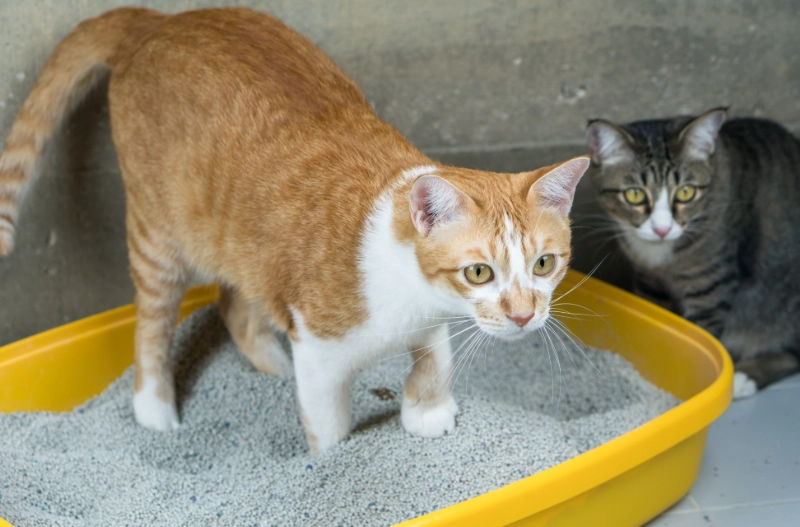
Your Cat Litter Problems, Solved
 Are clumping clay litters dangerous if my kitten eats them?
 The goal isn't to find a perfect litter—none exists. It's to avoid the objectively bad ones that create more work, more cost, and more stress for you and your cat. By understanding why certain litters fail, you can confidently skip the worst cat litter options and choose one that makes life with your feline friend a little cleaner and a lot more pleasant.


Join the Conversation