If you've ever typed "how much exercise do house cats need" into a search engine, you've probably seen the same generic answer: 15-30 minutes a day. As someone who's lived with cats for over a decade and volunteered at a shelter, I can tell you that answer is a decent starting point, but it's about as useful as saying humans need "some" water. It misses the nuance completely. The truth is, your cat's exercise needs are a dynamic equation based on age, breed, personality, and even your apartment layout. Getting it wrong doesn't just mean a bored cat—it can lead to obesity, destructive behavior, and stress-related illnesses.
Let's move past the one-size-fits-all advice. A young Bengal cat's needs are worlds apart from a senior Persian's. This guide will break down the real numbers, show you how to read your cat's signals, and give you a toolkit of engaging activities that go far beyond dragging a feather toy for five minutes.
What's in This Guide?
The 15-Minute Myth: What Cat Exercise Really Means
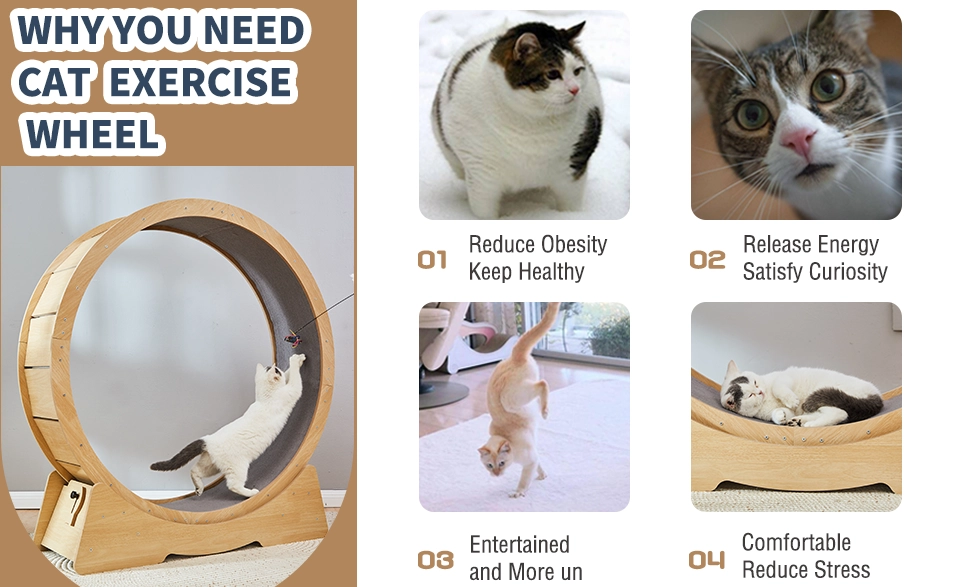
First, let's redefine "exercise." For a cat, it's not about jogging on a wheel (though some do!). It's about simulating the hunt. In the wild, a cat would spend hours stalking, chasing, pouncing, and finally capturing prey. That cycle of intense bursts followed by rest is hardwired into their brain.
The commonly cited 15-30 minutes refers to dedicated, interactive playtime with you. This is non-negotiable. But it's only part of the picture. A well-exercised cat also has opportunities for self-directed play (batting a ball alone), environmental exploration (climbing a cat tree, watching birds), and mental foraging (working for food).
The Big Picture Goal: Aim for a combination of activities that satisfies their predatory sequence and prevents prolonged periods of lethargy. A cat that sleeps 18 hours straight isn't "calm"—it's under-stimulated. The goal is a tired, content cat who sleeps soundly because they've used their energy, not because they have nothing else to do.
Your Cat's Personal Exercise Profile: Age, Breed & Personality
Throwing a single number at all cats is where most advice falls short. Let's tailor it.
Kittens (Under 1 Year)
They are furry tornadoes. Kittens need multiple short, intense play sessions throughout the day—think 5-10 minutes, 5-8 times a day. Their attention spans are short, but their energy reserves seem infinite. This isn't just about burning energy; it's critical for developing coordination and bite inhibition. A common mistake is one long play session. They'll get overstimulated and turn into little land sharks. Short and frequent is the key.
Adult Cats (1-7 Years)
This is where the 15-30 minute baseline for interactive play applies, but it must be split. Two sessions of 10-15 minutes—one in the morning and one in the evening, mimicking natural crepuscular hunting times—works far better than one longer session. The intensity matters. You need to get them sprinting and leaping, not just lazily swatting. I've found that most people overestimate how hard they're actually playing with their cat. If your cat isn't panting (lightly) or fully extending their body during leaps, you might need to up your game.
Senior Cats (7+ Years)
Exercise doesn't stop; it adapts. Arthritis and lower energy are real. They might only manage 5-10 minutes of gentle, low-impact play, once or twice a day. The focus shifts to mental stimulation and mobility maintenance. A slow wand toy dragged along the ground, or a puzzle feeder that makes them move between rooms, is perfect. Observe closely. If they seem stiff after play, shorten the session next time.
Breed & Personality Matters
A Siamese, Abyssinian, or Bengal will likely need more than the high end of the range. They are vocal about it, too. A laid-back British Shorthair or Ragdoll might be content with less. But "laid-back" can slide into "overweight" if you're not careful. Assess your individual cat. Is your "lazy" cat truly calm, or just bored? A good test is to initiate play with a high-value toy (like Da Bird). A bored cat will almost always engage. A truly content cat might watch for a minute before going back to sleep.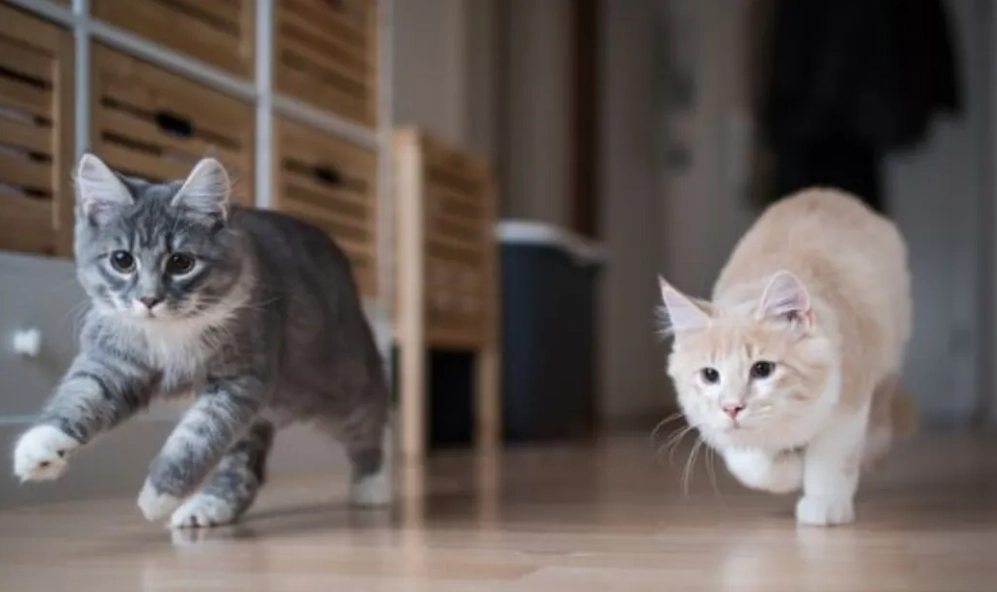
The Practical Playbook: Types of Activity & How to Schedule Them
Here’s how to build a balanced activity day. Think of it as a pyramid.
The Foundation: Environmental Enrichment (All Day Access)
- Vertical Space: Cat trees, shelves, window perches. Climbing is exercise.
- Visual Stimulation: A bird feeder outside a secure window is cat TV.
- Self-Play Stations: Scatter toys like springs, ping-pong balls, or treat-dispensing balls in different rooms.
The Core: Interactive Play Sessions (10-15 mins, 2x daily)
This is your main tool. Simulate prey: make the toy hide, scurry, jump, and occasionally "escape." End with a "capture"—let them catch and bite the toy, then give a small treat. This completes the hunt cycle and prevents frustration.
The Game-Changer: Food as Exercise
Stop using a food bowl. Use puzzle feeders, hide kibble in muffin tins covered with tennis balls, or scatter dry food around the house for a "search and find" mission. According to the International Cat Care, this foraging behavior is mentally and physically taxing in a good way. It can turn a 30-second meal into a 20-minute activity.
A Sample Schedule for a Healthy Adult Cat:
- 7:00 AM: 10-minute interactive wand play session.
- 8:00 AM - 6:00 PM: Access to puzzle feeder with portion of breakfast, window perch, self-play toys.
- 7:00 PM: 10-minute interactive play session (different toy than morning).
- 8:00 PM: Final food portion in a different puzzle toy or hidden around the living room.
How to Know If It's Working (Or Not)
You can't just log minutes and assume success. Watch your cat.
Signs Your Cat's Exercise Needs Are Met:
- They have regular, deep sleep periods, not just constant light dozing.
- They maintain a healthy weight (you can feel their ribs easily).
- Destructive behaviors (scratching furniture, attacking ankles) decrease.
- They are more affectionate and relaxed, not hyper-vigilant.
Red Flags You Need More or Different Activity:
- Weight gain. This is the most obvious one.
- Excessive vocalization, especially at night. They're telling you they have energy to burn.
- Overgrooming or other compulsive behaviors. Often a sign of stress from boredom.
- Lack of interest in play you initiate. The play might be boring! Try a new toy or technique.

Your Cat Exercise Questions, Answered
My cat loses interest in the toy after a minute. How can I possibly play for 15 minutes?
This usually means the play style is predictable. You're waving the wand in a figure-eight? They've solved that puzzle. Mimic real prey: dart the toy behind a couch leg, let it go completely still for 10 seconds, then skitter it across the floor erratically. Change toys frequently—rotate 3-4 favorites to keep novelty high. The toy should "hide" and "escape" to reignite their interest.
Are automatic laser toys or motorized mice a good substitute for playing with me?
They're a decent supplement for self-play, but a poor substitute. The major flaw is the lack of a satisfying "catch." Chasing a laser with no physical conclusion can lead to frustration and obsessive behavior. If you use a laser, always end the session by pointing it at a physical toy or treat they can actually pounce on and "kill." Your interaction provides a social bond and allows you to control the prey simulation in a way a machine can't.
My cat is overweight and refuses to play. Where do I even start?
Start with food, not feathers. Consult your vet first to rule out medical issues. Then, transition all meals to puzzle feeders or food-dispensing toys. This forces gentle activity. For play, think low and slow. Drag a wand toy with a fluffy tail very slowly along the ground next to you while you watch TV. Don't make eye contact or pressure them. Often, the low-pressure movement will trigger their instinct. Even a few swats are a victory. Consistency with food-based activity is your primary tool here.
I work long hours. How can I meet my cat's exercise needs?
Maximize the time you are home with two solid interactive sessions (morning and night). For the hours you're gone, create an engaging environment. Set up a "food treasure hunt" by hiding portions of their dry food in cardboard boxes or paper bags before you leave. Consider a timed feeder that dispenses a small meal mid-day, paired with a new toy that appears at the same time. A secure outdoor catio or even a deep window box with cat grass can provide stimulation. The goal is to break up their day, not leave it as one long, empty block.
How do I know if my senior cat is in pain during play, or just tired?
Watch their posture and movement after play, not just during. Signs of pain (like from arthritis) include: hesitating before jumping up or down, stiffness when they first get up from rest, over-grooming a specific joint, or a change in litter box habits (having trouble getting in/out). If play seems to make them more reluctant to move later, shorten sessions and stick to ground-level play. A vet can prescribe pain management that can dramatically improve their quality of life and willingness to stay active.
 The bottom line is this: measuring your cat's exercise in simple minutes is like measuring food in handfuls. It's imprecise and often leads to problems. Focus on the quality and variety of the activity, tailored to your unique cat. Observe them, experiment, and remember that a tired cat is a happy cat—and a happy cat makes for a peaceful home. Start by auditing their day tomorrow. How many real opportunities do they have to act like a cat? That's your first step to getting their exercise needs just right.


Join the Conversation